News & Stories

Are we doing what we say we are doing? – Why impact measurement is essential in the NGO sector

Are we doing what we say we are doing? – Why impact measurement is essential in the NGO sector

Non-governmental organizations address important social issues on a daily basis, yet it is not always clear what real impact their activities create, how this can be measured, and whether they are capable of doing it themselves. 

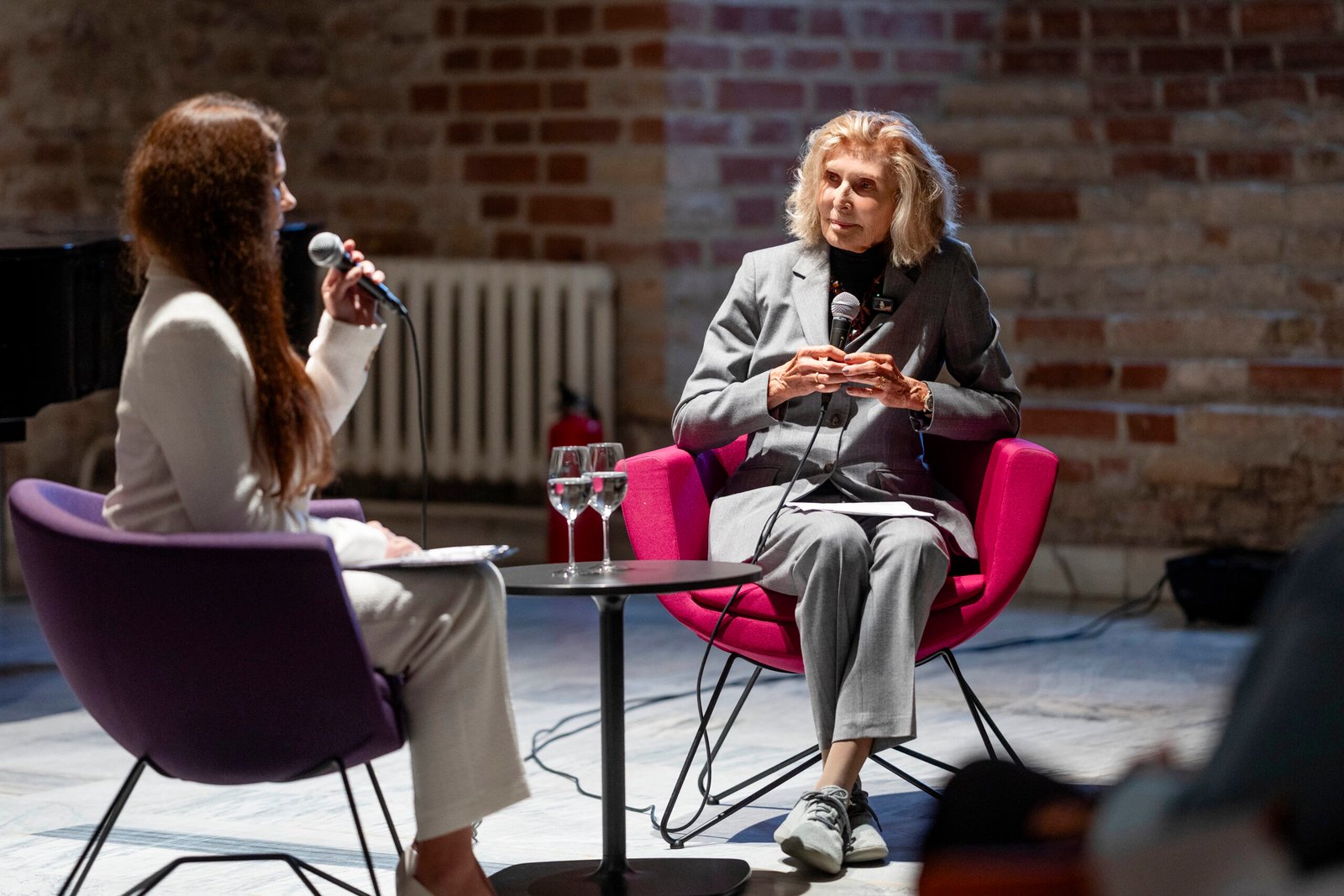
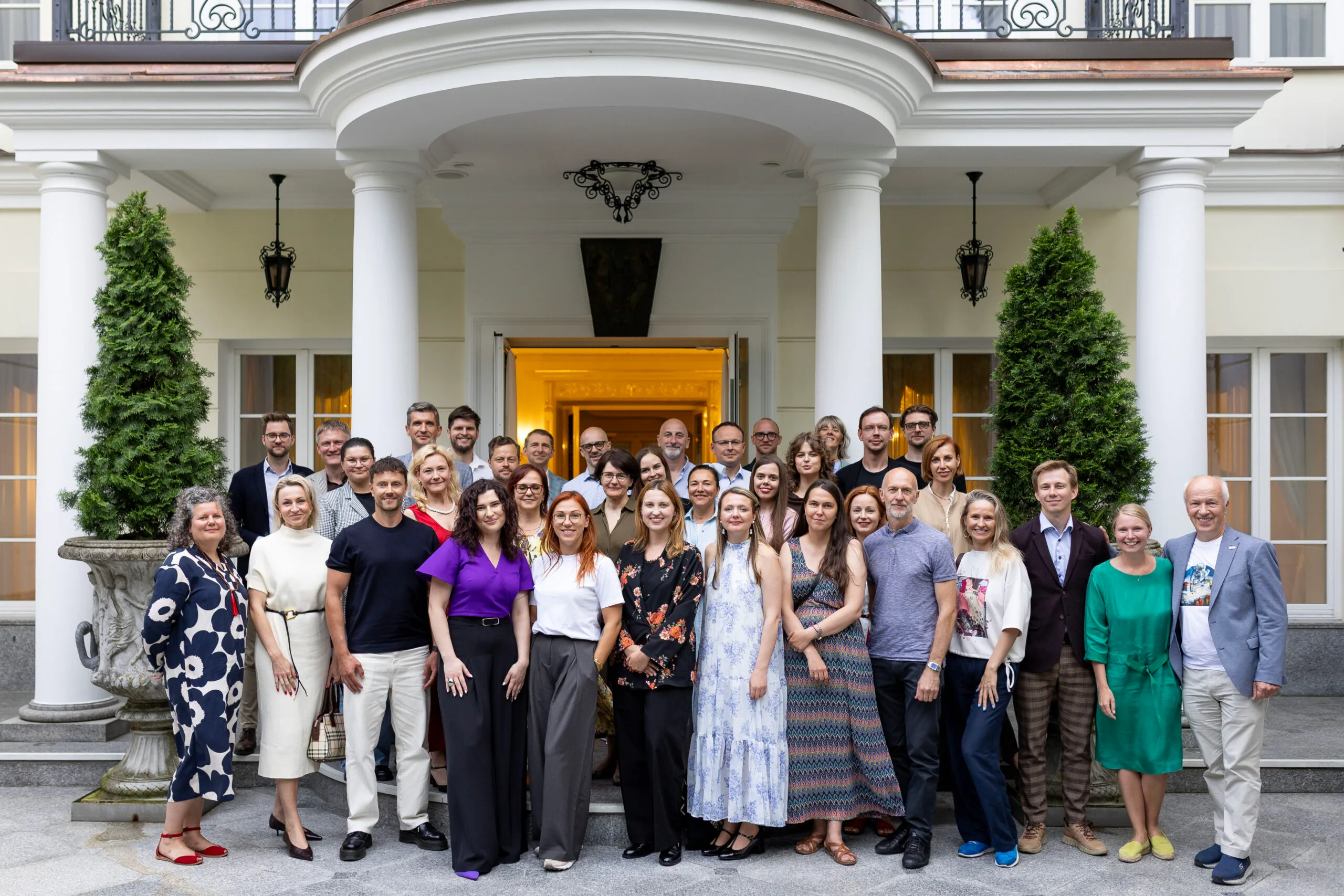
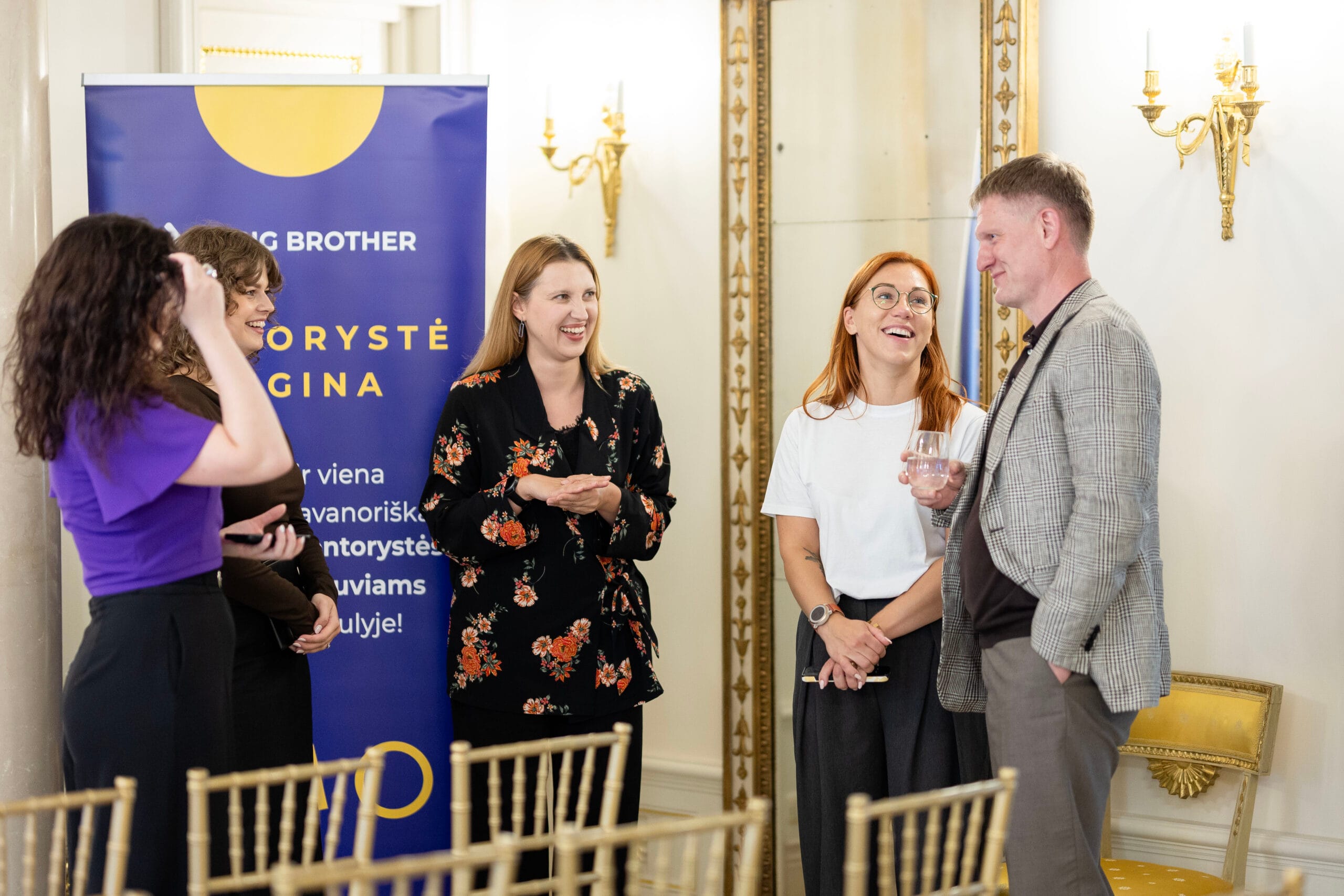
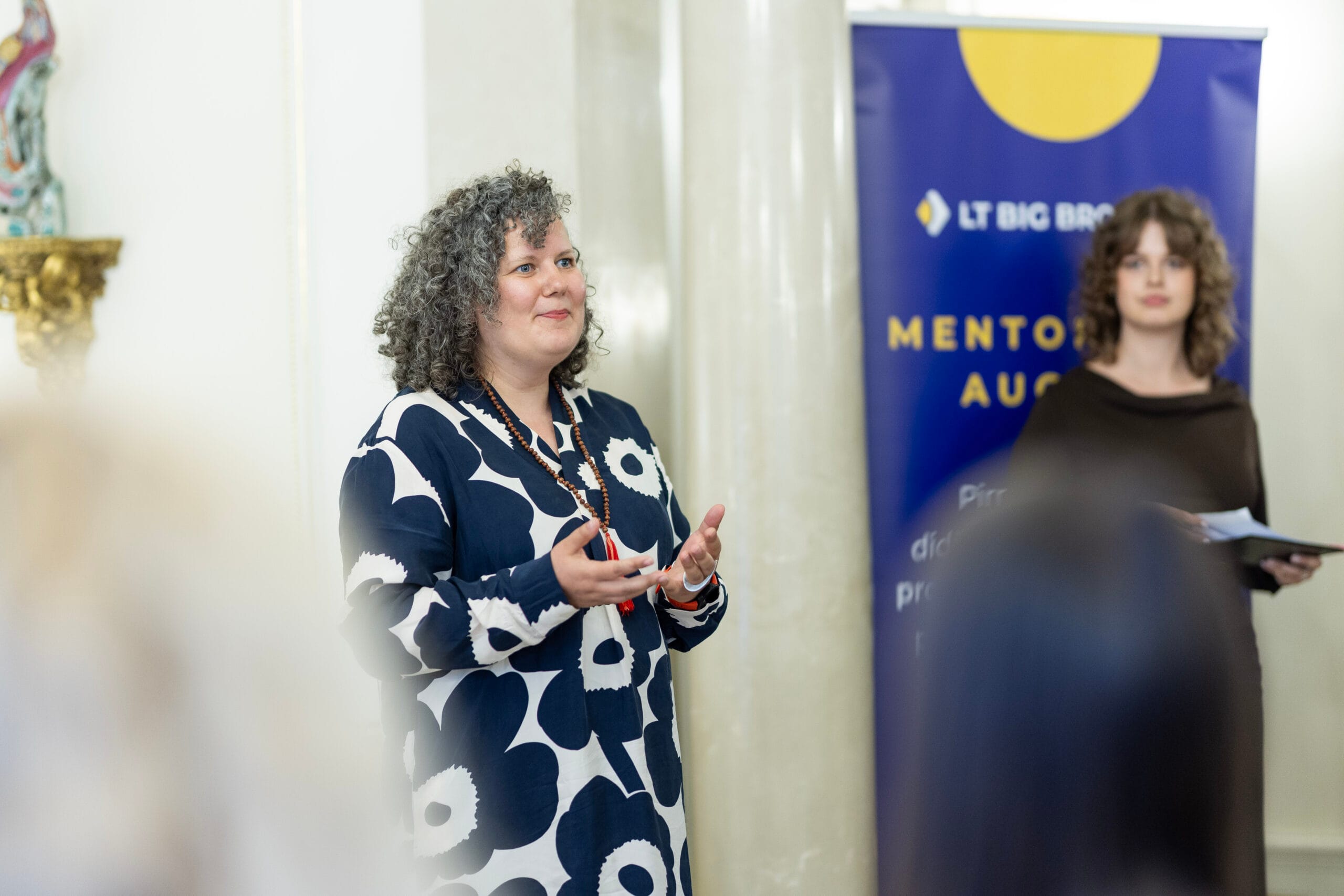
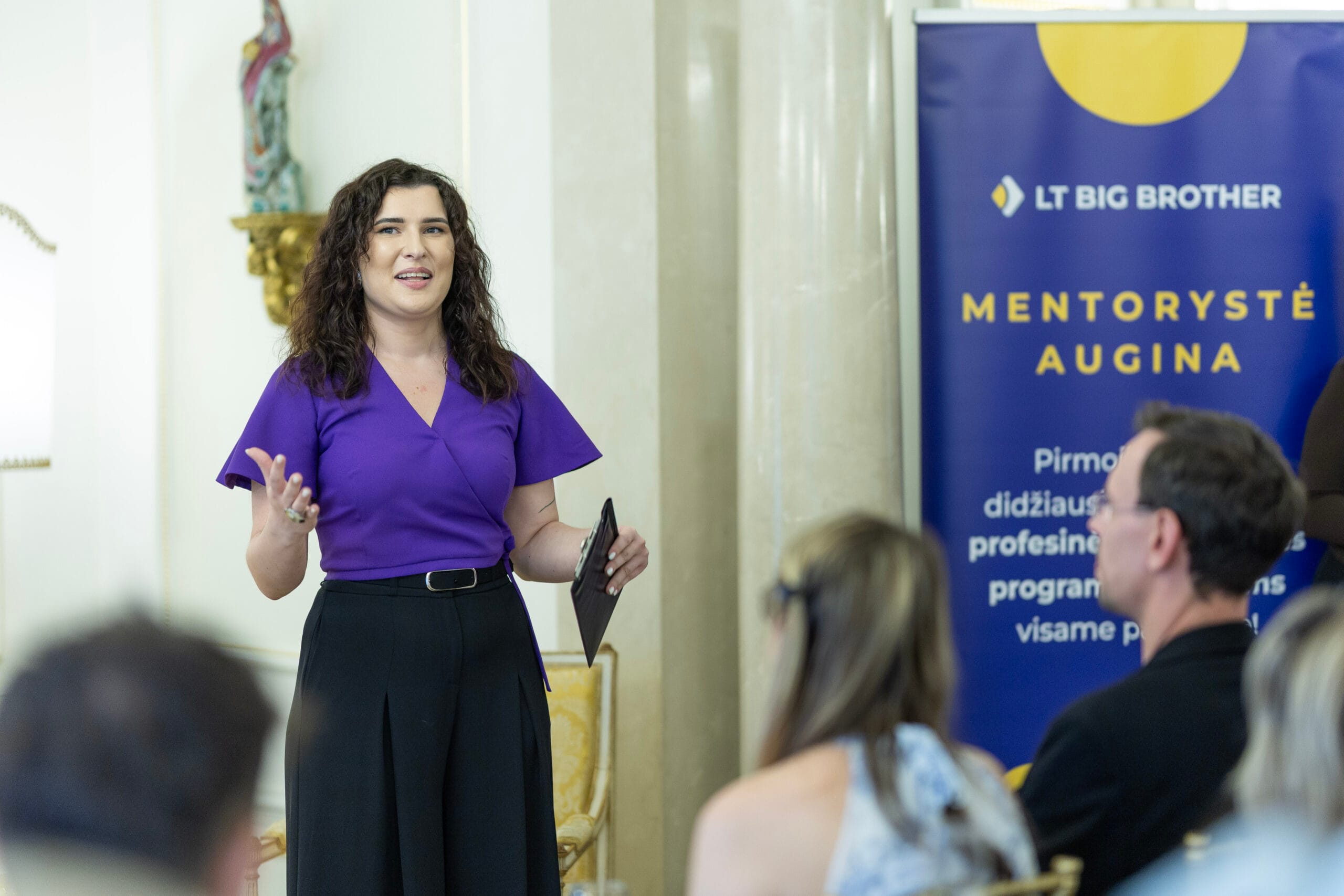
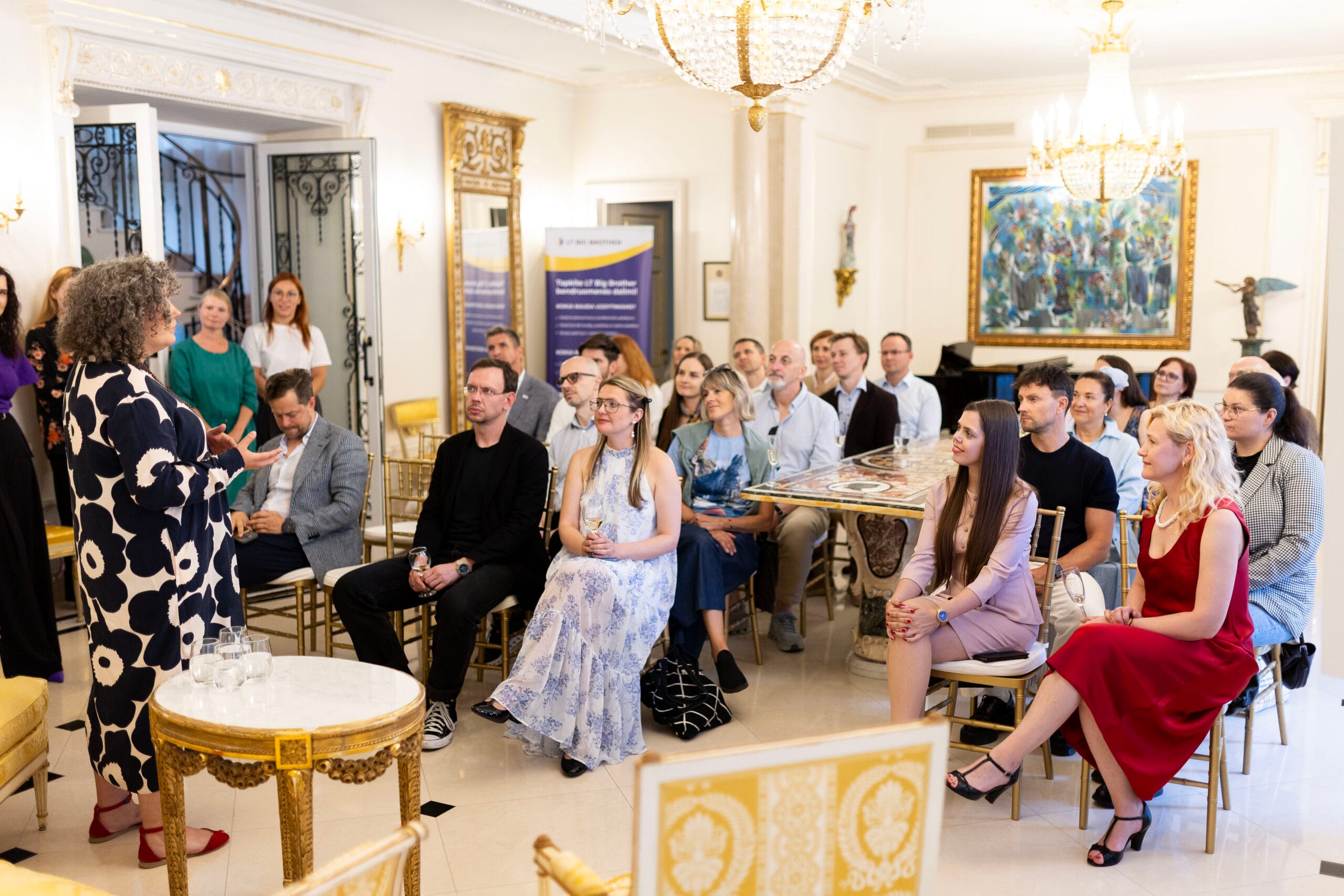
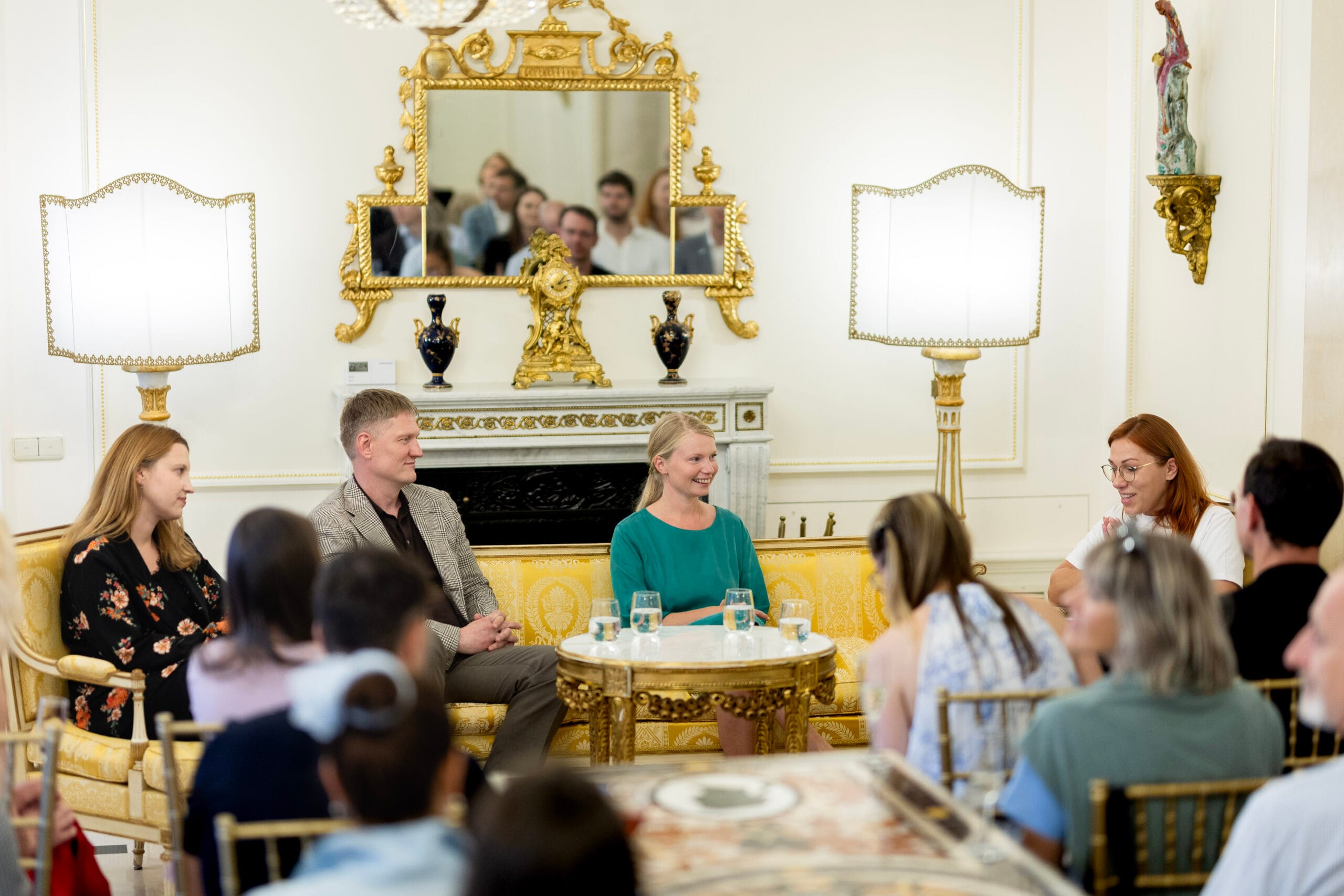
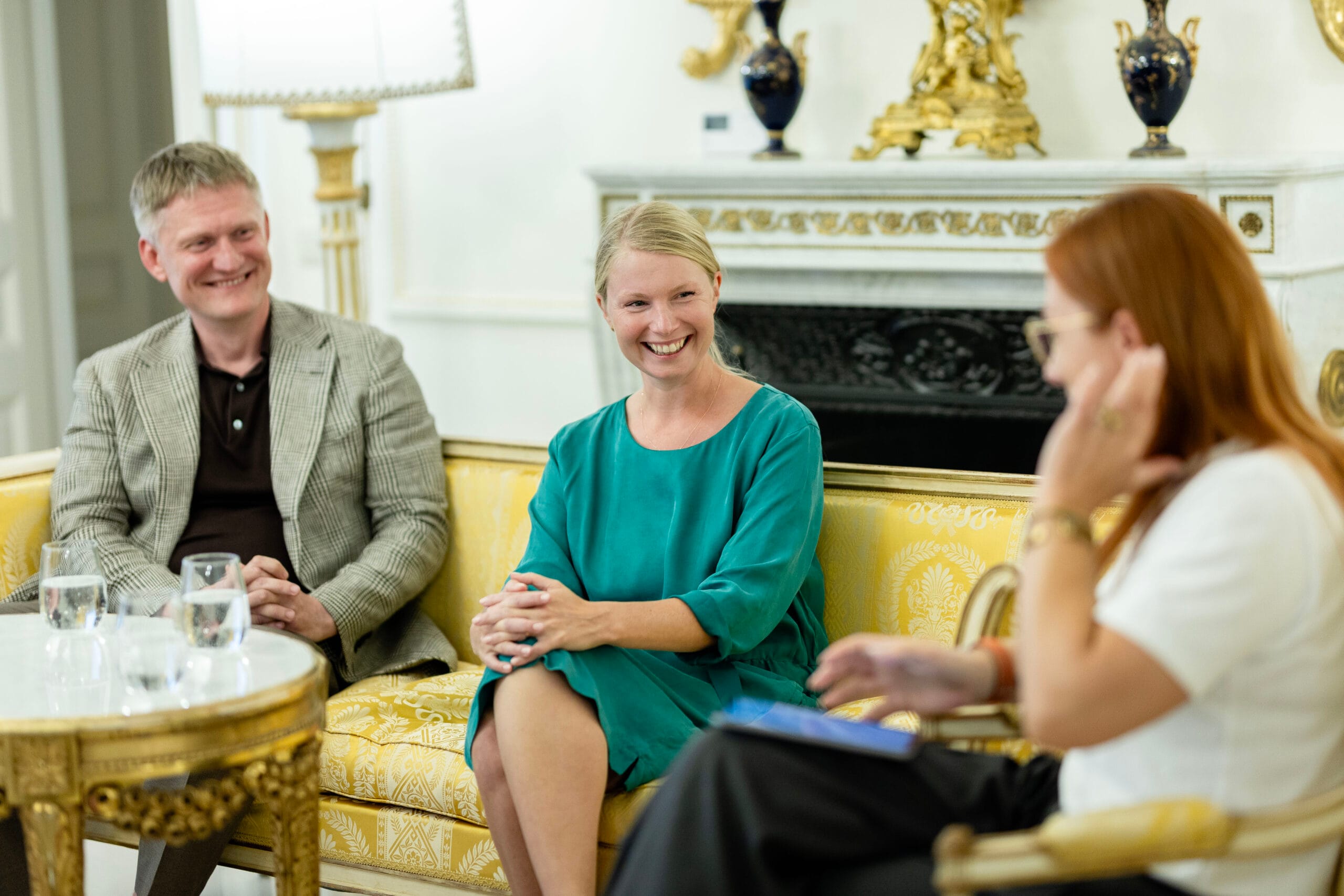
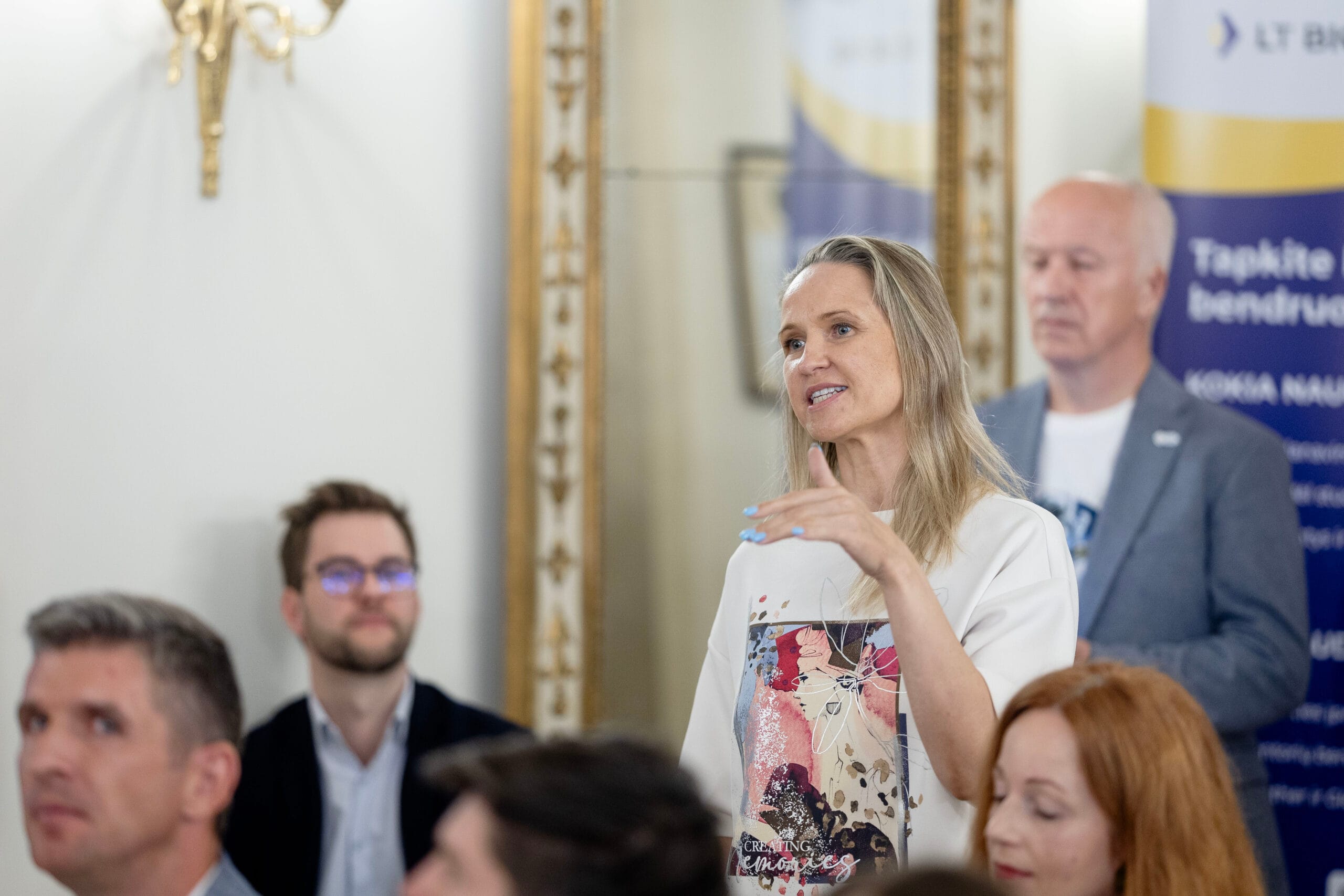
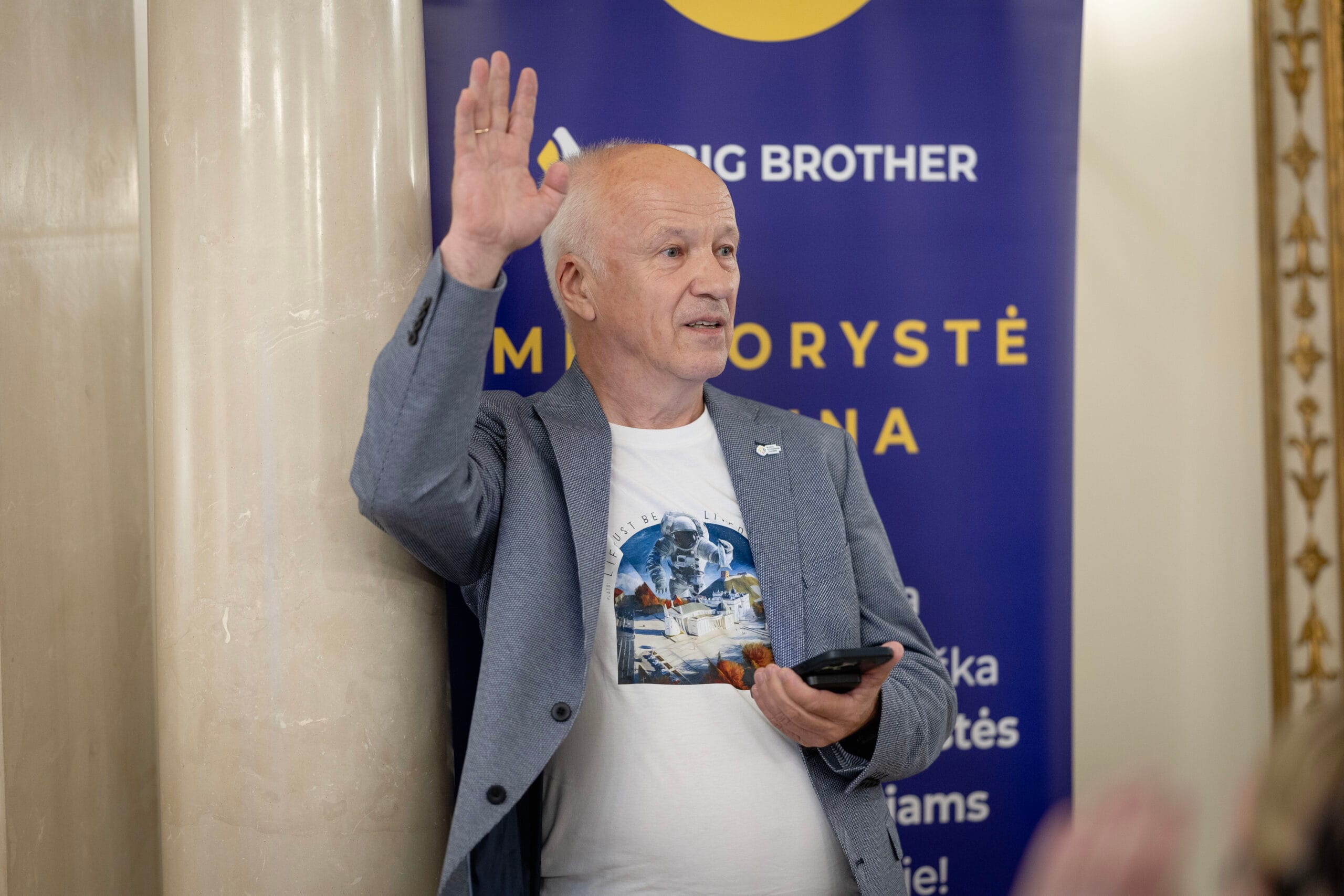
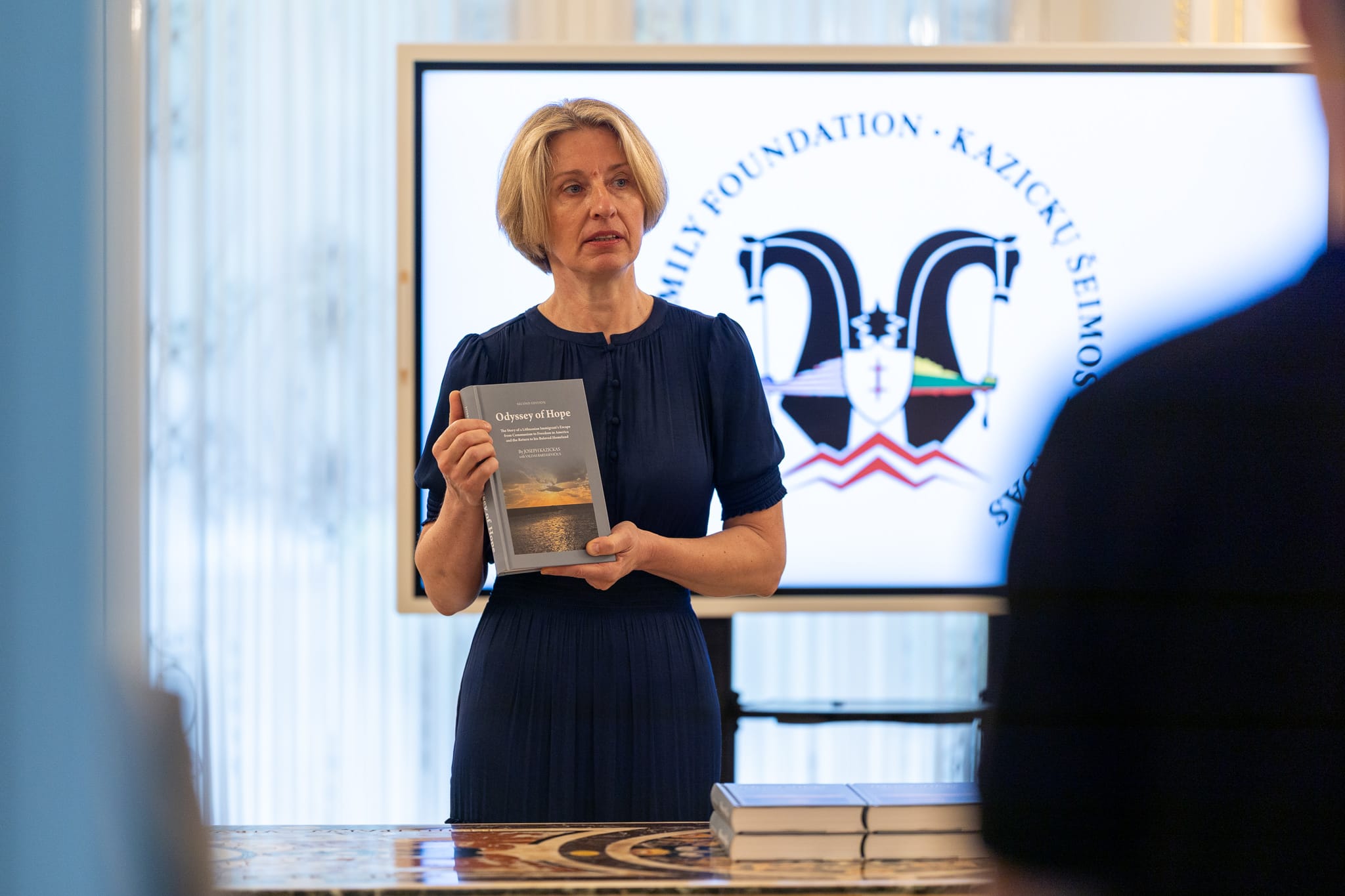
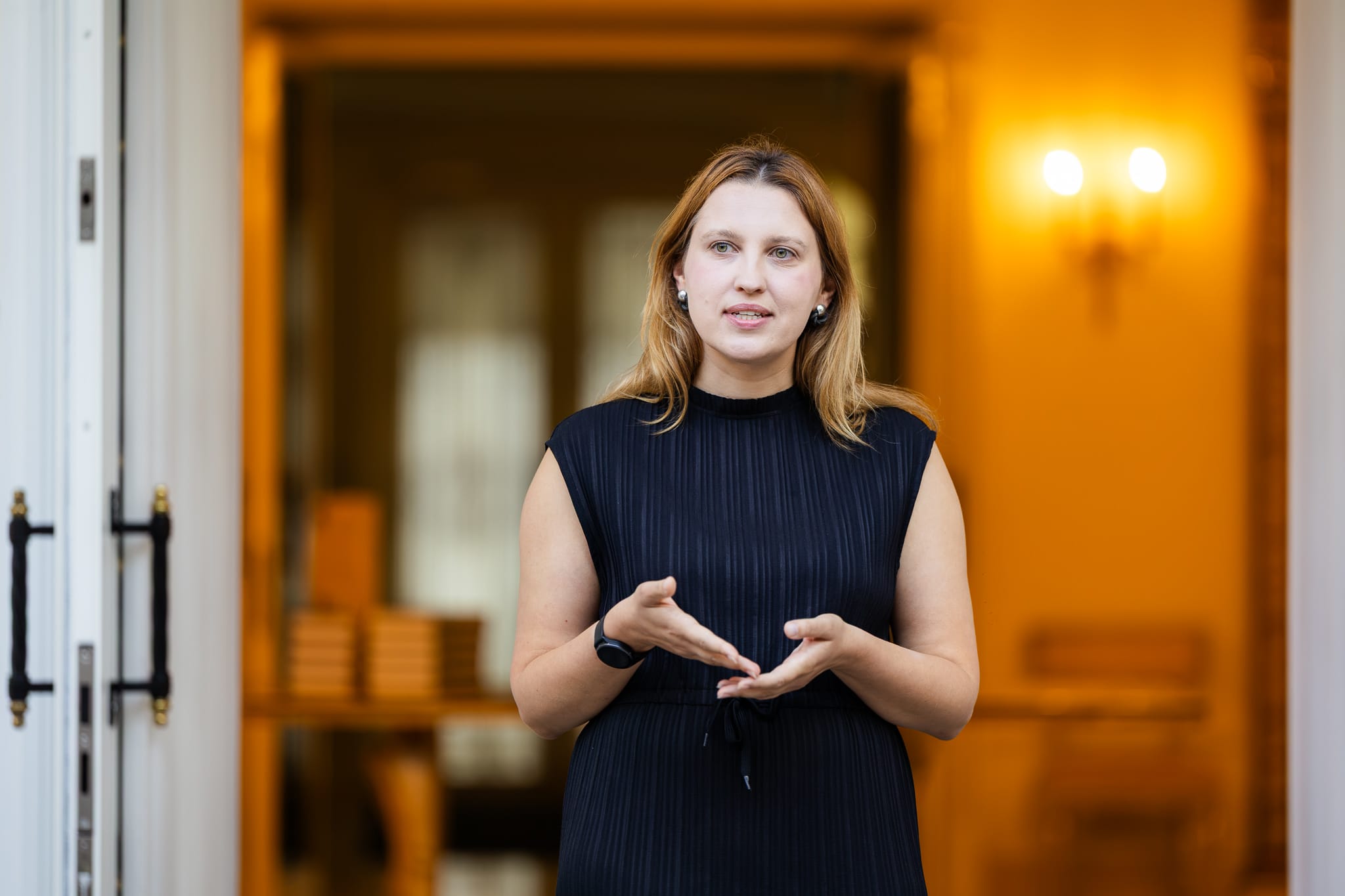
Giedrė Šopaitė, an NGO consultant and founder of the “Baltic Fundraising Hub”, who lectured at training sessions organized at the initiative of the Kazickas Family Foundation and bringing together 20 non-governmental organizations working in the fields of social inclusion, youth empowerment, and education, believes that measuring NGO impact is not only necessary but also not complicated. She is echoed by Domantė Howes, the Foundation’s Executive Director in Lithuania, whose organization has for several years been investing not only in financial support but also in strengthening the competencies of its partners: “This is a strategic investment by the Foundation that over time translates into value: more sustainable organizations, greater trust, and a stronger non-governmental sector.

Measuring impact – simpler than it seems

According to G. Šopaitė, impact measurement may sound complex, but in essence it is quite straightforward. “It is the ability to answer, for ourselves and for others, a simple question: are we doing what we say we are doing? NGOs often take on specific social challenges, applying solutions that the public sector cannot implement and that are not viable for business. But the real question is – does what we do actually work?” she says.

This is where impact measurement begins – it allows us not only to intuitively feel that we are doing good work, but also to have clear evidence that we are moving towards our mission.She also highlights some of the most common mistakes. “The biggest mistake is overcomplicating impact measurement. Activities, outputs and impact are not connected through a clear logic, overly complex or expensive tools are chosen, and eventually the system becomes so complicated that it is simply abandoned – like an ‘Excel monster’ that lives for two weeks and quietly dies.

In her view, getting started can be very simple – by selecting one or two indicators and using measurement tools that can be easily applied in day-to-day work. “Effective impact measurement is not about complex systems – it is about clarity and discipline,” says the NGO consultant and founder of the “Baltic Fundraising Hub”.

G. Šopaitė also places particular emphasis on distinguishing between outputs and impact. According to her, outputs are the immediate effects of activities, visible relatively quickly – for example, when participants gain new knowledge or skills after training. Impact, by contrast, is a long-term change that becomes evident over time, often after a year or two, when those same individuals begin to change their behaviour or environment. “To put simply, outputs show what happened immediately, while impact shows what actually changed,” she concludes.

Changing lives – but is it communicated clearly?

Impact measurement is particularly relevant for organisations seeking not only to deliver activities but also to create lasting value. Donatas Nagumanovas, head of the Alternative Learning Centre for Youth at Vilnius Archdiocesan Caritas, which works with young people experiencing social exclusion, says the training reshaped his perspective.

“I came to the training with the challenge of understanding how to measure impact. In my daily work, I no longer question the meaning of what we do – we know we are changing young people’s lives. But I also often feel an expectation from donors to communicate more clearly what exactly we are changing and what makes us unique,” he says.

According to him, NGOs are used to speaking in project terminology, using concepts such as “empowerment”, “integration” or “exclusion”. While meaningful, these terms are not always fully clear to the wider public. “The workshop gave us an opportunity to step away from our usual communication habits and reflect on how our work might sound to a broader audience,” he adds.

D. Nagumanovas notes that practical exercises helped bring clarity. “After the first session, I returned to work and shared insights with my colleagues. My newly formulated mission sparked interesting discussions and strong support,” he says.

An investment that pays off

Impact measurement matters not only for organisations themselves, but also for their partners and donors. Domantė Howes highlights that the issue is strategically important for the Foundation. “We never want to act for the sake of action alone – we aim to ensure that what we do creates real value and meaning,” she says.

According to D. Howes, the Foundation deliberately invests in strengthening the capacities of its partners. “Three years ago, we set a clear goal: to be not only providers of financial support, but also partners contributing to organisational growth. One year we focused on how to present our work effectively, another on fundraising, and this year we are focusing on how to measure impact,” she explains.

Such initiatives are far from accidental. D. Howes also underlines the responsibility to communicate value clearly. “It is important to understand that such training is not ‘free’. We believe in the organisations we support, but today belief alone is not enough – results must be clearly demonstrated and substantiated,” she says.

This applies to the Foundation itself as well. “As a philanthropic organisation operating for nearly three decades, it is crucial for us to understand the value we create. Behind our work are thousands of young people who have gained access to educational opportunities, tens of thousands who have experienced world-class music, and millions invested in Lithuania. So when I hear that too little is known about our impact, I take it personally – because the impact is real and significant, and it is our responsibility to communicate it more clearly.

As expectations for transparency and accountability continue to grow, impact measurement is becoming not a choice but a necessity. It is not only a tool for convincing donors, but also a way for organisations to better understand their work, grow more strategically, and create meaningful change. Ultimately, as G. Šopaitė puts it, it all begins with a simple but fundamental question: are we truly doing what we say we are doing?

The article was published on the 15min.lt website in April 2026 (in Lithuanian).

Are we doing what we say we are doing? – Why impact measurement is essential in the NGO sector Read More »
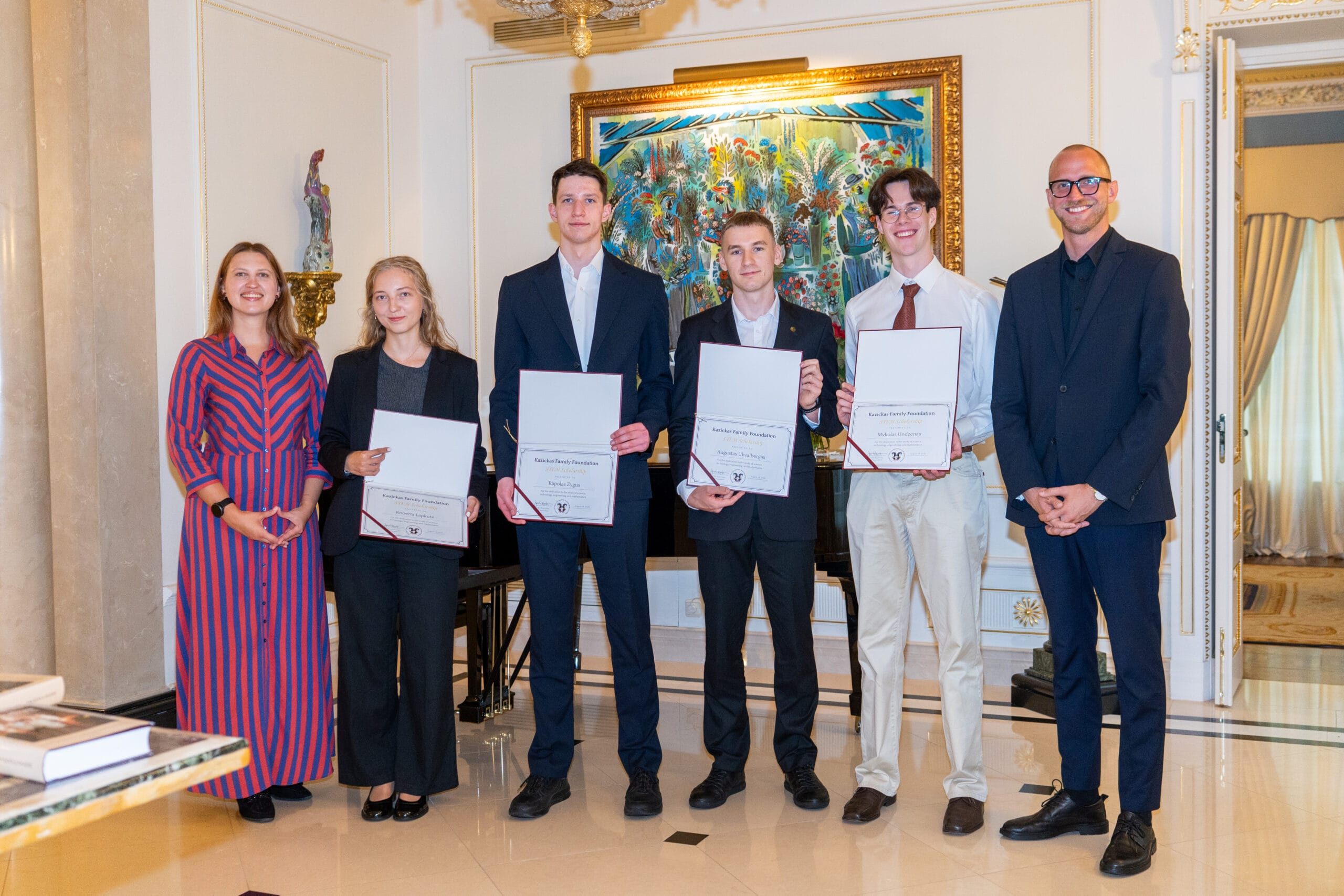
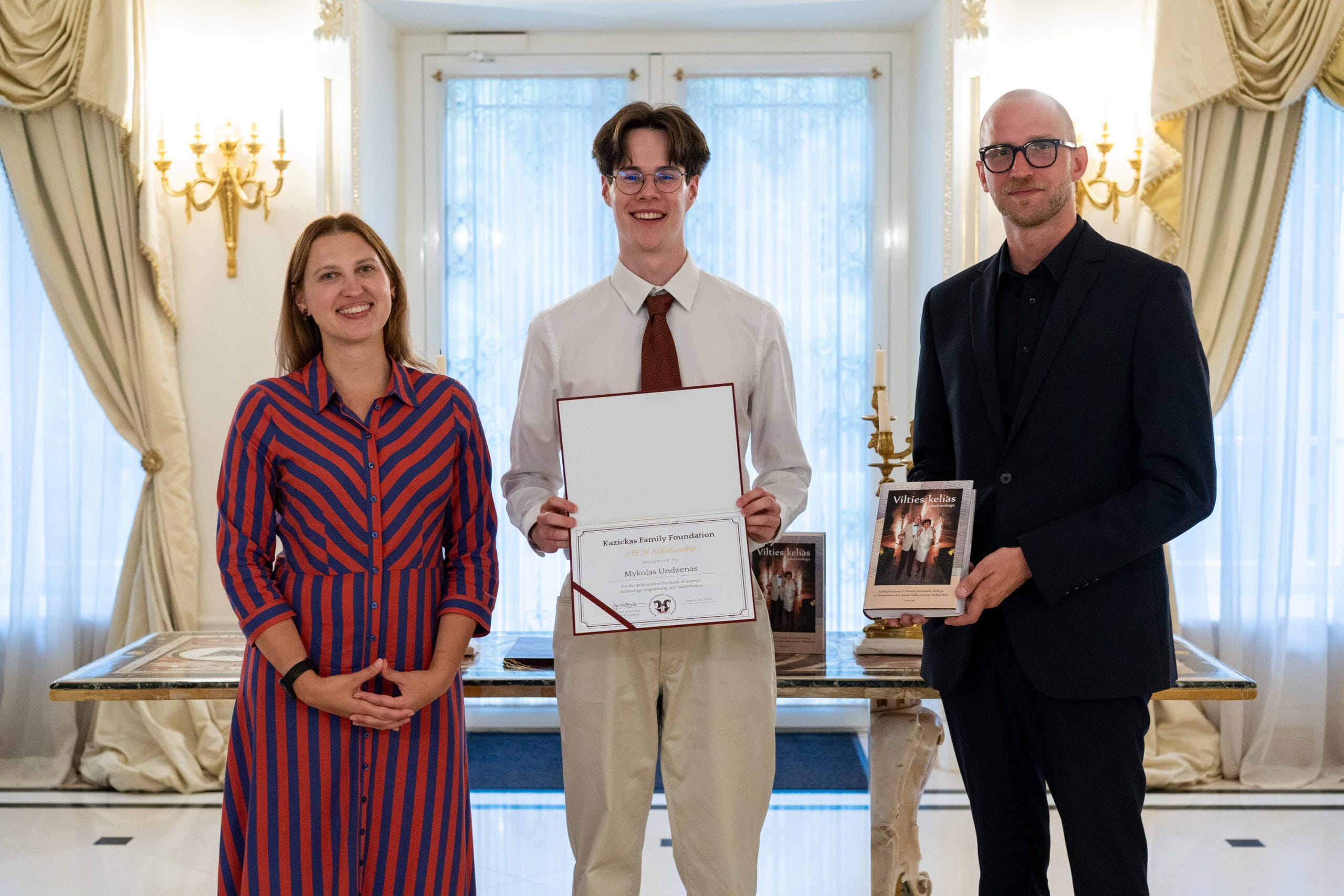
KFF STEM Scholarship Program: Call for Applications

KFF STEM Scholarship Program: Call for Applications

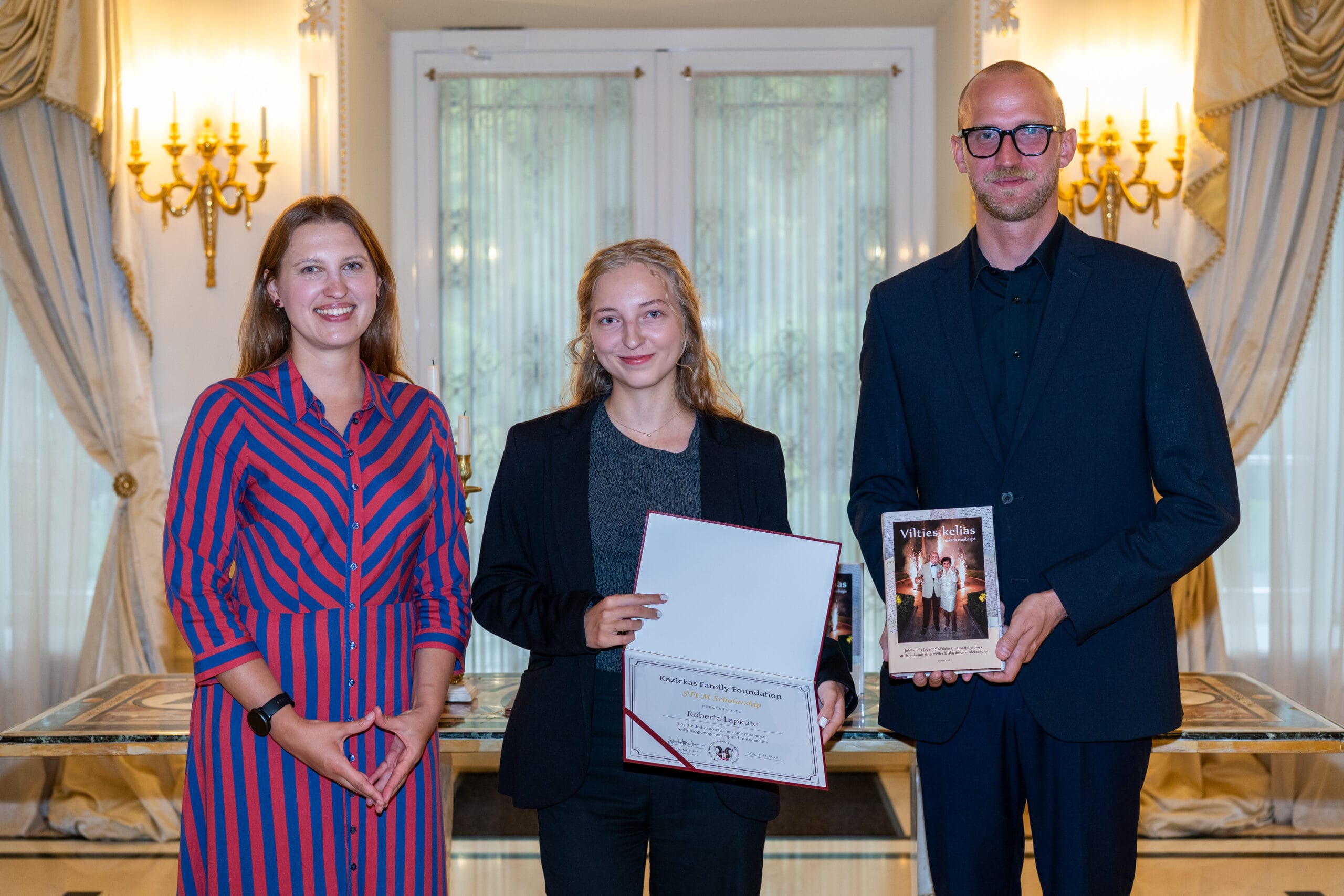
The Kazickas Family Foundation is announcing the call for applications for the STEM Scholarship Program.

Successful applicants will receive a grant up to 10,000 euros to cover tuition fees, living expenses, and other related costs during their studies. The total scholarship fund in this program amounts to 50,000 euros.

The program’s goals are to:

  • support talented Lithuanian citizens who have been already accepted into accredited undergraduate or graduate programs in the fields of Science, Technology, Engineering, and Mathematics (STEM) abroad;
  • empower them to contribute to the advancement of their homeland upon completion of their studies.

Required Documents

  • Application Form: download here.
  • Proof of acceptance or enrollment: Documentation confirming that the applicant has been accepted or is enrolled in an accredited undergraduate or graduate program in STEM subjects abroad.
  • Academic transcripts: Official transcripts from all previous educational institutions attended, demonstrating the applicant’s academic achievements and qualifications.
  • Curriculum Vitae.
  • 2 recommendation letters (1 academic, 1 personal).
  • If applicable, any documents confirming other sources of financial support secured.
  • If applicable, any documents detailing honors, awards or other extraordinary accomplishments.

Submission Instructions

Please submit your completed application form in English, along with the required supporting documents (listed above), to ltoffice@kff.lt. The deadline for submissions is May 30th, 2026.

For any inquiries or further information, please contact ltoffice@kff.lt. Thank you for your interest in our scholarship program. We look forward to reviewing your application.

2025 STEM Scholarship Recipients’ Feedback

“My first laboratory experience, and meeting students who were already studying, quickly lured me into choosing molecular biology. This scholarship is the reason I was able to pursue the career path I wanted – and for a young and ambitious woman, that means everything. Four years of work during my bachelor’s gave me everything I needed, both good grades and plenty of laboratory experience, so I became one of the seven international students in a class of fifty.”

Miglė Šarpilo, KFF STEM Scholarship Recipient 2025, Master’s in Biotechnology, University of Copenhagen, Denmark

“I have been passionate about chemistry since I was 15 years old, when my teacher gave me the idea to participate in the national olympiad. From then on, I understood how fascinating this science is and how it can be used to understand the world around us. I believe that the reason I was able to stand out from the other candidates and be selected to this prestigious institution was the 4 years I spent participating in olympiads, going to laboratories and deepening my knowledge.”

Pijus Tamošiūnas, KFF STEM Scholarship Recipient 2025, Master’s in Chemistry, University of Oxford, United Kingdom

KFF STEM Scholarship Program: Call for Applications Read More »
Call for Applications: The Drs. Vaclovas and Stefanija Čepukėnas Scholarship

Call for Applications: The Drs. Vaclovas and Stefanija Čepukėnas Scholarship

The Drs. Vaclovas and Stefanija Čepukėnas Scholarship for Vytautas Magnus University students is now open for applications.

The aim of the scholarship is to promote the French language and Francophone culture by enabling the most active students to deepen their learning and study it further, as well as to promote and spread it in society.

The scholarship was established at Vytautas Magnus University on the initiative of Neila Baumilienė, an alumna of the university and Executive Director of the New York Office of the Kazickas Family Foundation, with its support. It honors the memory of Dr. Vaclovas and Dr. Stefanija Čepukėnas, whose daughters, Rasa and Milda, also contribute financially.

If you are passionate about the French language and culture, active in civic, social, community or artistic activities, we encourage you to seize this opportunity!

The Scholarship amount is €4,000, applications are accepted until March 31, 2026.

Learn more about the eligibility criteria and apply now here.

Call for Applications: The Drs. Vaclovas and Stefanija Čepukėnas Scholarship Read More »
Dr. J. P. Kazickas Student Programming Competition – 30 Years of Collaboration with Kaunas University of Technology

Dr. J. P. Kazickas Student Programming Competition – 30 Years of Collaboration with Kaunas University of Technology

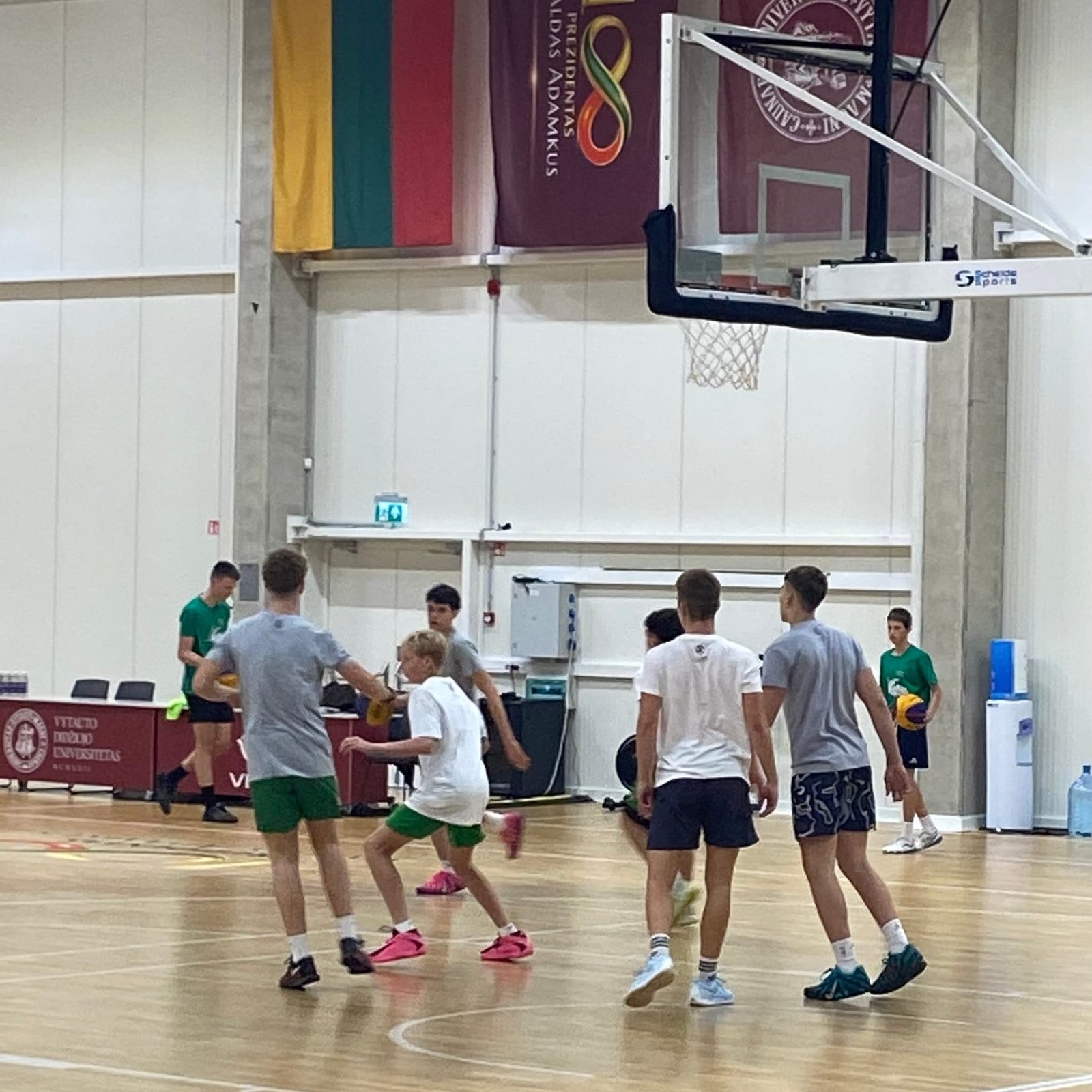
On February 28, the Dr. Joseph Peter Kazickas Student Programming Competition for students in grades 6–12 took place at the Faculty of Informatics at Kaunas University of Technology. 

Representatives of the Kazickas Family Foundation attended the event to support the participants, while the Foundation’s Executive Director in Lithuania, Domantė Howes, welcomed the students and presented awards to the competition winners and their teachers. Each year, the initiative is supported by the business community. This year, prizes for the winners were funded by Festo, Hostinger, Helmes, Coherent Solutions, KAYAK Lithuania, Accenture Lithuania, and Singletonas. For the first time, monetary prizes for the first-place winners of the regional rounds were also established by the philanthropic Devbridge Foundation.

Since 1997, the Faculty of Informatics at Kaunas University of Technology has organized the Dr. Joseph Peter Kazickas Student Programming Competition for students in grades 6 12. Each year, the event takes place in two stages: the first is organized remotely in regional school computer classrooms, while the second stage a programming forum and in-person gathering is held at KTU, where students solve tasks in the university’s computer labs.

Over the past three decades, this initiative has grown into a national event contributing to the development of young people’s technological skills across Lithuania, especially in more remote regions and smaller towns. Initially held only in Kaunas, the competition is now also organized in Vilnius and the regions of Aukštaitija, Dzūkija, Suvalkija, and Žemaitija. The initiative continues the vision of J. P. Kazickas to create equal opportunities for talented students from every corner of Lithuania.

Dr. J. P. Kazickas Student Programming Competition – 30 Years of Collaboration with Kaunas University of Technology Read More »
Call for applications for the Literacy Award in Memory of Petras Butenas and Alexandra Kazickas

Call for Applications for the Literacy Award in Memory of Petras Butenas and Alexandra Kazickas

Call for applications of the qualifying individuals for the Literacy Award in Memory of the linguist P. Butenas and his student A. Kazickas.

The award is presented for extraordinary work and accomplishments in the Lithuanian language field. It was established by the Kazickas Family Foundation and Lithuanian Language Society in memory of a linguist, anthropologist, interpreter, and teacher Petras Butenas and his student and Lithuanian language and culture patron Alexandra Kalvenas-Kazickas in 2018.

To participate, please submit all required documents to lkdraugija@gmail.com until May 1, 2026.

More information in Lithuanian: https://www.flf.vu.lt/bendros-naujienos/kazicku-seimos-fondo-petro-buteno-premija  

Call for applications for the Literacy Award in Memory of Petras Butenas and Alexandra Kazickas Read More »
MO Muziejus

MO Museum and Kazickas Family Foundation

MO Museum and the Kazickas Family Foundation

Since 2020, the Kazickas Family Foundation has been proud to partner with MO museum in Vilnius to support educational programs for socially underprivileged children and youth from remote areas of Lithuania.

With KFF’s support, children and young people aged 5–18 are gaining meaningful access to culture and education.

MO Muziejus

In 2025 alone, the initiative reached nearly 1,200 participants — including youth from rural regions, Ukrainian refugees, members of the Lithuanian Roma community, young people with special needs.

Together, we delivered 29 regional educational sessions, 24 programs at MO Museum in Vilnius, and gifted almost 240 KFF-branded museum tickets for independent visits.

This initiative reflects our shared commitment to social inclusion, education, and youth empowerment through culture. We deeply appreciate MO Museum’s dedication to its donors and partners – from their annual donor event, where impact and achievements are thoughtfully shared, to their many innovative initiatives that strengthen community connections.

Strong partnerships create meaningful impact. We are grateful for MO Museum’s warm, multi-level collaboration and their continued commitment to making culture more accessible and inclusive for all.

MO Museum and Kazickas Family Foundation Read More »
Kazickas Family Foundation Annual Report 2025

Kazickas Family Foundation Annual Report 2025

KFF 2025 Annual Activity Report brings together last year’s results, key milestones, and plans for the future.

In 2025, the foundation continued to strengthen its role as a philanthropic leader, fostering civic-mindedness and social engagement in Lithuania and beyond. KFF focused on community building, deeper support for grantees, increased visibility, and the expansion of international partnerships.

Throughout the year, KFF invested $906,000 in philanthropic initiatives, supporting 114 organizations and projects: 60 in the United States, 51 in Lithuania, and one each in Zimbabwe and France. Funding included $830,254 for long-standing partners and $75,746 for new grantees, alongside expanded capacity-building, skills development, and advisory support.

KFF also reinforced its leadership in philanthropy through public engagement and recognition. The Foundation received the AmCham Lithuania Oscar for visionary philanthropy and strengthening Lithuania–US ties. KFF leaders shared insights on strategic, family-led philanthropy through discussions with partners, participation in podcasts, and events hosted with Sorainen. In addition, the Executive Director of KFF in NYC Neila Baumilienė was awarded the Knight’s Cross of the Order for Merits to Lithuania for her leadership and service.

These activities reflect KFF’s continued commitment to inspiring civic engagement, strengthening communities, and advancing strategic philanthropy across borders.

Read more about our impact, key milestones, and future plans in the KFF 2025 Annual Report: https://kazickasfamilyfoundation.lt/kff-documents/

Kazickas Family Foundation Annual Report 2025 Read More »
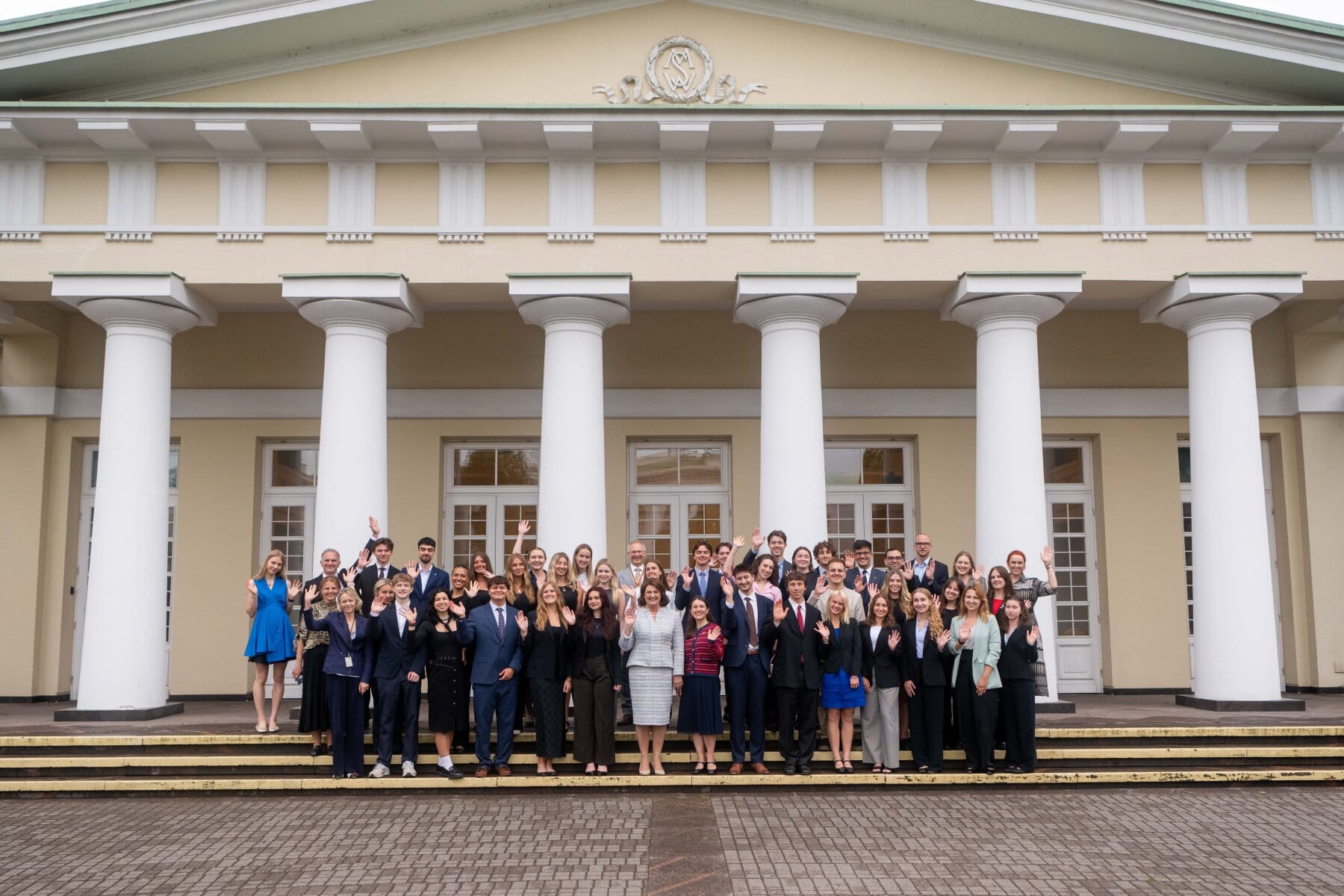
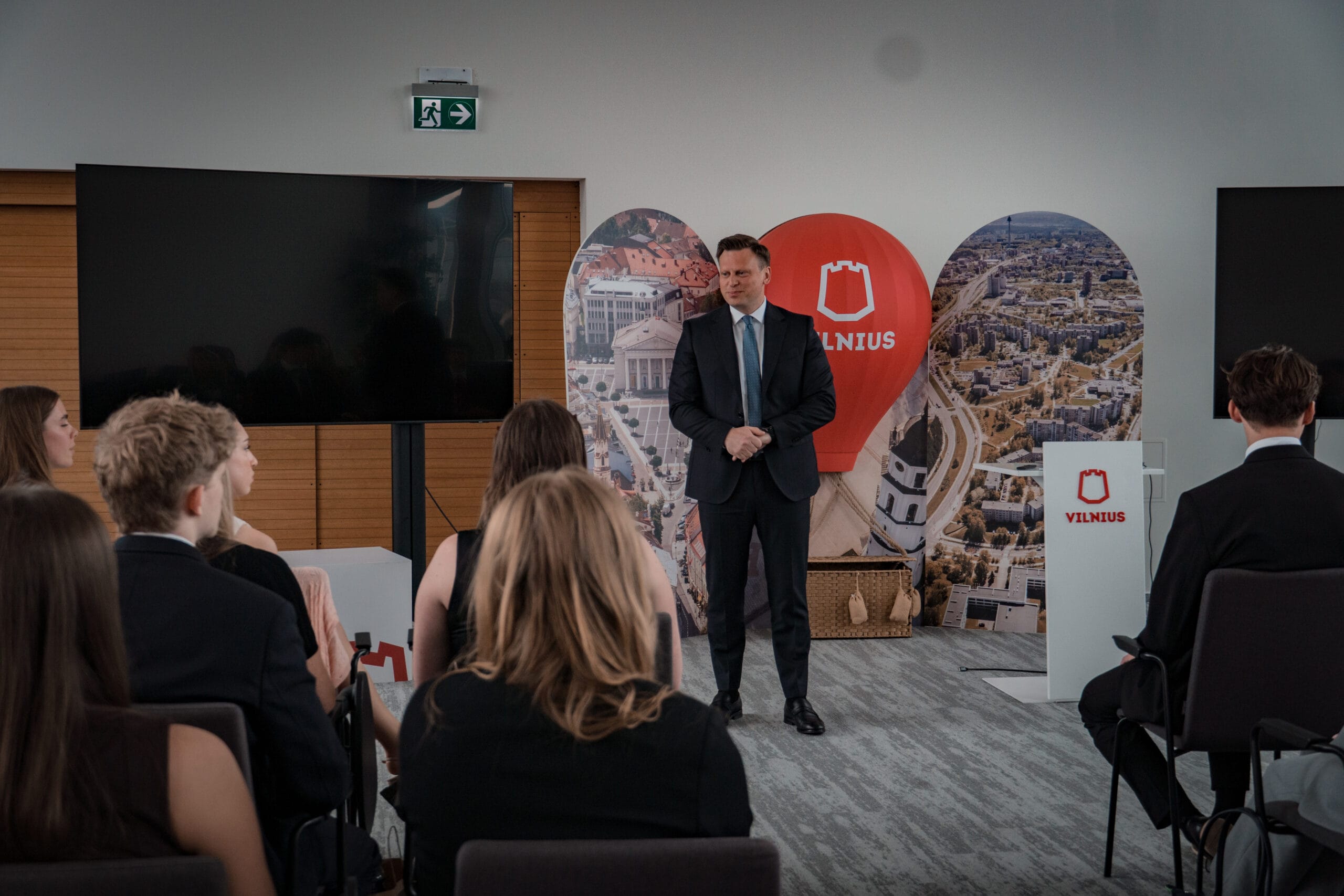
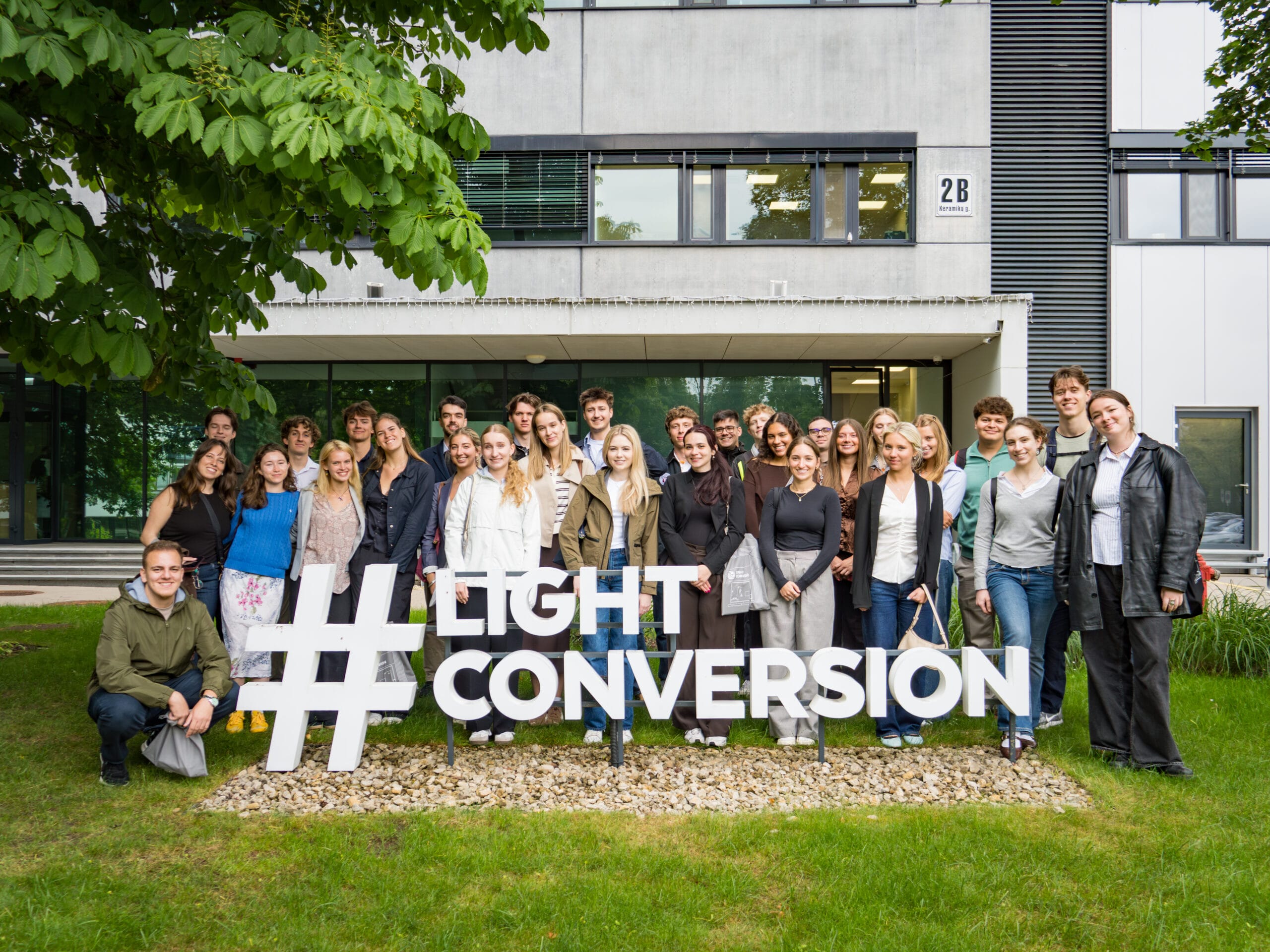
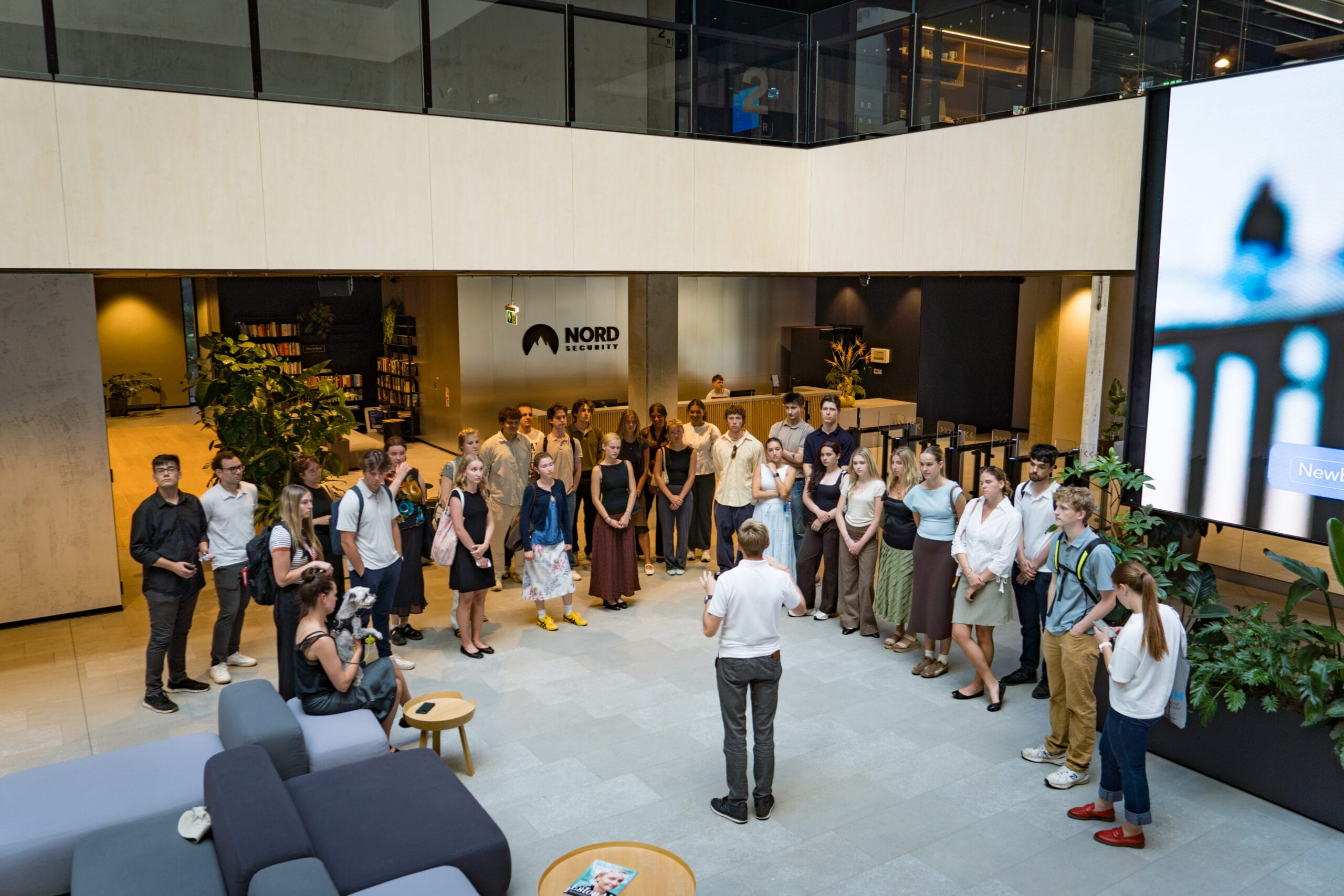
Lithuanian diaspora young professionals from around the world are invited to register for Bring Together Lithuania 2026 - the early-career and modern Lithuania discovery program “NEXUS.”

Start your career in Lithuania with “NEXUS by Bring Together Lithuania

Start your career in Lithuania with "NEXUS powered by Bring Together Lithuania"

Lithuanian diaspora young professionals from around the world are invited to register for Bring Together Lithuania 2026 – the early-career and modern Lithuania discovery program “NEXUS.”

Lithuanian diaspora young professionals from around the world are invited to register for Bring Together Lithuania 2026 - the early-career and modern Lithuania discovery program “NEXUS.”

Initiated and sponsored by the Kazickas Family Foundation, and supported by the Lithuanian Foundation, the Ministry of the Economy and Innovation, and the Ministry of Foreign Affairs, this program for the first time invites Lithuanian diaspora professionals to begin their careers in Lithuania and experience contemporary Lithuania firsthand.  “Nexus. Powered by Bring Together Lithuania” is designed for young diaspora professionals, offering the opportunity to live and work in Lithuania for one year, develop professional competencies, build meaningful connections, and become an active part of the country’s economic and civic life.

“NEXUS” is a bridge between the world and Lithuania, connecting talent, ideas, and future opportunities. The program is intended for young, highly educated diaspora professionals seeking to establish themselves in the Lithuanian labor market. Beyond helping participants find meaningful, skills-aligned employment, NEXUS provides comprehensive integration support-from administrative matters to cultural adaptation. It is a community that empowers young people to help build Lithuania while building their own lives in Lithuania.

One of the program’s greatest strengths is its focused and strategic work with a clearly defined target group-young people from the Lithuanian diaspora. The Bring Together Lithuania team is among the few organizations in Lithuania that consistently and intensively work with Lithuanian youth living abroad, helping them discover professional opportunities in Lithuania, successfully enter the job market, and become active members of society. Most importantly, participants receive holistic integration support from day one.

“NEXUS” is more than a job or the start of a career. It is a conscious, long-term effort to build a bridge between today’s Lithuania and a global future.

Would you like to become part of a community of leaders in Lithuania and begin your career journey in the country of your heritage?

Apply to the “NEXUS” program by March 31. The program begins on September 1, offering you the opportunity to start building your career in Lithuania.

Program dates: September 1, 2026 – September 1, 2027
Application deadline: March 31, 2026 www.bringtogether.lt


For more information, please contact Bring Together Lithuania team via email labas@bringtogether.lt

Start your career in Lithuania with “NEXUS by Bring Together Lithuania Read More »
Kazickas Family’s Visit to Lithuania: Strengthening Partnerships and Understanding Social Needs

Kazickas Family’s Visit to Lithuania: Strengthening Partnerships and Understanding Social Needs

In January, members of the Kazickas family – Jurate, John, Lucy, Peter and Aluna visited Lithuania to meet with partners, institutions, and communities connected to the Foundation’s grantee work and programs.

The purpose of these visits is to engage directly with organizations and institutions operating in Foundation’s priority areas – gain insight into their needs and challenges, as well as acknowledge achievements together with the communities involved.

Meetings were held with Donatas Nagumanovas from Caritas Alternative Youth Center Caritas Alternative Youth Center, psychologists working in the fields of eating disorder treatment and suicide prevention, and representatives of the Lithuanian Red Cross to discuss civil preparedness. Time was also dedicated to education-focused partners, including Kaunas University of Technology and socio-emotional learning program Think Equal. Meetings also took place with socially responsible business leaders to discuss the evolving role of philanthropy in Lithuanian society. The Lithuanian Ambassador to Ukraine Inga Tolockiene paid a visit to share updates on the current situation in Ukraine.

The family participated in several events to network and share insights at panel discussions on family values, philanthropy and the role of AI in children’s education, including the ASSIST program reception, the Philanthropic Foundations Breakfast, the Youth Can annual reception, and the Uncommon LT 5-year anniversary. 

These visits reaffirm the importance of direct engagement in understanding social realities. They provide context for future decisions, strengthen partnerships, and help ensure that the Foundation’s support remains responsive to evolving Lithuania’s needs. KFF appreciates all organizations and individuals who shared their work and perspectives openly.

Kazickas Family’s Visit to Lithuania: Strengthening Partnerships and Understanding Social Needs Read More »
Educate, Not Ban: A Discussion at the Uncommon LT Anniversary  

Educate, Not Ban: A Discussion at the Uncommon LT Anniversary

Artificial intelligence (AI) is increasingly becoming part of children’s everyday lives, while at the same time uncertainty among adults is growing – how to explain these technologies, how to limit them, and how to turn them into an educational tool rather than the shortest path to ready-made answers.

This topic received significant attention at the celebration of Uncommon LT’s fifth anniversary, during a discussion titled “How to Raise Children in the Age of Artificial Intelligence?” held in Vilnius at the Kazickas family residence. The event brought together more than 50 participants – parents, representatives of educational and non-governmental organizations, as well as technology-interested members and partners of the Uncommon LT community.

The discussion was moderated by political content creator Domantas Katelė. Participants included Uncommon LT founder Peter Kazickas; the hosts of the show “Du bitai”—Jonas Lekevičius, one of the founders of the Lithuanian Artificial Intelligence Association, and Lukas Keraitis, an IT educator and content creator; as well as Laura Daniusevičiūtė-Brazaitė, an associate professor at the Faculty of Social Sciences, Humanities, and Arts of Kaunas University of Technology.

AI has very quickly become part of children’s daily routines, yet clear principles for its use within families and educational settings remain confusing – from helping with learning or generating ideas to the temptation to “do homework” with just a few clicks. Today, the most important question for parents is not how to ban AI, but how to help children use it in ways that contribute to the development of critical thinking, independence, and self-confidence.

A key issue emerged during the discussion: the main risk does not stem from the technology itself, but from how adults use and regulate it. The idea was voiced that AI is increasingly shaping attention, behavior, and even values, which makes critical thinking for children not only an academic skill, but also an essential counterbalance in a rapidly changing information environment.


Why was this topic chosen for the Uncommon LT anniversary discussion?


The idea for the discussion arose from a practical need that the Uncommon LT team constantly encounters while working with parents, teachers, and training participants. In these situations, two opposing positions often become apparent – either a complete ban on technology or total passivity, leaving children to deal with it on their own.

Instead of extremes, the discussion emphasized the need for a more balanced approach – one based on understanding, practical skills, and a community where it is possible to openly talk about the rapidly changing technological environment and the importance of critical thinking.

This approach is directly linked to Uncommon LT’s mission: to provide inclusive, experience – and evidence-based education that develops both technical and social skills and strengthens self-confidence. Although technologies are changing extremely fast, the discussion highlighted that the human ability to learn, think critically, and create meaningful solutions remains a fundamental component.


The Role of Parents in the Age of Artificial Intelligence


The participants agreed that the first steps begin at home – with clear agreements, open conversations with children, and the ability to critically evaluate information together.

It is important not to look for quick answers, but to encourage the learning process itself: asking questions, doubting, and understanding how technologies influence everyday decisions.

When talking about artificial intelligence and children, the discussion stressed that the key issue is not the technologies themselves, but their impact. Unlike previous tools, AI not only provides information but also selects and structures it, often offering a single “best” answer.

This poses challenges for education and for the role of parents—how to raise independently thinking children in an environment where answers are available instantly and attention is increasingly shaped by algorithms. In the Lithuanian context, critical thinking takes on an even broader meaning—it is understood not only as part of education, but also as an important civic competence.

Therefore, the discussion emphasized that the question is not whether children should use artificial intelligence, but how to set boundaries and ensure that technology supports learning without replacing the thinking process itself.

About Uncommon LT

Uncommon LT is a practical education program focused on technology, artificial intelligence, and soft skills, designed for people of different ages who seek to strengthen their competencies in a rapidly changing world. The program is run by a two-person team—program director Ieva Klungytė and project manager Matas Meškauskas. Its activities are based on experiential learning, support for individual growth, and structured training modules covering both technical and social skill development. The Kazickas Family Foundation initiated and is the main supporter of the program.

By working with young people, adults, and seniors, the Uncommon LT team aims to help participants acquire practical skills, strengthen self-confidence, and better navigate the future labor market. The organization’s goal is to contribute to the growth of a technologically literate and resilient society, ensuring that AI tools are understandable and accessible to everyone, and that learning translates into real opportunities.

Educate, Not Ban: A Discussion at the Uncommon LT Anniversary   Read More »