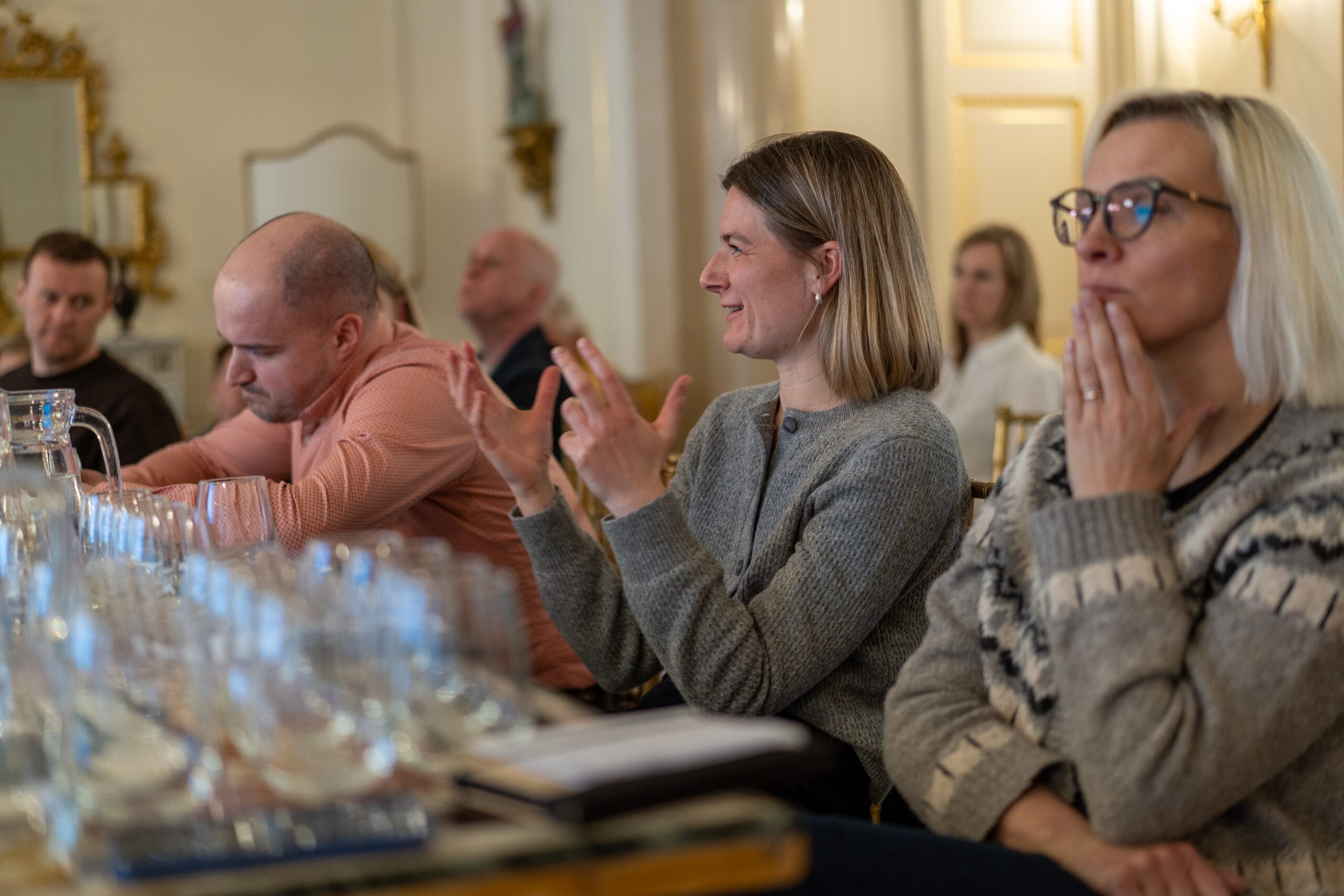
Are we doing what we say we are doing? – Why impact measurement is essential in the NGO sector
Non-governmental organizations address important social issues on a daily basis, yet it is not always clear what real impact their activities create, how this can be measured, and whether they are capable of doing it themselves.
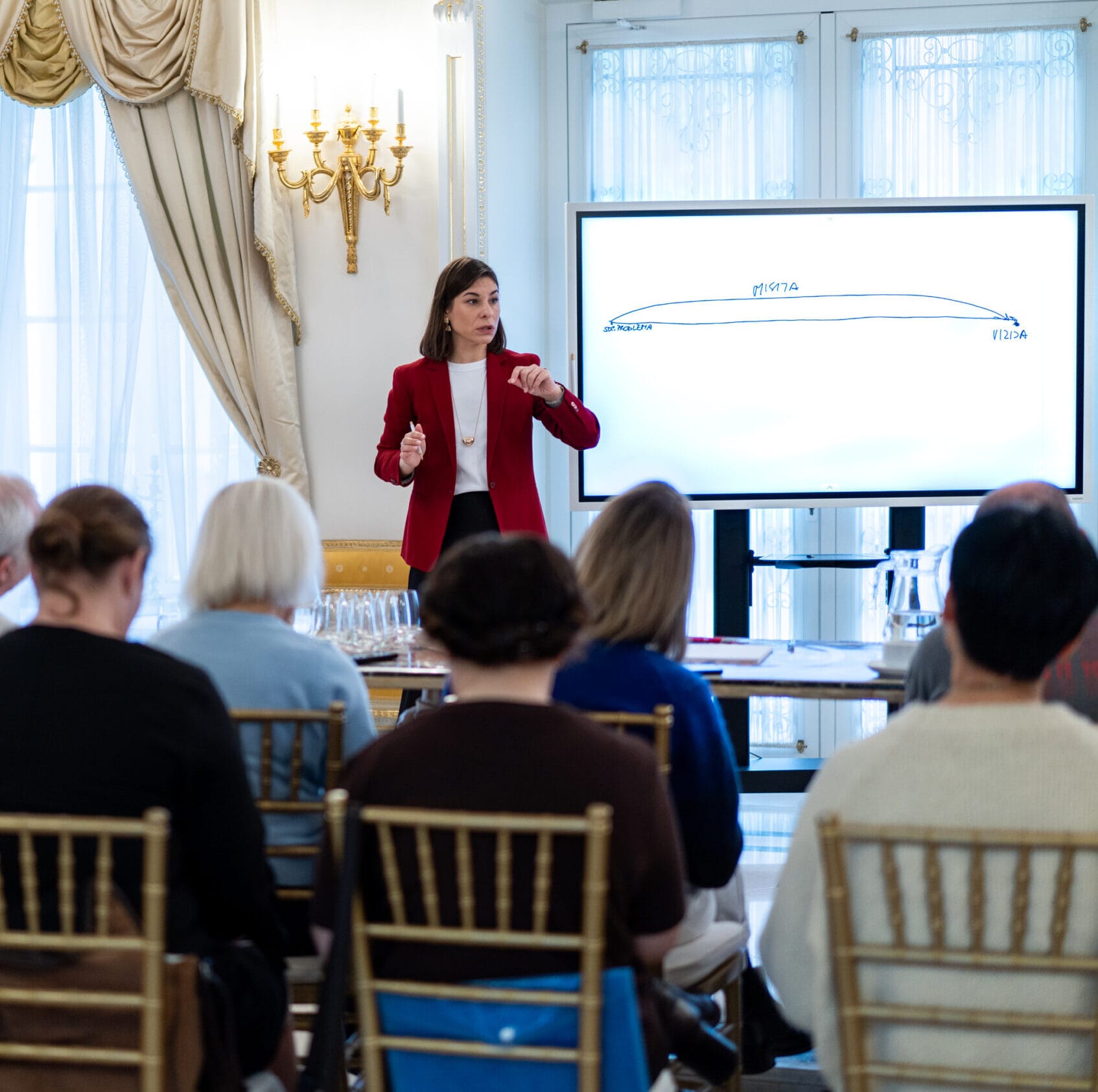
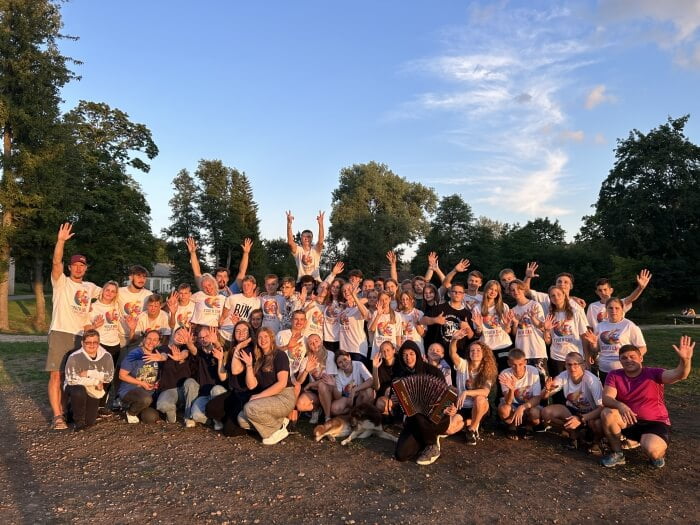
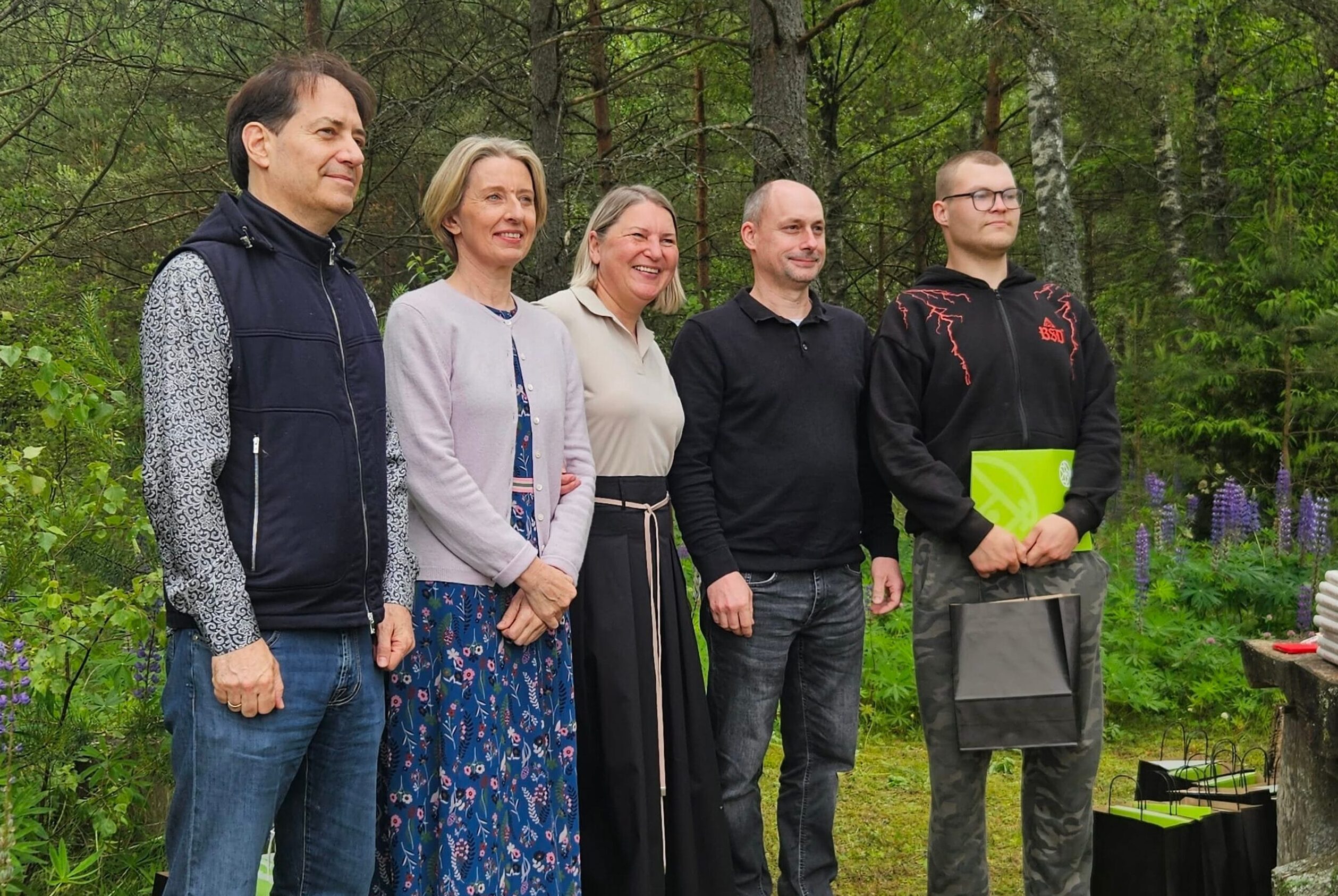
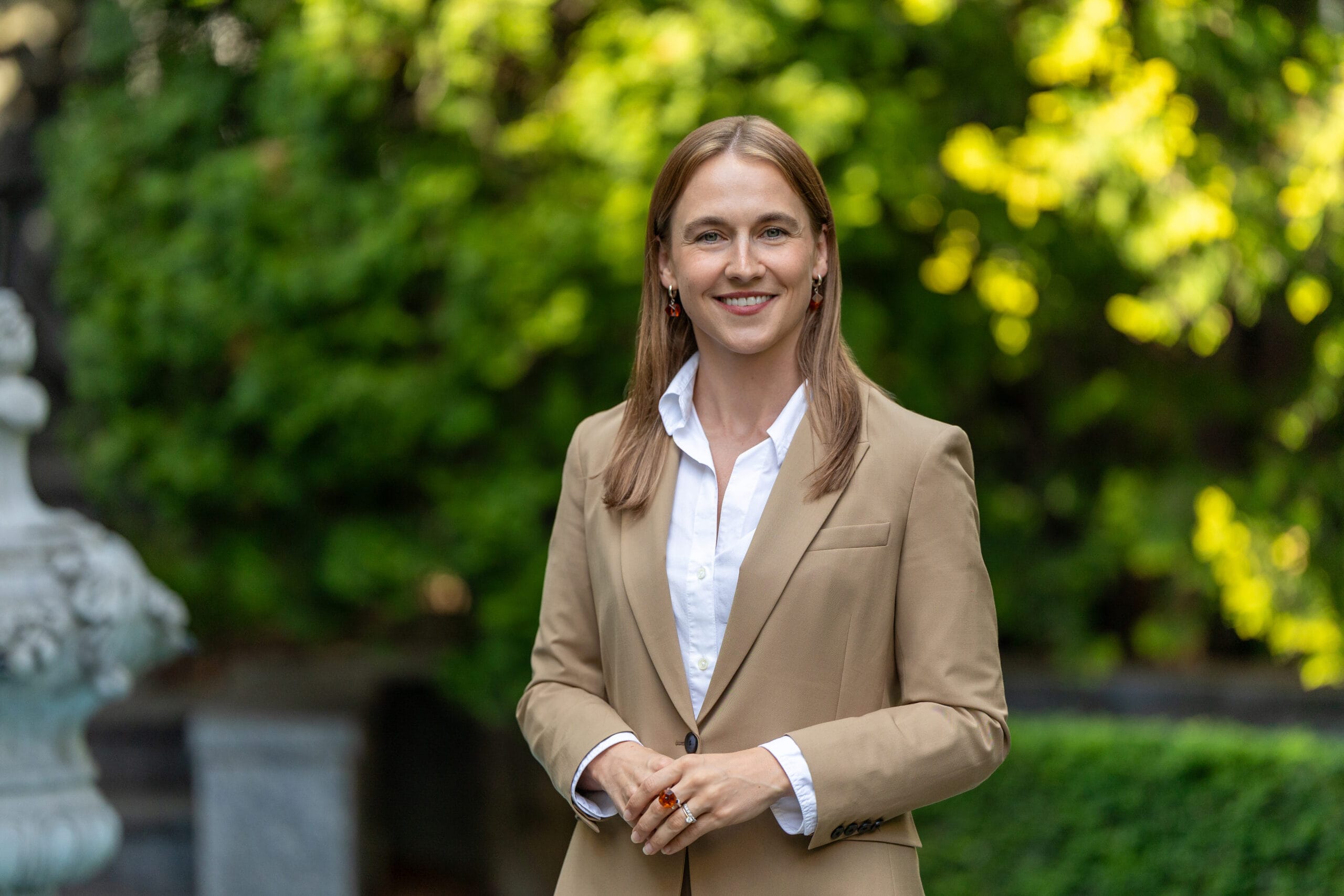
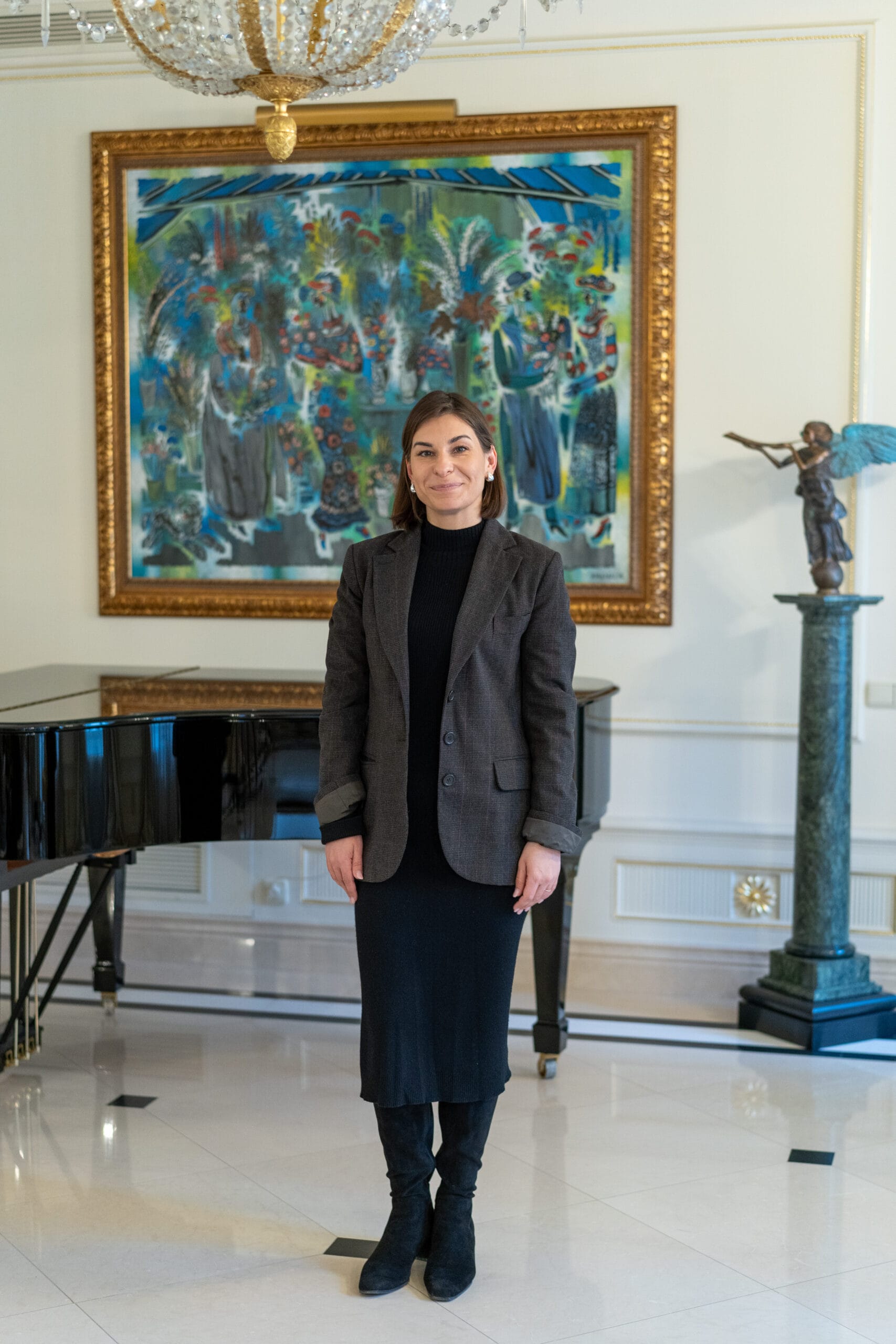
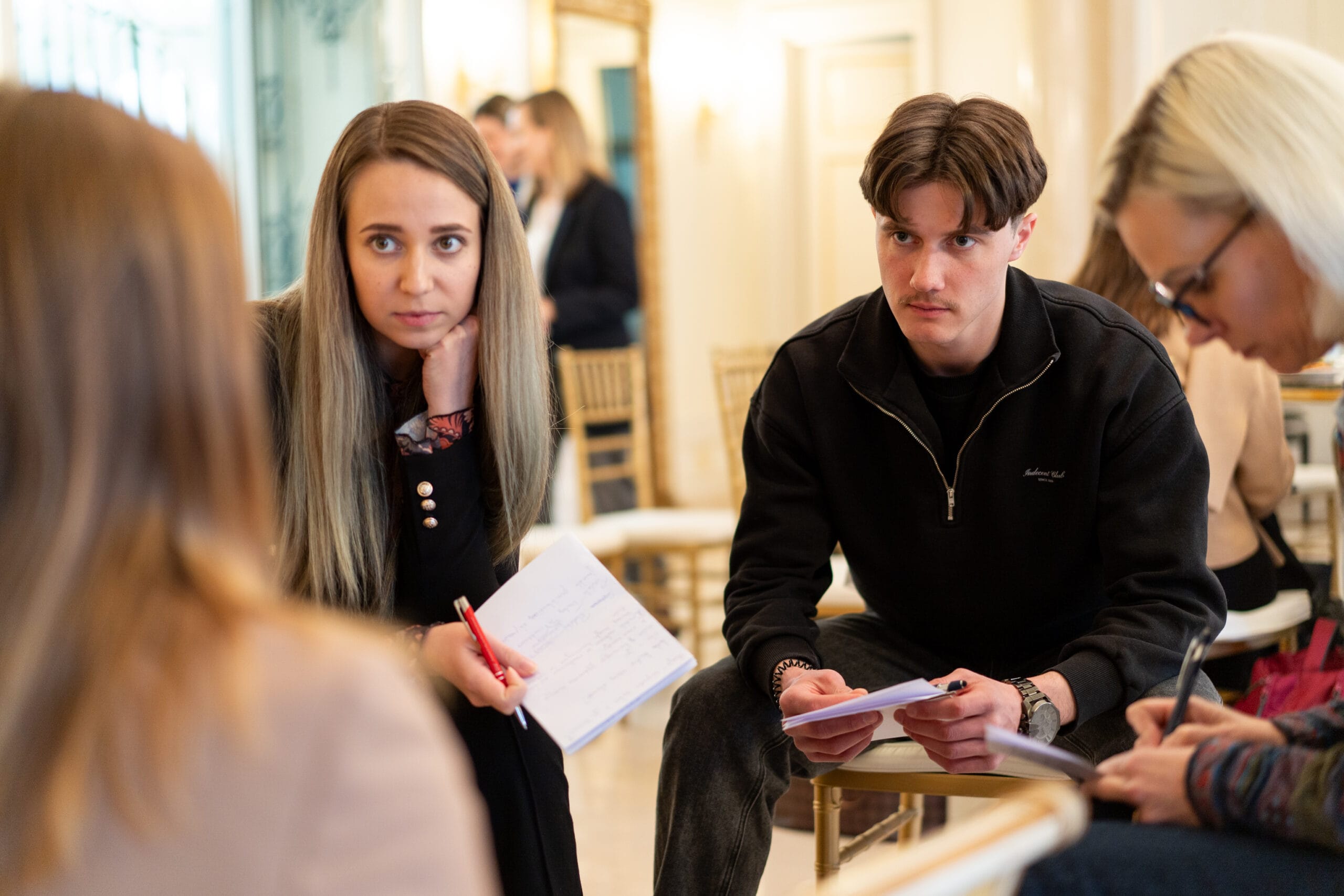
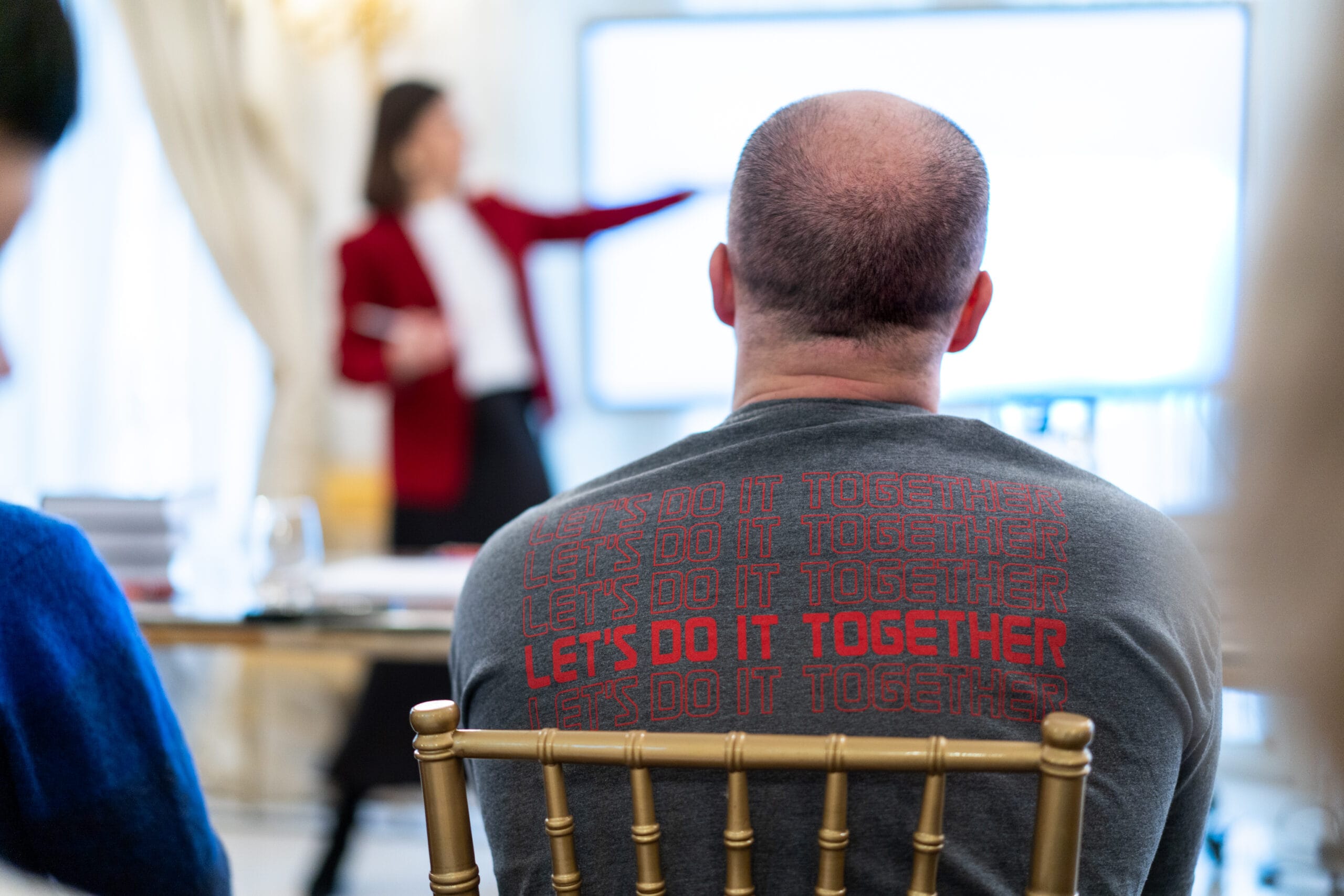
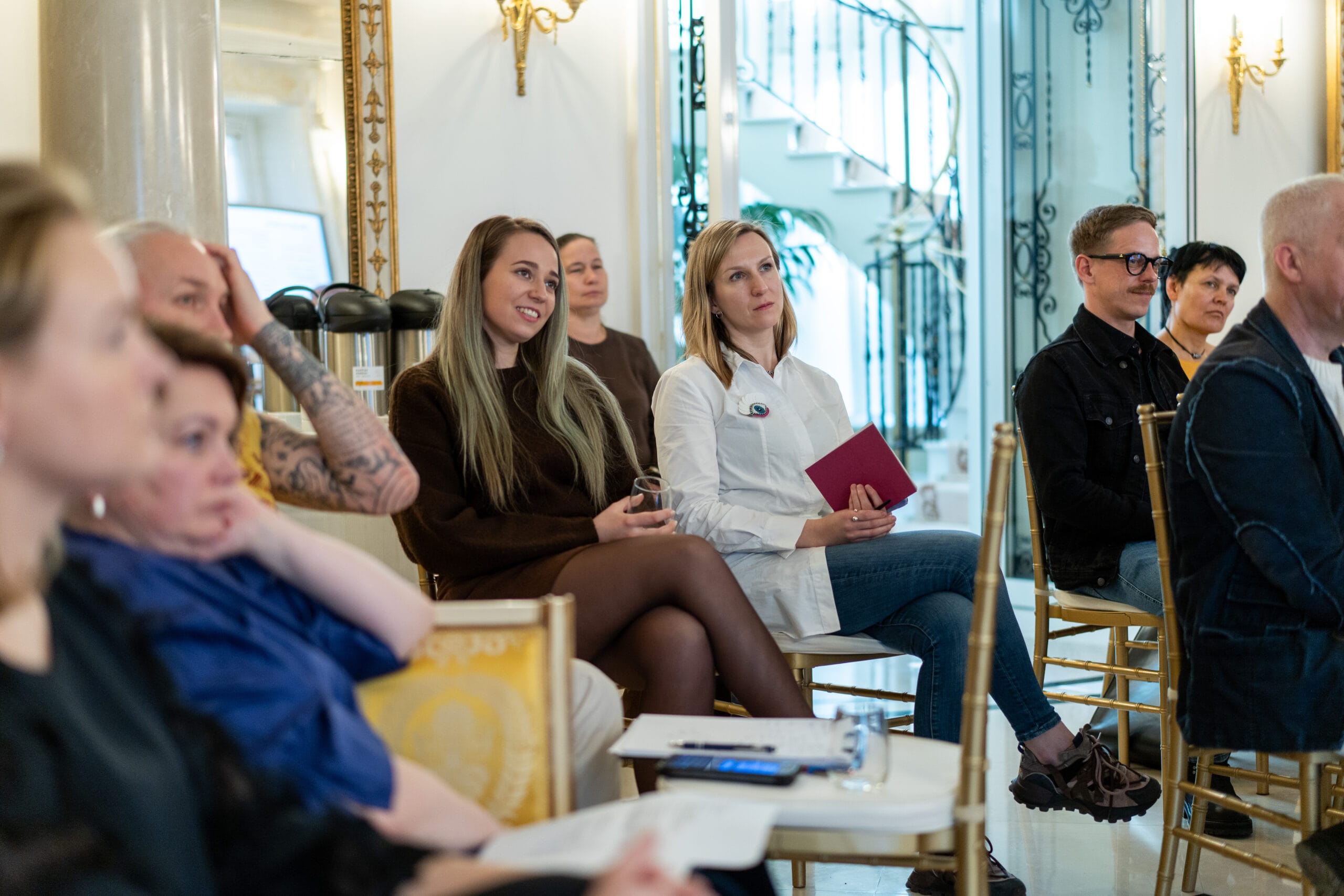
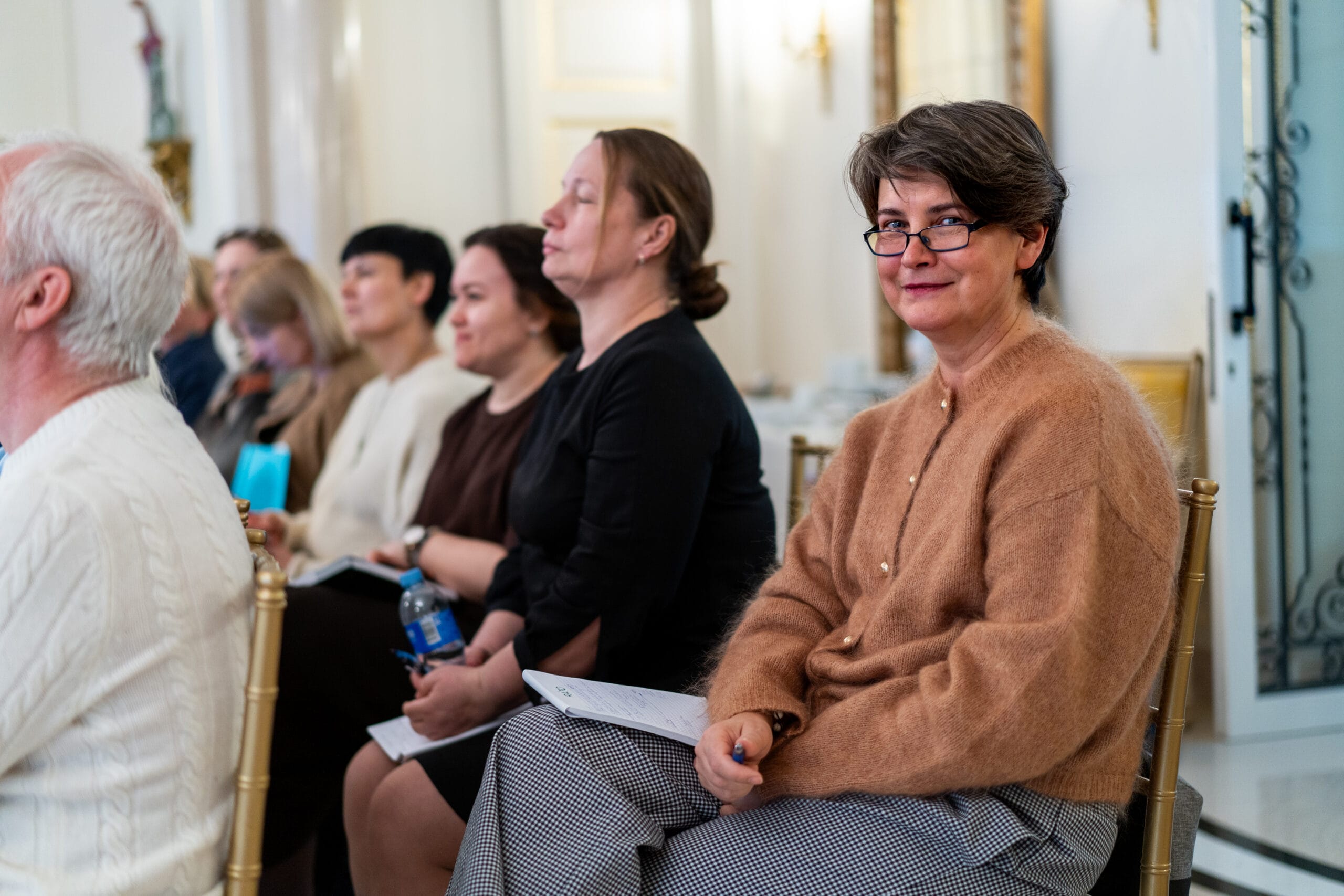
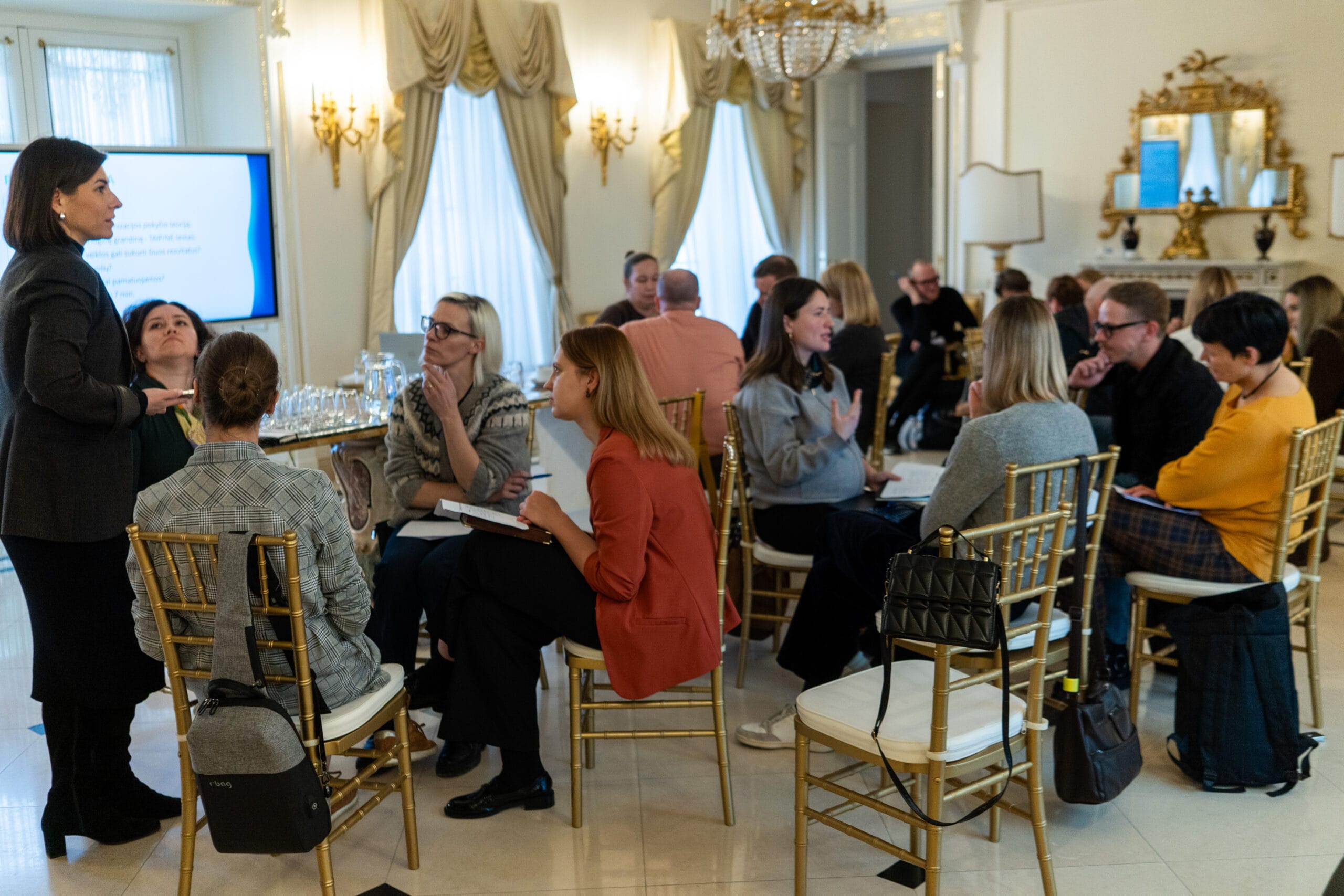
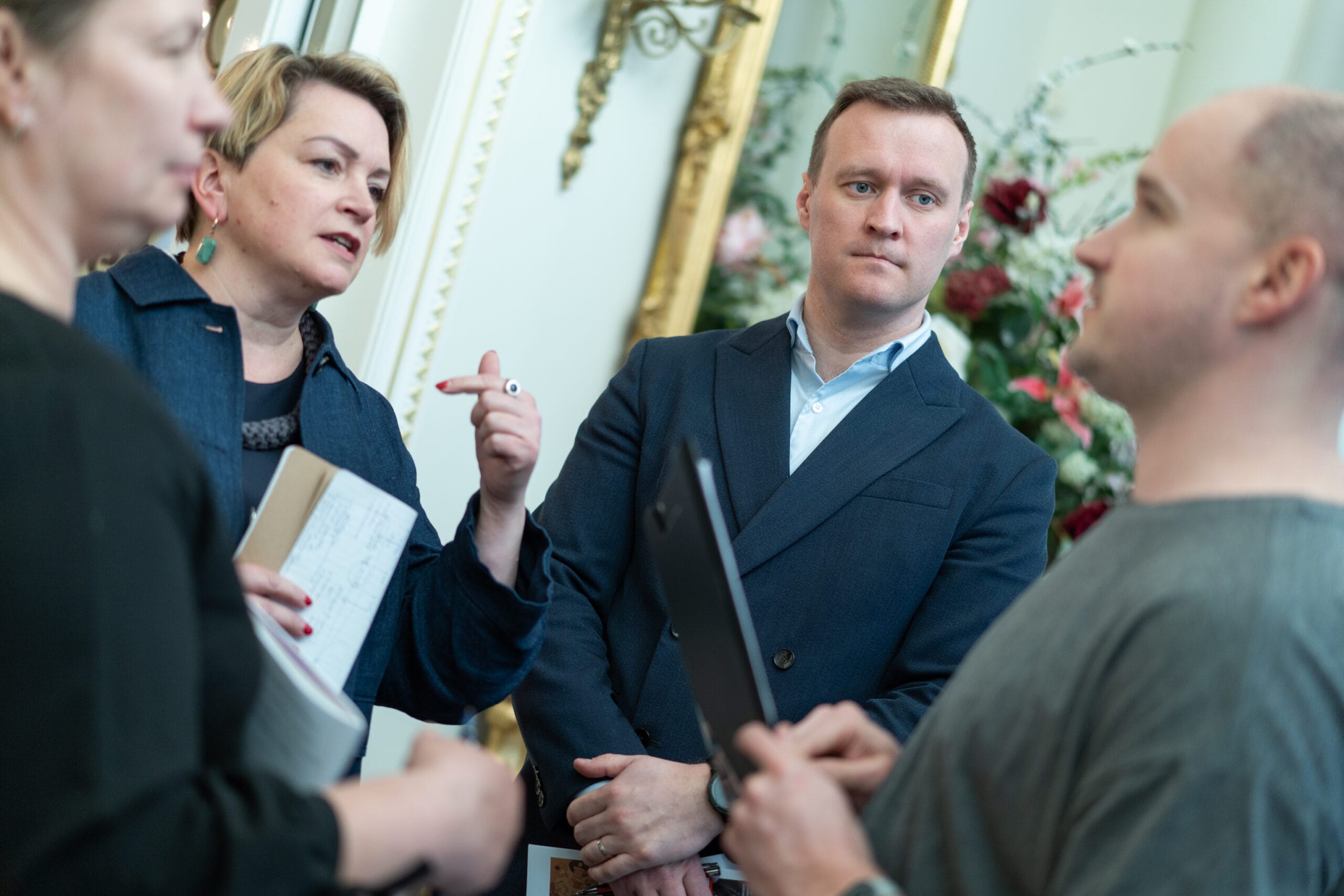
Giedrė Šopaitė, an NGO consultant and founder of the “Baltic Fundraising Hub”, who lectured at training sessions organized at the initiative of the Kazickas Family Foundation and bringing together 20 non-governmental organizations working in the fields of social inclusion, youth empowerment, and education, believes that measuring NGO impact is not only necessary but also not complicated. She is echoed by Domantė Howes, the Foundation’s Executive Director in Lithuania, whose organization has for several years been investing not only in financial support but also in strengthening the competencies of its partners: “This is a strategic investment by the Foundation that over time translates into value: more sustainable organizations, greater trust, and a stronger non-governmental sector.”
Measuring impact – simpler than it seems
According to G. Šopaitė, impact measurement may sound complex, but in essence it is quite straightforward. “It is the ability to answer, for ourselves and for others, a simple question: are we doing what we say we are doing? NGOs often take on specific social challenges, applying solutions that the public sector cannot implement and that are not viable for business. But the real question is – does what we do actually work?” she says.
“This is where impact measurement begins – it allows us not only to intuitively feel that we are doing good work, but also to have clear evidence that we are moving towards our mission.” She also highlights some of the most common mistakes. “The biggest mistake is overcomplicating impact measurement. Activities, outputs and impact are not connected through a clear logic, overly complex or expensive tools are chosen, and eventually the system becomes so complicated that it is simply abandoned – like an ‘Excel monster’ that lives for two weeks and quietly dies.”
In her view, getting started can be very simple – by selecting one or two indicators and using measurement tools that can be easily applied in day-to-day work. “Effective impact measurement is not about complex systems – it is about clarity and discipline,” says the NGO consultant and founder of the “Baltic Fundraising Hub”.
G. Šopaitė also places particular emphasis on distinguishing between outputs and impact. According to her, outputs are the immediate effects of activities, visible relatively quickly – for example, when participants gain new knowledge or skills after training. Impact, by contrast, is a long-term change that becomes evident over time, often after a year or two, when those same individuals begin to change their behaviour or environment. “To put simply, outputs show what happened immediately, while impact shows what actually changed,” she concludes.
Changing lives – but is it communicated clearly?
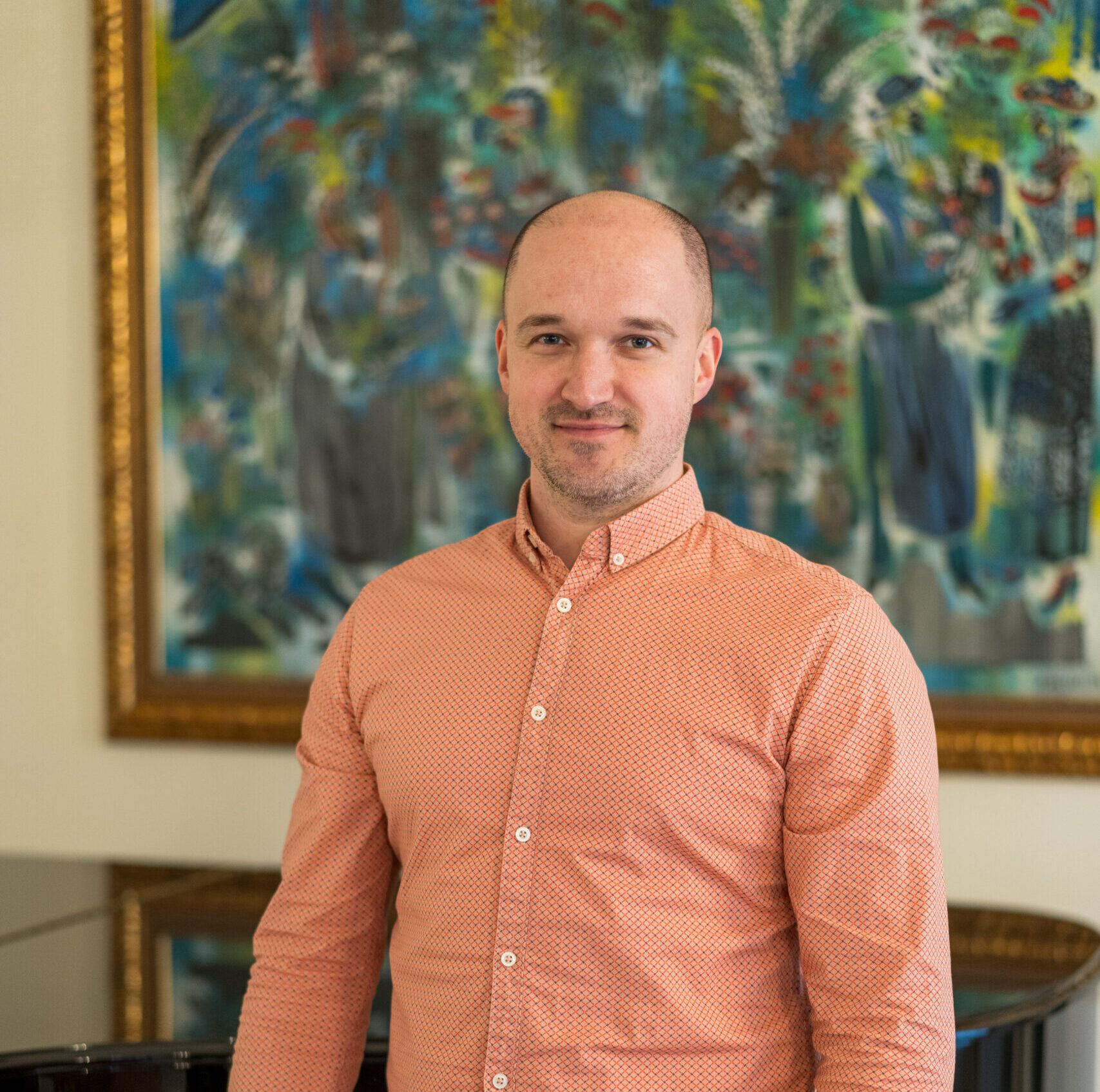
Impact measurement is particularly relevant for organisations seeking not only to deliver activities but also to create lasting value. Donatas Nagumanovas, head of the Alternative Learning Centre for Youth at Vilnius Archdiocesan Caritas, which works with young people experiencing social exclusion, says the training reshaped his perspective.
“I came to the training with the challenge of understanding how to measure impact. In my daily work, I no longer question the meaning of what we do – we know we are changing young people’s lives. But I also often feel an expectation from donors to communicate more clearly what exactly we are changing and what makes us unique,” he says.
According to him, NGOs are used to speaking in project terminology, using concepts such as “empowerment”, “integration” or “exclusion”. While meaningful, these terms are not always fully clear to the wider public. “The workshop gave us an opportunity to step away from our usual communication habits and reflect on how our work might sound to a broader audience,” he adds.
D. Nagumanovas notes that practical exercises helped bring clarity. “After the first session, I returned to work and shared insights with my colleagues. My newly formulated mission sparked interesting discussions and strong support,” he says.
An investment that pays off
Impact measurement matters not only for organisations themselves, but also for their partners and donors. Domantė Howes highlights that the issue is strategically important for the Foundation. “We never want to act for the sake of action alone – we aim to ensure that what we do creates real value and meaning,” she says.
According to D. Howes, the Foundation deliberately invests in strengthening the capacities of its partners. “Three years ago, we set a clear goal: to be not only providers of financial support, but also partners contributing to organisational growth. One year we focused on how to present our work effectively, another on fundraising, and this year we are focusing on how to measure impact,” she explains.
Such initiatives are far from accidental. D. Howes also underlines the responsibility to communicate value clearly. “It is important to understand that such training is not ‘free’. We believe in the organisations we support, but today belief alone is not enough – results must be clearly demonstrated and substantiated,” she says.
This applies to the Foundation itself as well. “As a philanthropic organisation operating for nearly three decades, it is crucial for us to understand the value we create. Behind our work are thousands of young people who have gained access to educational opportunities, tens of thousands who have experienced world-class music, and millions invested in Lithuania. So when I hear that too little is known about our impact, I take it personally – because the impact is real and significant, and it is our responsibility to communicate it more clearly.”
As expectations for transparency and accountability continue to grow, impact measurement is becoming not a choice but a necessity. It is not only a tool for convincing donors, but also a way for organisations to better understand their work, grow more strategically, and create meaningful change. Ultimately, as G. Šopaitė puts it, it all begins with a simple but fundamental question: are we truly doing what we say we are doing?
The article was published on the 15min.lt website in April 2026 (in Lithuanian).