Uncategorized

More Than 70% of KFF Support to Youth, Education, and Diaspora Engagement

More Than 70% of KFF Support to Youth, Education, and Diaspora Engagement

In 2025, more than 70% of the Kazickas Family Foundation’s support was directed toward youth empowerment, education, and diaspora engagement. We also supported social welfare initiatives, mental and emotional health programs, as well as arts and culture projects.

Why these areas?

Our mission is to strengthen Lithuania for present and future generations by consistently investing in people – their growth, leadership, and real opportunities to create meaningful change within their communities and across the country.

Education opens doors. Young people turn opportunities into action. Strong communities create a safer and more inclusive society. The diaspora helps maintain a living connection with Lithuania around the world. Arts and culture strengthen our identity, creativity, and shared values.

These areas are not separate directions – they form an interconnected whole that strengthens people from different but complementary angles.

That is why in 2026 we continue this direction – consistently supporting education, youth development, social welfare, diaspora, and cultural initiatives that create not short-term impact, but long-term value for Lithuania and its people.

More Than 70% of KFF Support to Youth, Education, and Diaspora Engagement Read More »

Baltic Fundraising Summit 2026

Baltic Fundraising Summit 2026

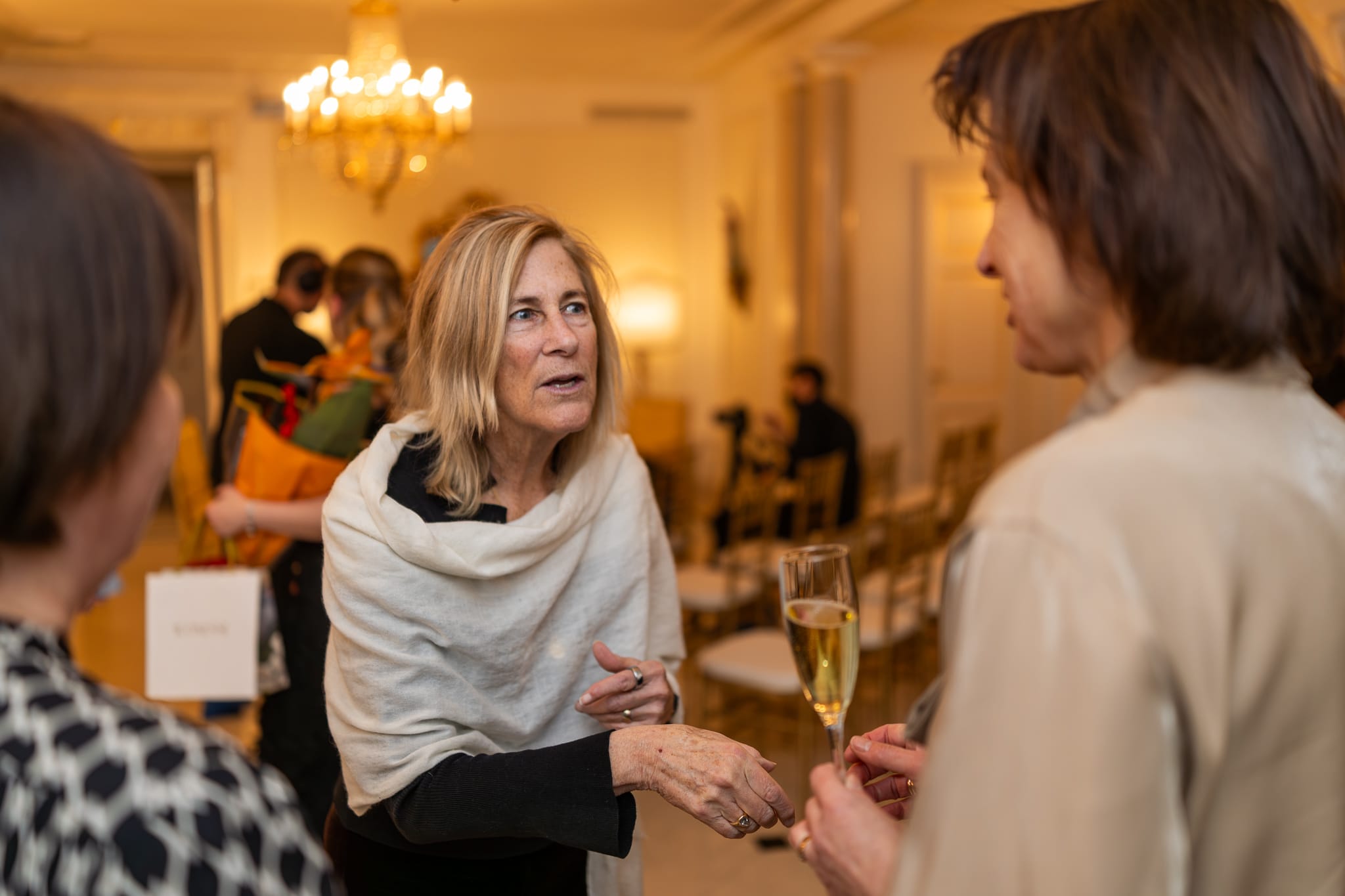
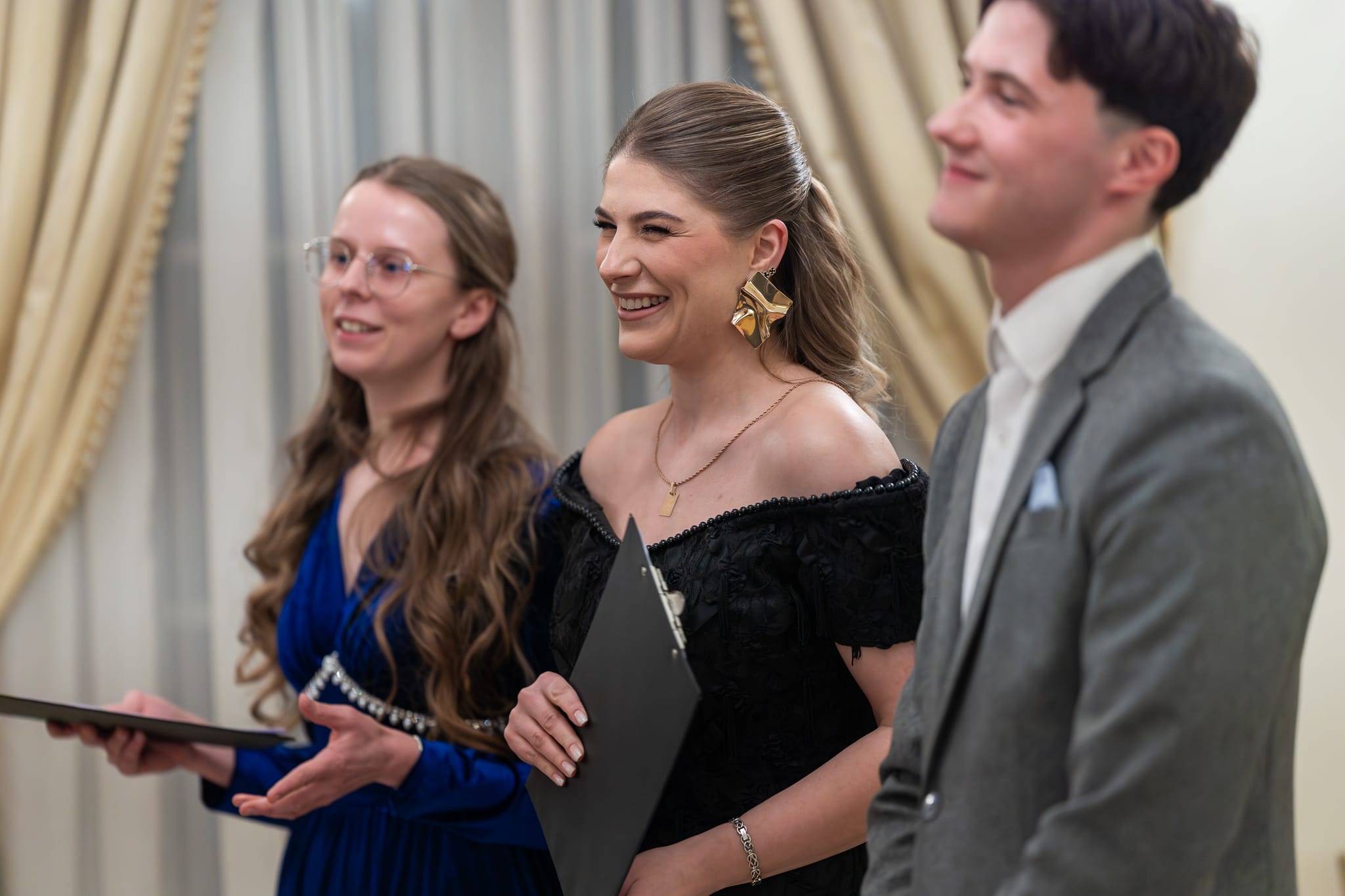
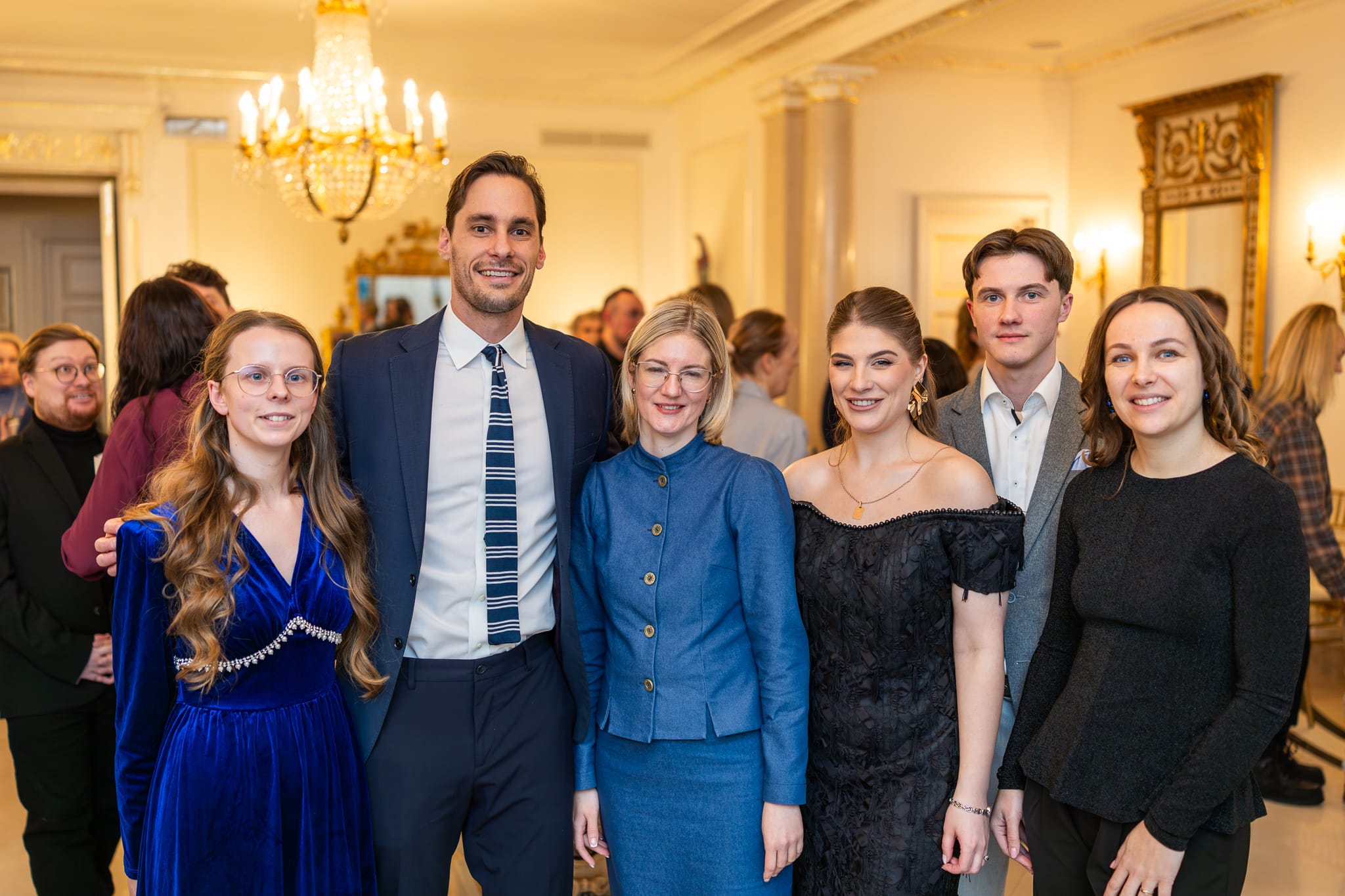
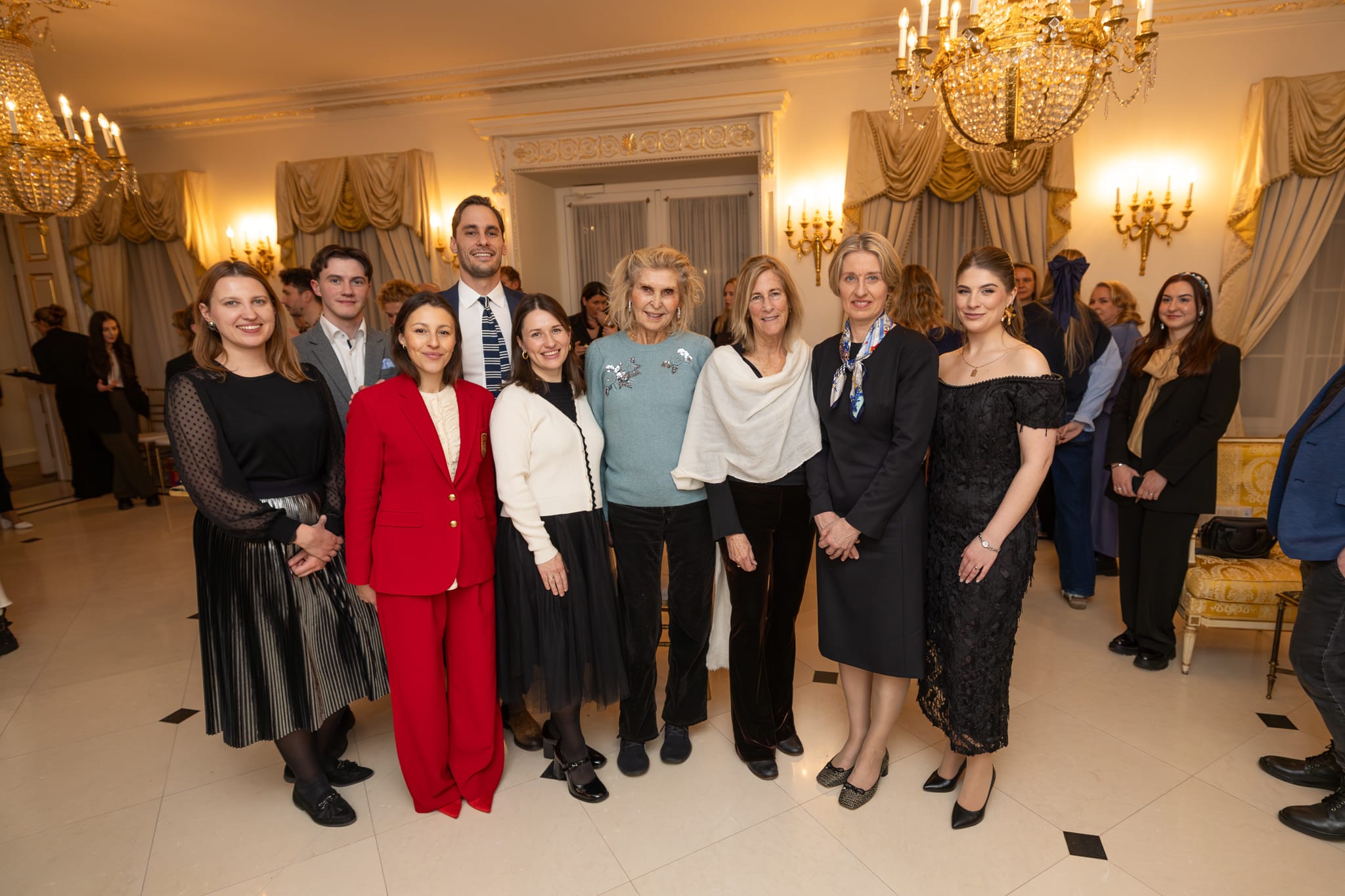
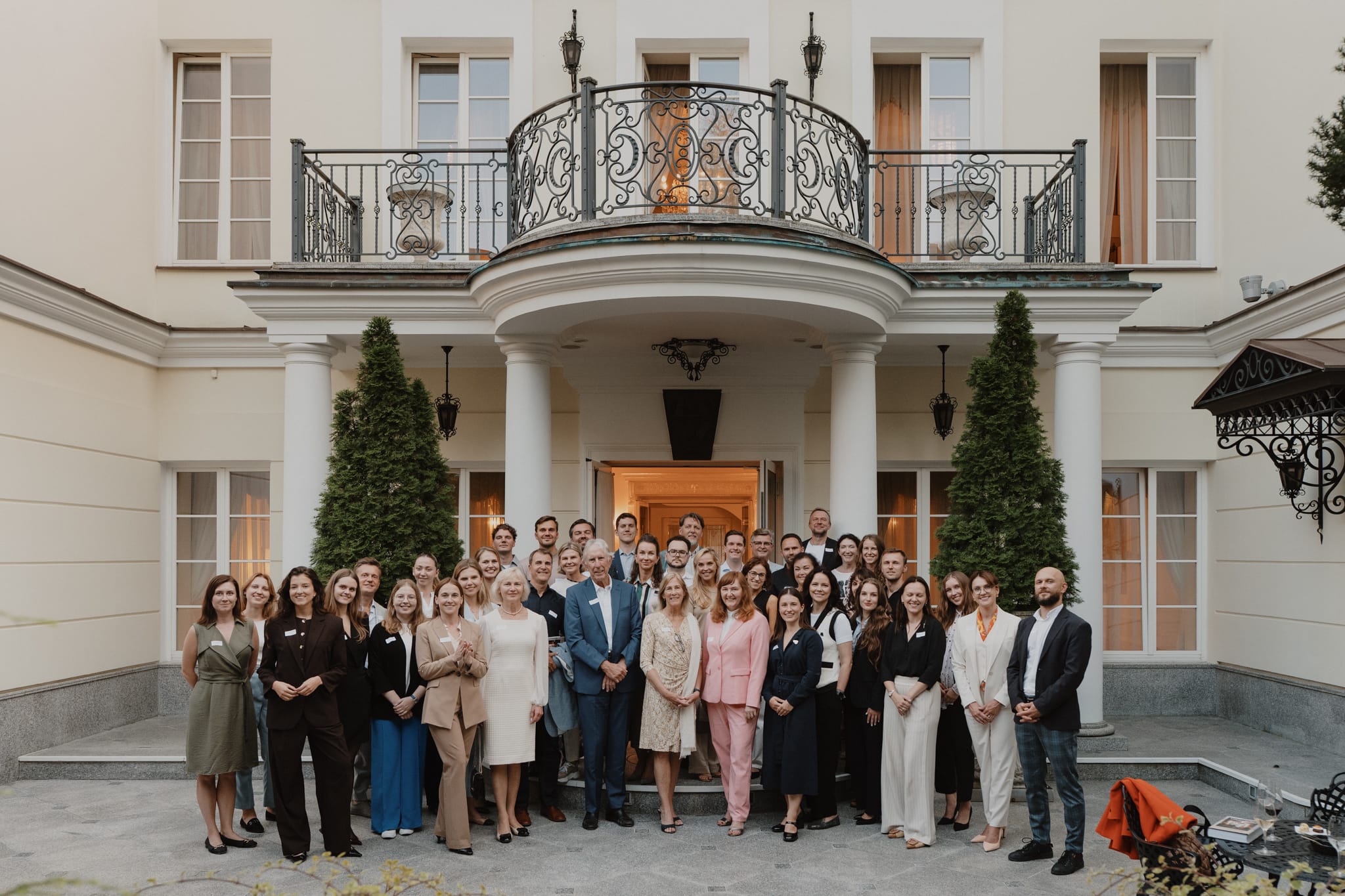
Sharing moments from Fundraising Summit 2026 – the largest event in Lithuania dedicated to NGO growth, bringing together more than 200 specialists from across the sector. For the third year, the Kazickas Family Foundation has contributed to the conference by gifting tickets to its grantees.

Photos by Jonas Šopa

This year, 20 representatives from supported organizations were given the opportunity to attend the event. The conference placed strong emphasis on practical insights into fundraising trends, communication principles, and experience sharing.

A valuable collaboration with Baltic Fundraising Hub – the event organizers and leaders in the field. They consistently raise the standards of professionalism and dignity among Lithuanian non-governmental organizations and help strengthen their competencies.

KFF believes in the importance of long-term organizational growth. By providing platforms for learning, networking, and sharing best practices, we aim to ensure that our grantees have the tools they need to grow and create meaningful change.

Baltic Fundraising Summit 2026 Read More »

“Youth Can” has completed its 12th season

"Youth Can" has completed its 12th season

The life skills development program for youth in regional Lithuania engaged almost 200 young people from 11 towns, with activities held twice a week throughout the year. Participants took part in a variety of challenges – from entrepreneurship initiatives to organizing unconventional sports events and activities promoting mindful movement.

On May 9, the season closing event in Kaunas brought participants and KFF administration together to compete in 10 challenges, where they demonstrated physical endurance, logical thinking, creativity, and teamwork.

In 2014, KFF initiated the program with the aim of using physical activity as a tool to strengthen life skills among young people in regional areas. Youth education and empowerment remain one of the Foundation’s priority areas of support.

Photos by Kamilė Kaveckaitė

“Youth Can” has completed its 12th season Read More »

How to Act in a Crisis: The Kazickas Family Foundation Organized a Practical Training Series for Partner Organizations

How to Act in a Crisis: The Kazickas Family Foundation Organized a Practical Training Series for Partner Organizations

How would you respond if you received an emergency alert? Public surveys show that only 2 out of 10 people know the basic steps to take in such situations. In today’s context of growing security threats, preparedness and resilience are becoming increasingly important across all sectors. Knowing how to respond in emergencies is not only useful — it is essential, as it reduces fear, builds confidence, and contributes to a more resilient society.

Kazickų šeimos fondui svarbu padėti partnerėms organizacijoms stiprinti organizacinį pasirengimą ir padėti suprasti savo vaidmenį platesniame nacionalinio saugumo kontekste. Todėl Fondas šį pavasarį organizavo pilietinio pasirengimo mokymų ciklą, skirtą savo partnerių organizacijų atstovams. Į mokymus susirinko daugiau nei 20 organizacijų, dirbančių su jaunimu, vaikais ir kitomis pažeidžiamomis visuomenės grupėmis, Lietuvos miestuose ir regionuose. 

Balandžio 24 d. kartu su LR Krašto apsaugos ministerija organizuotuose Pasirengimo pilietiniam pasipriešinimui kursuose dalyvavo 40 partnerių atstovų. Didelis dėmesys skirtas praktiniam pasirengimui. Dalyviai mokėsi susidėti išvykimo krepšį, įsivertinti, kokie daiktai būtini pirmosioms 72 valandoms, naudotis turniketu stipraus kraujavimo atveju, taip pat planuoti veiksmus netikėtų situacijų metu ir aiškiau suprasti savo vaidmenį tiek asmens, tiek organizacijos lygmeniu. Kursų lektorius dalijosi patirtimi iš Ukrainos, pabrėždamas, kad pasirengimas nėra apie baimę, o apie rūpestį savimi, artimaisiais ir bendruomene.

Mokymų ciklas gegužę tęsėsi bendradarbiaujant su Lietuvos Raudonuoju Kryžiumi. Gegužės 6 ir 13 d. Kazickų šeimos fondo rezidencijoje vyko emocinės pagalbos pagrindų bei pirmosios pagalbos mokymai, kuriuose dalyvavo 15 partnerių atstovų.

Teorinės žinios buvo derinamos su praktinėmis užduotimis ir realių situacijų scenarijais. Dalyviai mokėsi suteikti pirmąją pagalbą ir padėti žmogui, patiriančiam stiprų emocinį stresą ar šoką, taikydami išmoktas metodikas. Užsiėmimų metu taip pat aptarta, kaip pasirūpinti savo emocine savijauta ir kokius metodus galima taikyti kasdienėje veikloje. Šie įgūdžiai ypač svarbūs nevyriausybinėms organizacijoms, kurios dažnai tampa pirmaisiais pagalbos taškais pažeidžiamose bendruomenėse.

Kazickų šeimos fondo projektų vadovė Monika Zavistanavičiūtė pabrėžia, kad, atsižvelgdamas į geopolitinę situaciją bei nuolat skleidžiamą dezinformaciją iš nedraugiškų valstybių, 2026 m. KŠF skiria ypatingą dėmesį saugumo, pilietinio pasipriešinimo, kritinio mąstymo ir visuomenės informavimo temoms. 

„Žinių ir kompetencijų šiose srityse stiprinimas tiek savo komandoje, tiek įtraukiant partnerius yra svarbi mūsų šių metų strategijos dalis, – teigia M. Zavistanavičiūtė. – Dėl šios priežasties pradėjome artimiau bendradarbiauti su tokiomis organizacijomis kaip Lietuvos Respublikos krašto apsaugos ministerija ir Lietuvos Raudonasis Kryžius, kuriuos matome kaip vienus patikimiausių partnerių Lietuvoje, siekiant šviesti visuomenę apie krizes ir pasirengimą veikti ekstremaliose situacijose.“

How to Act in a Crisis: The Kazickas Family Foundation Organized a Practical Training Series for Partner Organizations Read More »

Why does the KFF invest in STEM fields?

Why does the KFF invest in STEM fields?

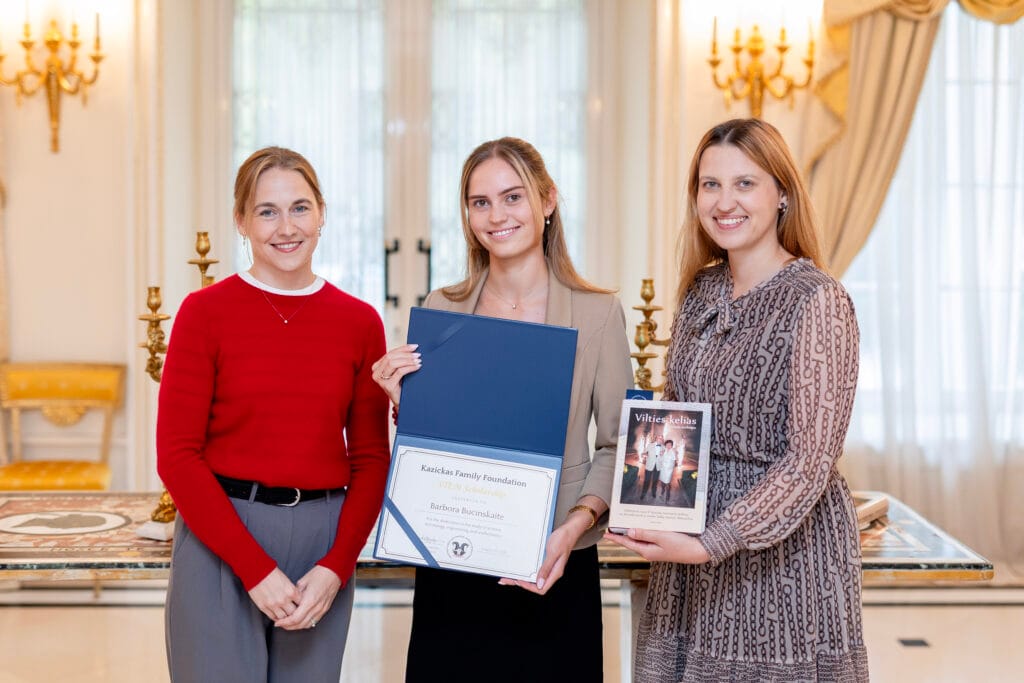
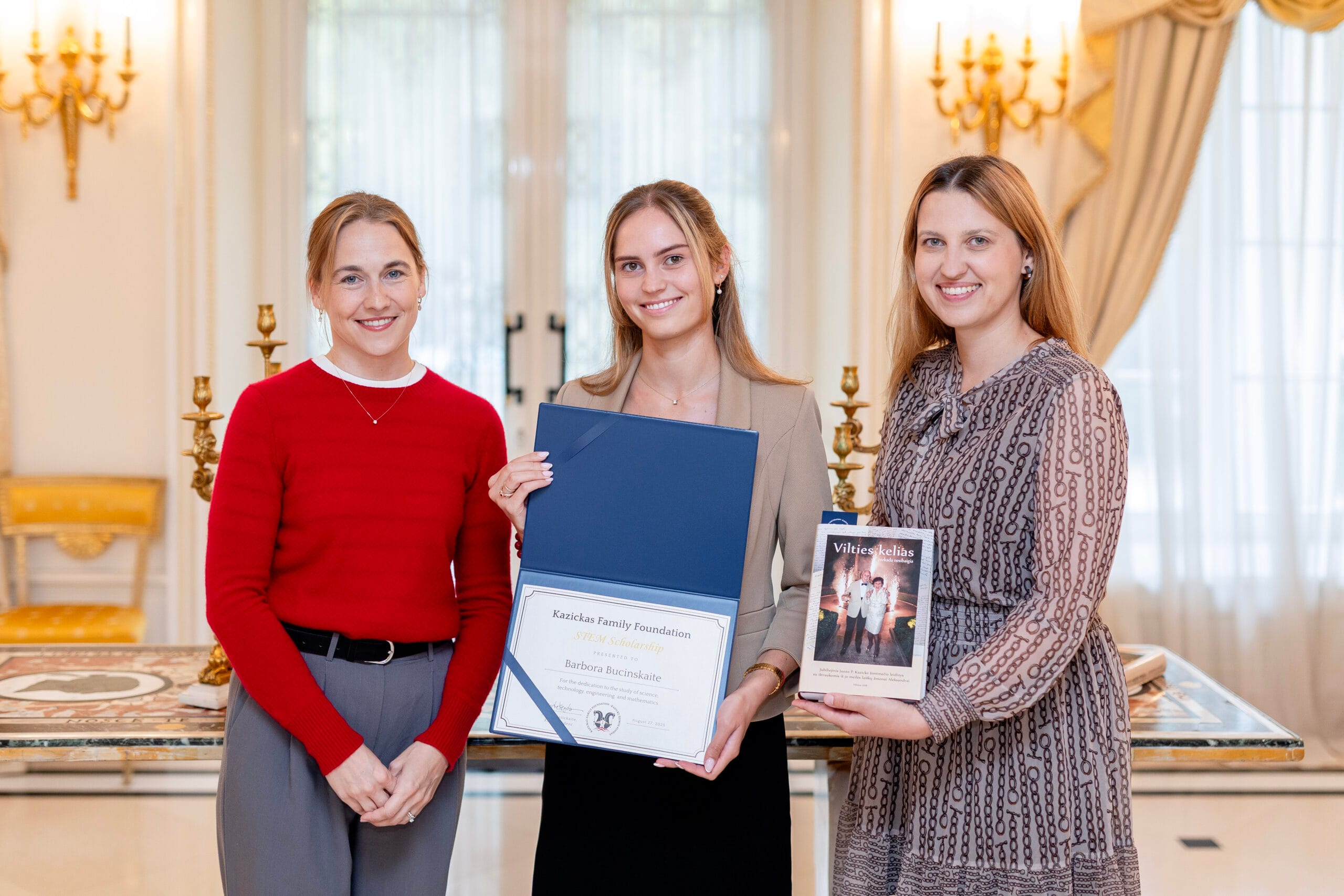
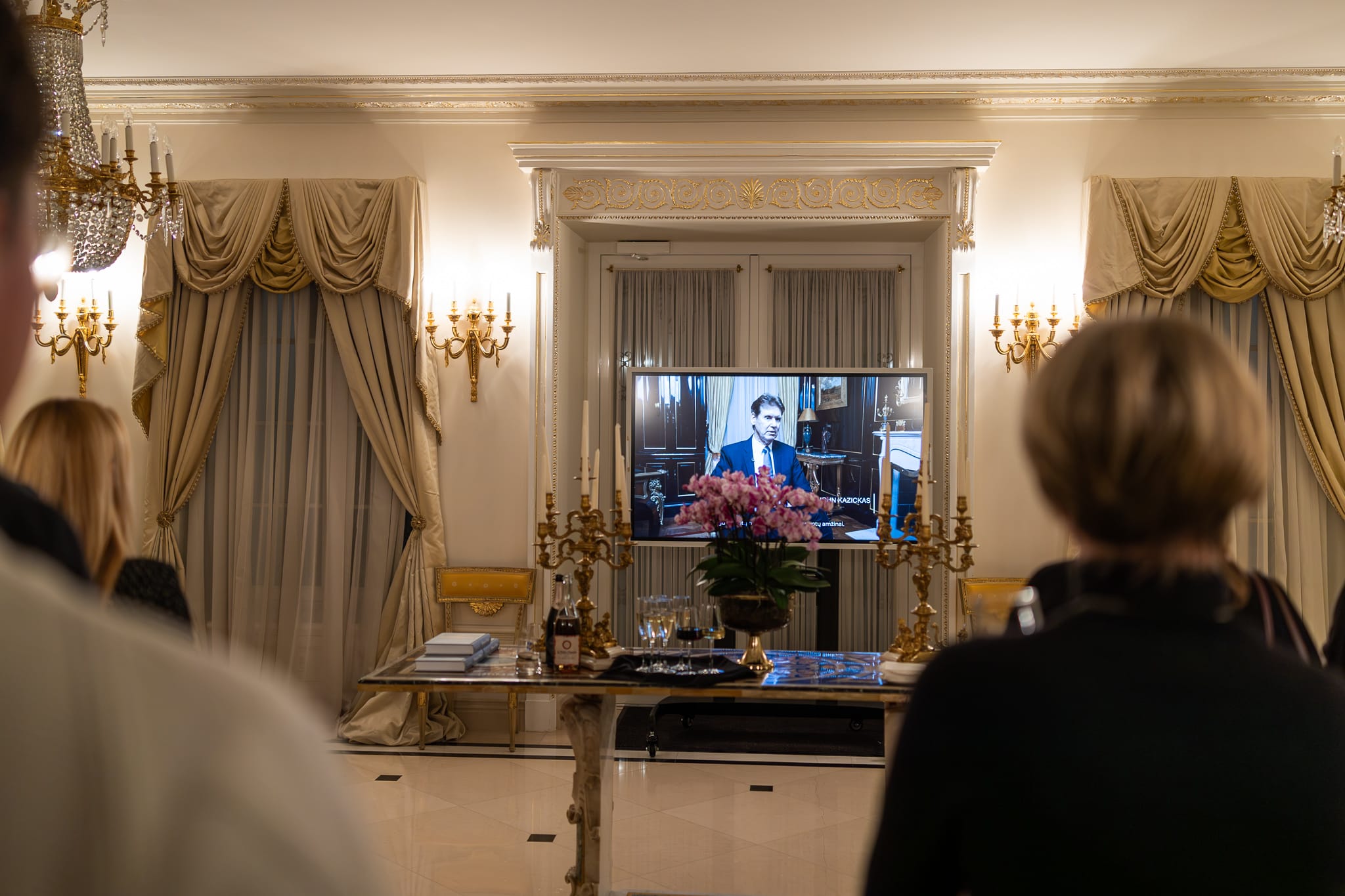
The Kazickas Family Foundation is now accepting applications for its STEM scholarship program, designed for talented Lithuanians pursuing studies at universities abroad. The program is introduced by its initiator, Jurate Kazickaite. In the interview video, she shares why STEM fields are important for Lithuania’s future and how this initiative came to life.

The program is intended for talented Lithuanians who have already been accepted into undergraduate or graduate STEM programs abroad. Its goal is not only to provide financial support, but also to empower young people to contribute to Lithuania’s future progress.

The application deadline is May 30, 2026.

Selected candidates may receive a scholarship of up to EUR 10,000 to cover tuition fees, living expenses, and other study-related costs.

More information on application requirements can be found here.

Why does the KFF invest in STEM fields? Read More »

Summer Internship in Lithuania

Summer Internship in Lithuania

Lithuanian National Foundation and the Kazickas Family Foundation invite students to apply for summer internships!

In partnership with the National Foundation, we invite students of Lithuanian descent studying abroad to apply for paid summer internships at non-governmental organizations in Lithuania.

This is a great opportunity to not only gain valuable professional experience but also to contribute to the work of inspiring NGOs in Lithuania, including:

Bring Together Lithuania, Innovation Valley, Global Lithuanian Leaders, Lithuanian Culture Institute, Youth Affairs Agency, Center for Equality Advancement, Transparency International, Inconvenient Films, Lithuanian Centre for Human Rights and LiJOT.

To apply, please submit:

  • Resume / CV
  • A motivational letter

Applications should be sent directly to the contact person listed by the NGO.

Application deadline: May 16, 2025

Scholarship: 600 EUR/month

You can find more details about available internship opportunities here.

If you have any questions, please contact vilnius@tautosfondas.org

Summer Internship in Lithuania Read More »

Alytus Region Butrimonys Higher School’s visit to Vilnius

Alytus Region Butrimonys Higher School’s visit to Vilnius

For several years, we have partnered with Alytus Region Butrimonys Higher School, supporting the school as the initiator of “Adamkiada.” This Lithuanian student sports and arts festival will take place for the 11th time this year, bringing together talented and active students from rural schools. The event carries forward the values of Alma Adamkienė Charity and Support Fund and helps strengthen students and schools across Lithuania’s regions. This year, the festival will be held in autumn, in the lead-up to the 100th anniversary of President Valdas Adamkus.

Last week, together with our partner, the MO Museum, we invited 16 students and members of the school administration to take part in educational activities and visit the latest exhibition, “Gen Z: All at Once.” Students joined creative workshops at the museum and also visited the Kazickas Family Residence, where they learned more about the family’s history.

Alytus Region Butrimonys Higher School’s visit to Vilnius Read More »

Call for Applications: Paid Internships at Lithuanian Diplomatic Missions in New York

Call for Applications: Paid Internships at Lithuanian Diplomatic Missions in New York

For the first time, the Kazickas Family Foundation invites applications for scholarships to support internships at the Consulate General of the Republic of Lithuania in New York and the Permanent Mission of Lithuania to the United Nations.

The program aims to support talented people who wish to deepen their knowledge in international politics, global problem-solving, and diplomacy, while gaining valuable practical experience at Lithuanian representations abroad and assisting diplomatic missions ahead of Lithuania’s EU Council Presidency in 2027.

Main Requirements for Candidates

  • Internships are open to citizens of the Republic of Lithuania and citizens of EU and NATO member states who speak Lithuanian;
  • Candidates must have completed at least 2 university-level courses or graduated from higher education no more than 2 years before the start of the internship;
  • For internships at the Permanent Mission of Lithuania to the UN, preference will be given to PhD candidates working on dissertations in global politics, sustainable development, climate change, and human rights;
  • Excellent knowledge of Lithuanian (C1) and English (C1) languages;
  • Strong computer skills (MS Office suite).

Internship Duration and Scholarship

  • Duration: 4 months (September–December 2026);
  • Scholarship amount: 10,000 USD. Two scholarships will be awarded.

Applications must be submitted by April 30, 2026.

For more information on application procedures and required documents in Lithuanian, please click here.

Call for Applications: Paid Internships at Lithuanian Diplomatic Missions in New York Read More »

Lithuanian diaspora Lithuanian heritage schools

Strengthening the Diaspora Remains a Priority: $2.1 Million for Lithuanian Heritage Schools Over 15 Years

Strengthening the Diaspora Remains a Priority: $2.1 Million for Lithuanian Heritage Schools Over 15 Years

Supporting heritage education in the diaspora is one of the Kazickas Family Foundation’s key priorities. 

Lithuanian diaspora Lithuanian heritage schools
Gintaras Sekmokas photo: Boston Lithuanian School community

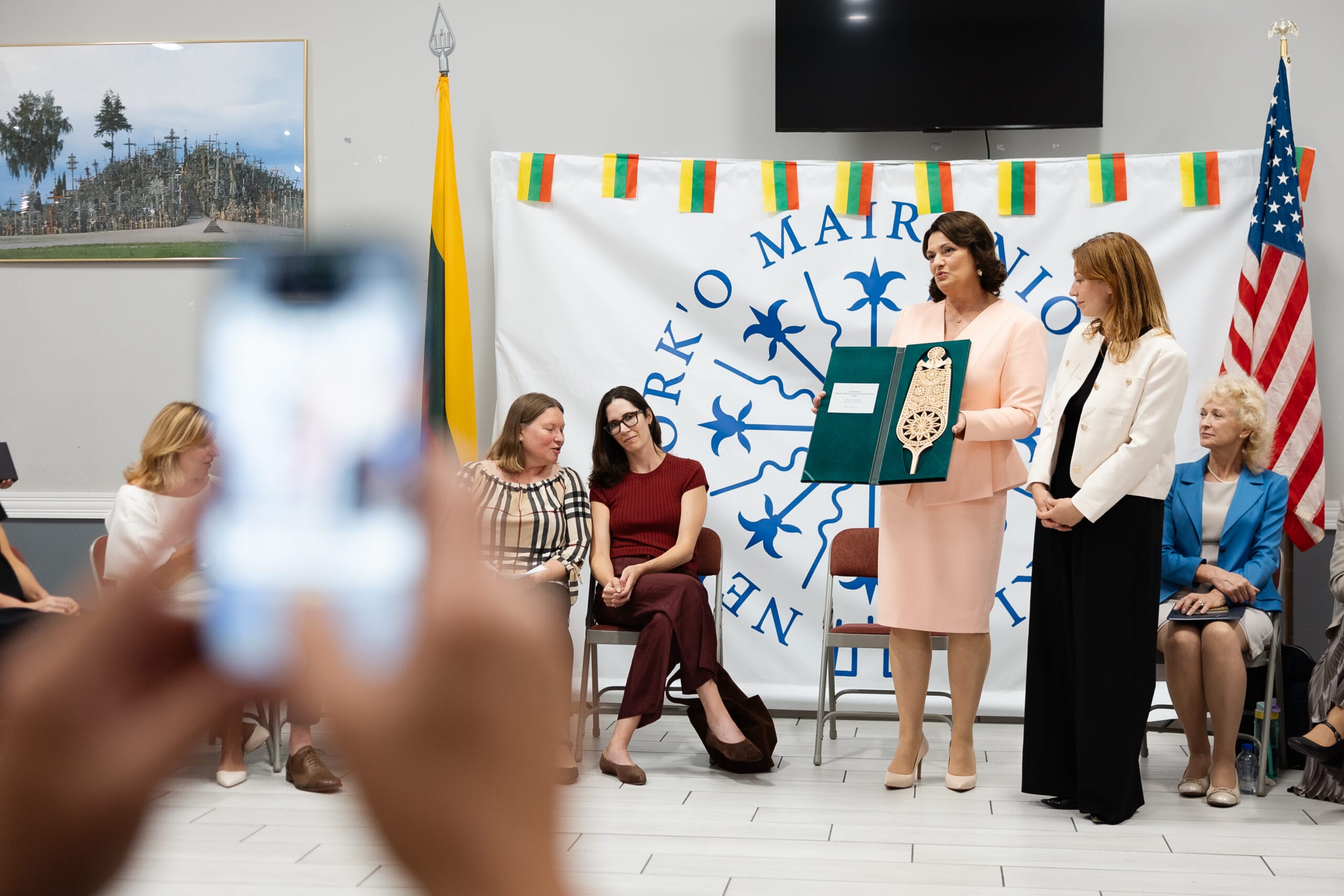
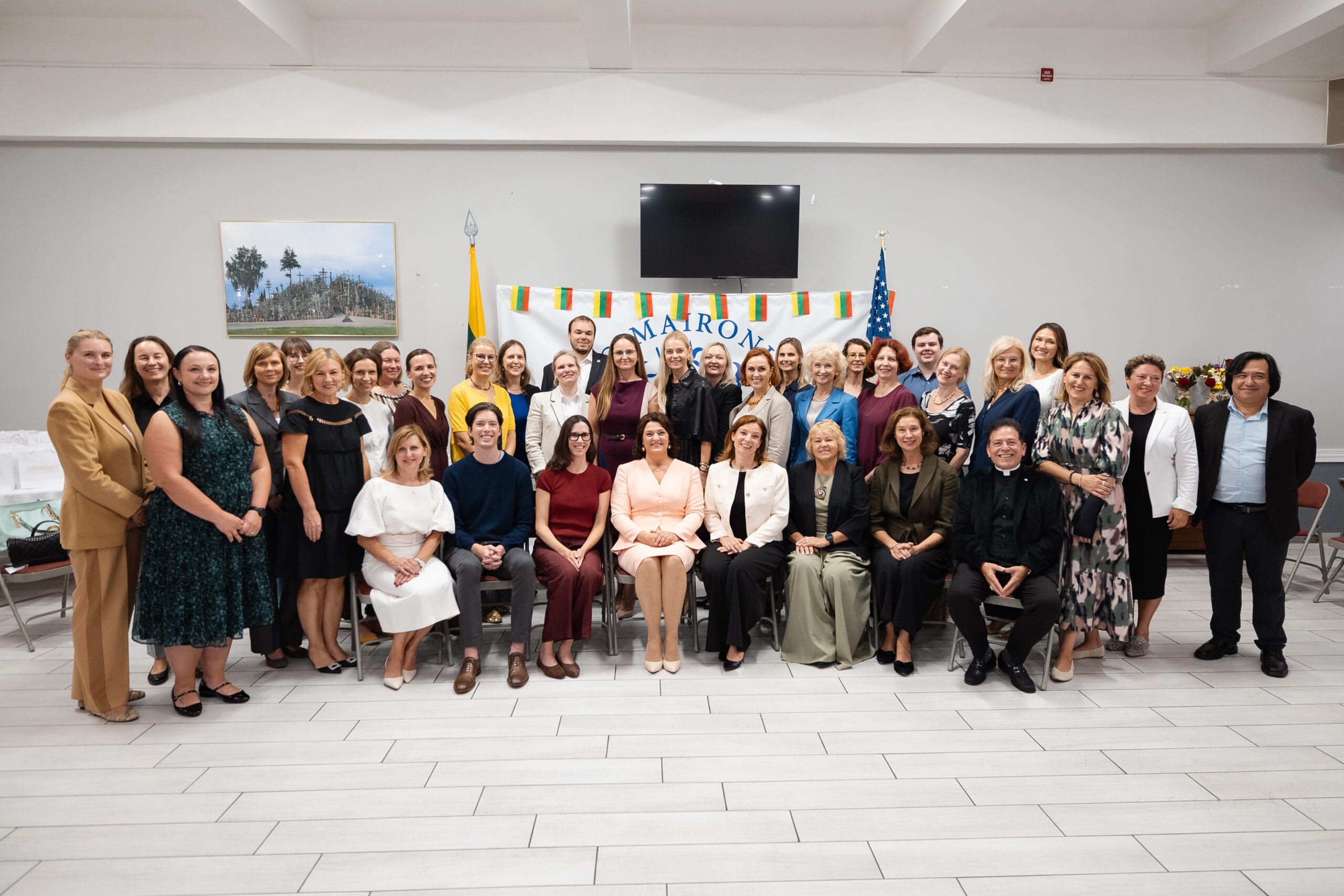
KFF has consistently provided funding to heritage schools in the United States, helping families abroad maintain language, culture, and ties to their homeland. Over the past 15 years, the Alexandra Kazickas Grant Program has allocated more than $2.1 million to heritage schools in the U.S. In 20252026 alone, 24 schools received $90,000 to ensure the continuity of their programs. Funding covers expenses such as facility rentals, teachers’ salaries.

Support is highly valued in community schools across the diaspora as a key factor for preserving and strengthening cultural identity. The administration of the Boston Lithuanian School also highlights the importance of KFF’s contribution:

“Your support is not only a financial contribution but also a strong investment in academic excellence, knowledge development, and the strengthening of Lithuanian identity within the diaspora. Thank you for helping us achieve our shared goal – educating a conscious, well-educated younger generation that values its roots. We are deeply grateful for your continued trust and support. Every contribution you make is highly valued and greatly appreciated by all of us.” 

KFF also collaborates with the Lithuanian Educational Council of USA and the Coalition for Community-Based Heritage Language Schools, while actively representing communities in the U.S. on the Lithuanian Diaspora Affairs Coordination Commission, which brings together 10 organizations and about 20 Lithuanian institutions to discuss issues related to national security, culture, language, and innovation through dialogue, actionable recommendations, and policy development.

Through consistent support of heritage schools and dialogue with institutions in Lithuania, KFF contributes to the long-term goal of ensuring that language, culture, and identity remain vibrant within diaspora communities and are passed on to future generations.

Strengthening the Diaspora Remains a Priority: $2.1 Million for Lithuanian Heritage Schools Over 15 Years Read More »

Educate, Not Ban: A Discussion at the Uncommon LT Anniversary  

Educate, Not Ban: A Discussion at the Uncommon LT Anniversary

Artificial intelligence (AI) is increasingly becoming part of children’s everyday lives, while at the same time uncertainty among adults is growing – how to explain these technologies, how to limit them, and how to turn them into an educational tool rather than the shortest path to ready-made answers.

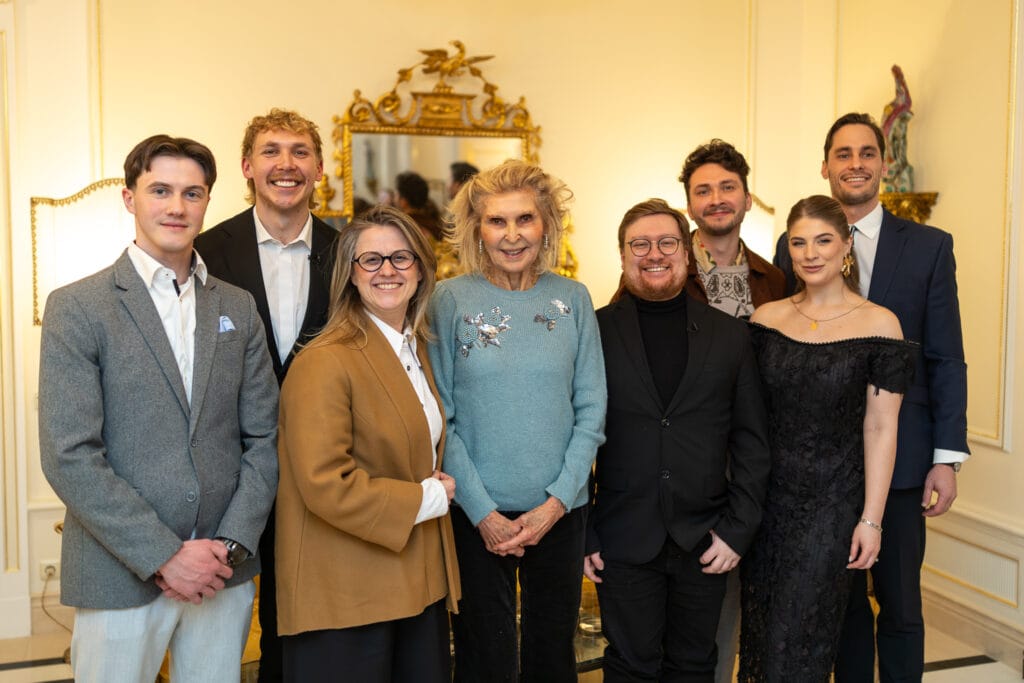
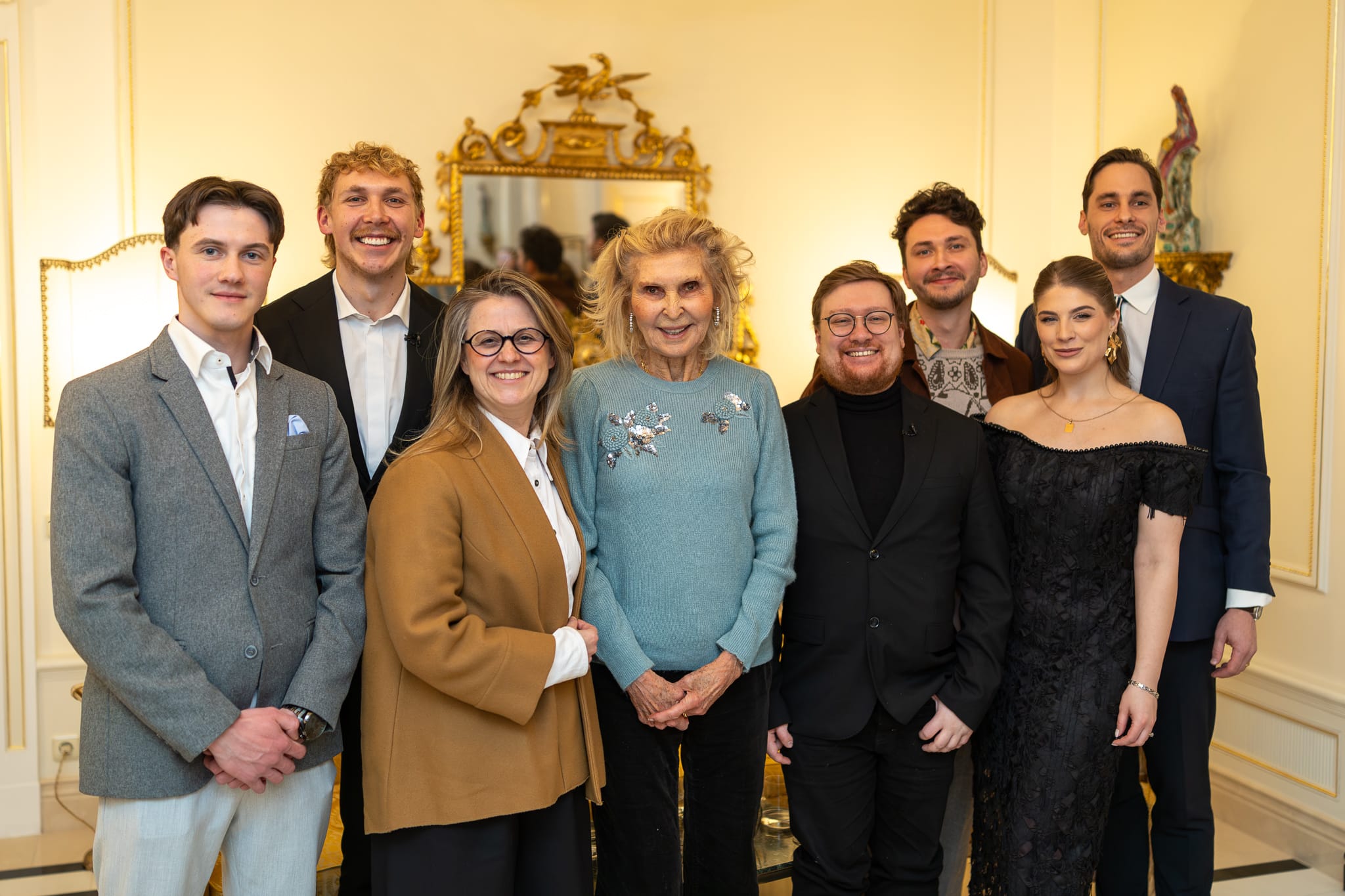
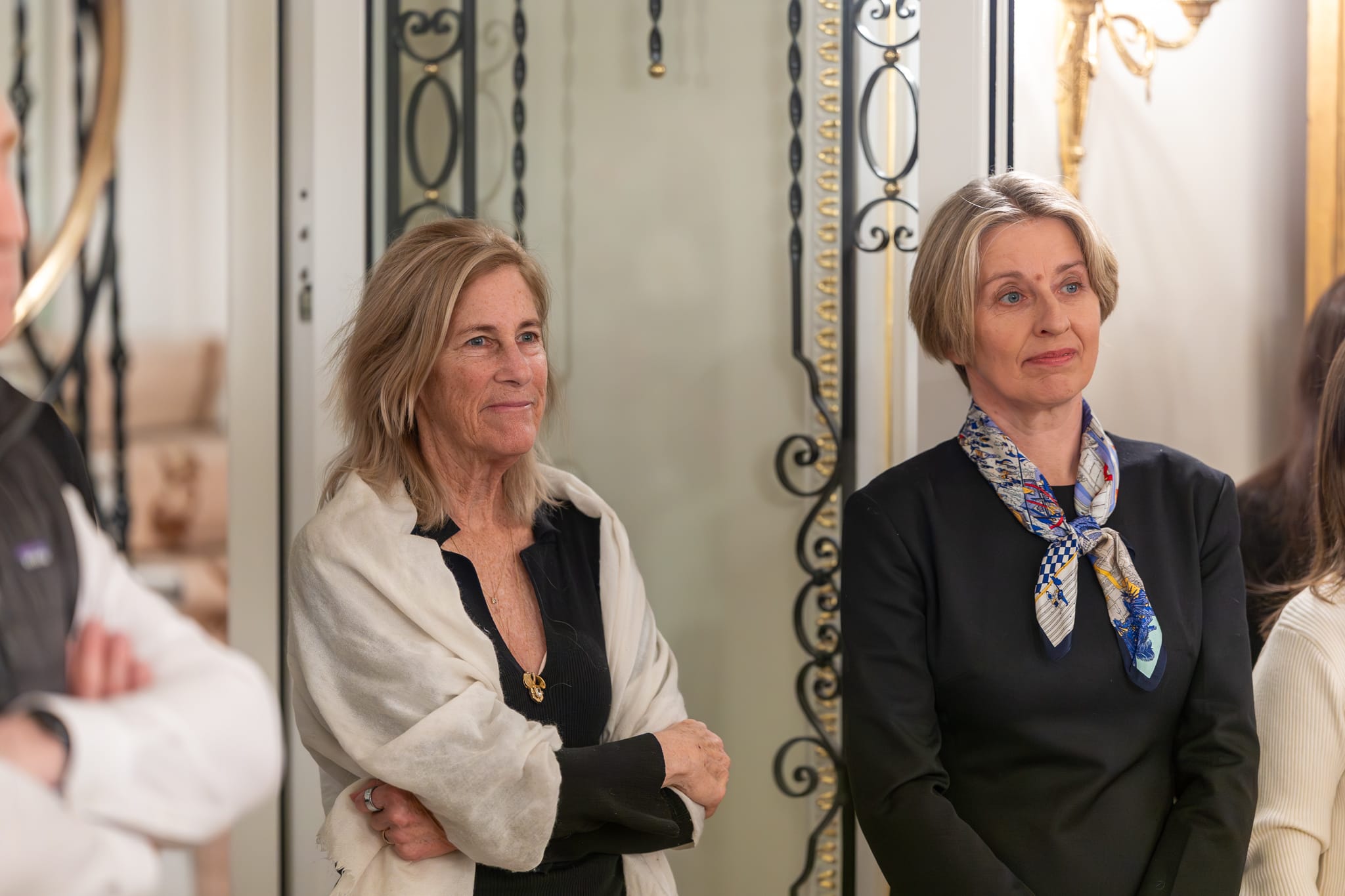
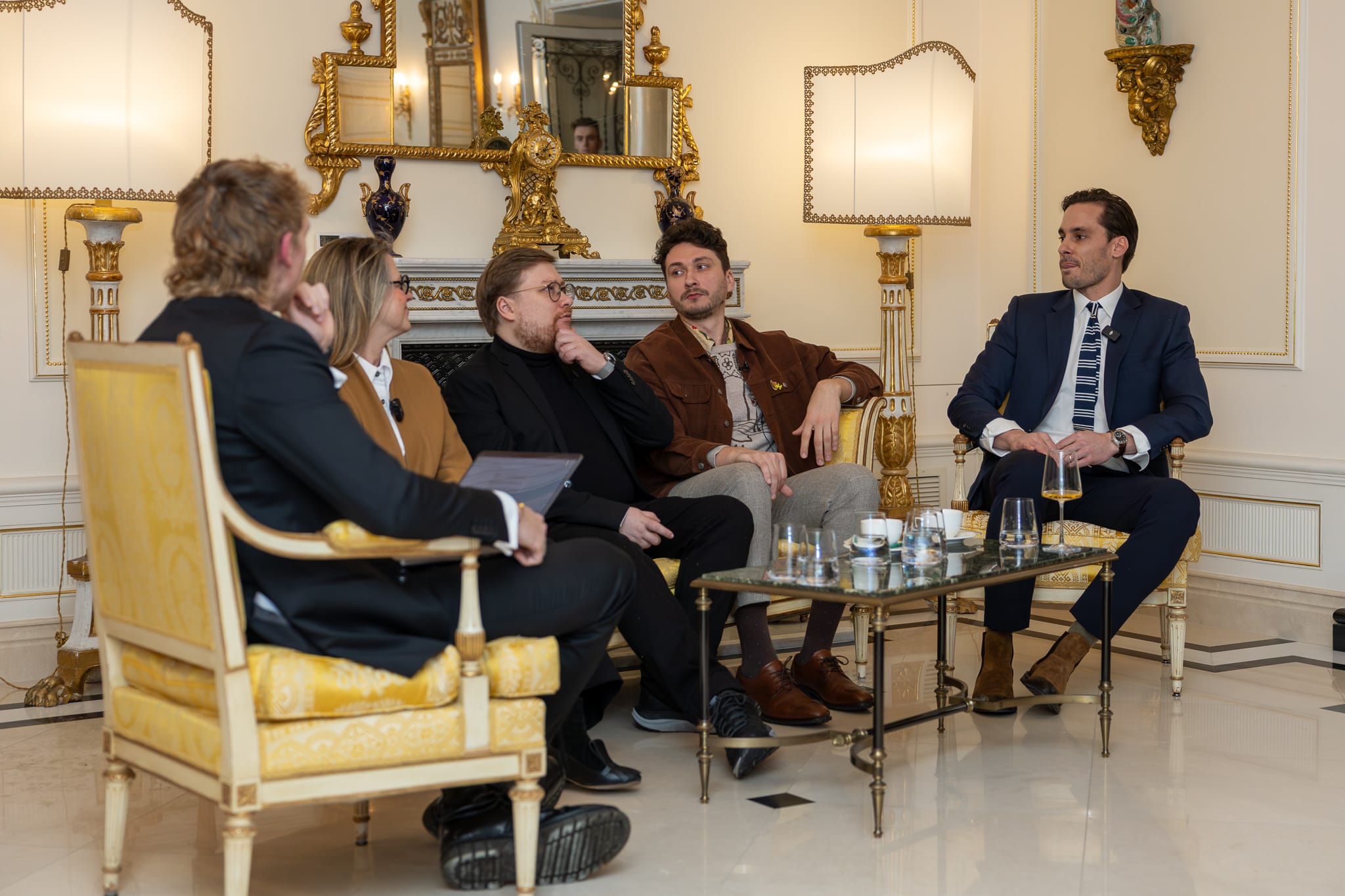
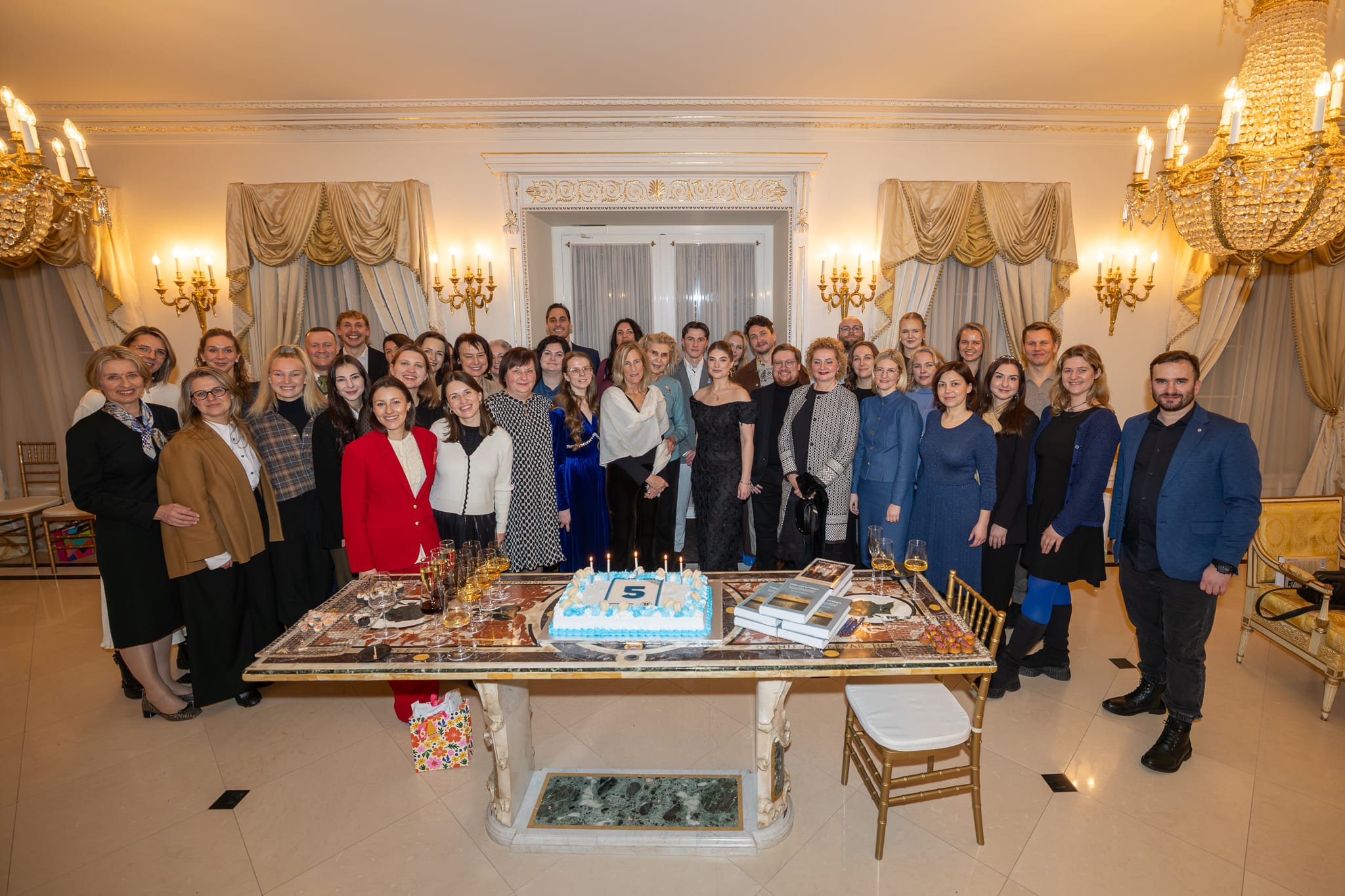
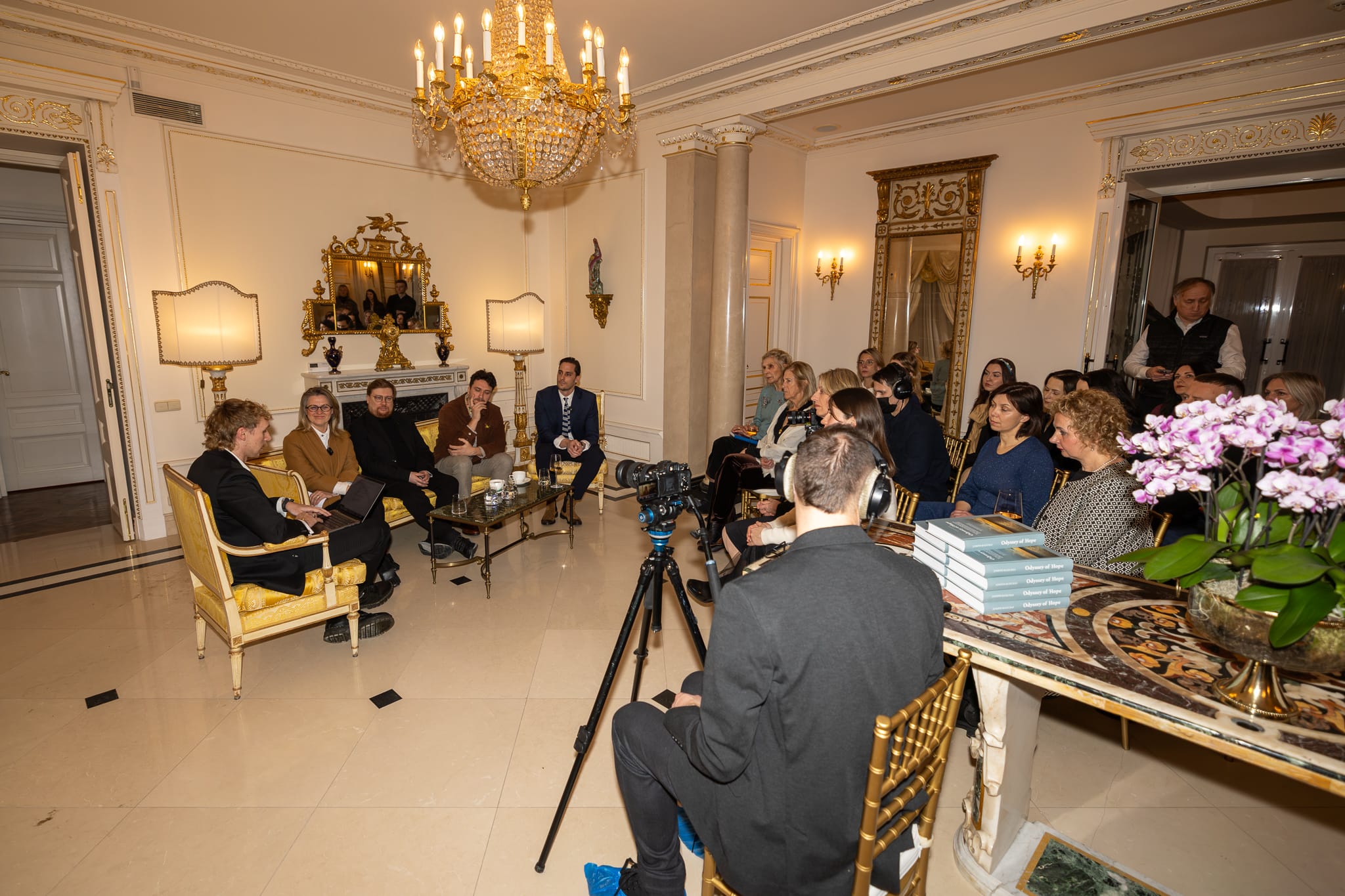
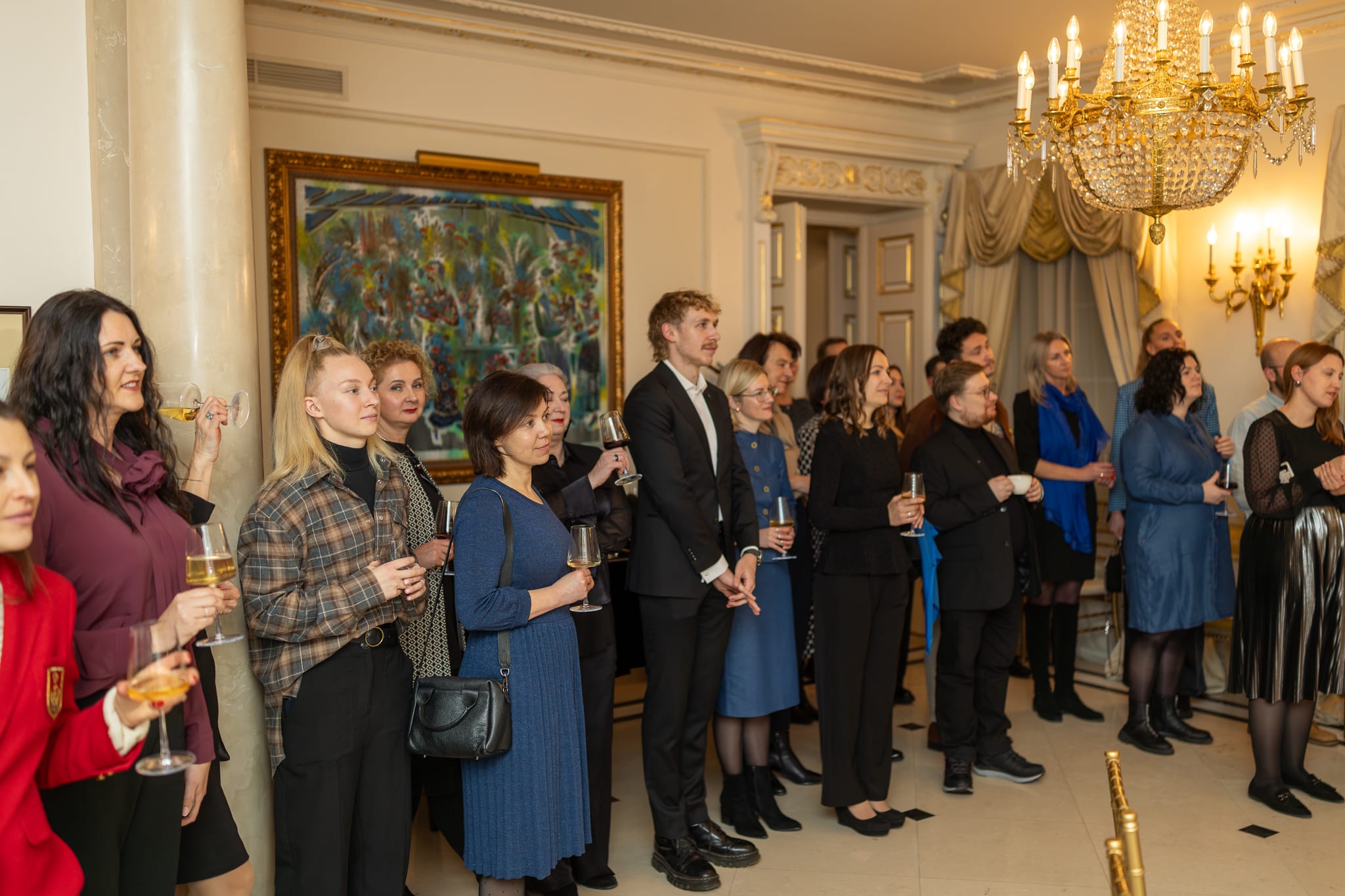
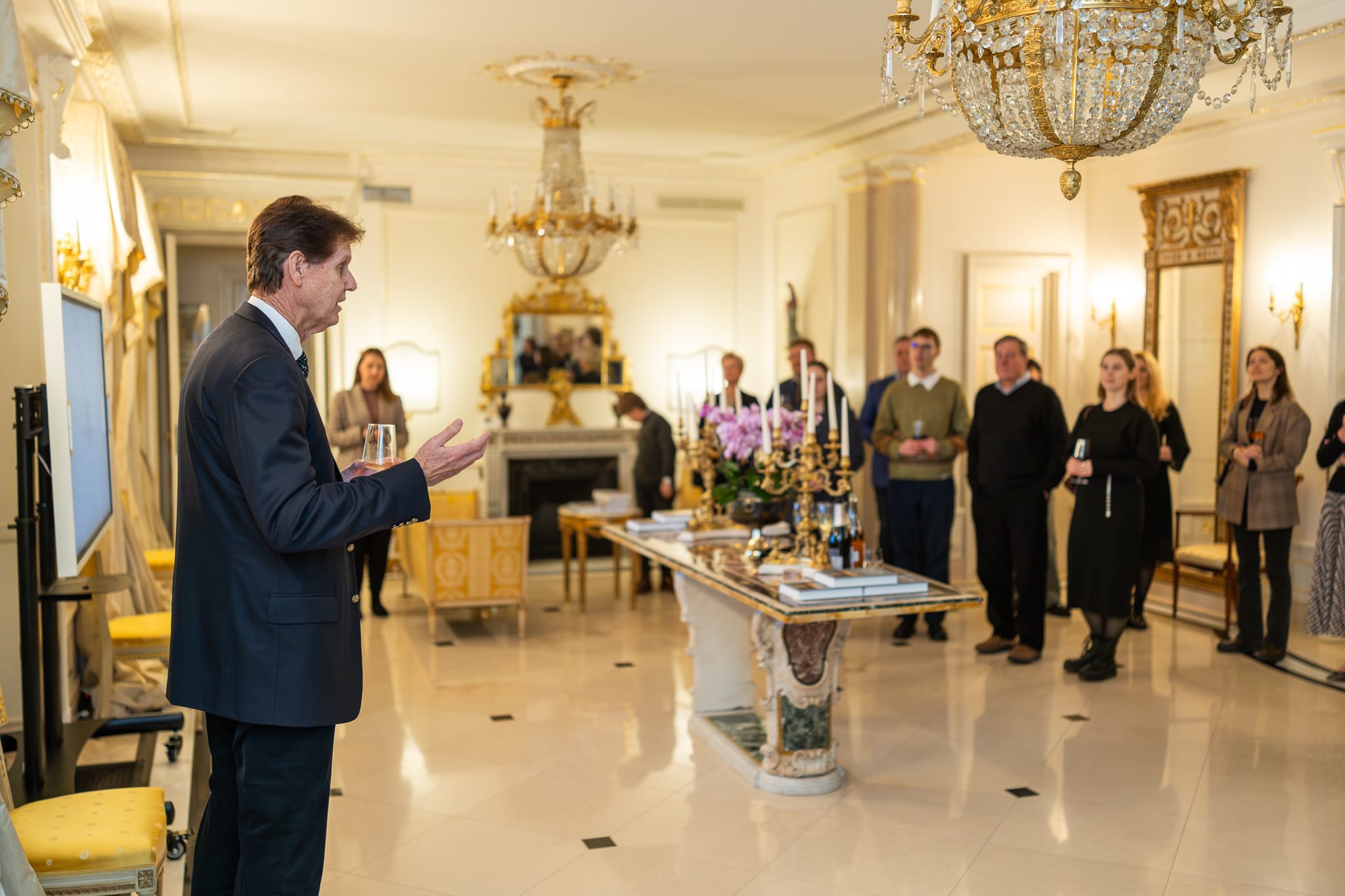
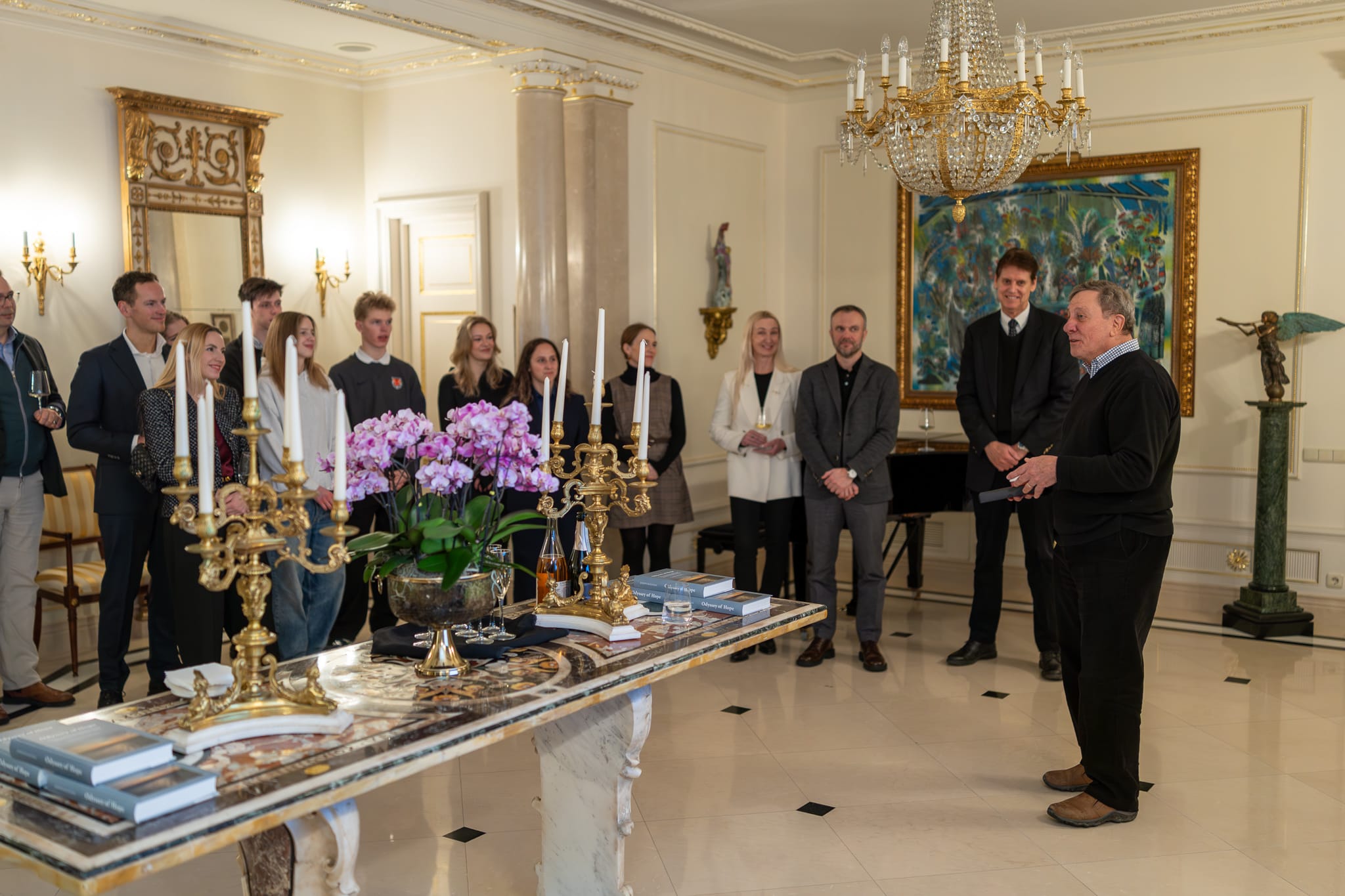
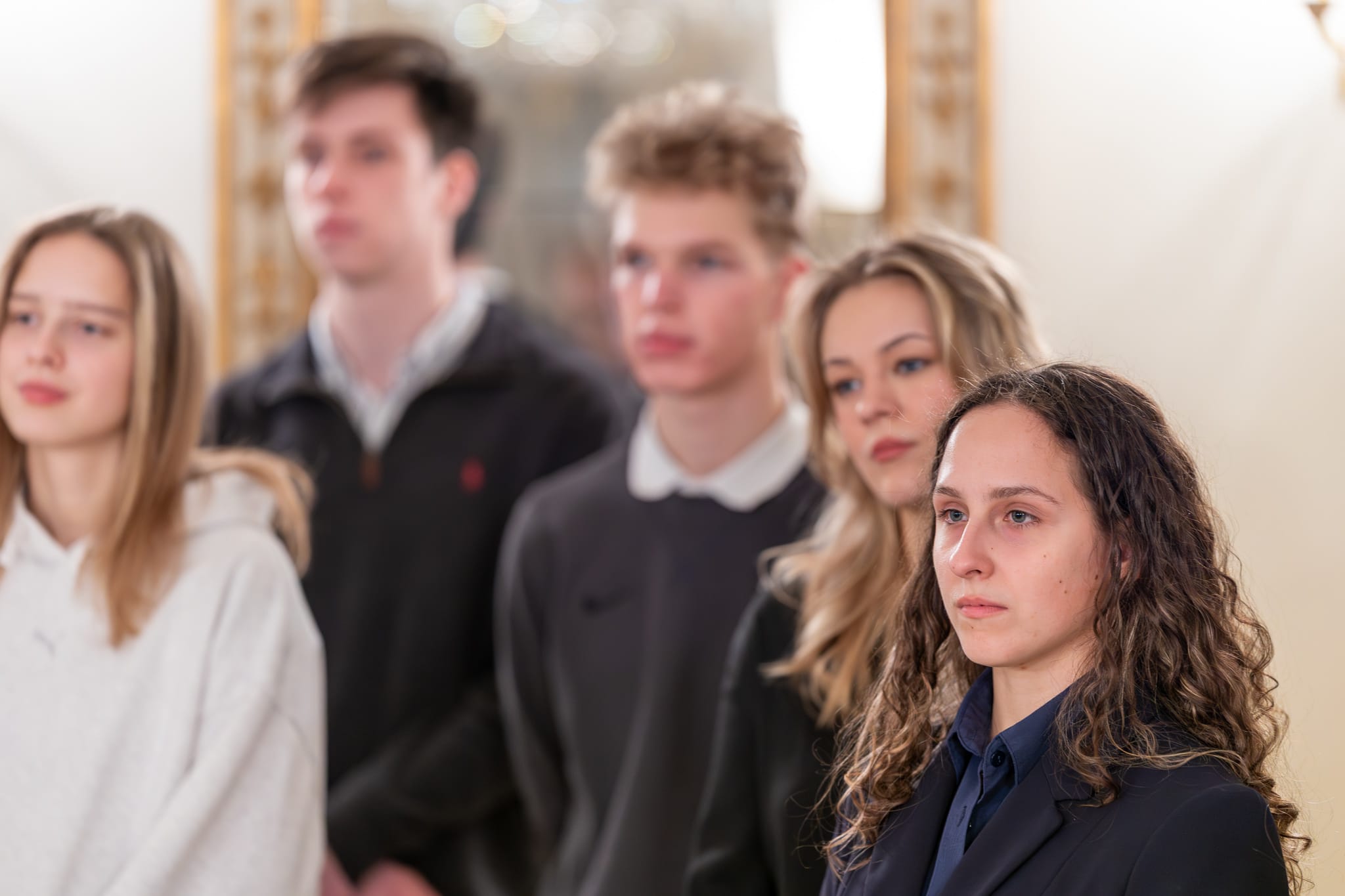
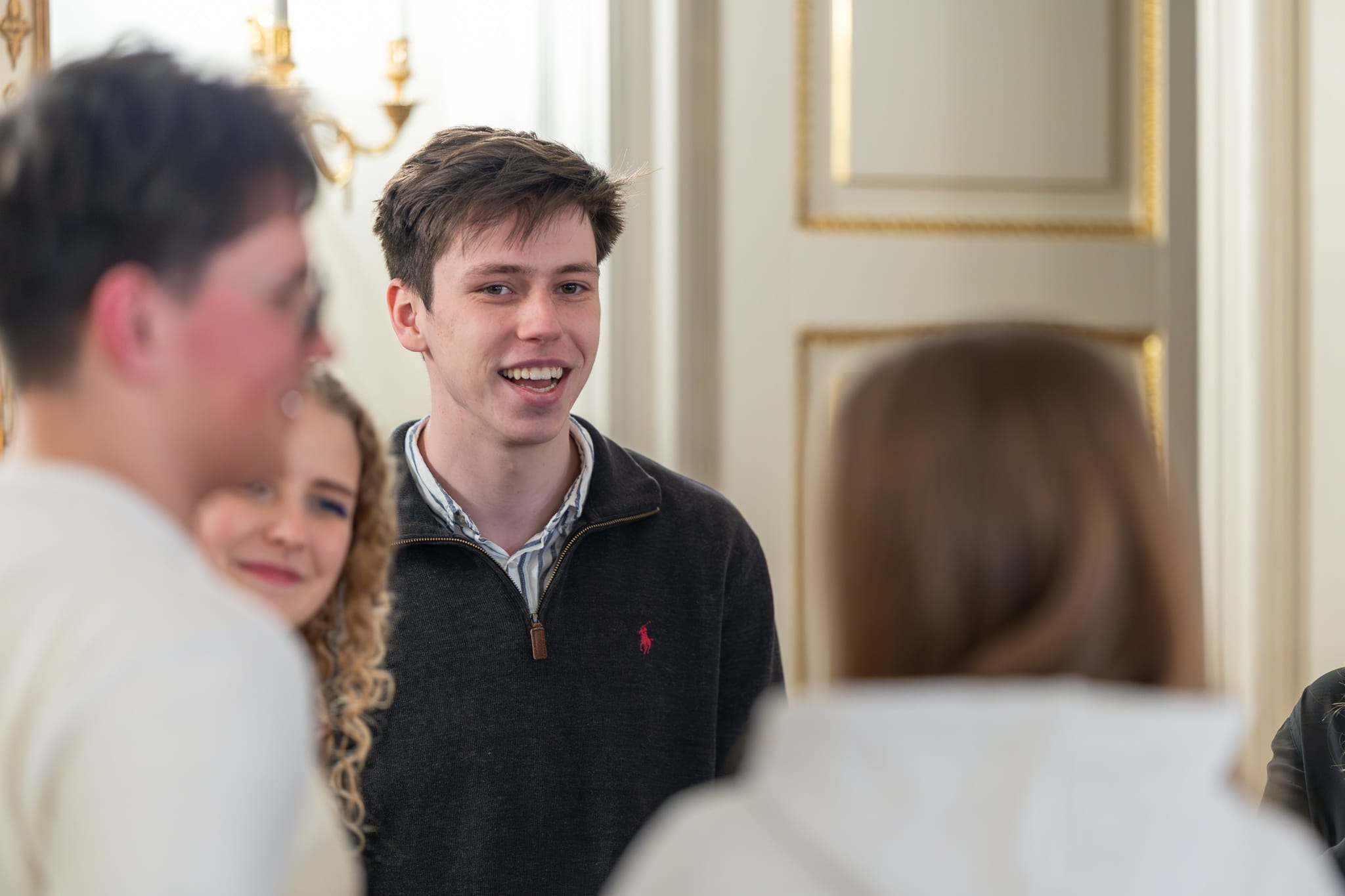
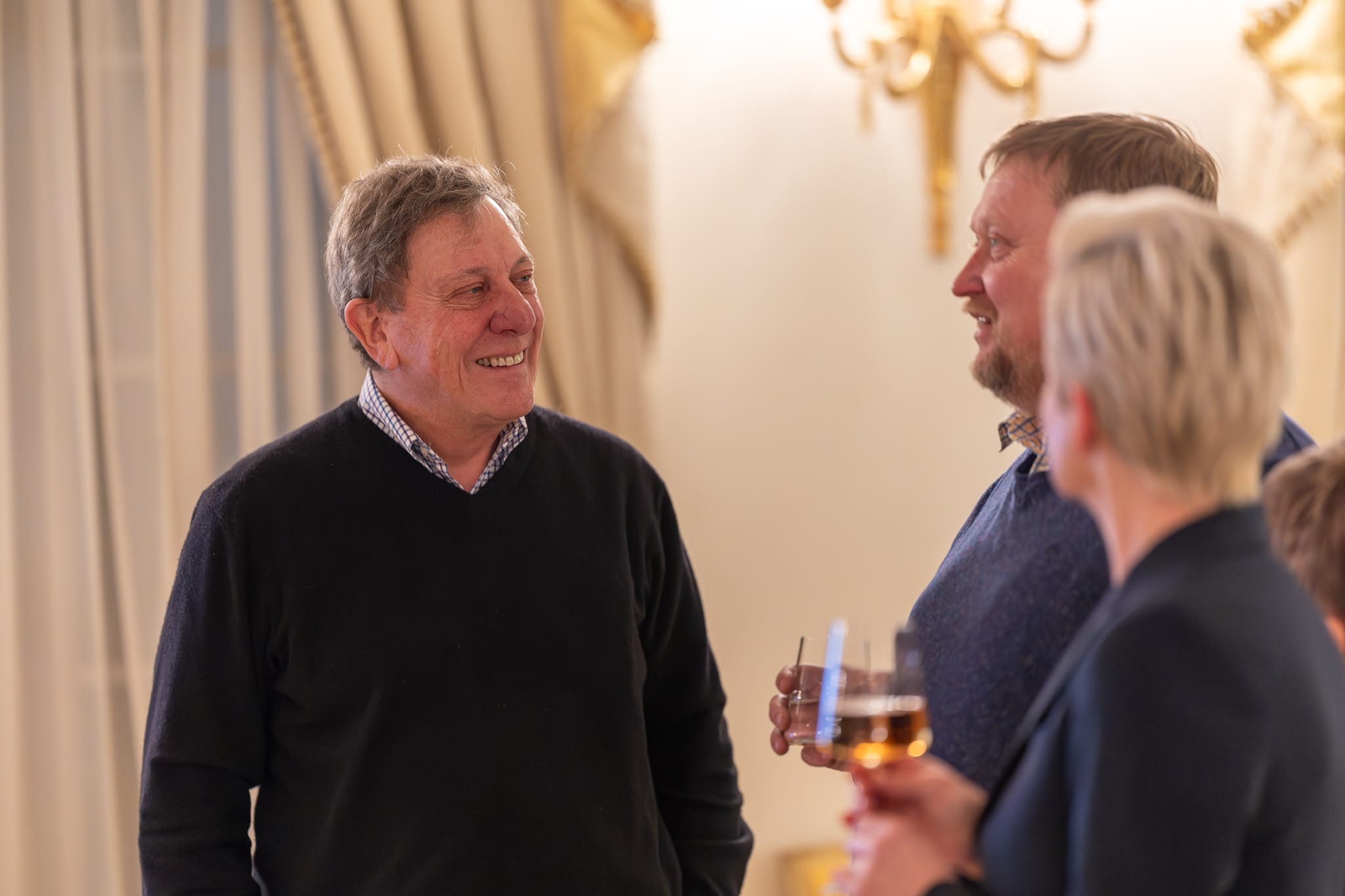
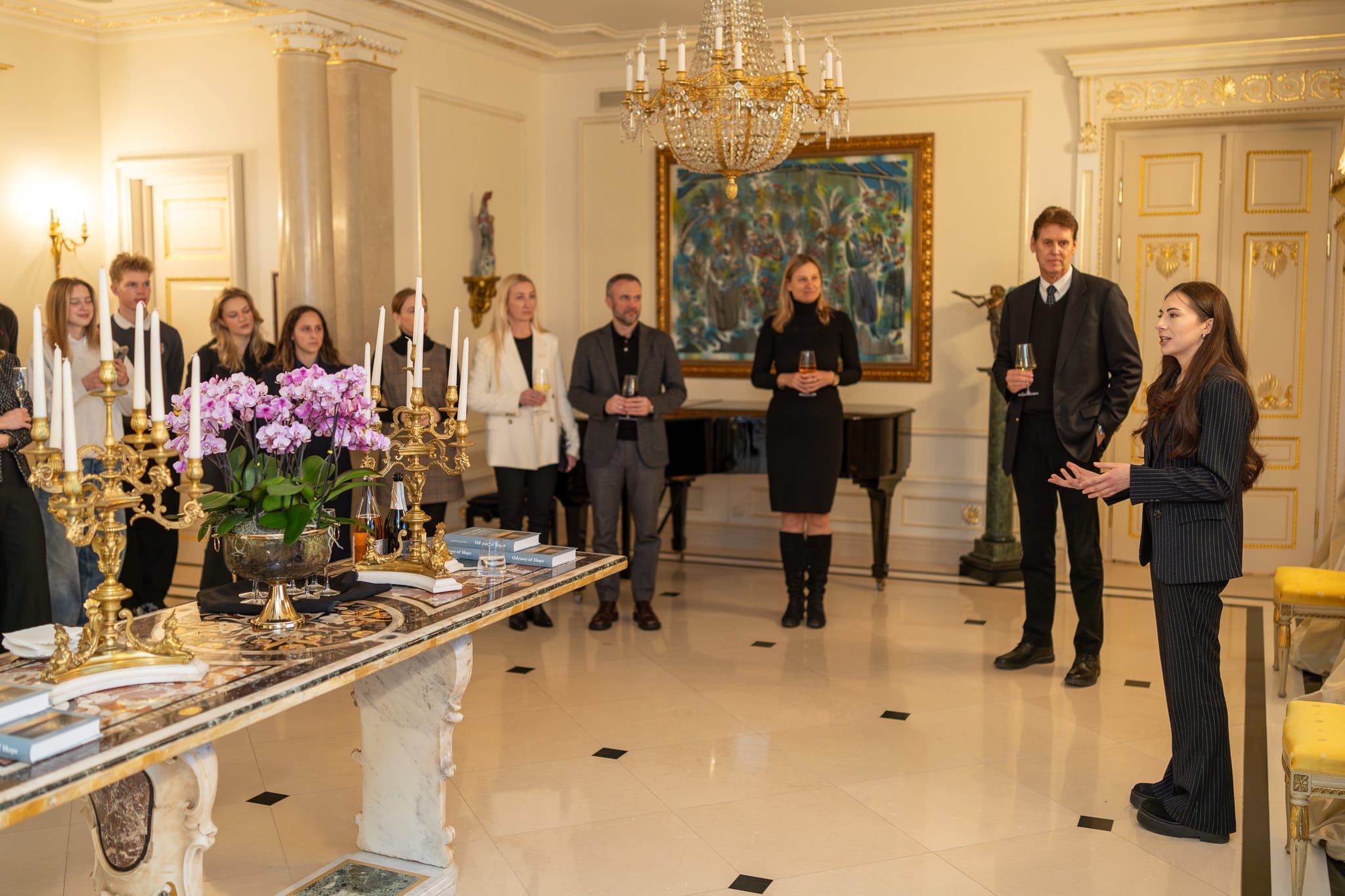
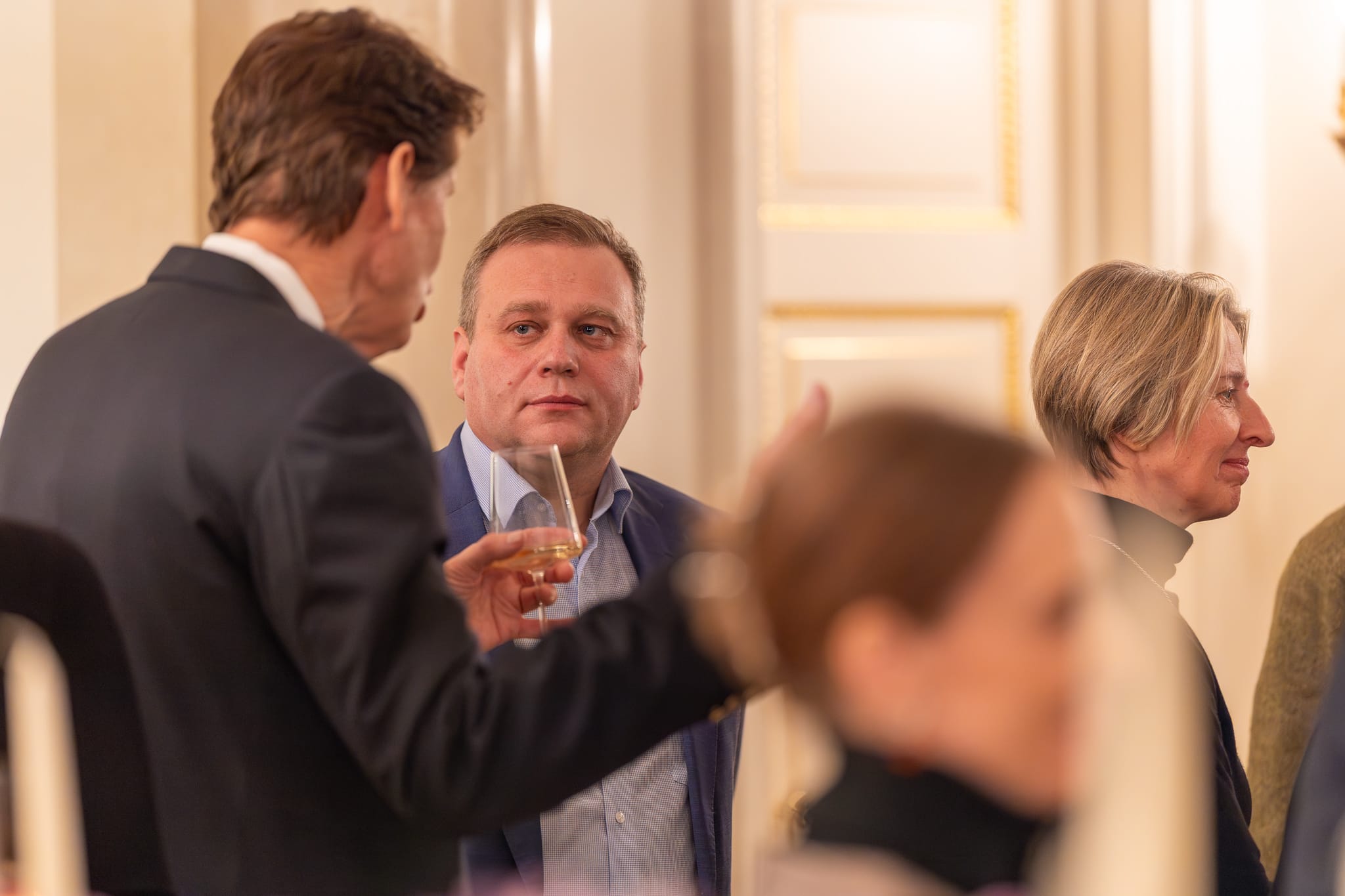
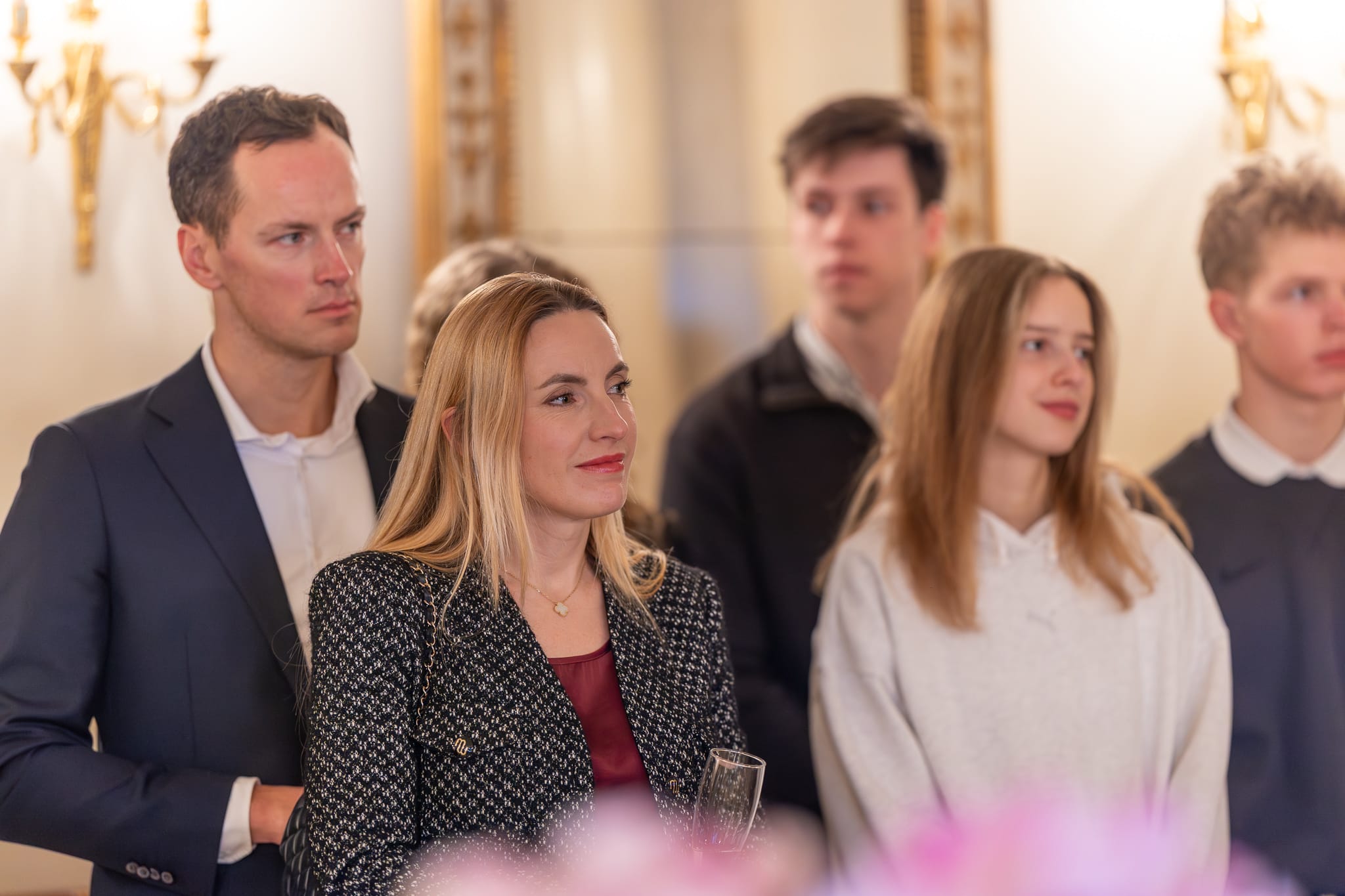
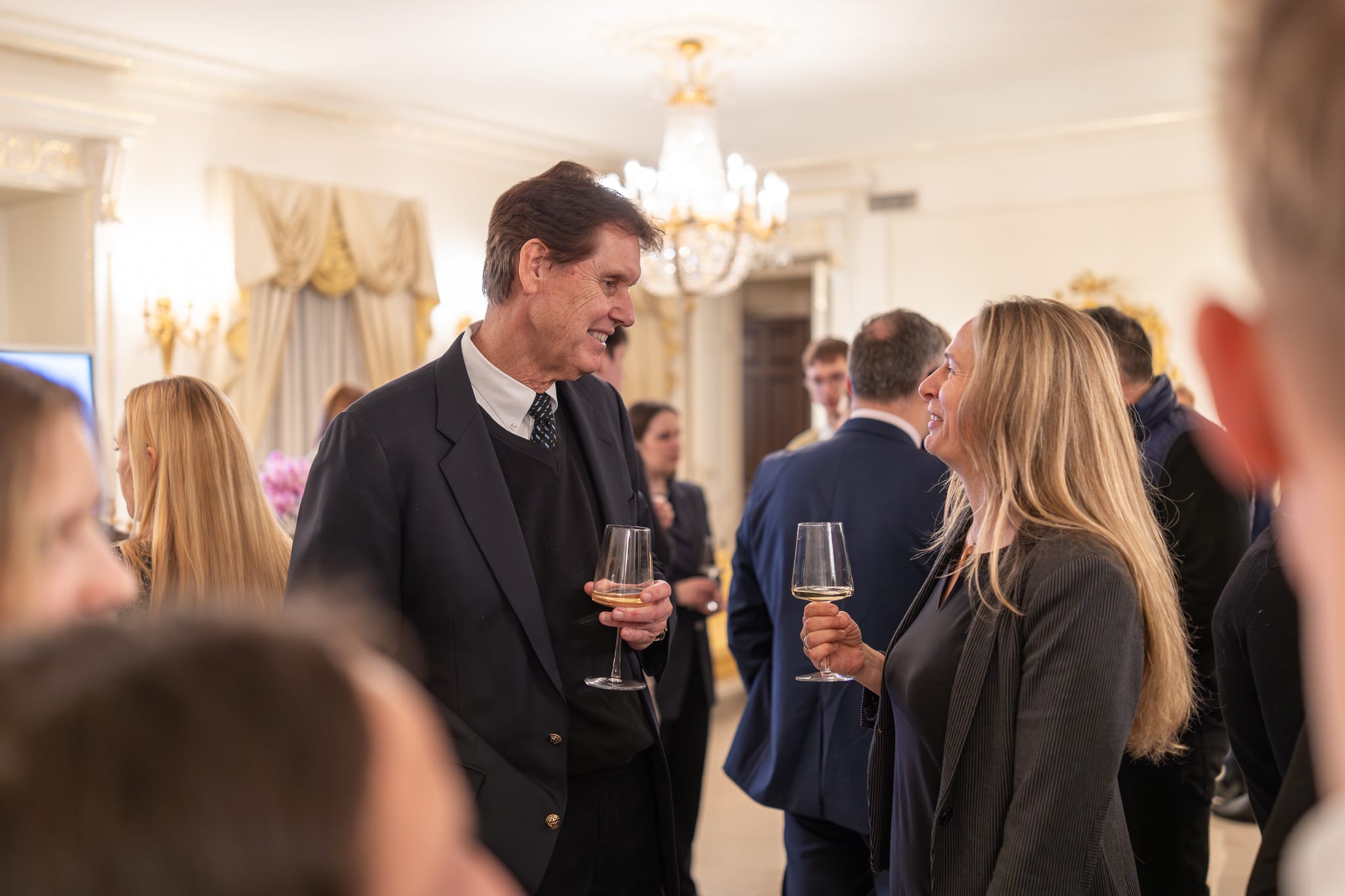
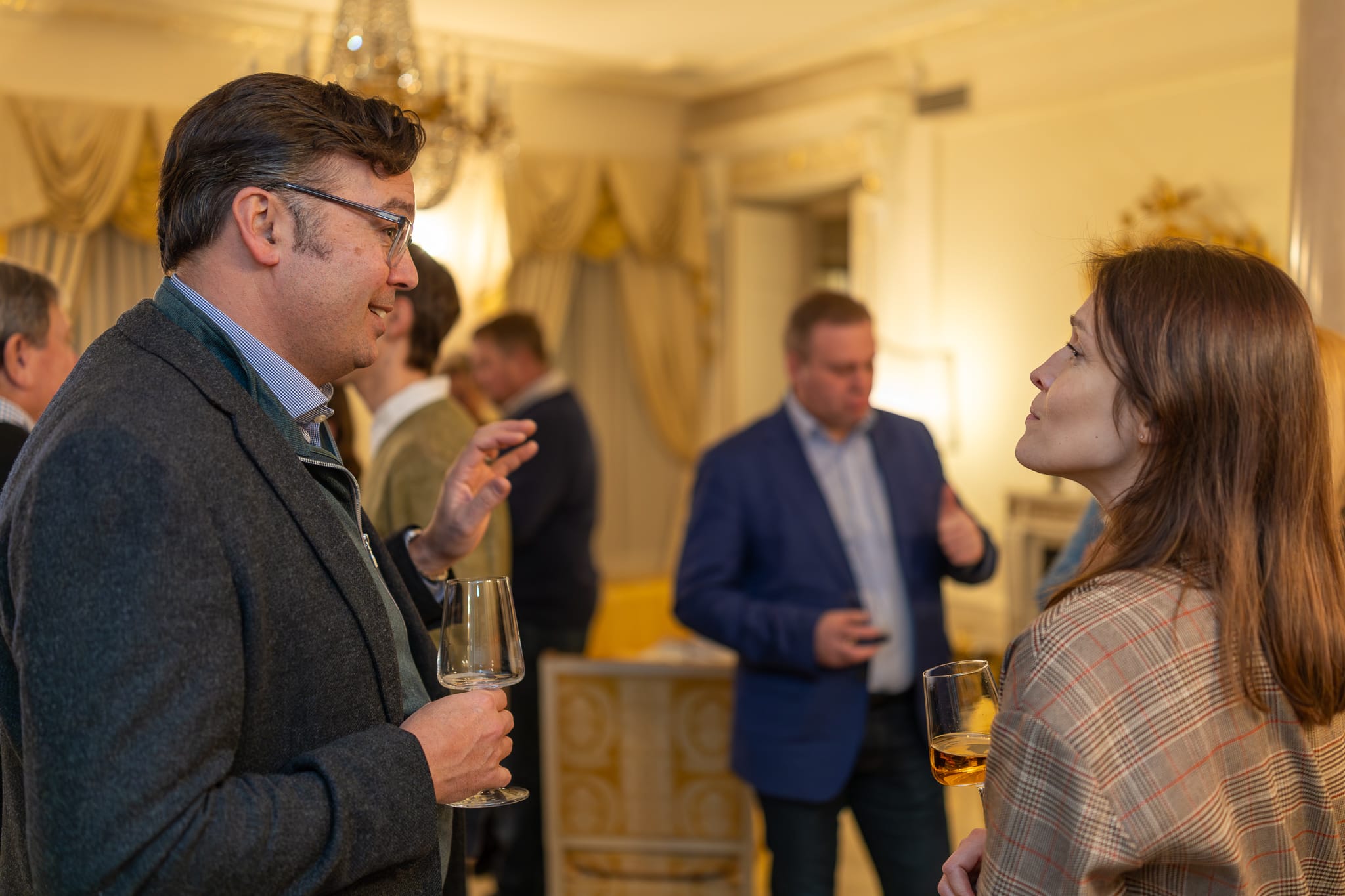
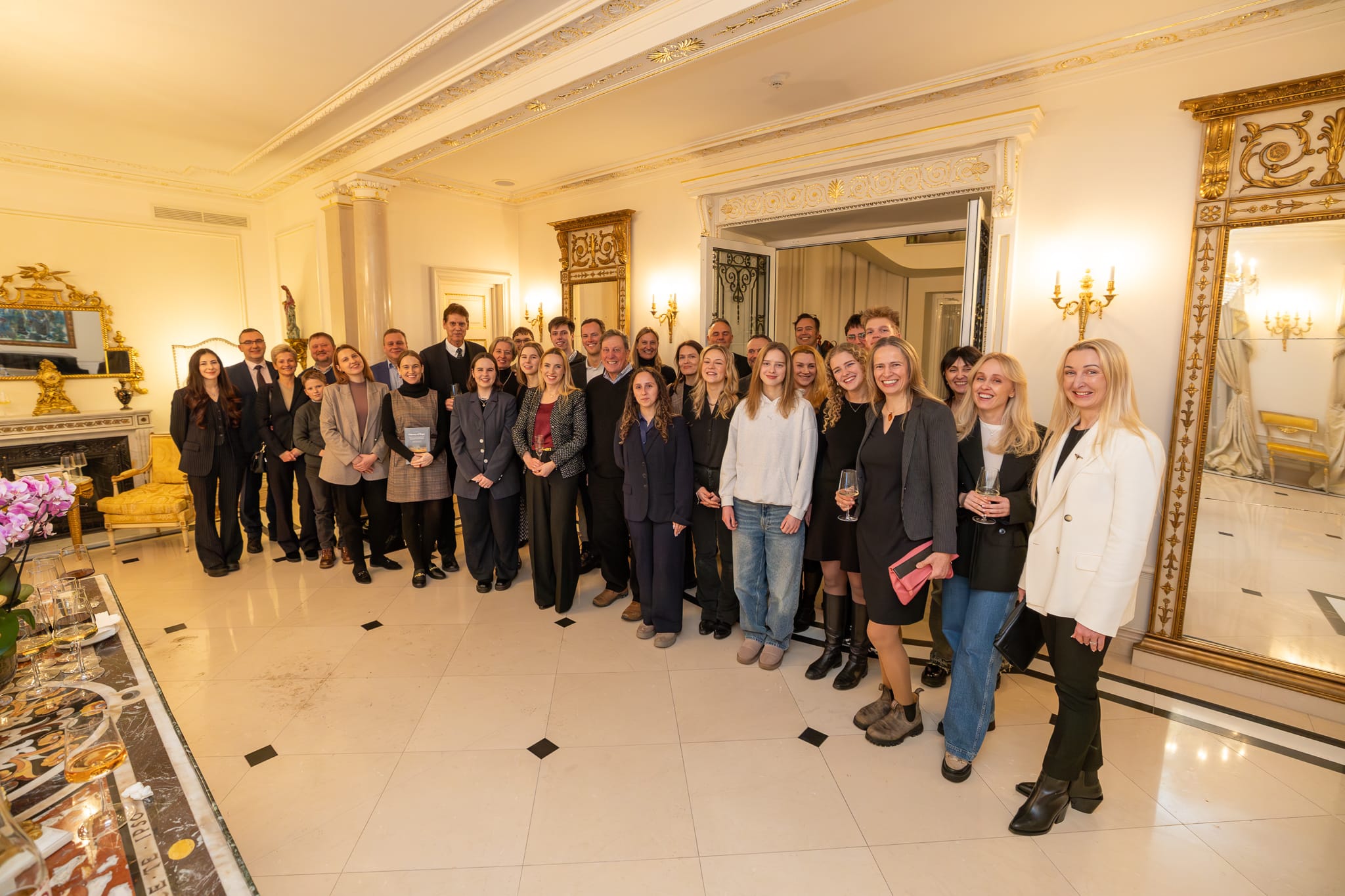
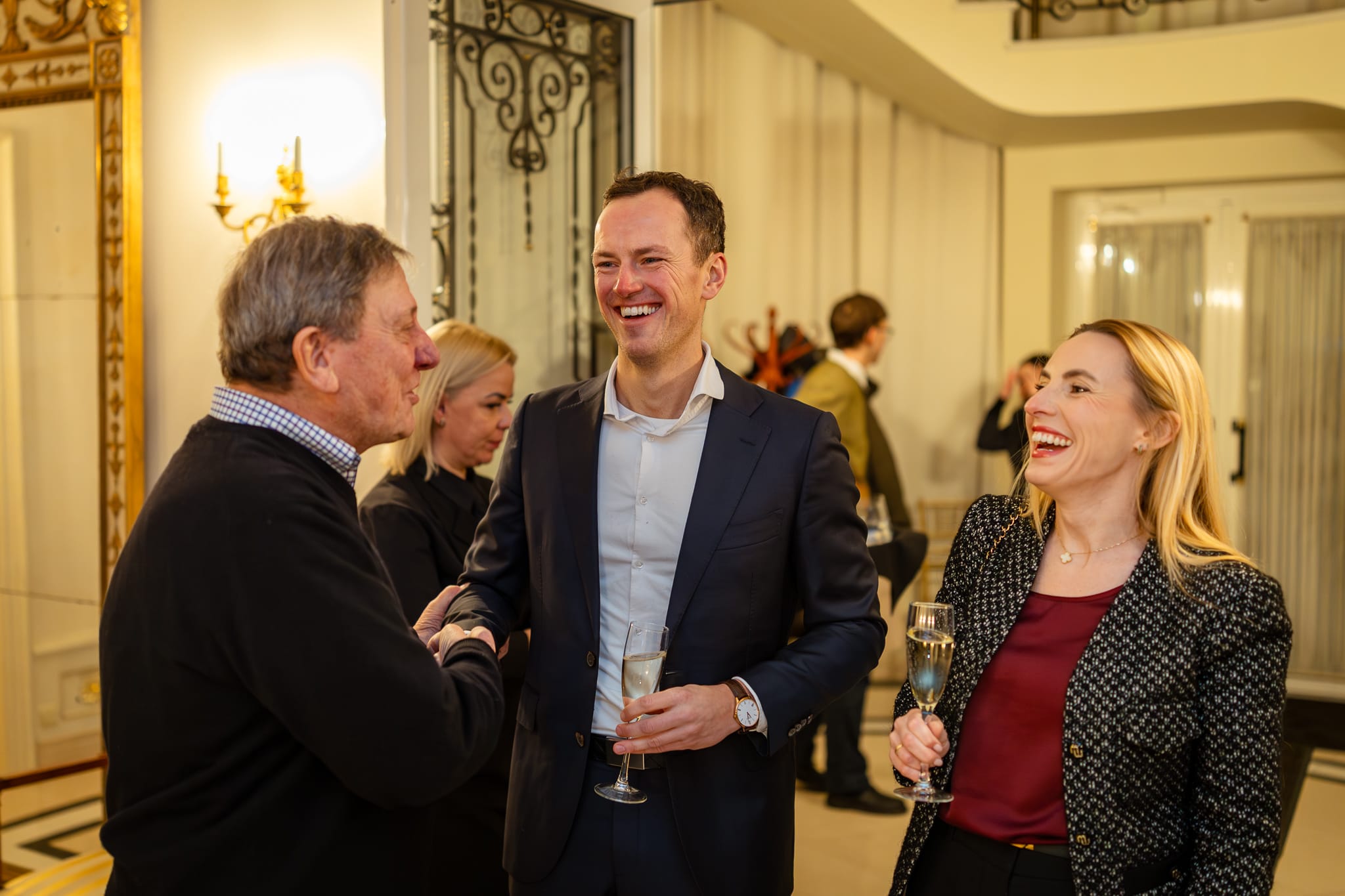
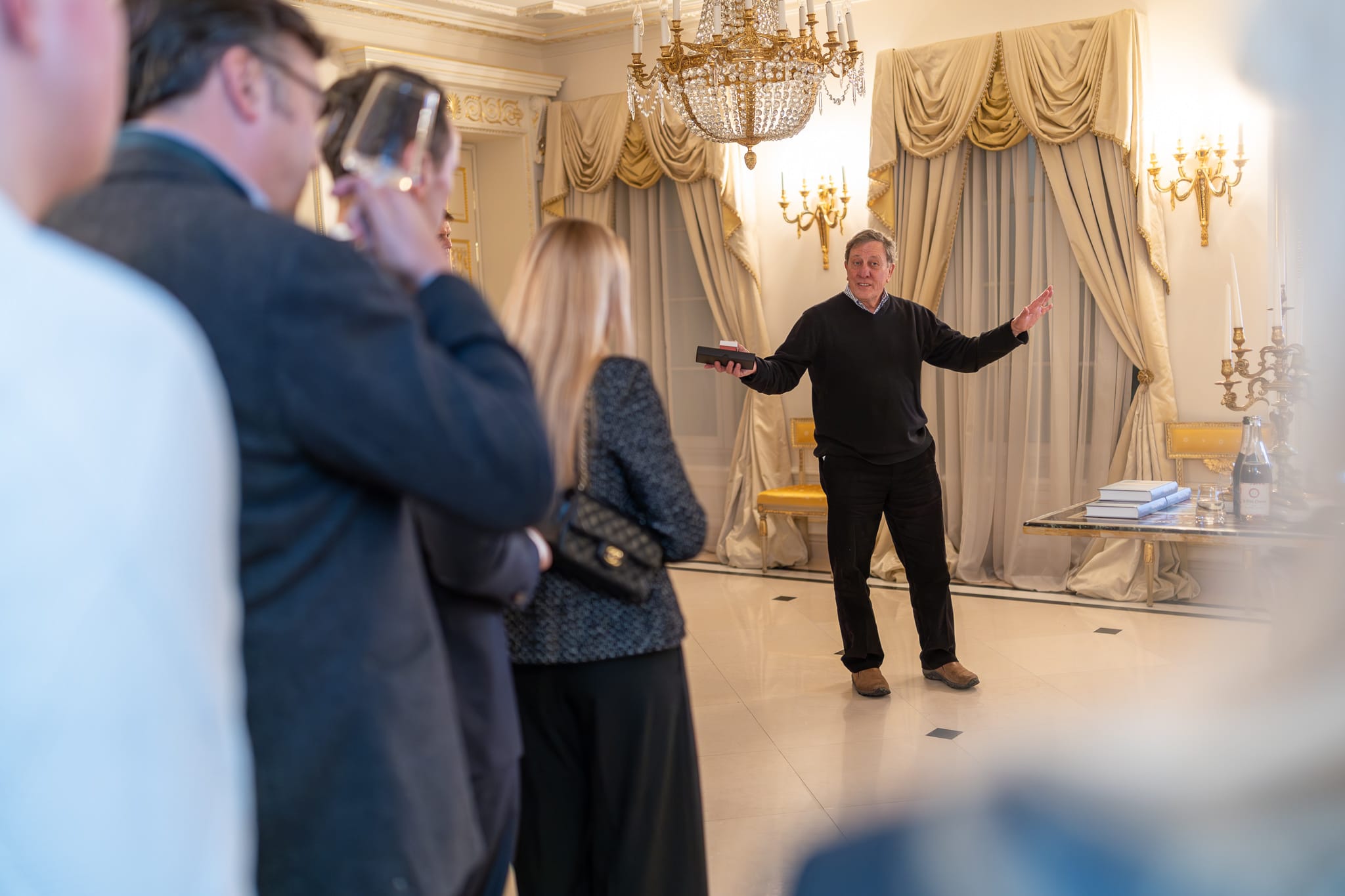
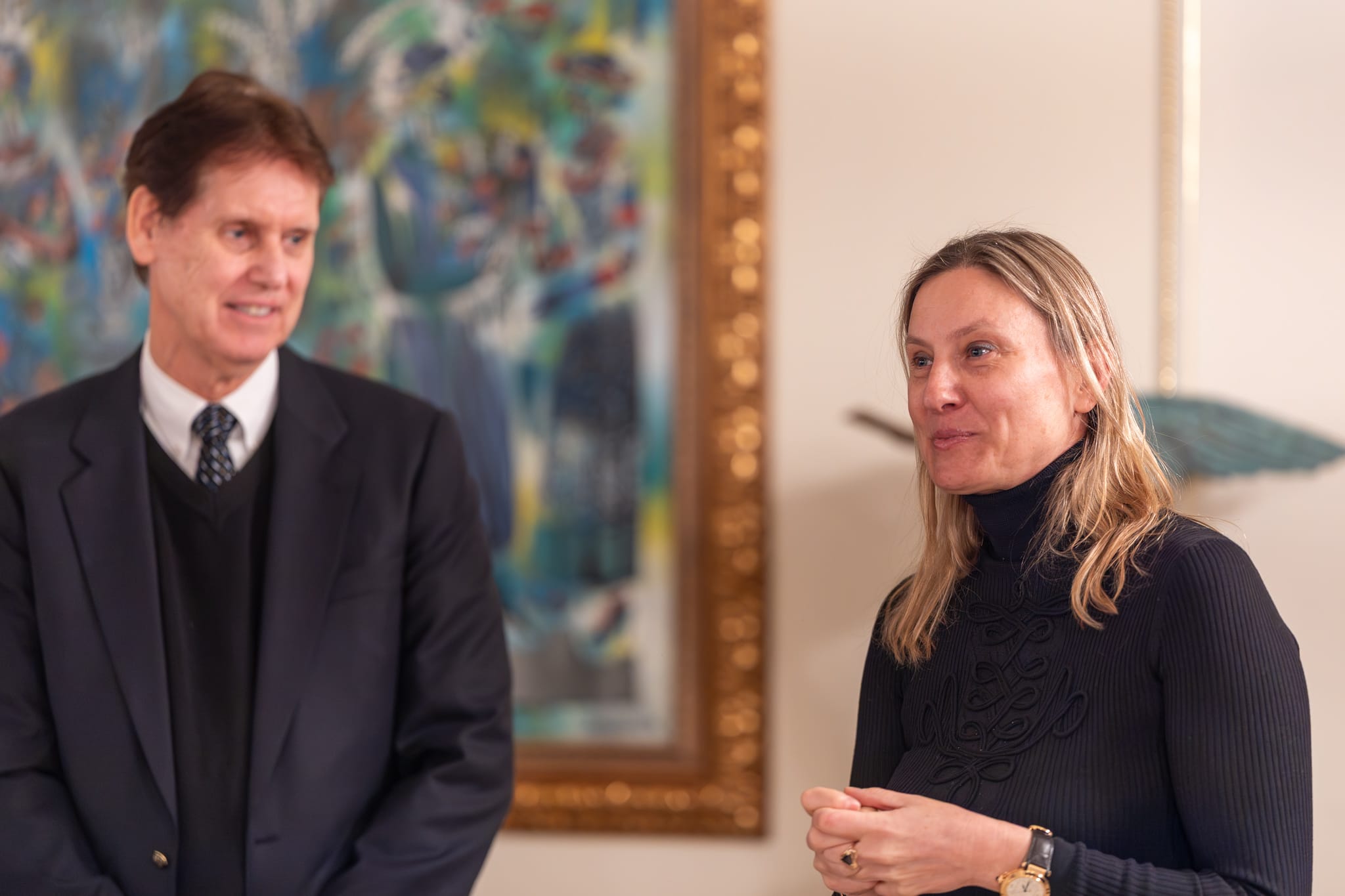
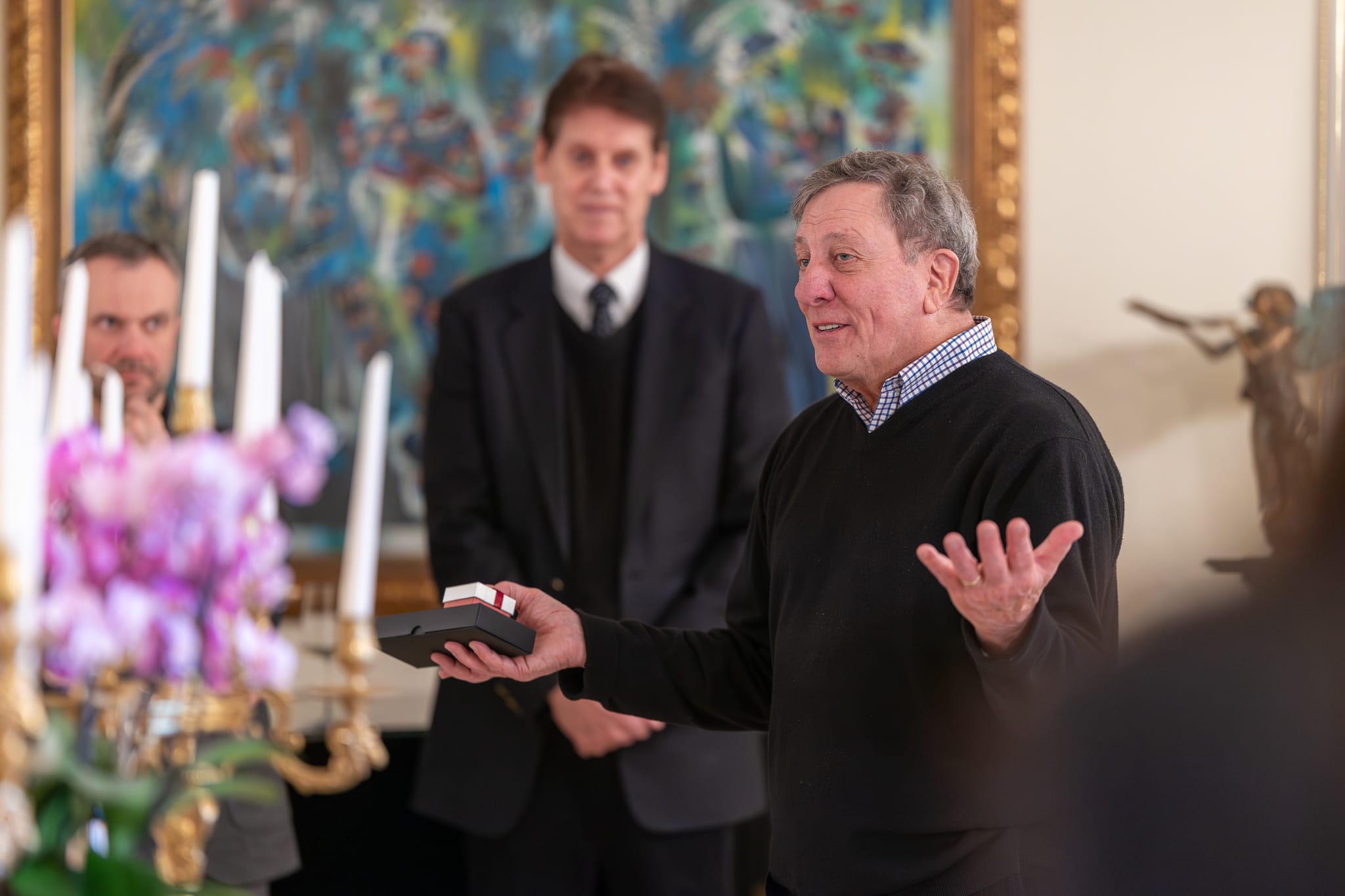
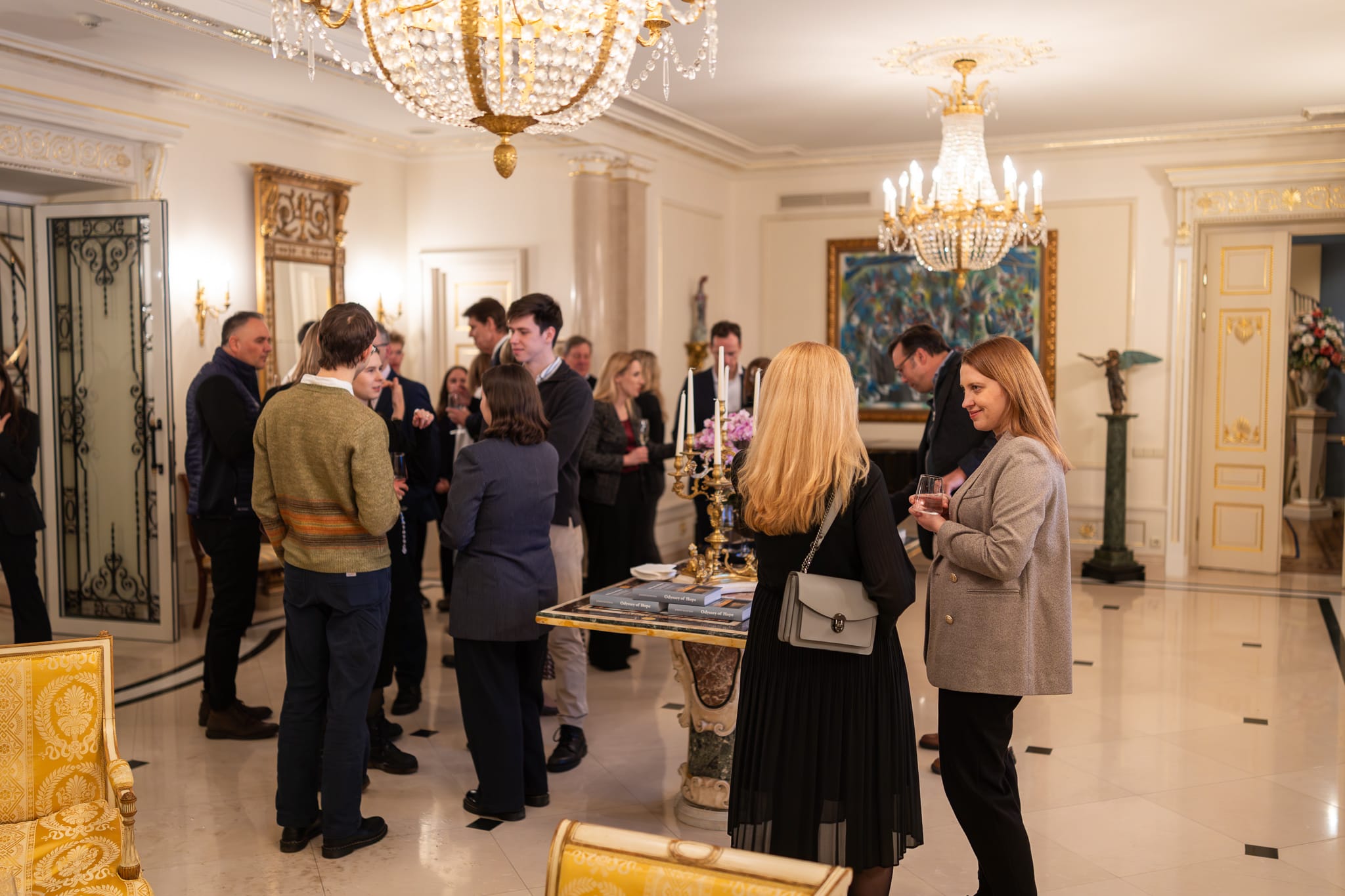
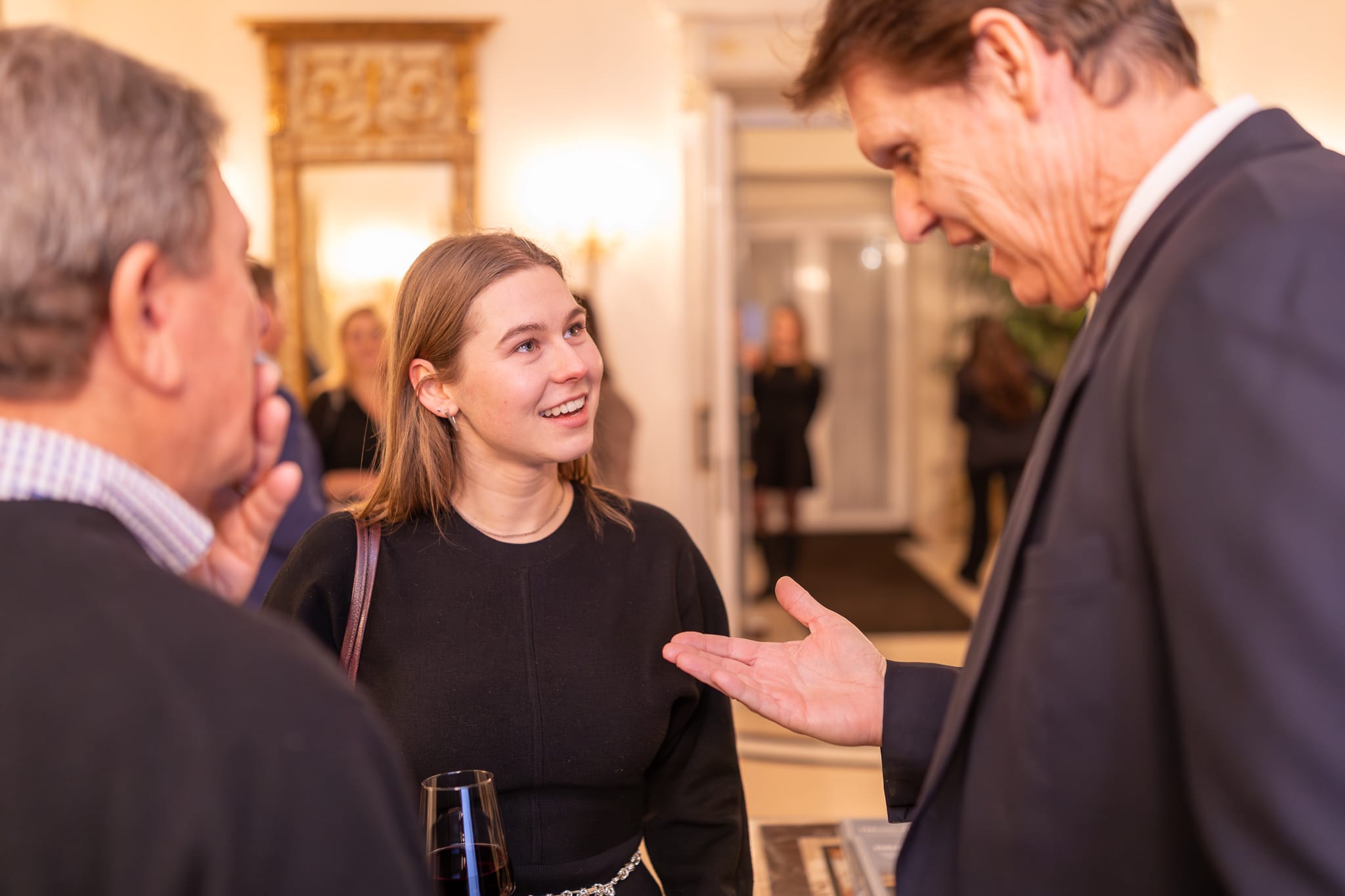
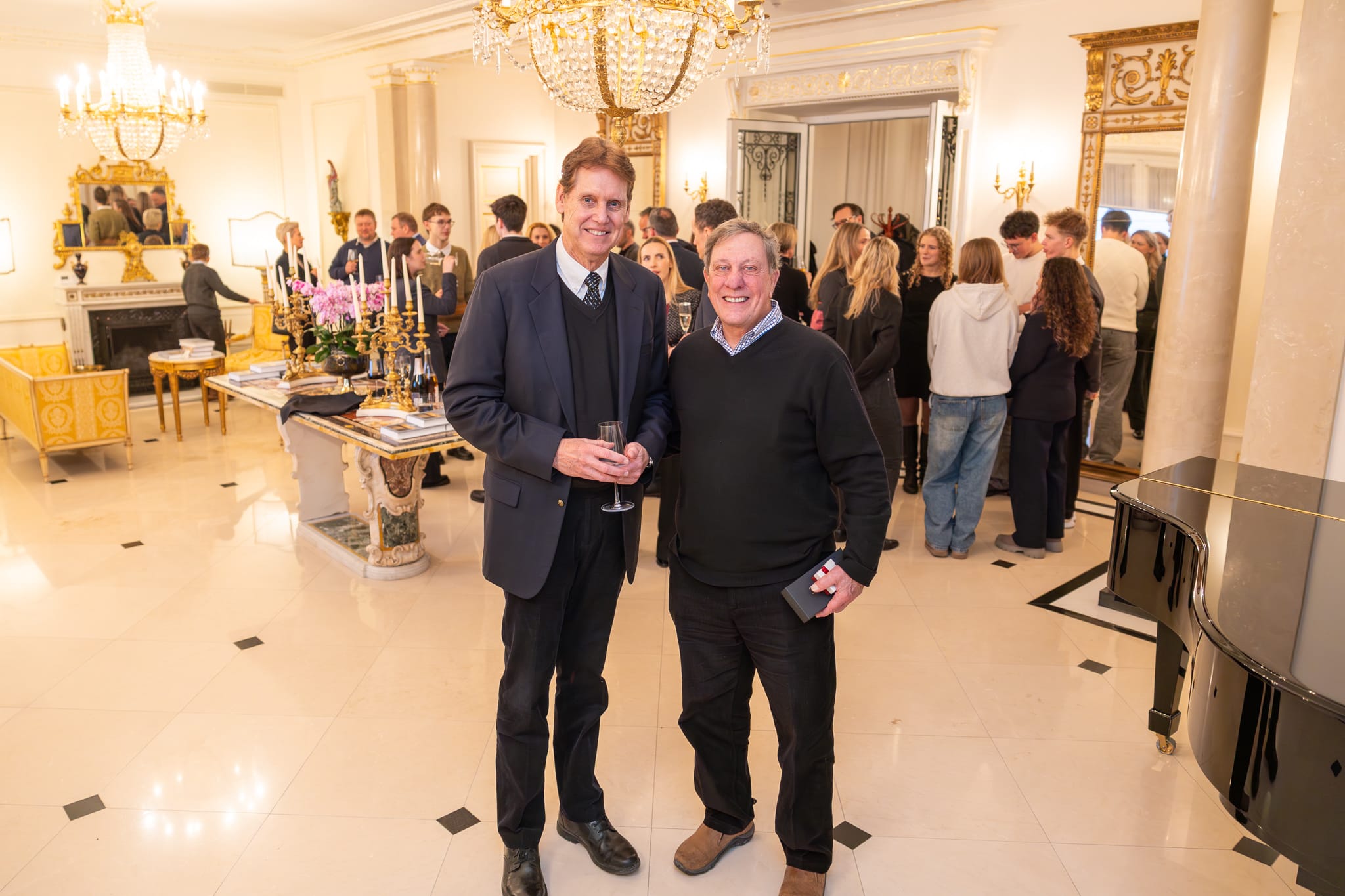
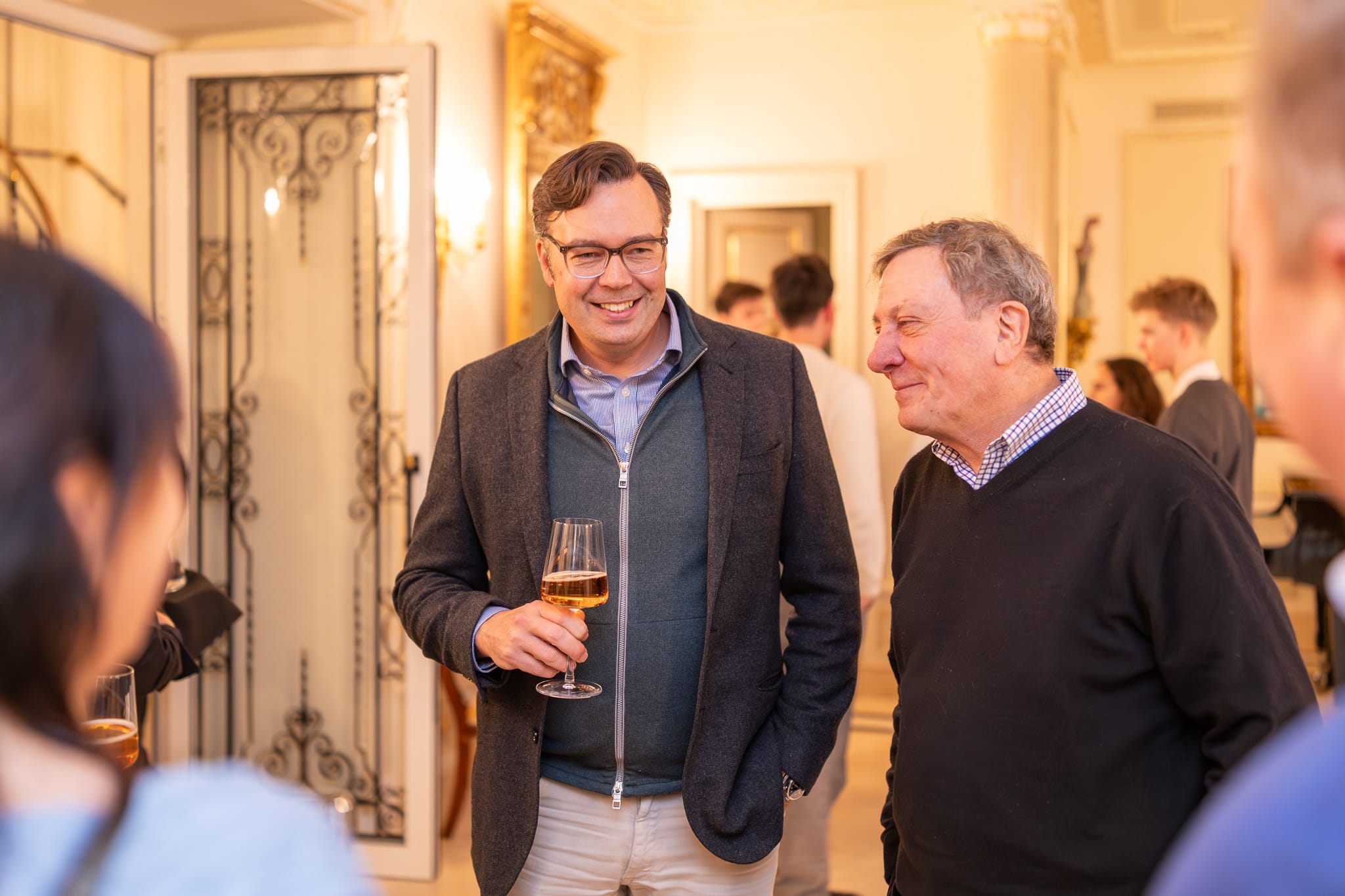
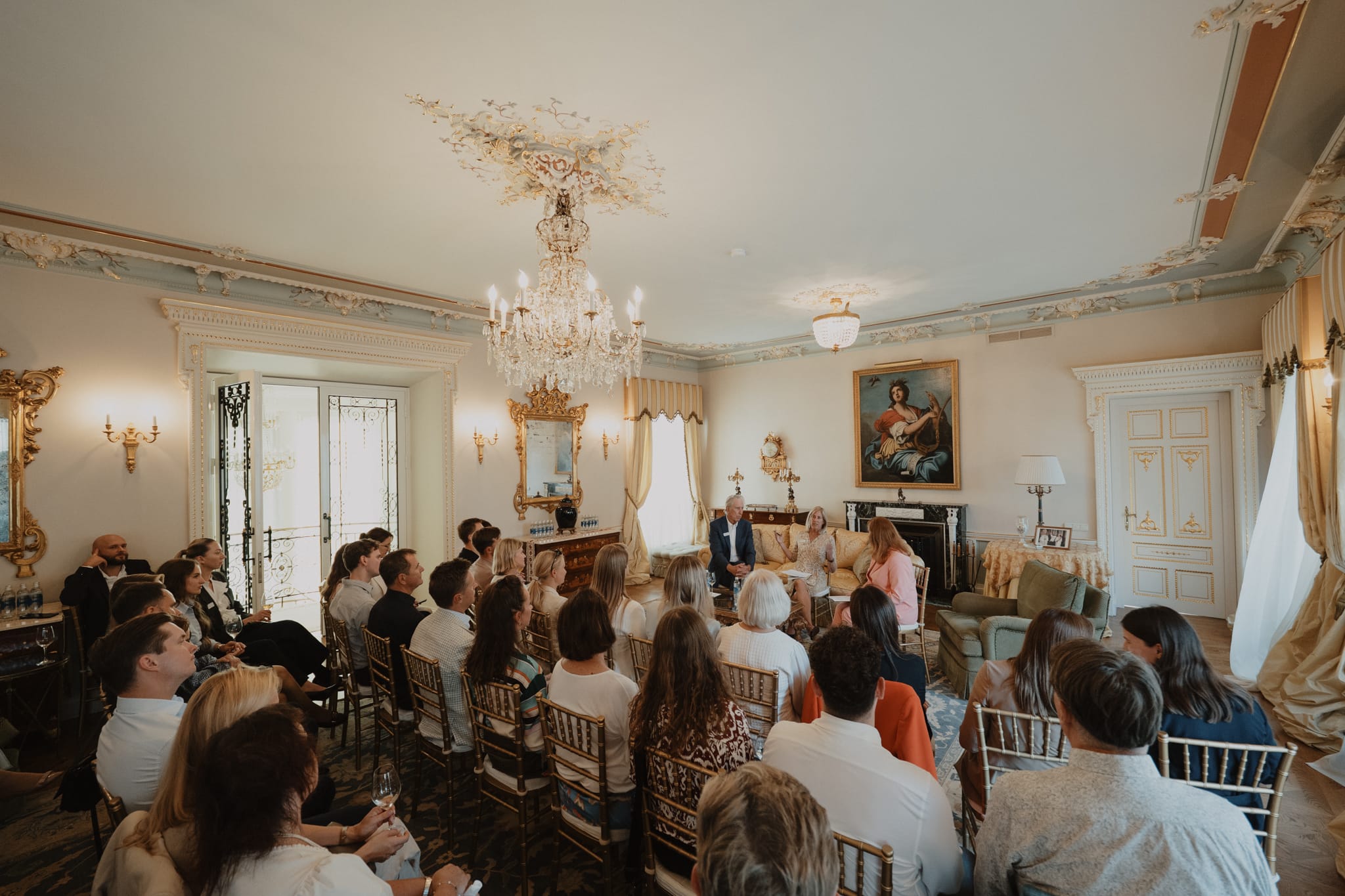
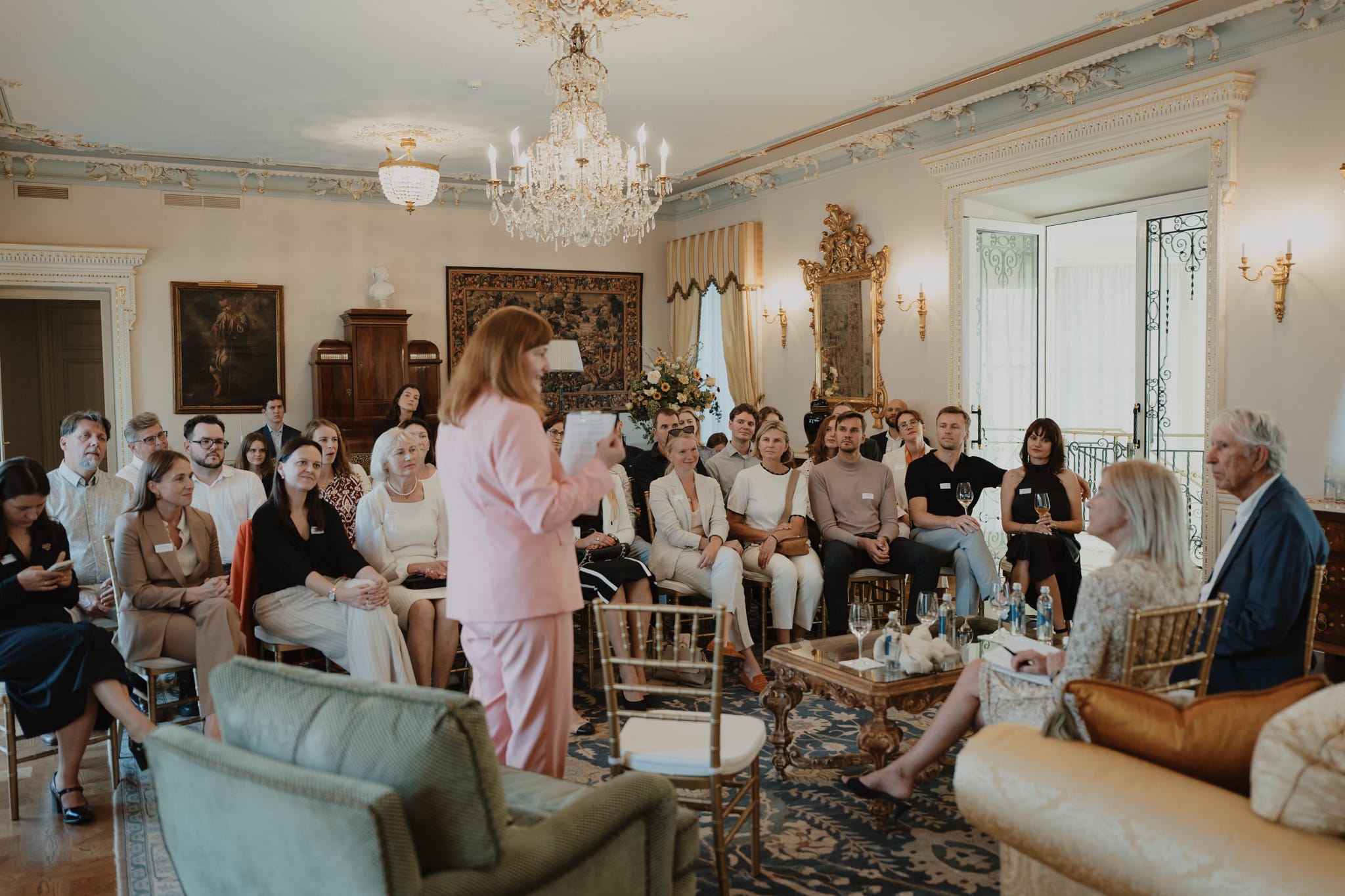
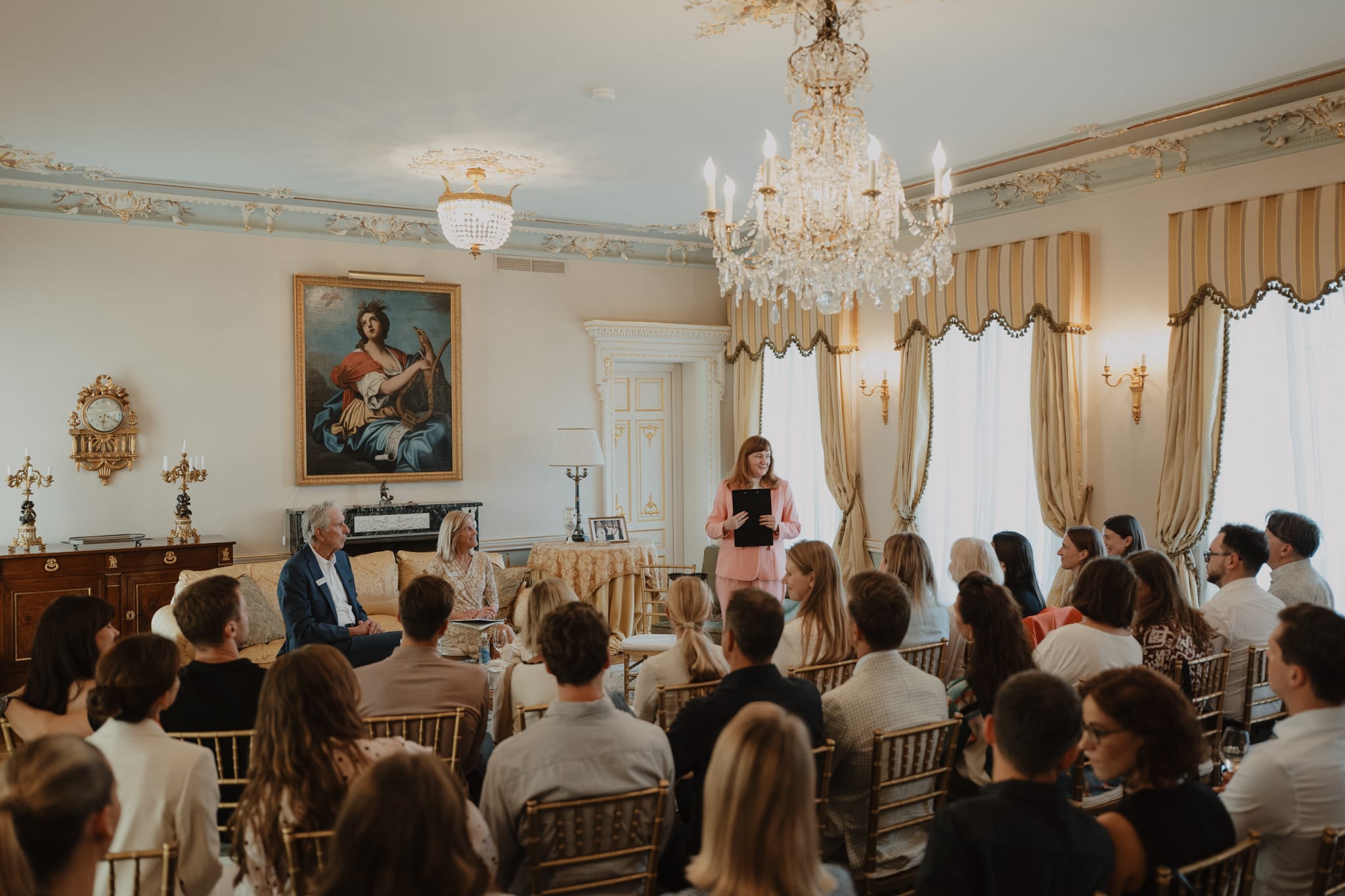
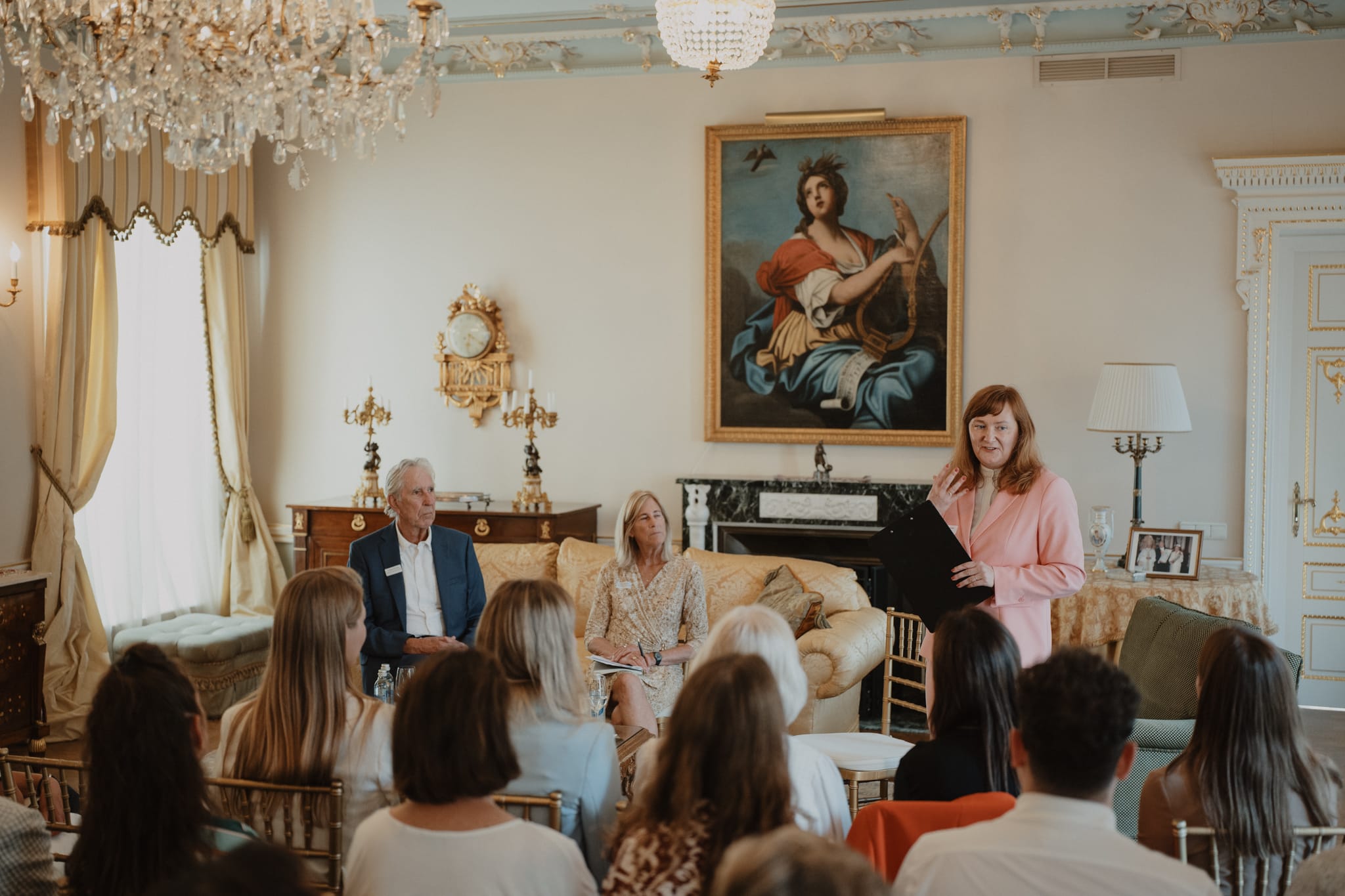
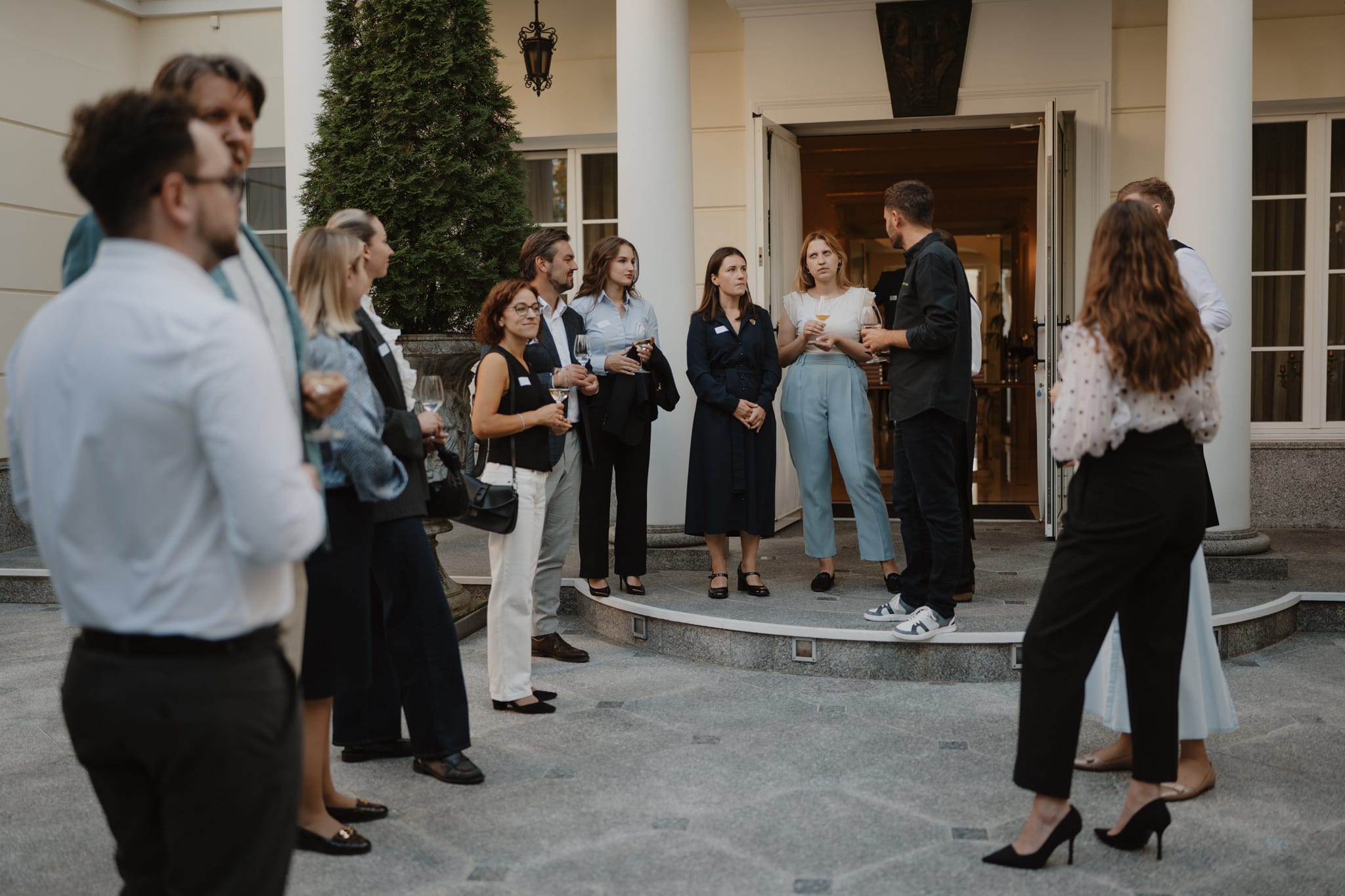
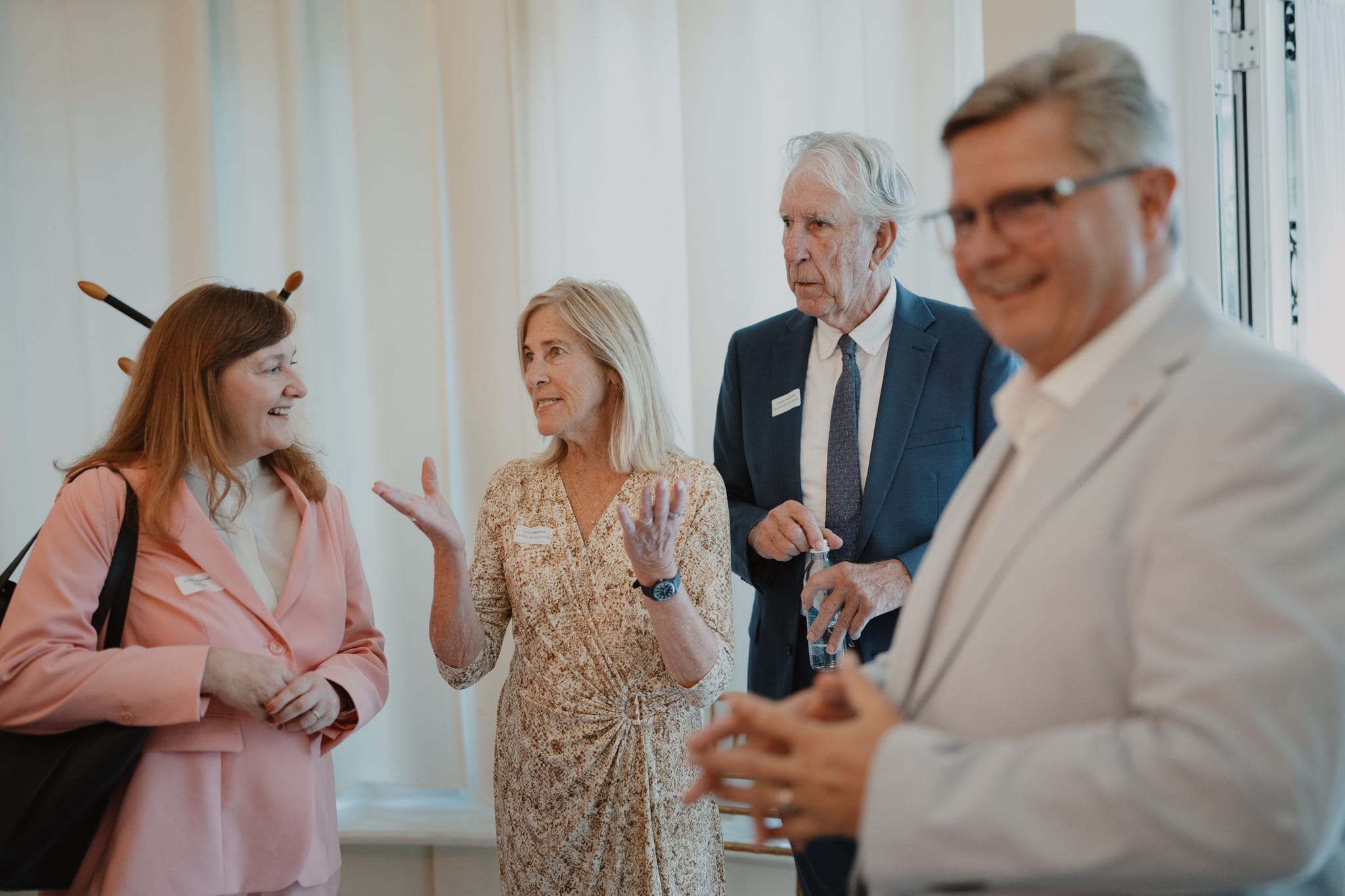
This topic received significant attention at the celebration of Uncommon LT’s fifth anniversary, during a discussion titled “How to Raise Children in the Age of Artificial Intelligence?” held in Vilnius at the Kazickas family residence. The event brought together more than 50 participants – parents, representatives of educational and non-governmental organizations, as well as technology-interested members and partners of the Uncommon LT community.

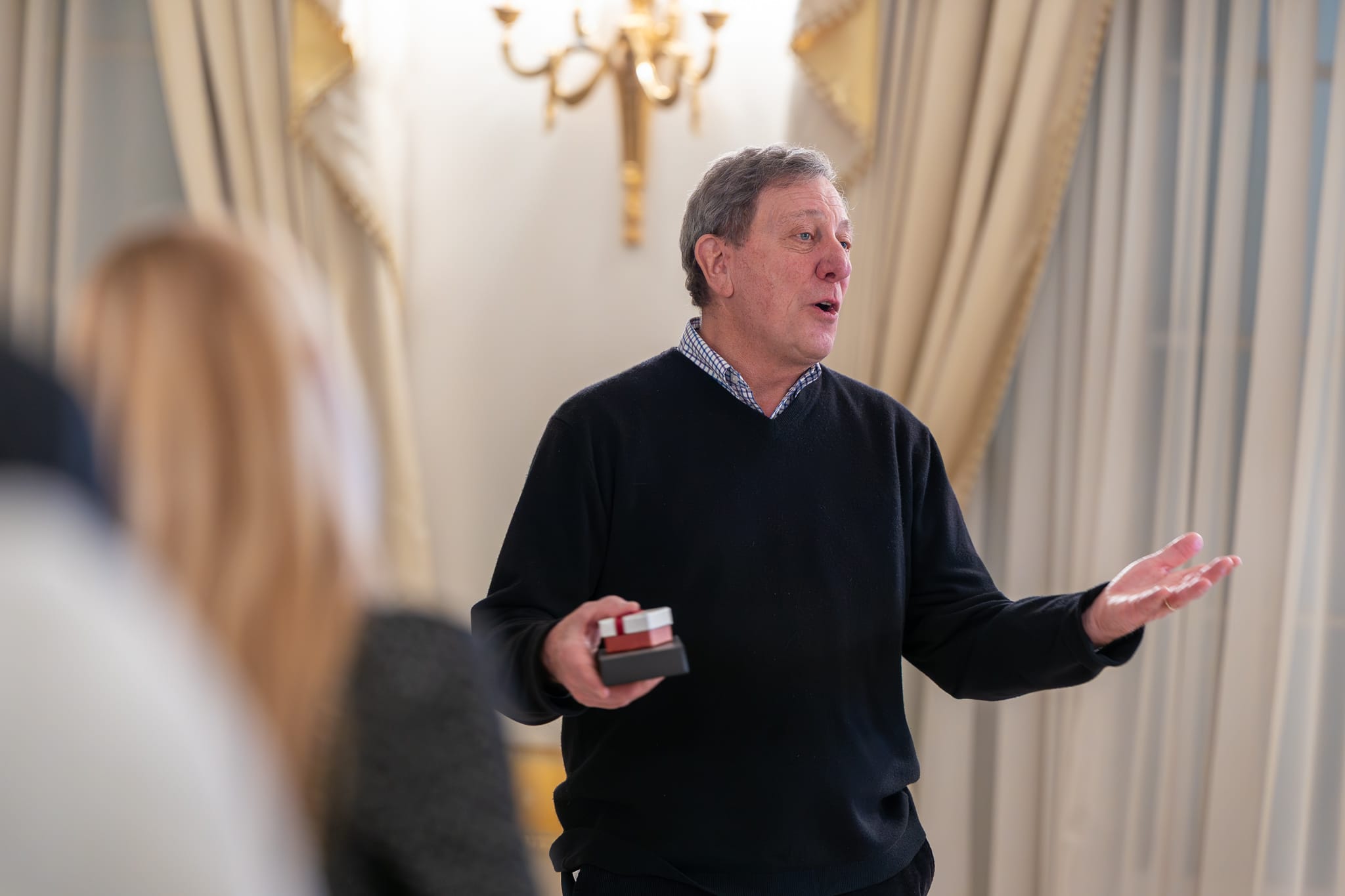
The discussion was moderated by political content creator Domantas Katelė. Participants included Uncommon LT founder Peter Kazickas; the hosts of the show “Du bitai”—Jonas Lekevičius, one of the founders of the Lithuanian Artificial Intelligence Association, and Lukas Keraitis, an IT educator and content creator; as well as Laura Daniusevičiūtė-Brazaitė, an associate professor at the Faculty of Social Sciences, Humanities, and Arts of Kaunas University of Technology.

AI has very quickly become part of children’s daily routines, yet clear principles for its use within families and educational settings remain confusing – from helping with learning or generating ideas to the temptation to “do homework” with just a few clicks. Today, the most important question for parents is not how to ban AI, but how to help children use it in ways that contribute to the development of critical thinking, independence, and self-confidence.

A key issue emerged during the discussion: the main risk does not stem from the technology itself, but from how adults use and regulate it. The idea was voiced that AI is increasingly shaping attention, behavior, and even values, which makes critical thinking for children not only an academic skill, but also an essential counterbalance in a rapidly changing information environment.


Why was this topic chosen for the Uncommon LT anniversary discussion?


The idea for the discussion arose from a practical need that the Uncommon LT team constantly encounters while working with parents, teachers, and training participants. In these situations, two opposing positions often become apparent – either a complete ban on technology or total passivity, leaving children to deal with it on their own.

Instead of extremes, the discussion emphasized the need for a more balanced approach – one based on understanding, practical skills, and a community where it is possible to openly talk about the rapidly changing technological environment and the importance of critical thinking.

This approach is directly linked to Uncommon LT’s mission: to provide inclusive, experience – and evidence-based education that develops both technical and social skills and strengthens self-confidence. Although technologies are changing extremely fast, the discussion highlighted that the human ability to learn, think critically, and create meaningful solutions remains a fundamental component.


The Role of Parents in the Age of Artificial Intelligence


The participants agreed that the first steps begin at home – with clear agreements, open conversations with children, and the ability to critically evaluate information together.

It is important not to look for quick answers, but to encourage the learning process itself: asking questions, doubting, and understanding how technologies influence everyday decisions.

When talking about artificial intelligence and children, the discussion stressed that the key issue is not the technologies themselves, but their impact. Unlike previous tools, AI not only provides information but also selects and structures it, often offering a single “best” answer.

This poses challenges for education and for the role of parents—how to raise independently thinking children in an environment where answers are available instantly and attention is increasingly shaped by algorithms. In the Lithuanian context, critical thinking takes on an even broader meaning—it is understood not only as part of education, but also as an important civic competence.

Therefore, the discussion emphasized that the question is not whether children should use artificial intelligence, but how to set boundaries and ensure that technology supports learning without replacing the thinking process itself.

About Uncommon LT

Uncommon LT is a practical education program focused on technology, artificial intelligence, and soft skills, designed for people of different ages who seek to strengthen their competencies in a rapidly changing world. The program is run by a two-person team—program director Ieva Klungytė and project manager Matas Meškauskas. Its activities are based on experiential learning, support for individual growth, and structured training modules covering both technical and social skill development. The Kazickas Family Foundation initiated and is the main supporter of the program.

By working with young people, adults, and seniors, the Uncommon LT team aims to help participants acquire practical skills, strengthen self-confidence, and better navigate the future labor market. The organization’s goal is to contribute to the growth of a technologically literate and resilient society, ensuring that AI tools are understandable and accessible to everyone, and that learning translates into real opportunities.


Educate, Not Ban: A Discussion at the Uncommon LT Anniversary   Read More »