News & Stories

KFF in Estonia

Business Trip to Estonia: Strengthening Baltic and Diaspora Connections

KFF Business Trip to Estonia: Strengthening Baltic and Diaspora Connections

Estonia is one of Lithuania’s closest regional partners, with well-established diaspora, academic, and cultural networks that continue to offer strong potential for cooperation.

KFF in Estonia

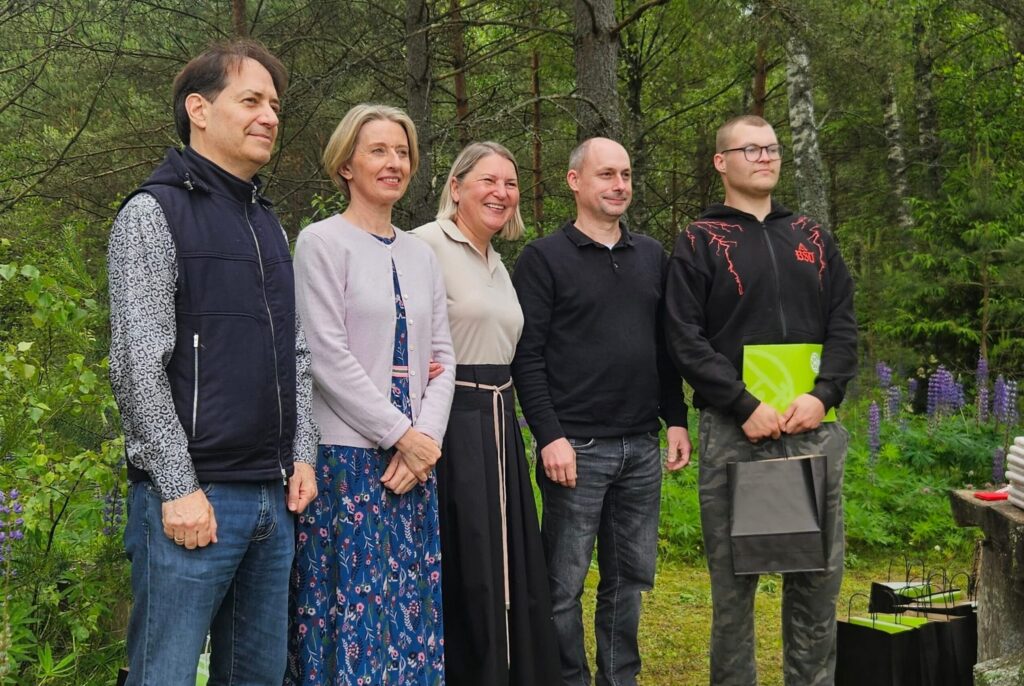
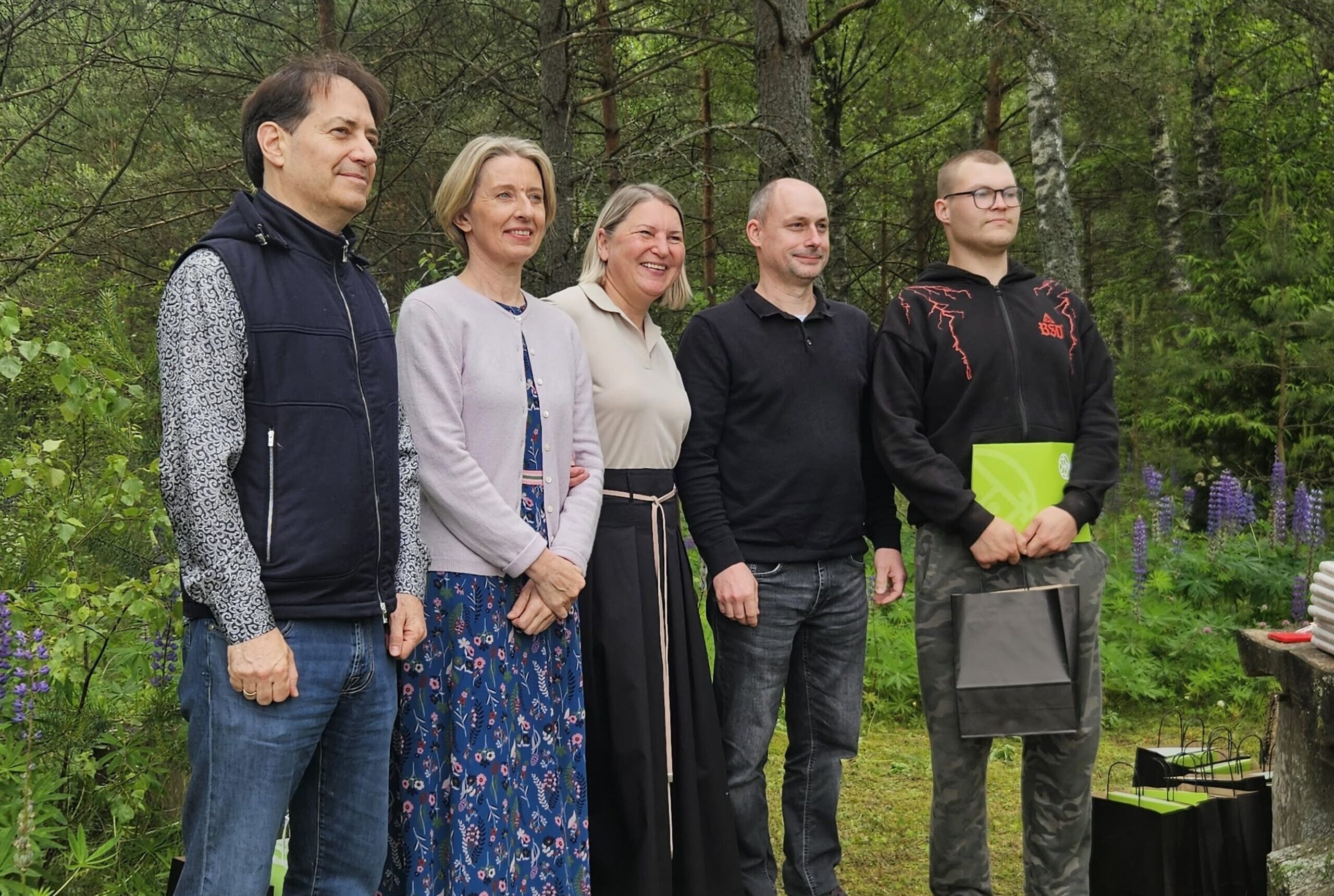
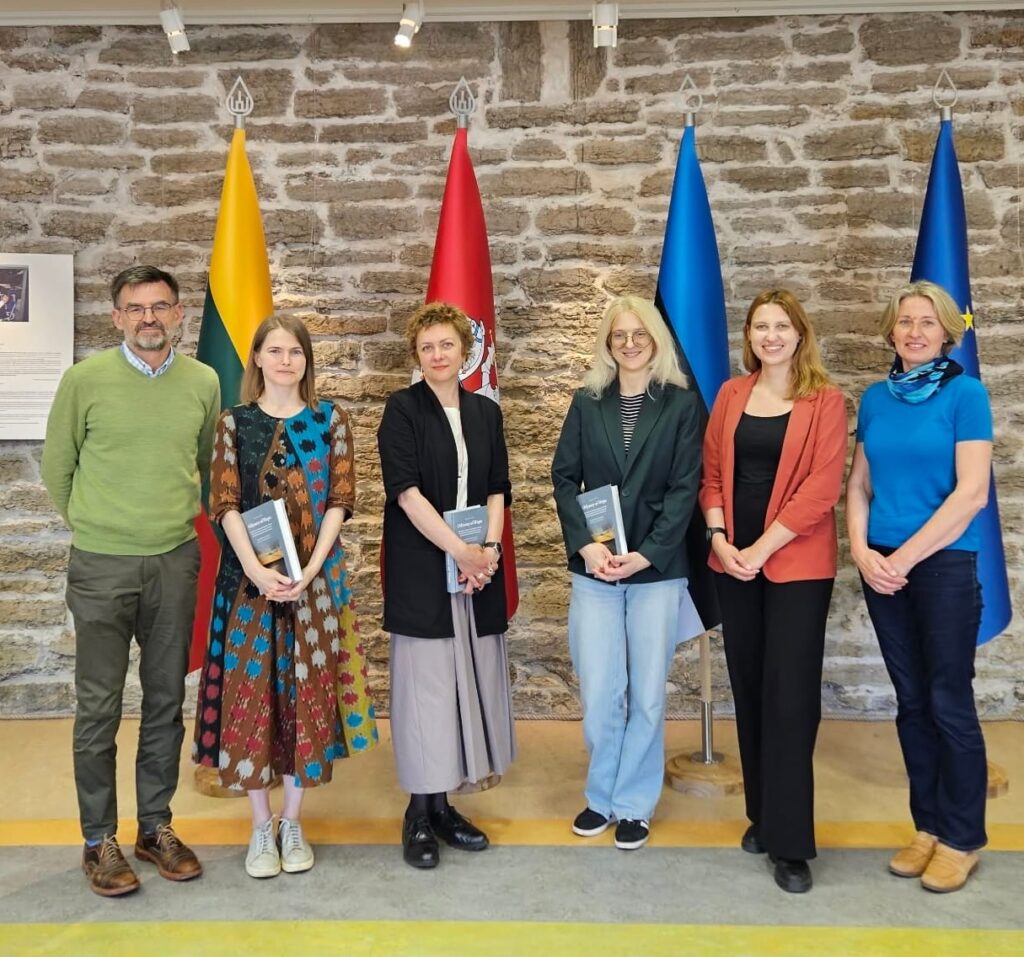
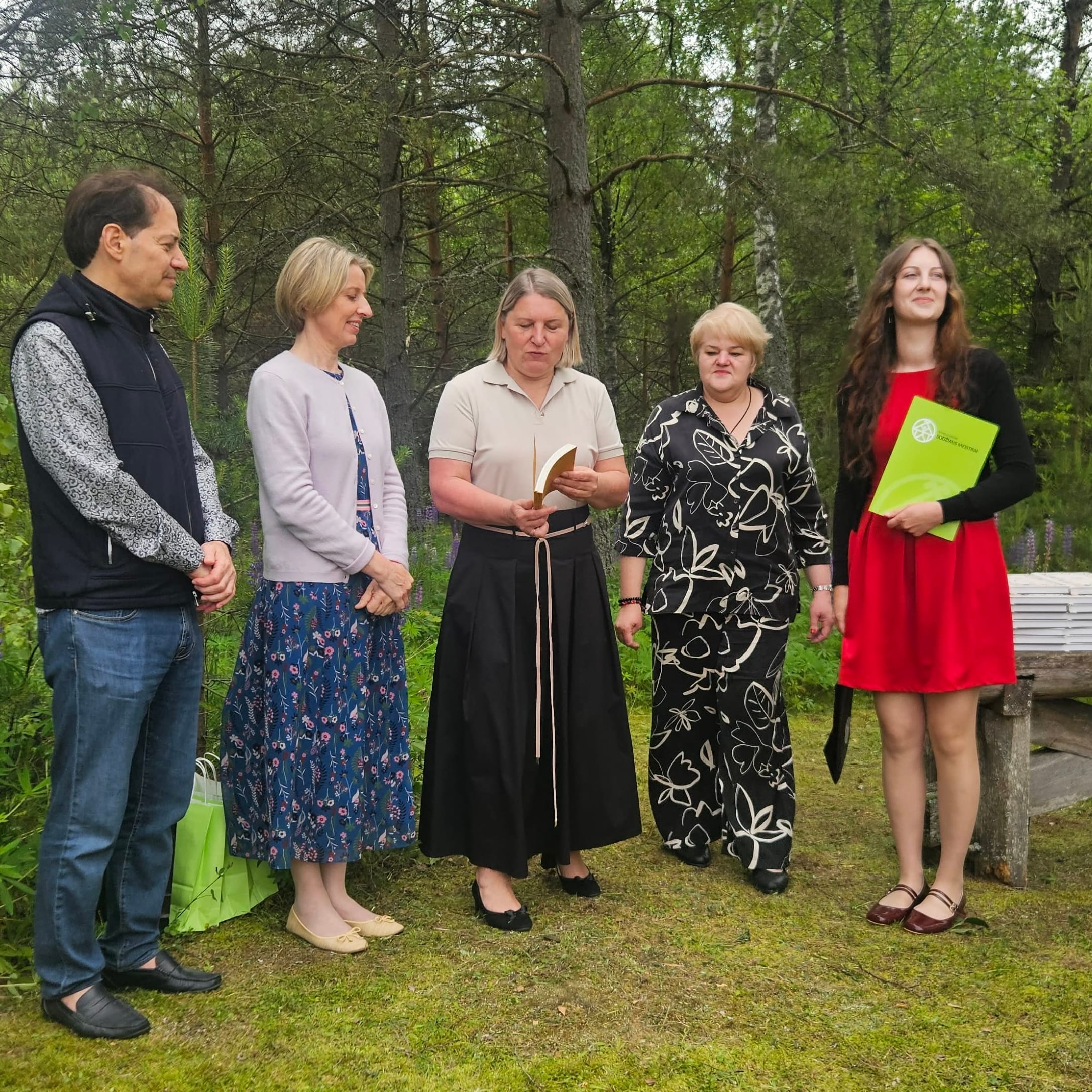
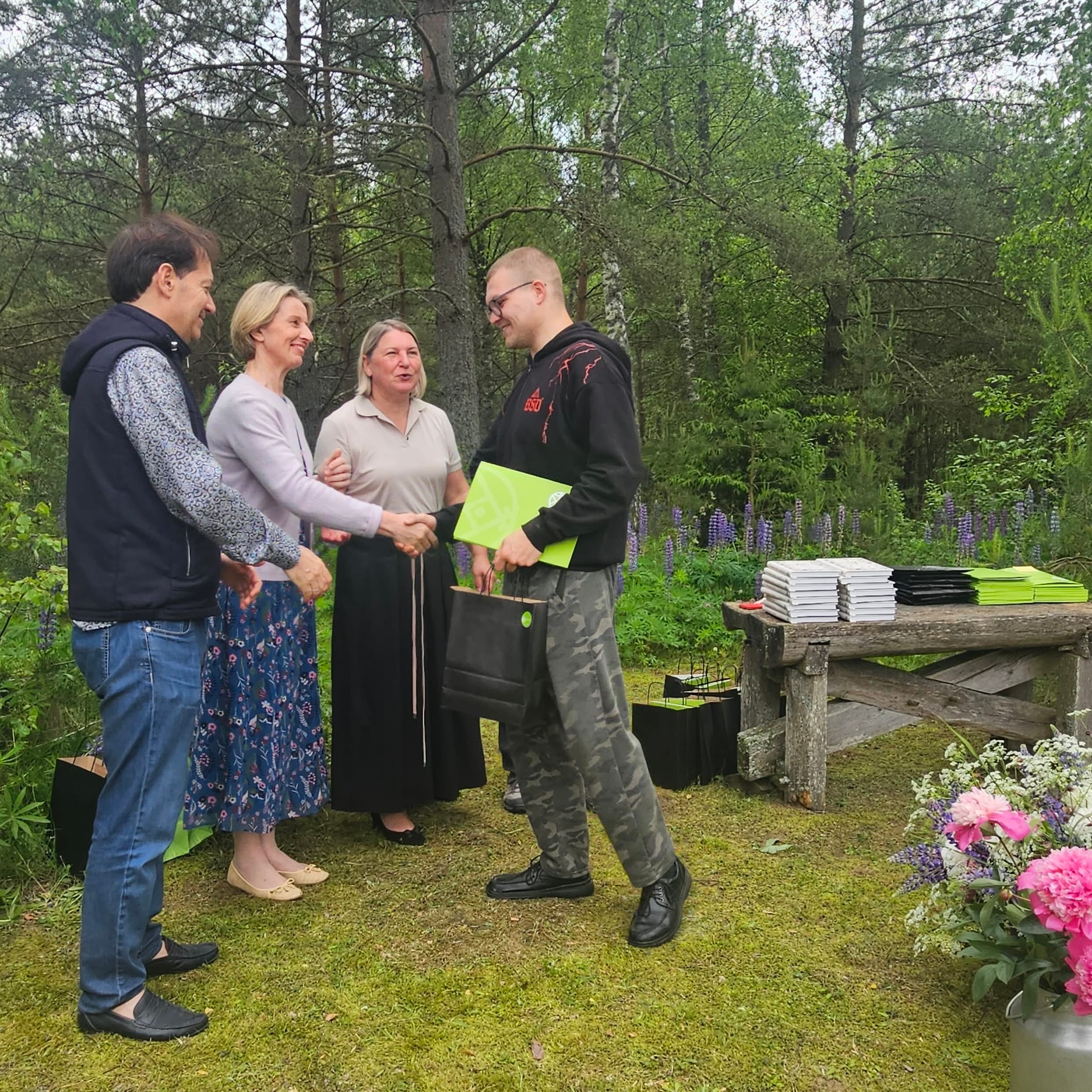
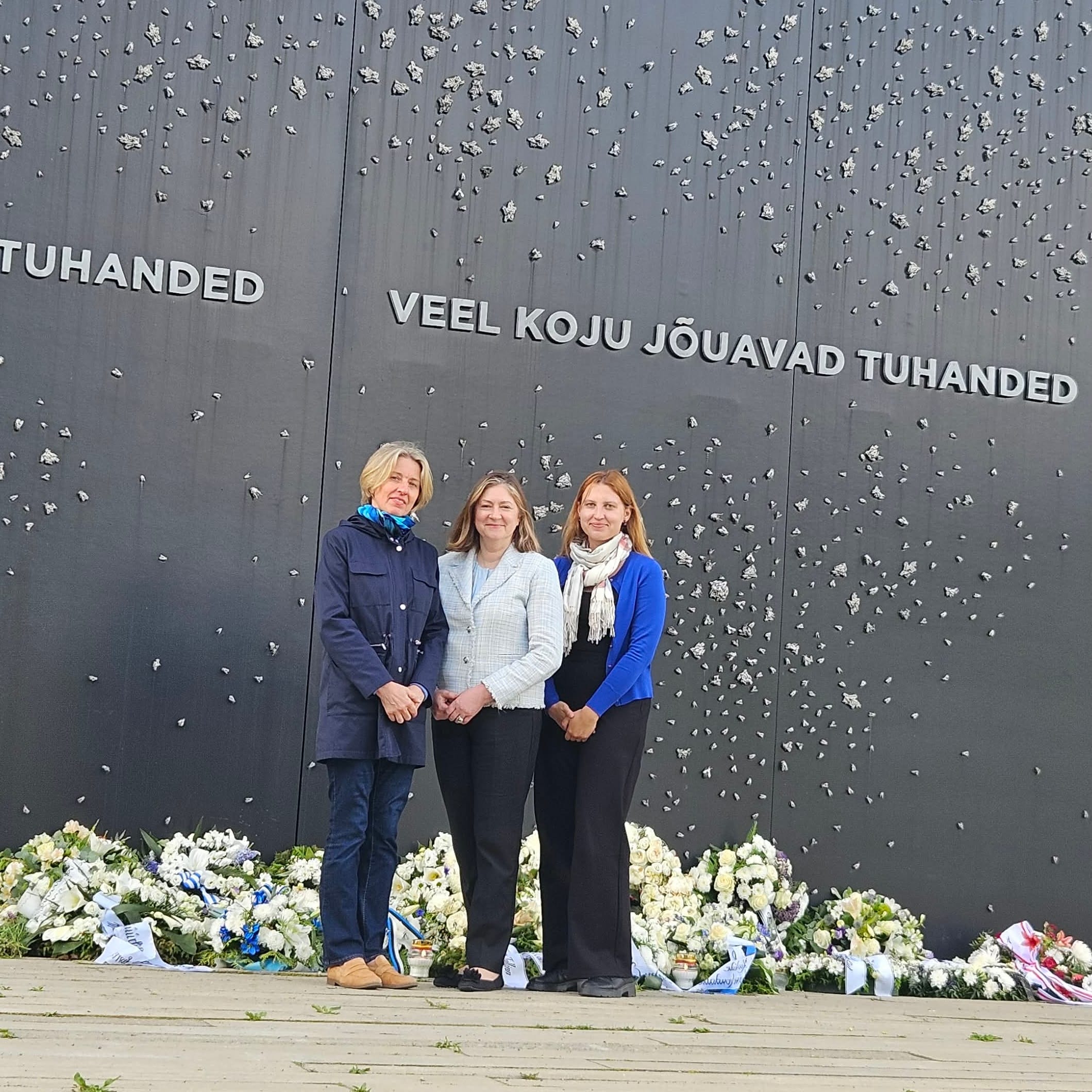
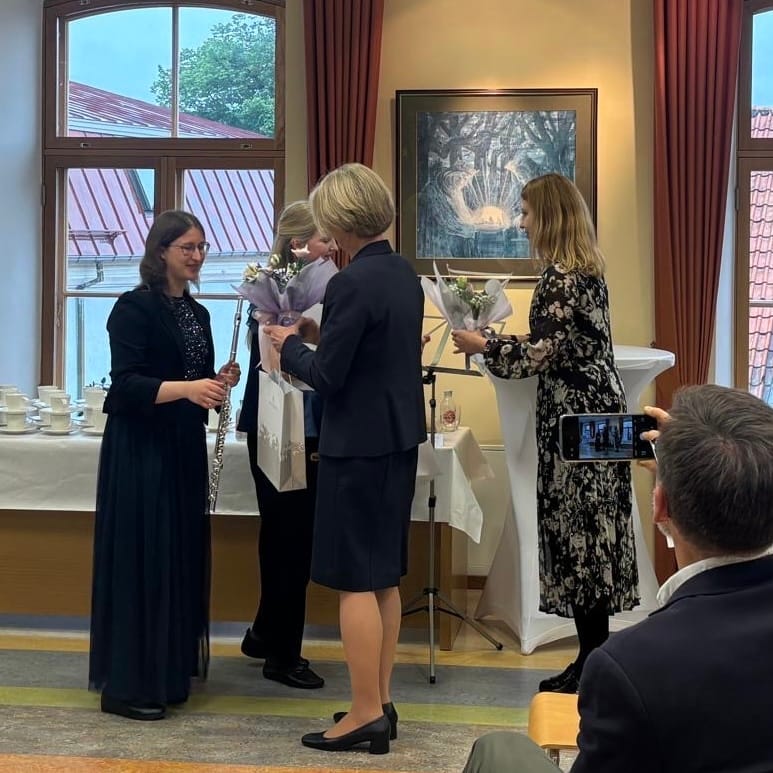
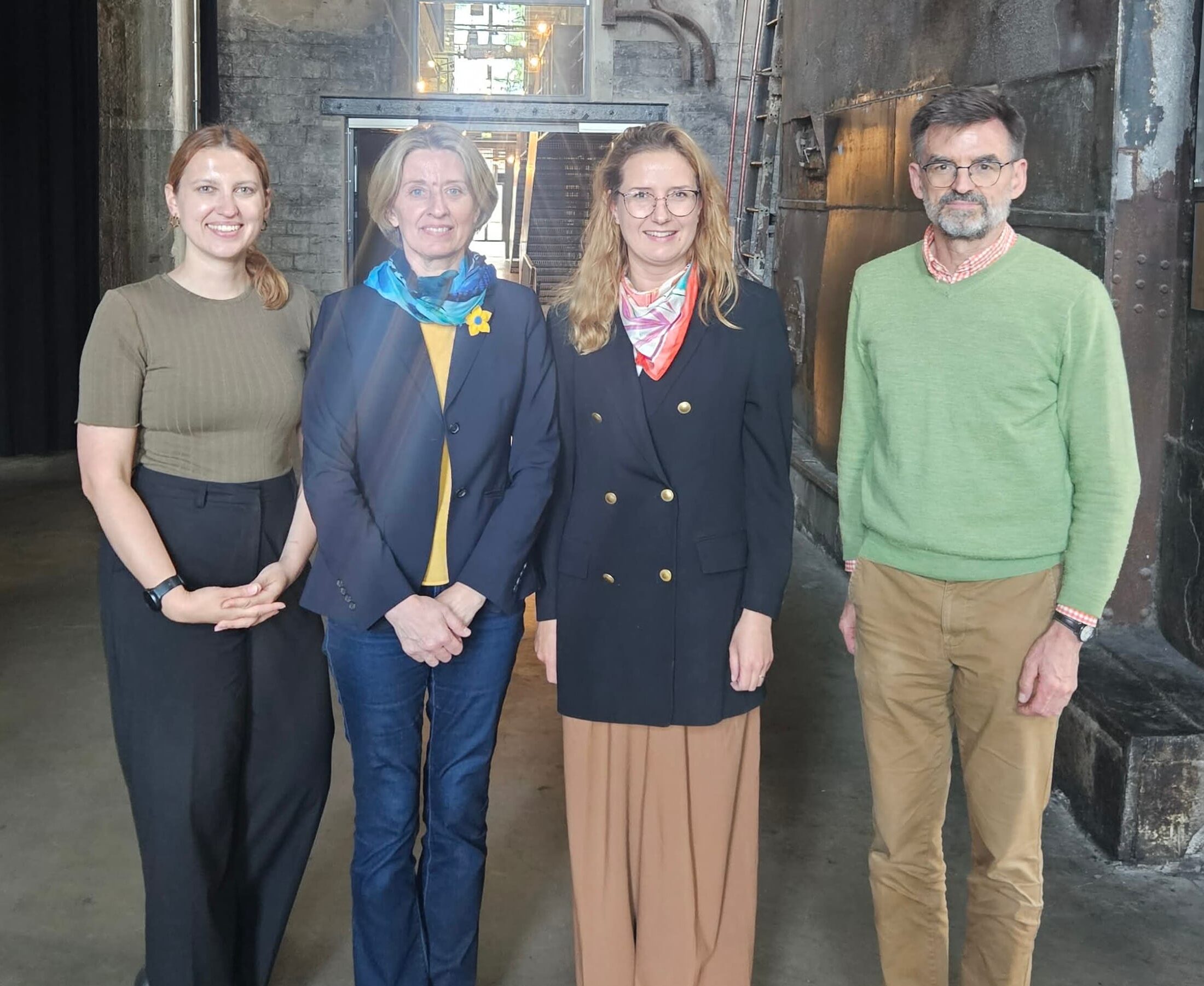
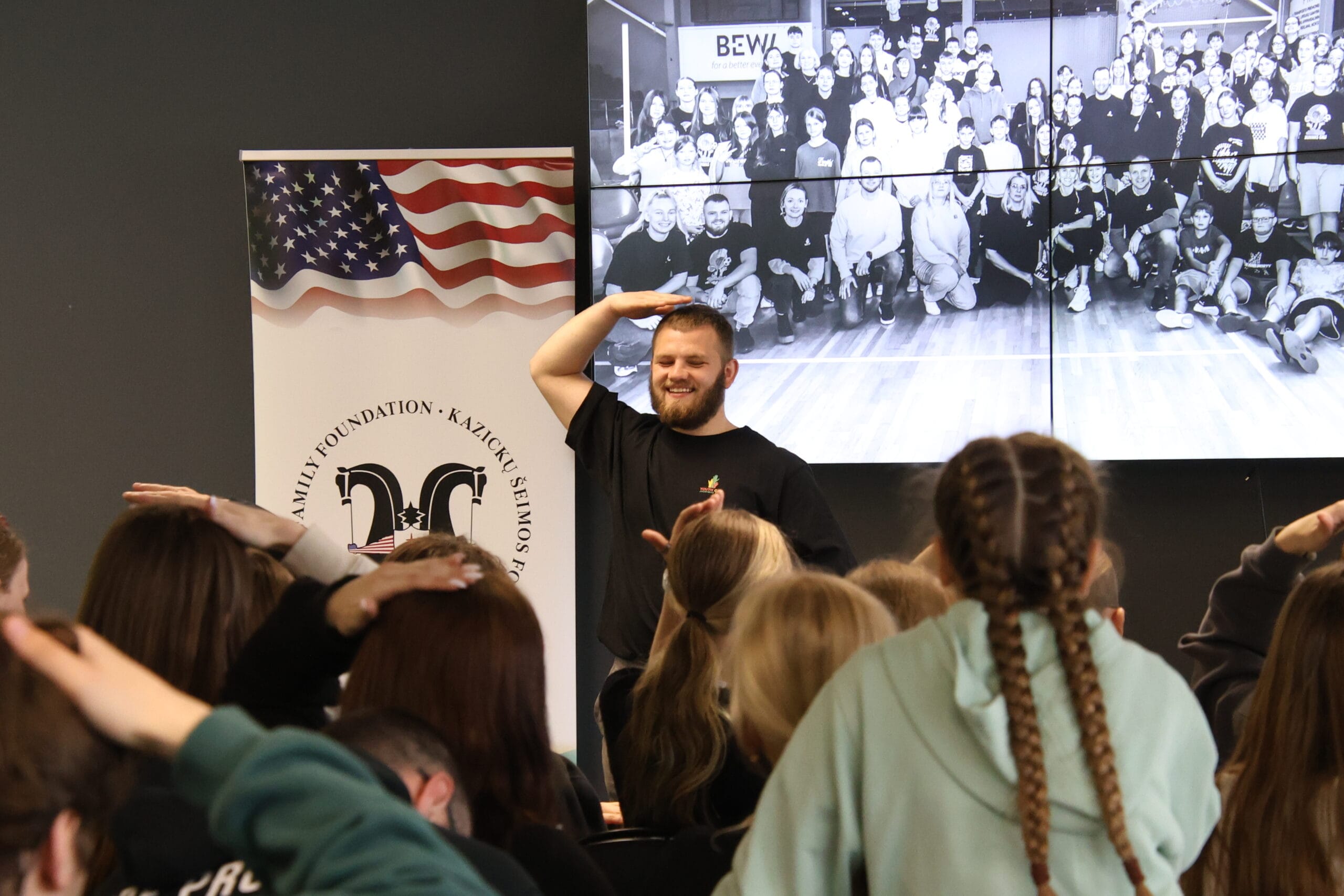
A recent visit to Tallinn and Tartu on June 16–18 by representatives of the Kazickas Family Foundation – Neila Baumilienė, Executive Director in the United States, and Monika Zavistanavičiūtė, Acting Executive Director in Lithuania – highlighted the growing importance of these connections and the role of sustained engagement across the Baltic region.

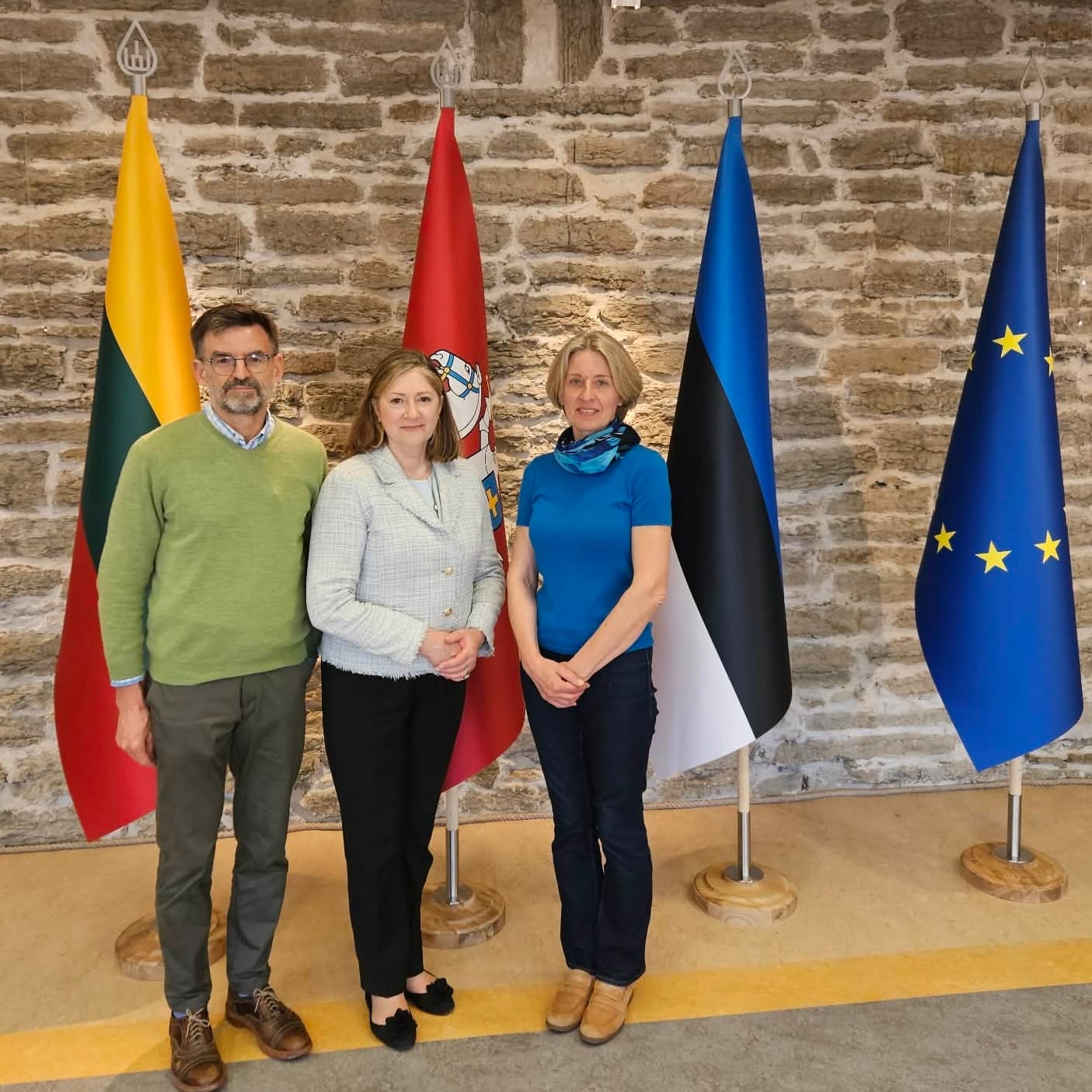
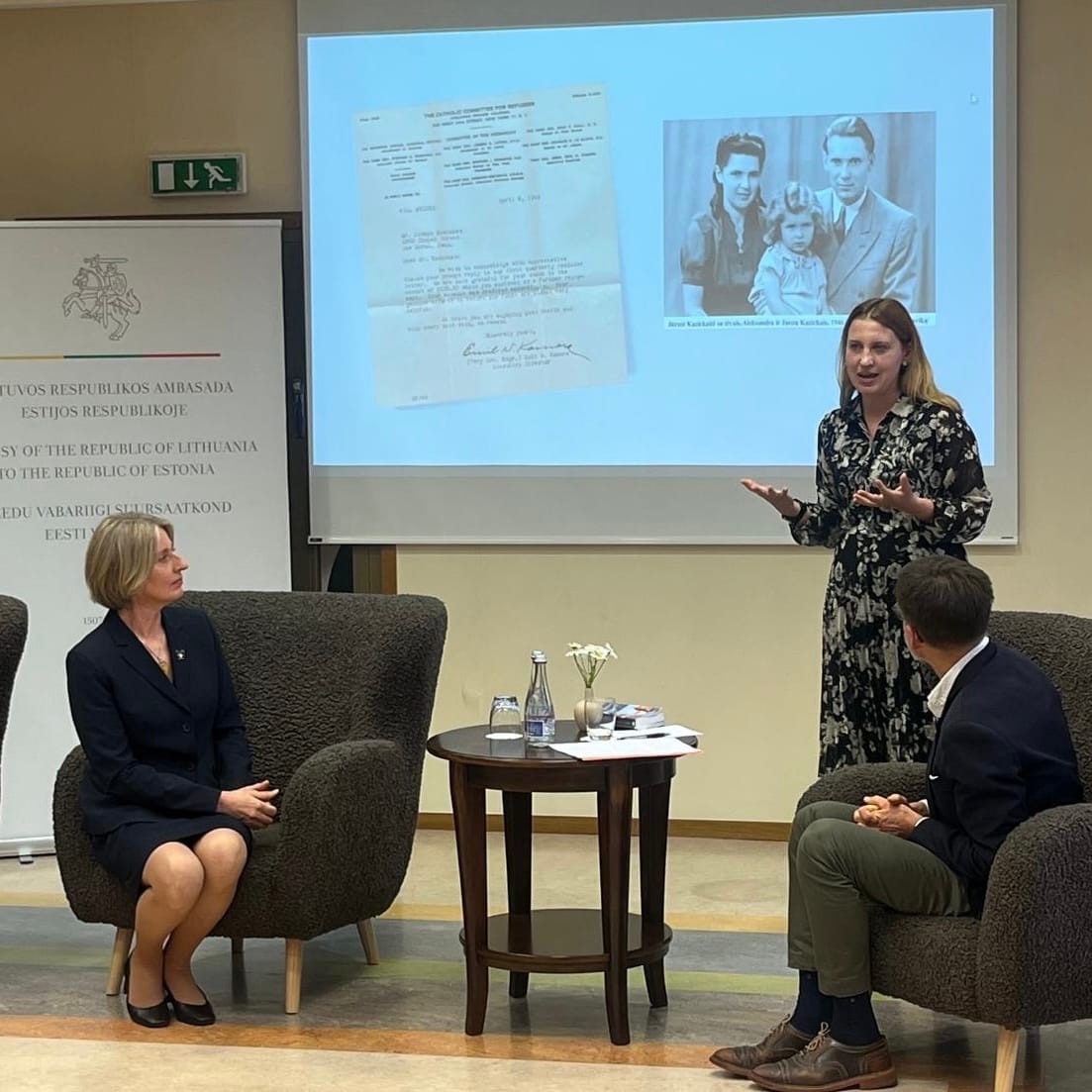
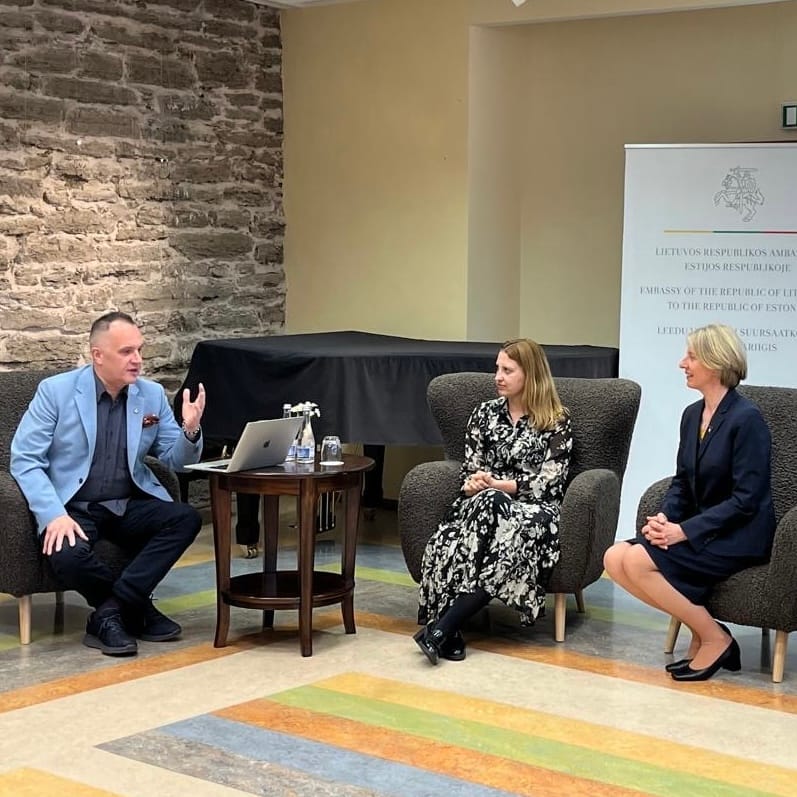
The visit, held at the invitation of H.E. Gitana Skripkaitė, Ambassador at Embassy of the Republic of Lithuania to the Republic of Estonia, focused on presenting Dr. Joseph P. Kazickas’ memoir, Odyssey of Hope, and introducing the KFF’s work to the Lithuanian community in Estonia and international audiences. It also provided an opportunity to deepen relationships with academic and cultural partners in Estonia and to explore new areas of collaboration.

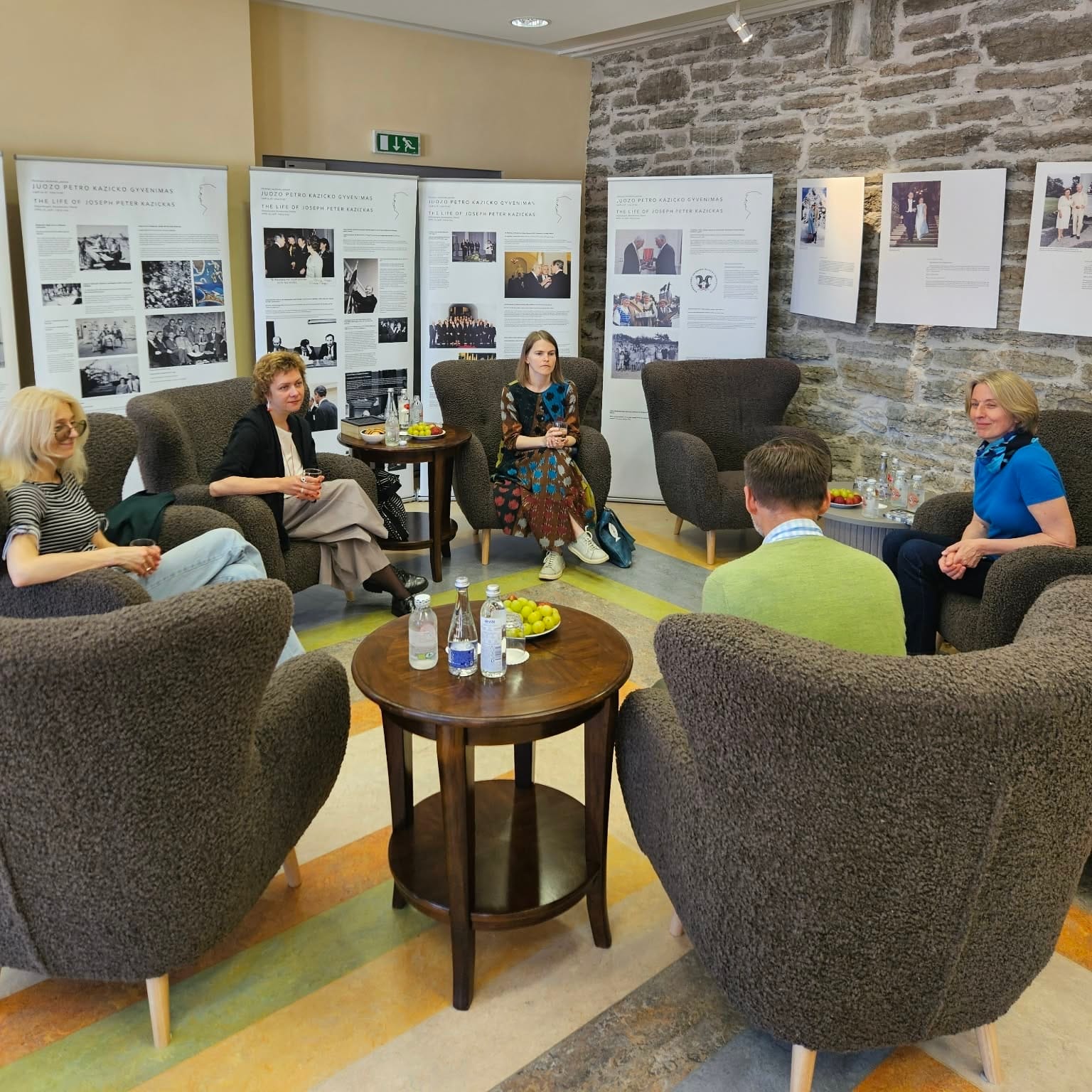
Meetings in Tallinn and Tartu brought together representatives of diplomacy, academia, and the Lithuanian-Estonian community. At the Lithuanian Embassy in Estonia, discussions centred on diaspora engagement and ongoing priorities for community outreach. With support from Bradley Woodworth, Head of the Baltic Studies Program at Yale University, KFF also met with Estonian Yale postdoctoral alumni to exchange research perspectives and consider future academic cooperation across the Baltic region.

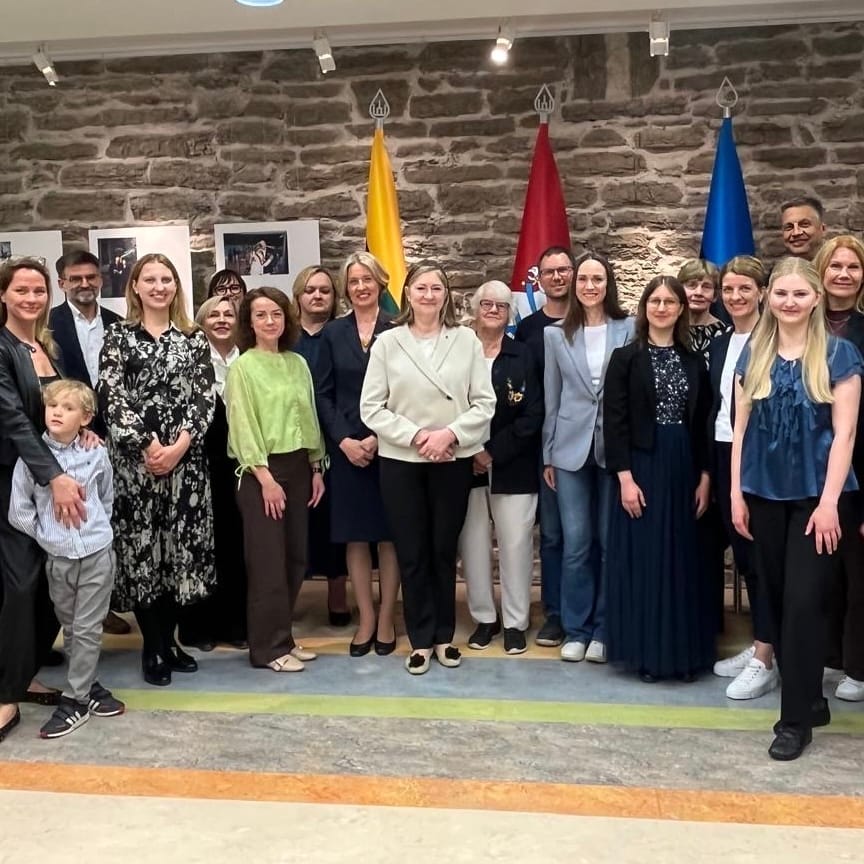
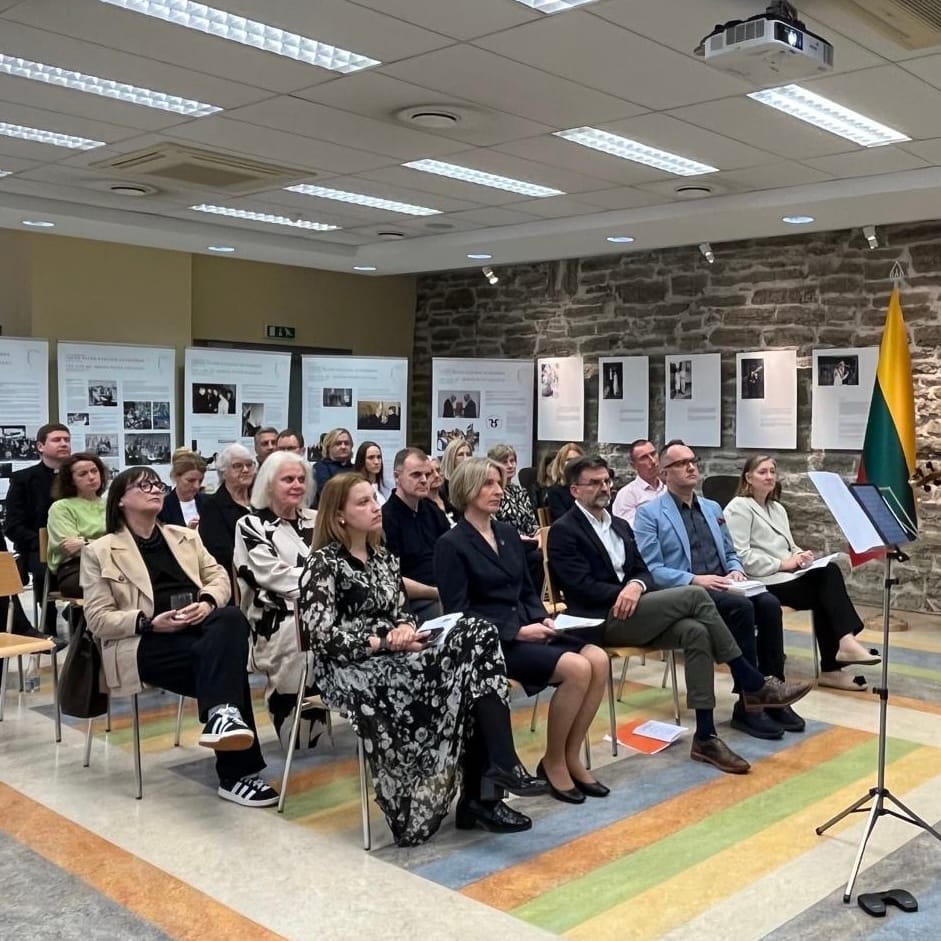
In Tartu, conversations with Lithuania’s Honorary Consul Birutė Klaas-Lang focused on heritage language education and the role of diaspora institutions in maintaining cultural identity. In Tallinn, a gathering of the Lithuanian-Estonian community brought together around 30 participants for a presentation and discussion on the legacy of Dr. Joseph P. Kazickas and Alexandra Kazickas and the Foundation’s ongoing initiatives.

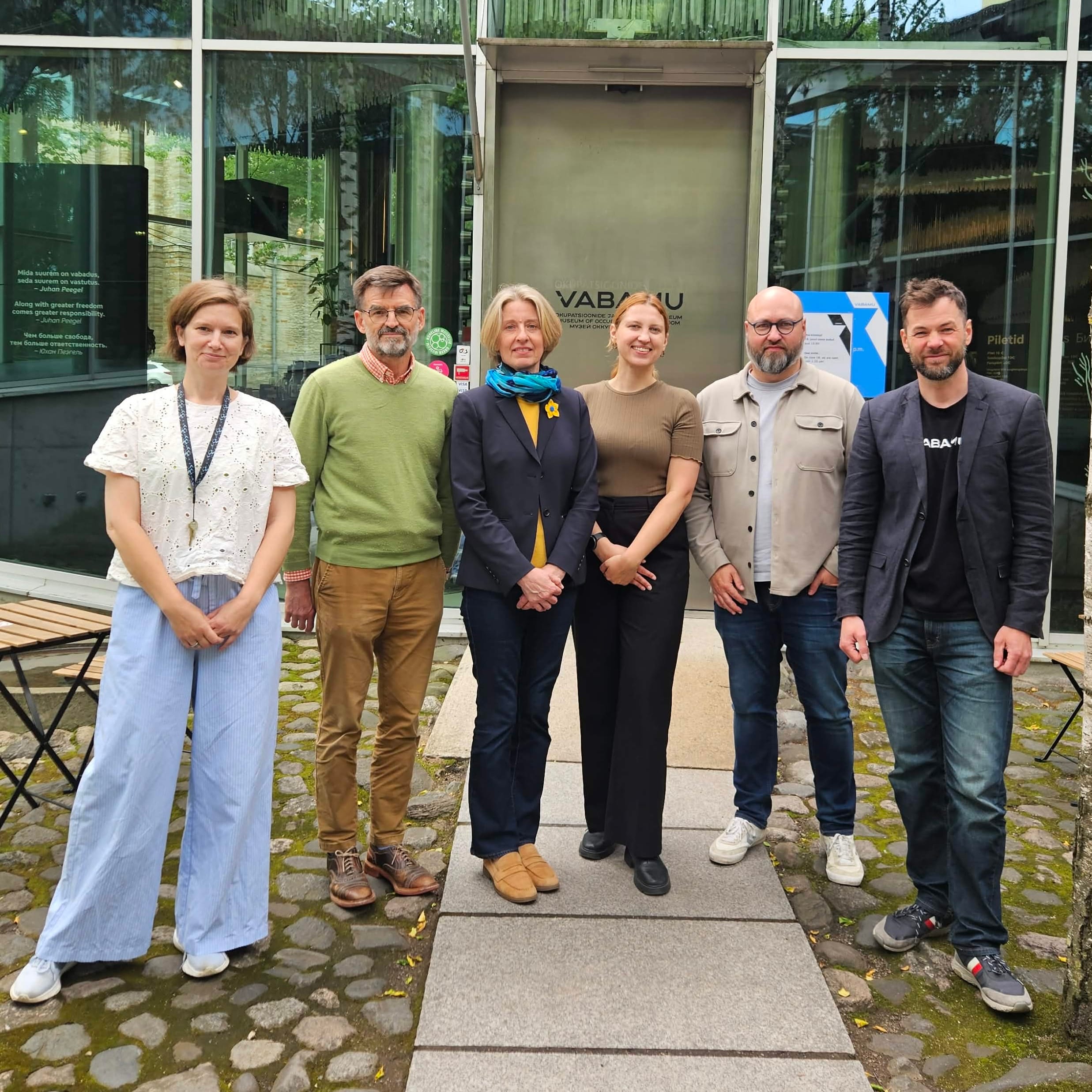
The program also included a meeting with the Director, exhibition curators, and Education Project Manager of the Vabamu Museum of Occupations and Freedom in Tallinn, the largest private museum in Estonia dedicated to the country’s recent history, as well as a visit to the Memorial to the Victims of Communism, offering a moment to reflect and honor the victims of the Soviet regime.

The visit underscored the continued relevance of Baltic cooperation in a period marked by regional uncertainty, highlighting shared priorities in education, cultural exchange, and diaspora engagement.

Business Trip to Estonia: Strengthening Baltic and Diaspora Connections Read More »

Alexandra Kalvenas-Kazickas birthday

Remembering Alexandra Kalvenas-Kazickas

Remembering Alexandra Kalvenas-Kazickas

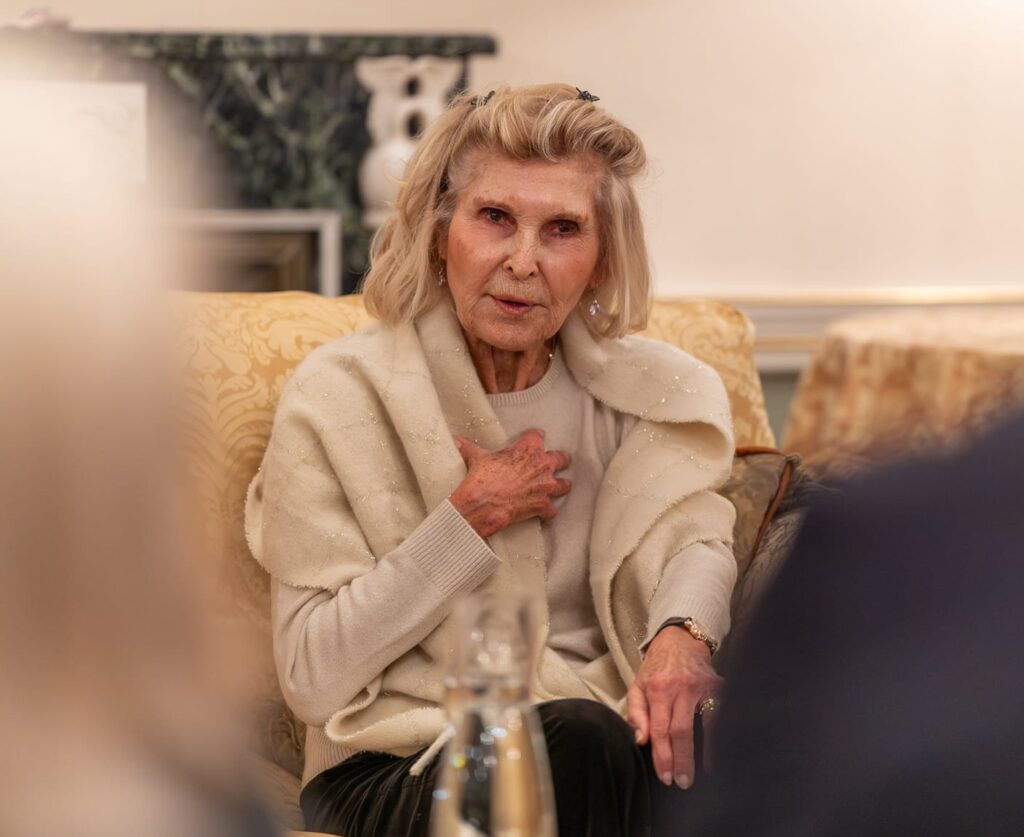
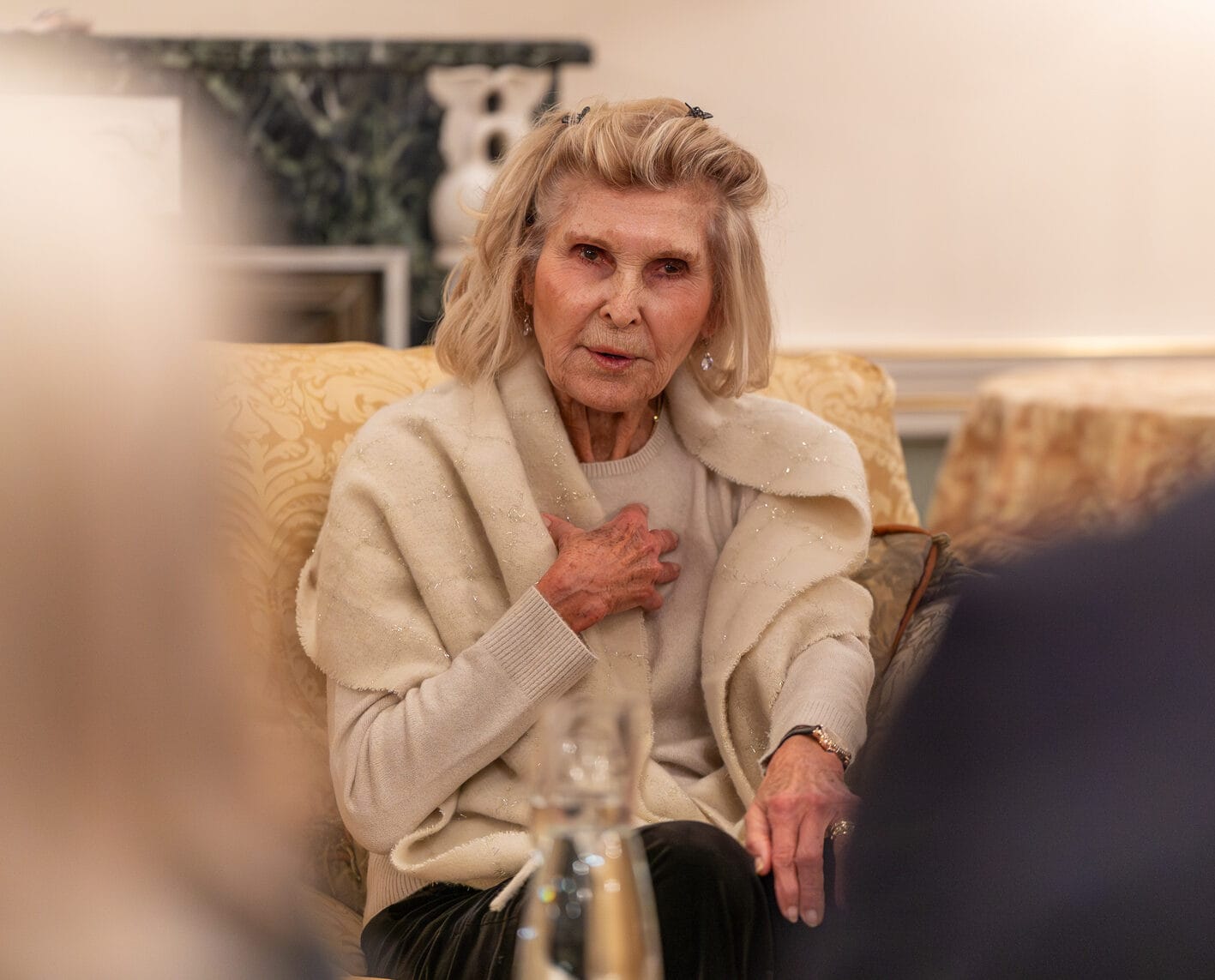
On June 17, we remember and honor Alexandra Kalvenas-Kazickas, who was born 106 years ago, on June 17, 1920. She was a devoted wife, a loving mother of five children, and a steadfast life partner to her husband, Dr. Joseph P. Kazickas (1918–2014). 

Alexandra Kalvenas-Kazickas birthday

Together, they endured the hardships of war in Lithuania, life in refugee camps in Germany, and the challenge of building a new life in America.

Today, we remember her above all for the values by which she lived – her love for her family, devotion to Lithuania, loyalty to her friends, humility, grace, and generosity.

Alexandra’s life was guided by compassion for others and a sincere desire to help those around her. Even in the most difficult moments, she never lost her faith, gratitude, or her ability to care for others. These values are reflected in the words she wrote in her diary in 1975:

“I felt bad for all of them and would have liked to help them but did not know how. But then I think again, if only my being here provides a bit of happiness for these people, if only my visit turns their monotonous days into a ray of sunshine, then my trip, my inconvenience, my personal sadness and longing are so insignificant. And it does look to me that I make them happy.”

Alexandra Kalvenas-Kazickas passed away on June 17, 2011, at the age of 91. Her life continues to inspire us to cultivate compassion and care for one another.

Remembering Alexandra Kalvenas-Kazickas Read More »

Child-Safe Environment Standards: From Idea to Practice

Child-Safe Environment Standards: From Idea to Practice

Children’s and adolescents’ emotional well-being is becoming an increasingly important challenge worldwide. Research shows that many young people experience emotional difficulties. According to the 2022 HBSC study, one in three Lithuanian students rates their psychological well-being below average.

Launched in 2024, the Smart-Ups initiative now brings together around 40 representatives from the business, nonprofit, and public sectors, united by a shared goal: creating emotionally safer environments for children.

One of the most significant outcomes of this collaboration is the Child-Safe Environment Standards (CSES) – a set of seven guidelines designed for institutions and organizations that educate, support, and provide services to children. The standards were developed to be adaptable across a wide range of child-focused settings, including preschools, schools, after-schools centers, and other educational and care institutions. More information about CSES is available in the comments (in Lithuanian).

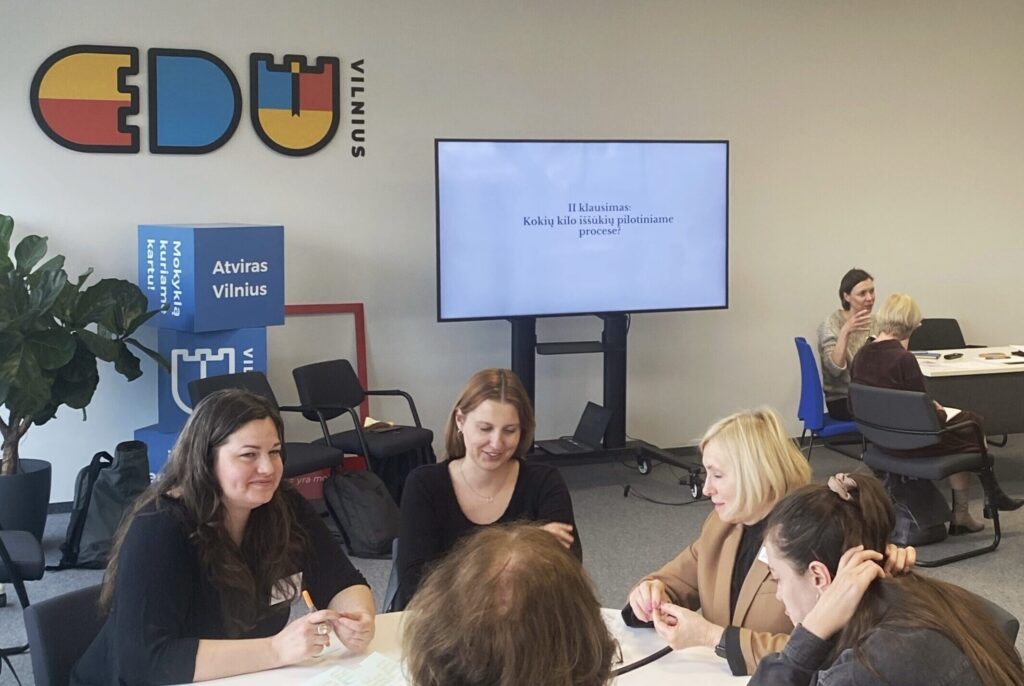
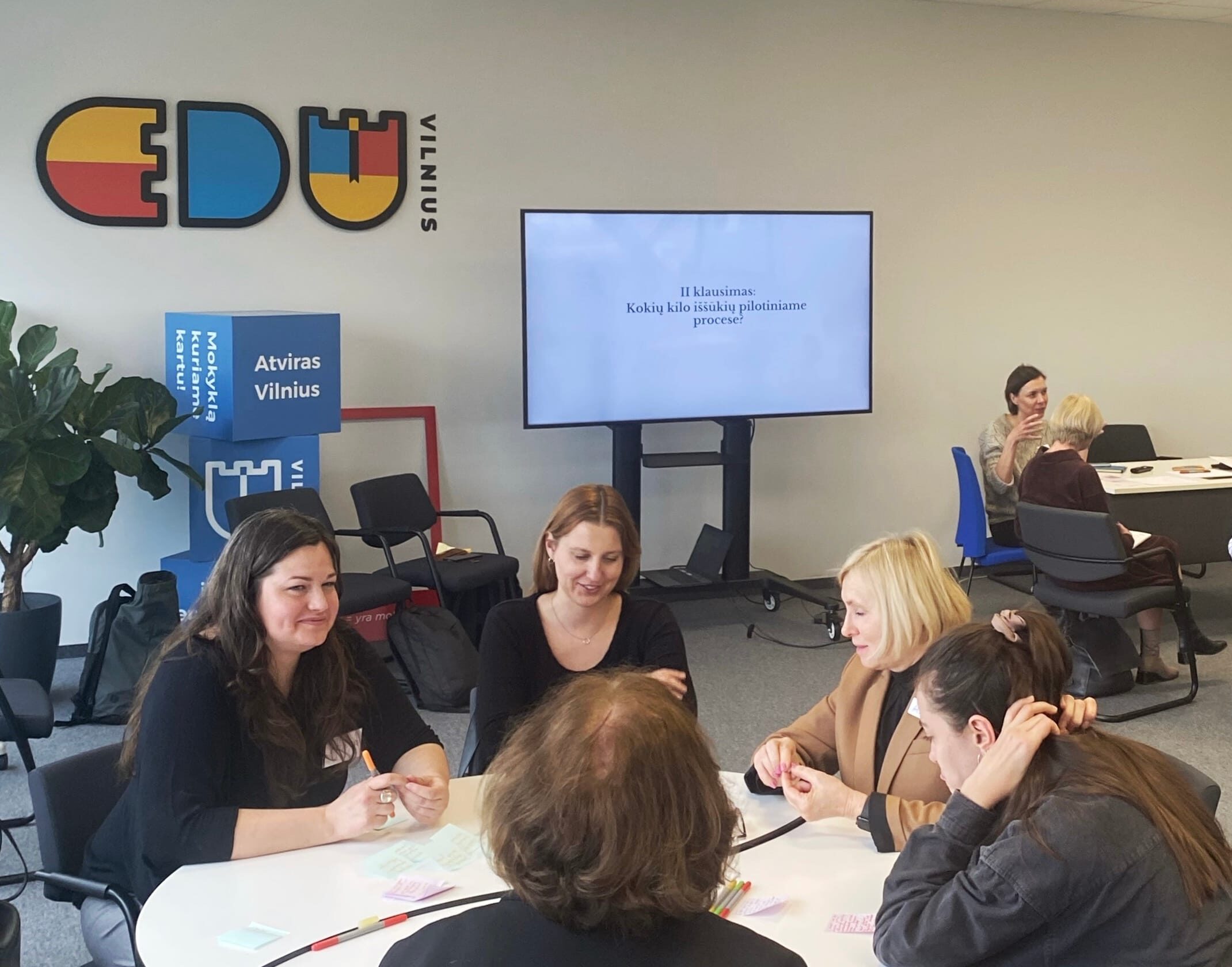
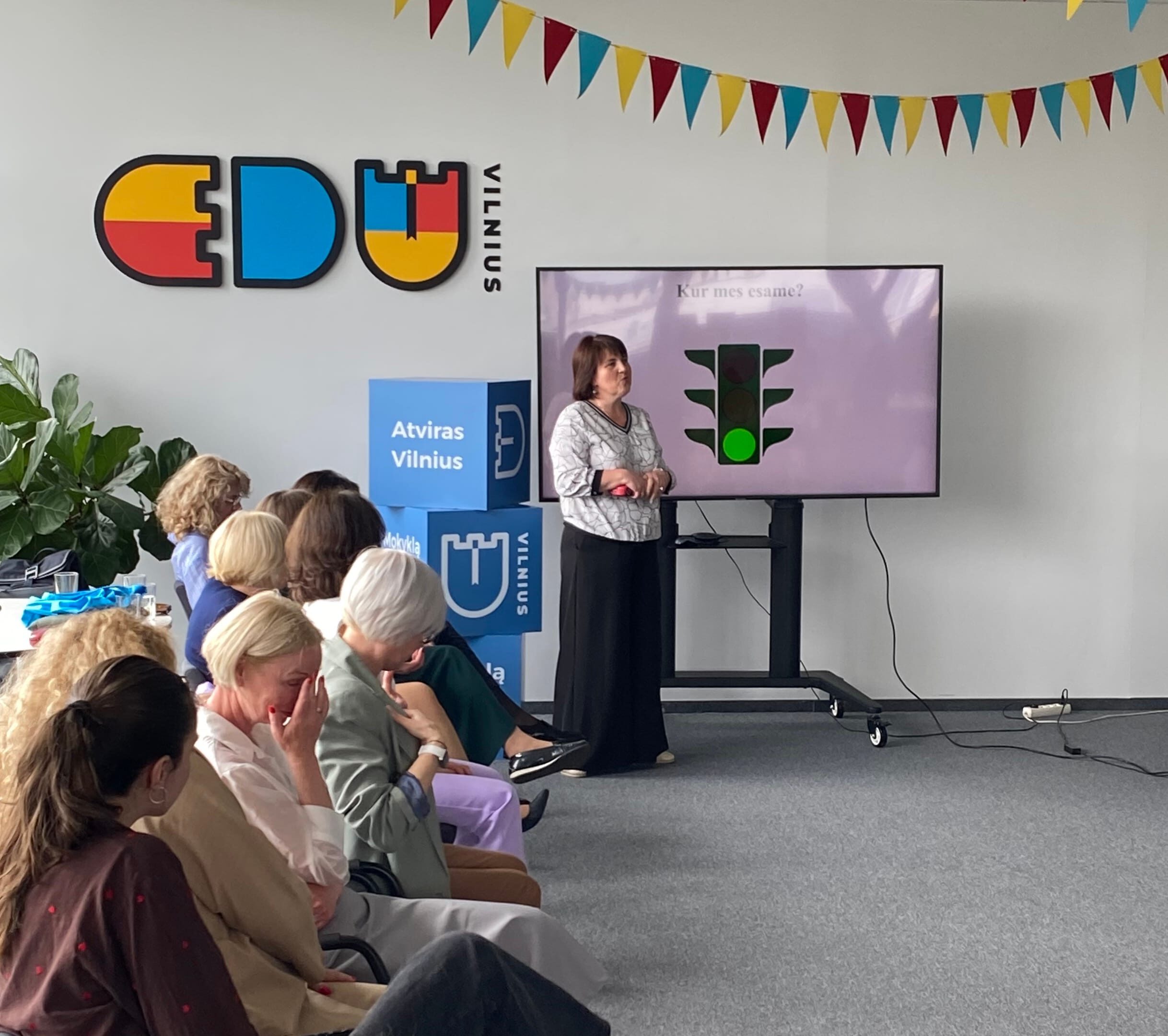
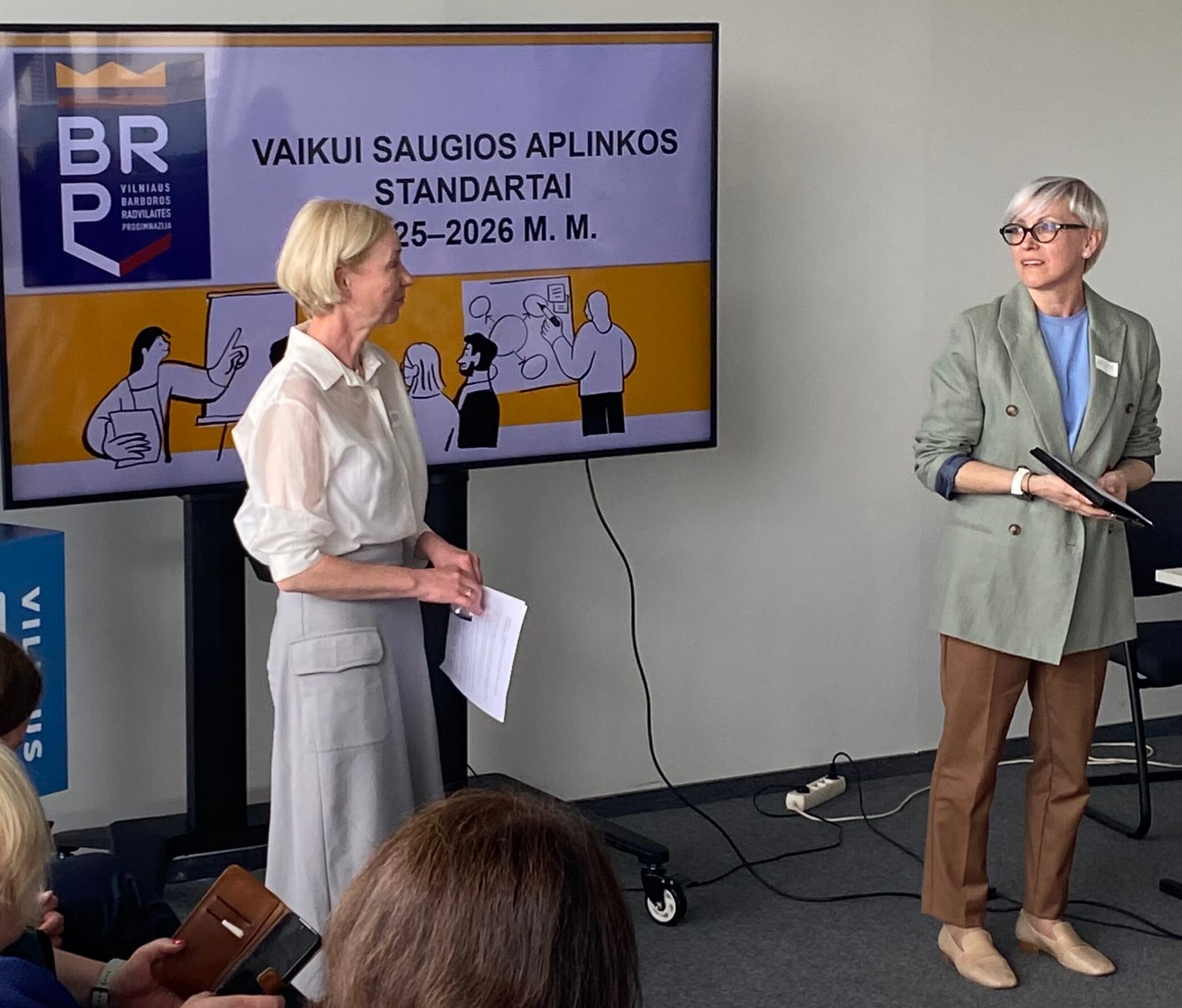
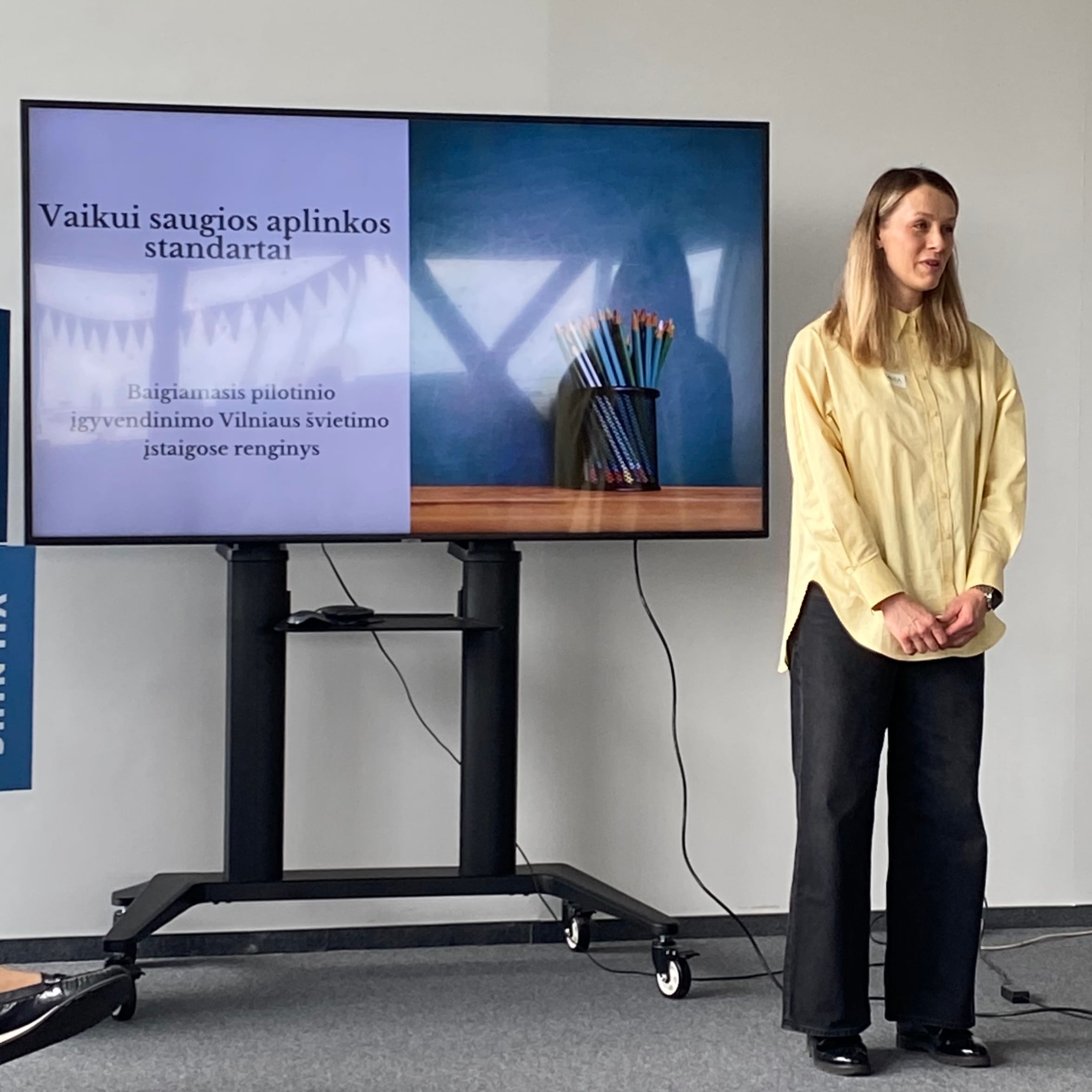
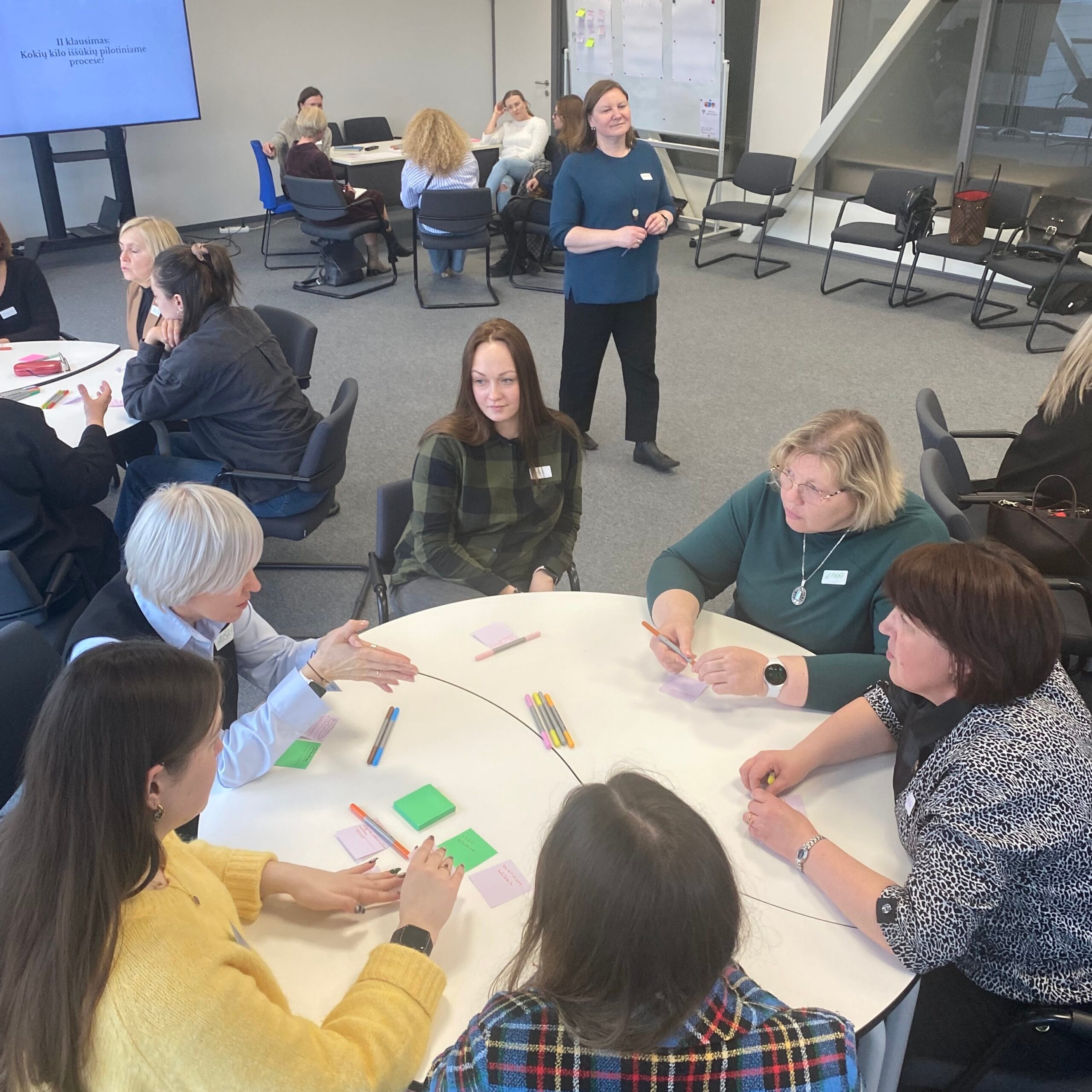
This year the initiative’s second phase has been completed, during which the standards were piloted in eight schools across Vilnius. Throughout the pilot project, school communities – including students, parents, teachers, administrators, and other staff members – worked together to assess needs, test the standards in practice, and identify effective approaches to building safer environments.

During the pilot review sessions, participants shared results, insights, and challenges encountered while implementing the standards. These experiences will help further refine the model and expand its application.

Together with EIKA Group, ACME Group, and other partners, KFF is proud to be a founding partner of the Smartuoliai network and to support this initiative. We believe that every child deserves to grow up in an environment where they feel safe, heard, and respected.

Child-Safe Environment Standards: From Idea to Practice Read More »

Baltic Fundraising Summit 2026

Baltic Fundraising Summit 2026

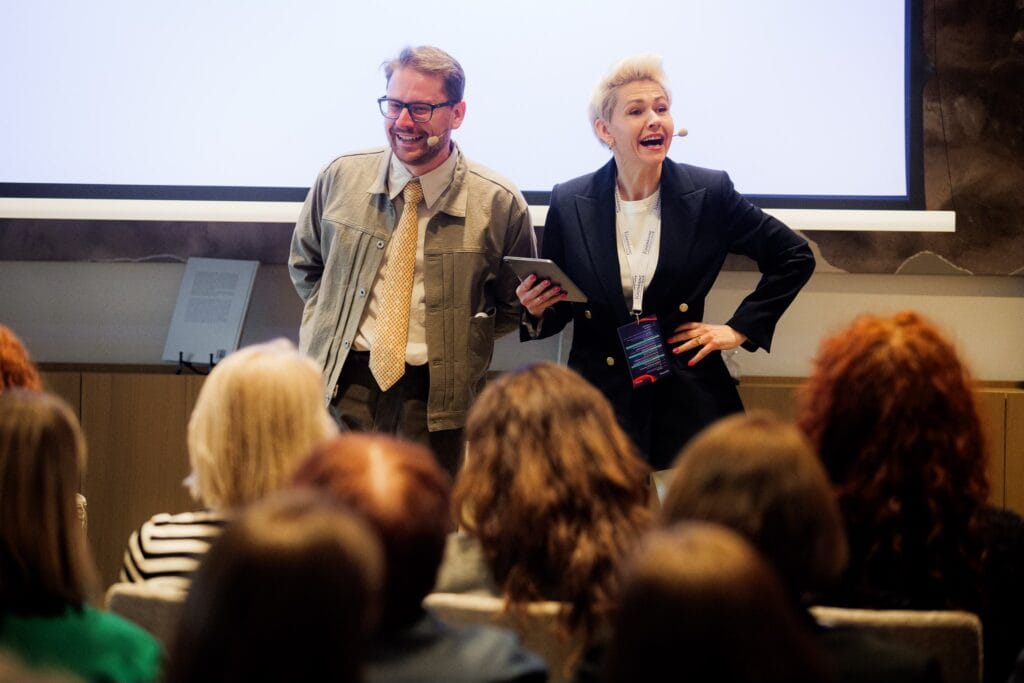
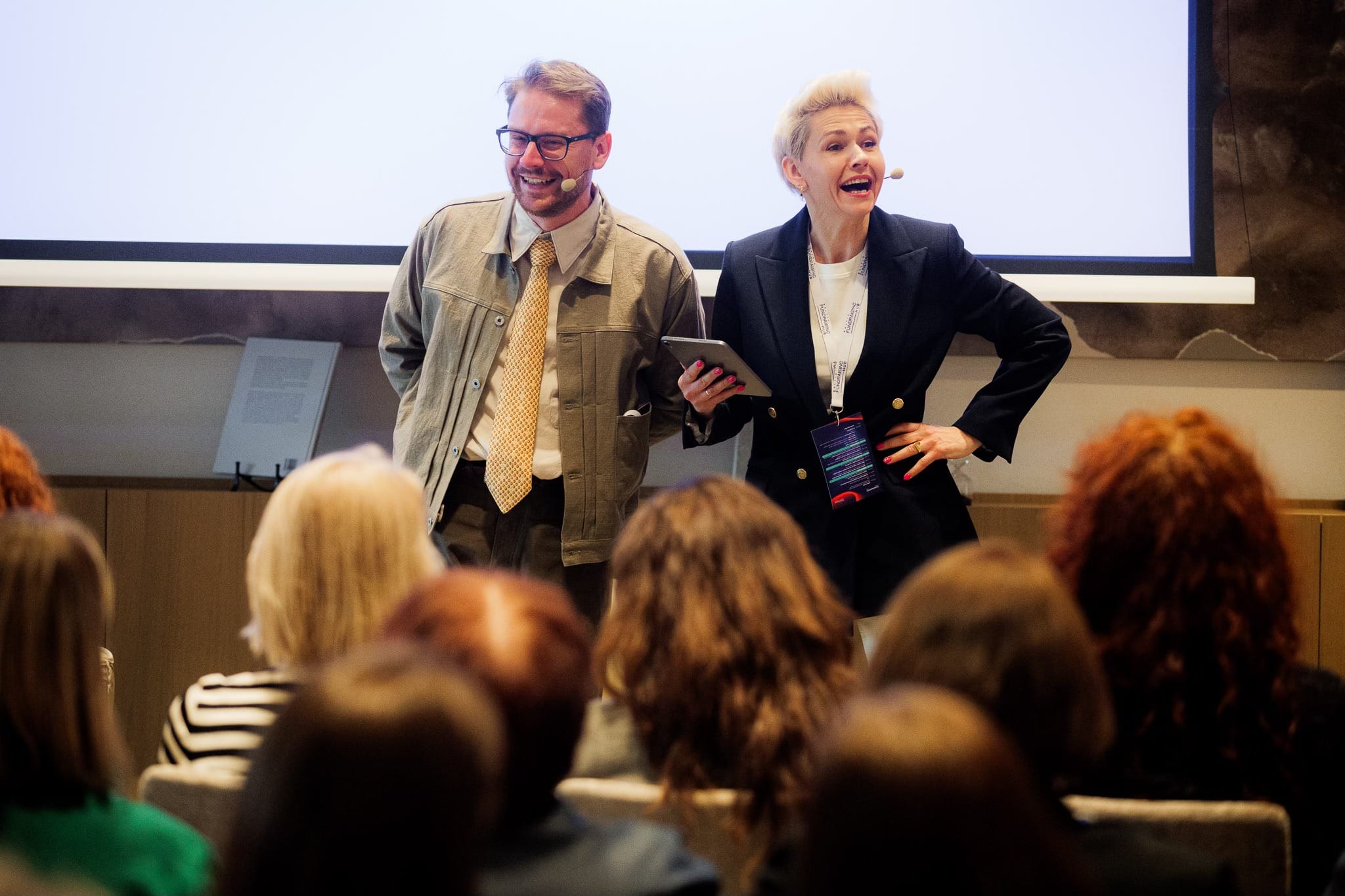
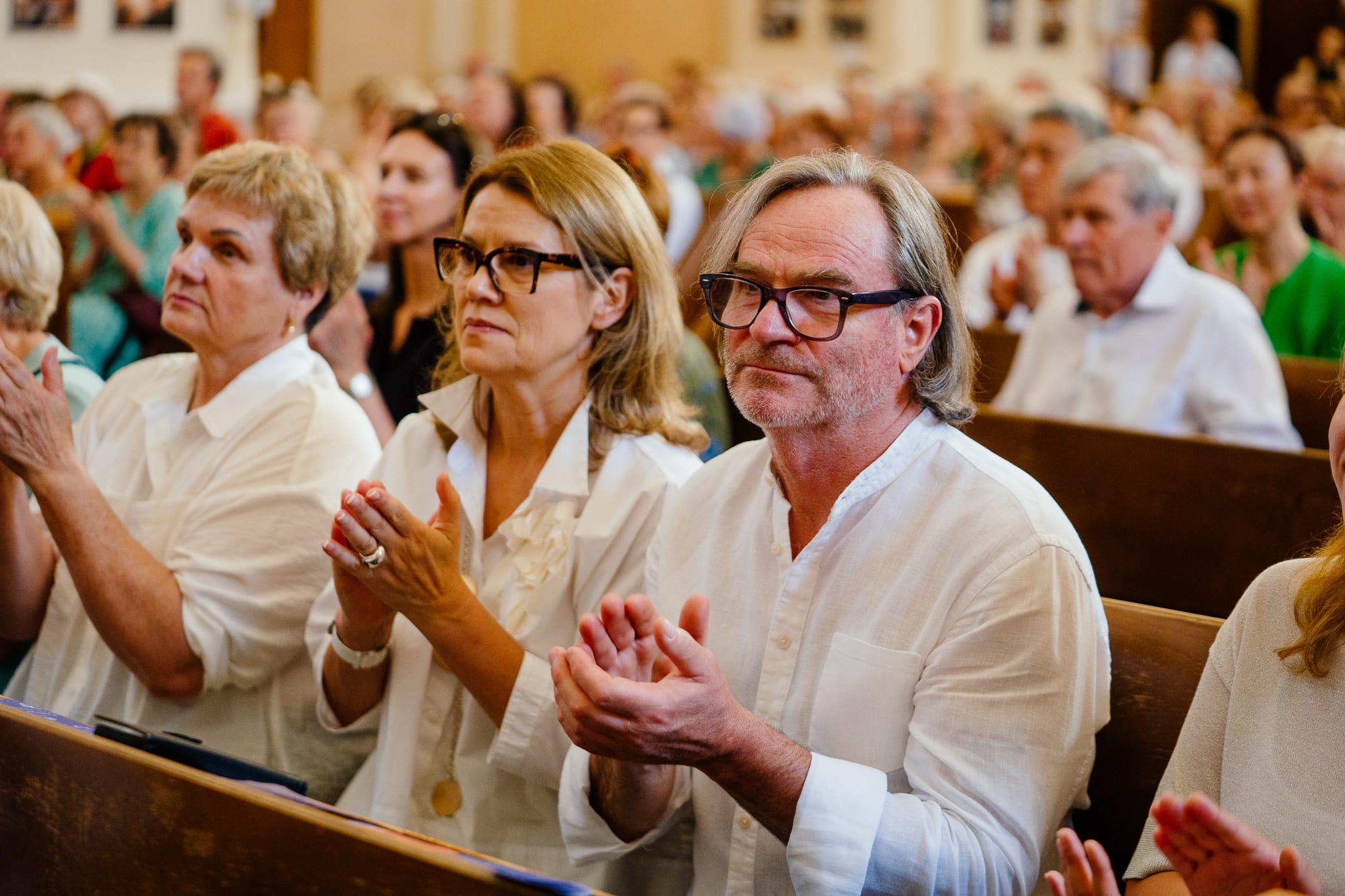
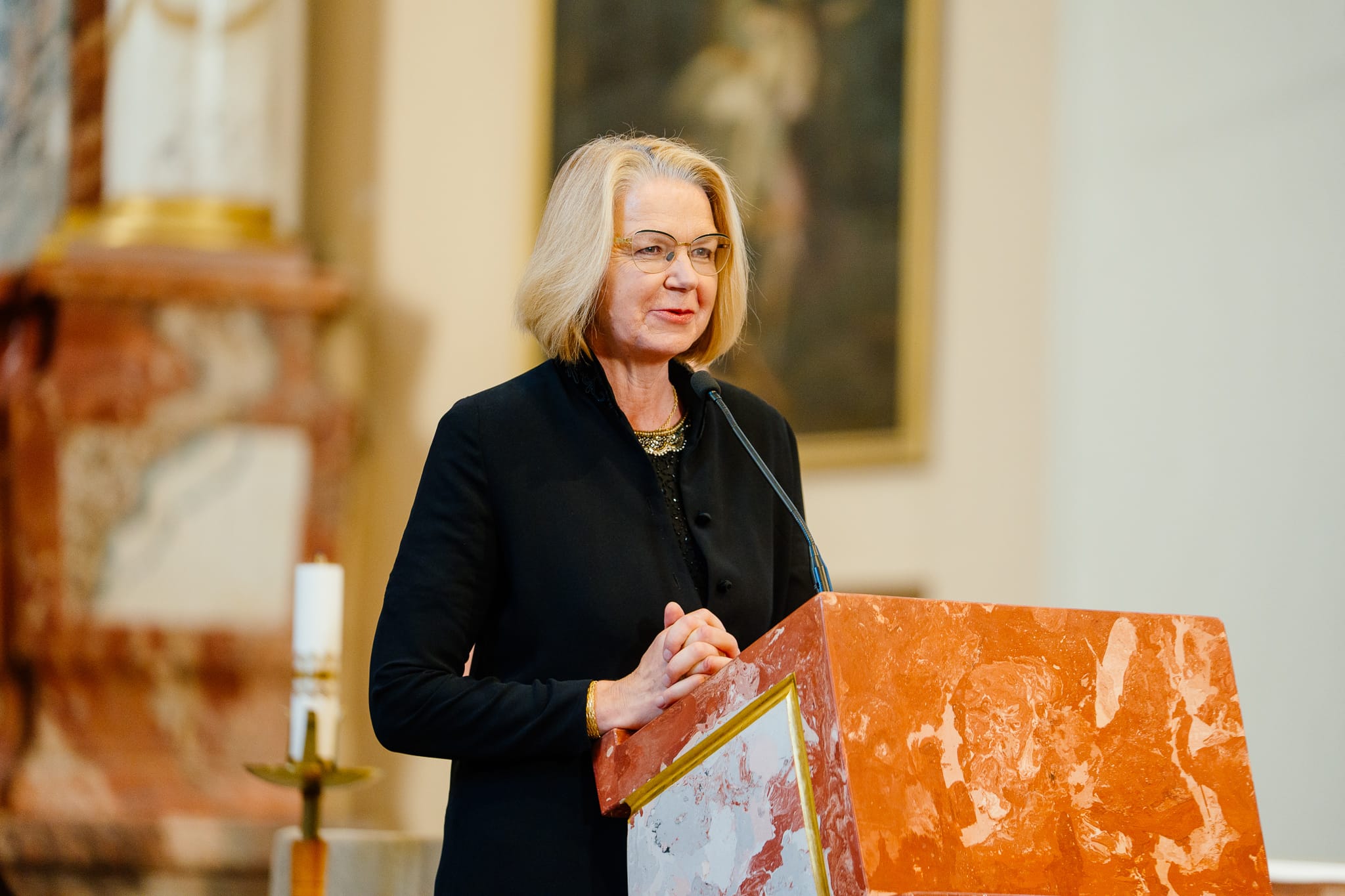
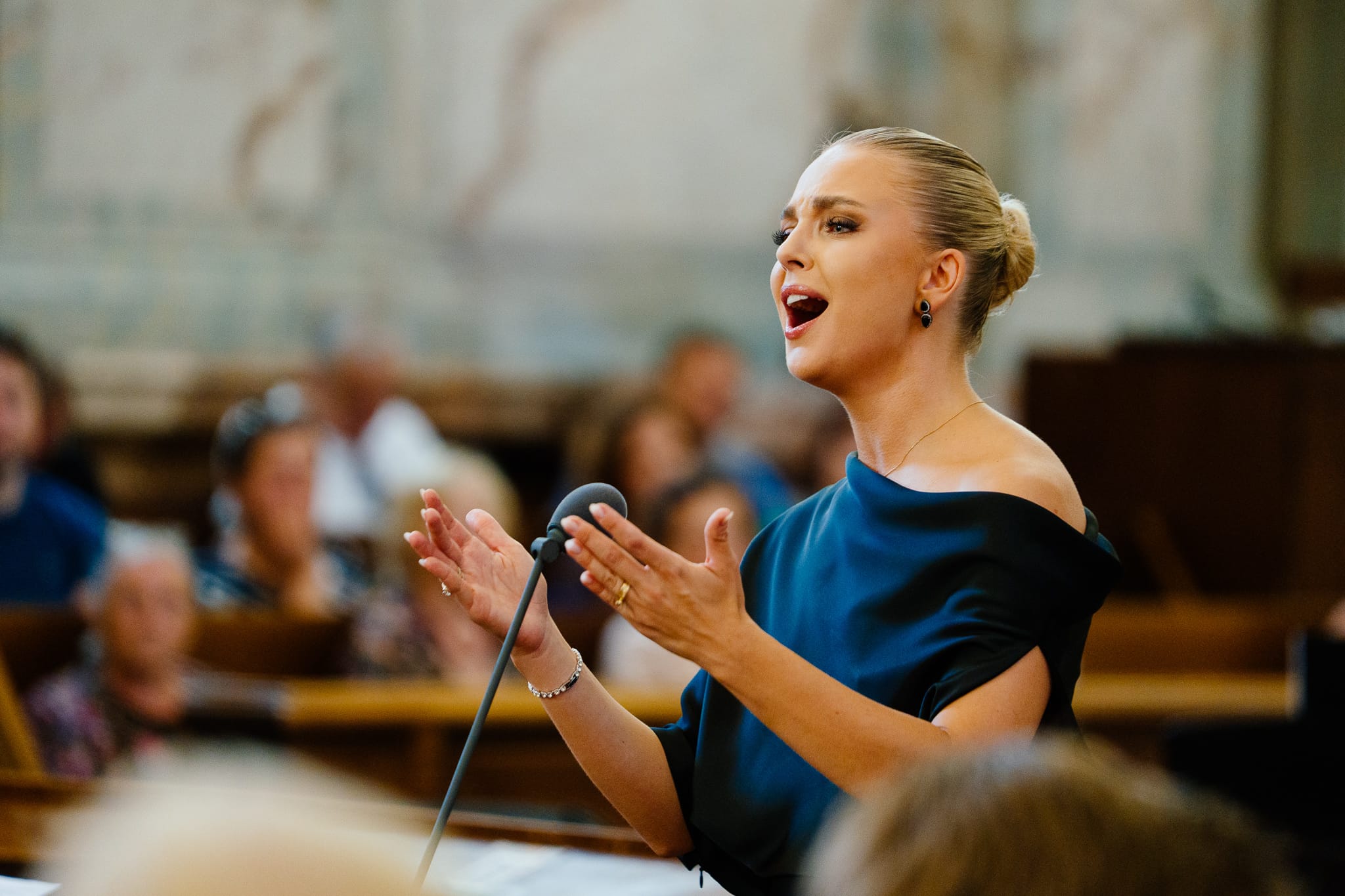
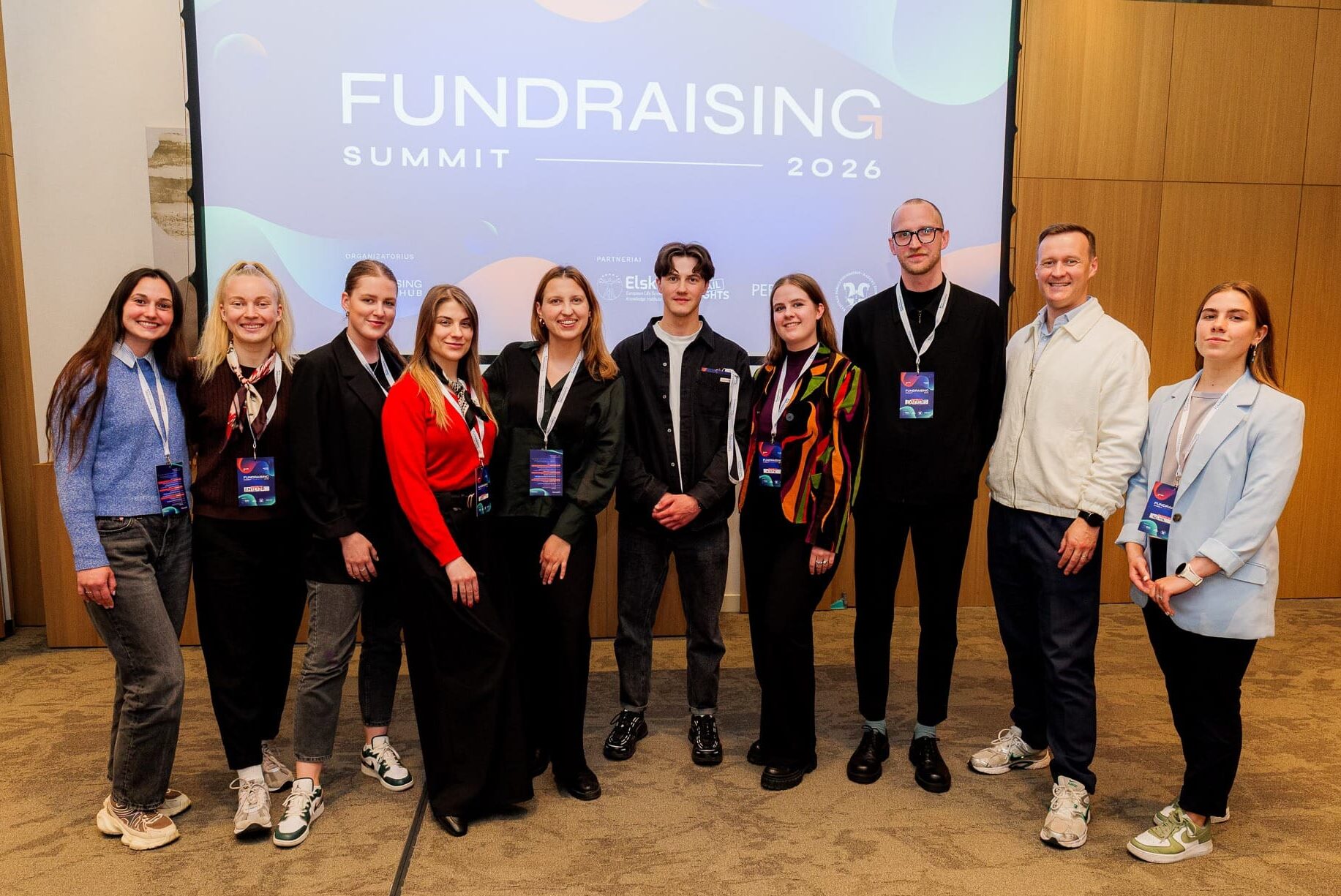
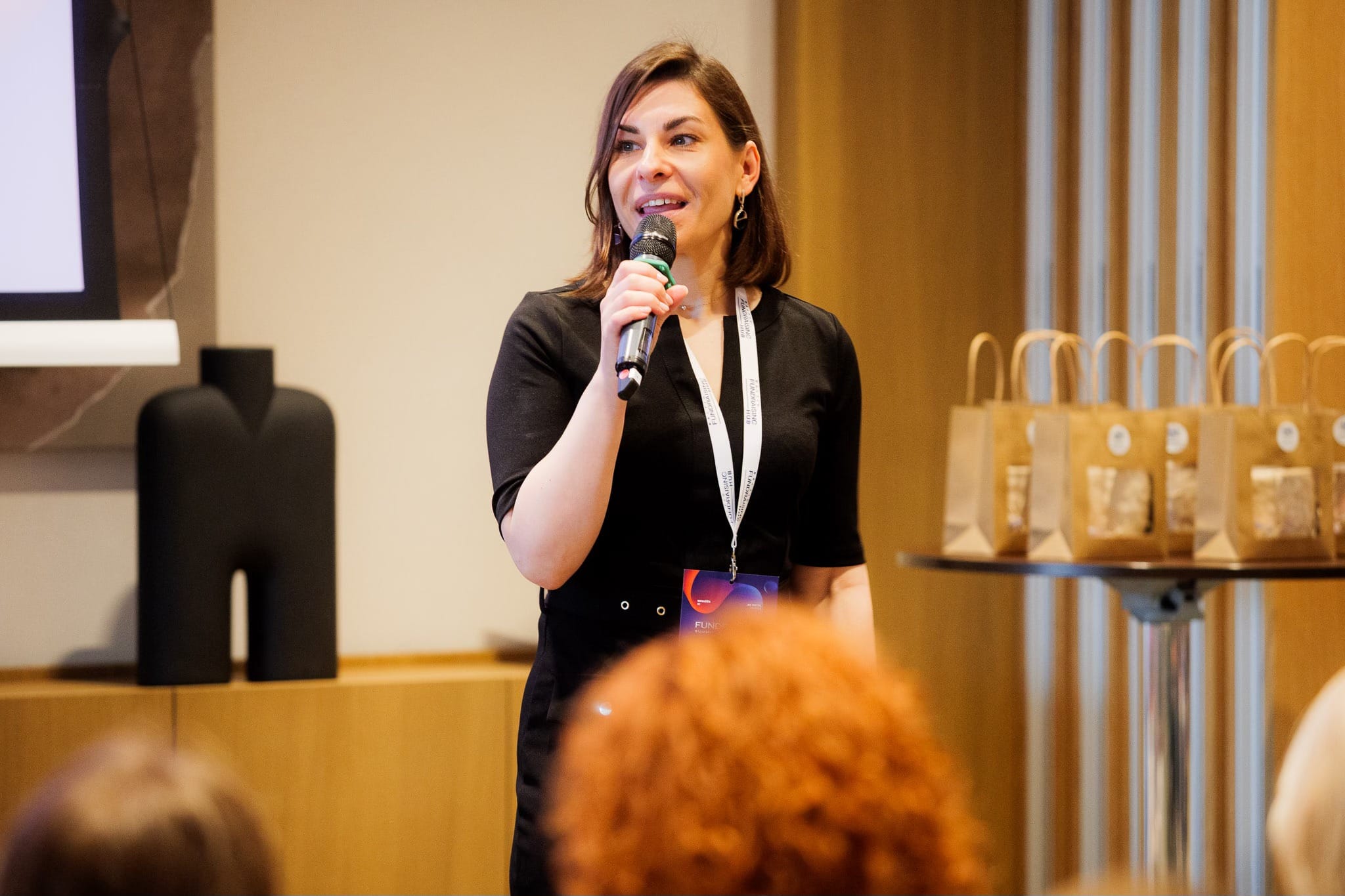
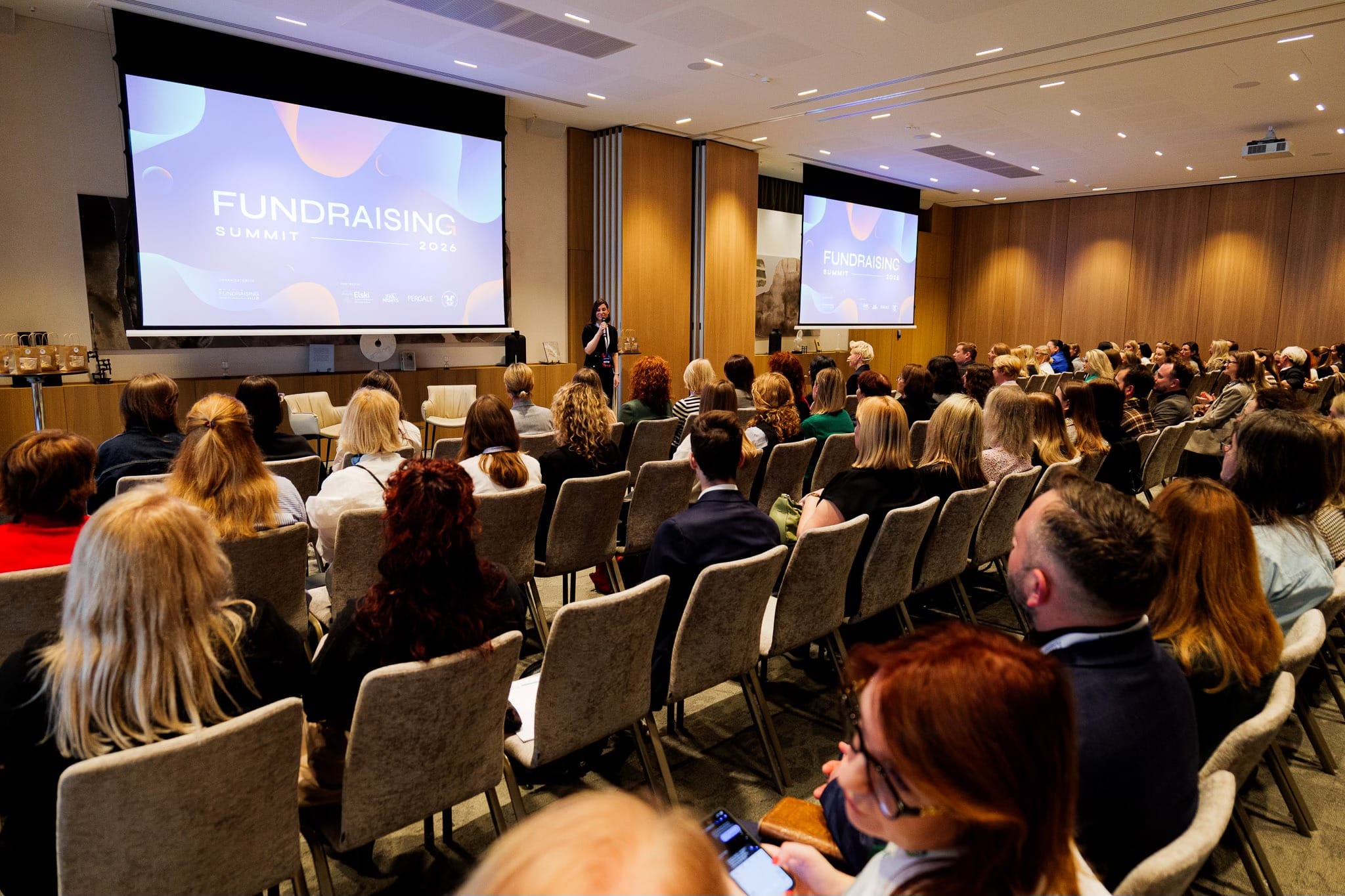
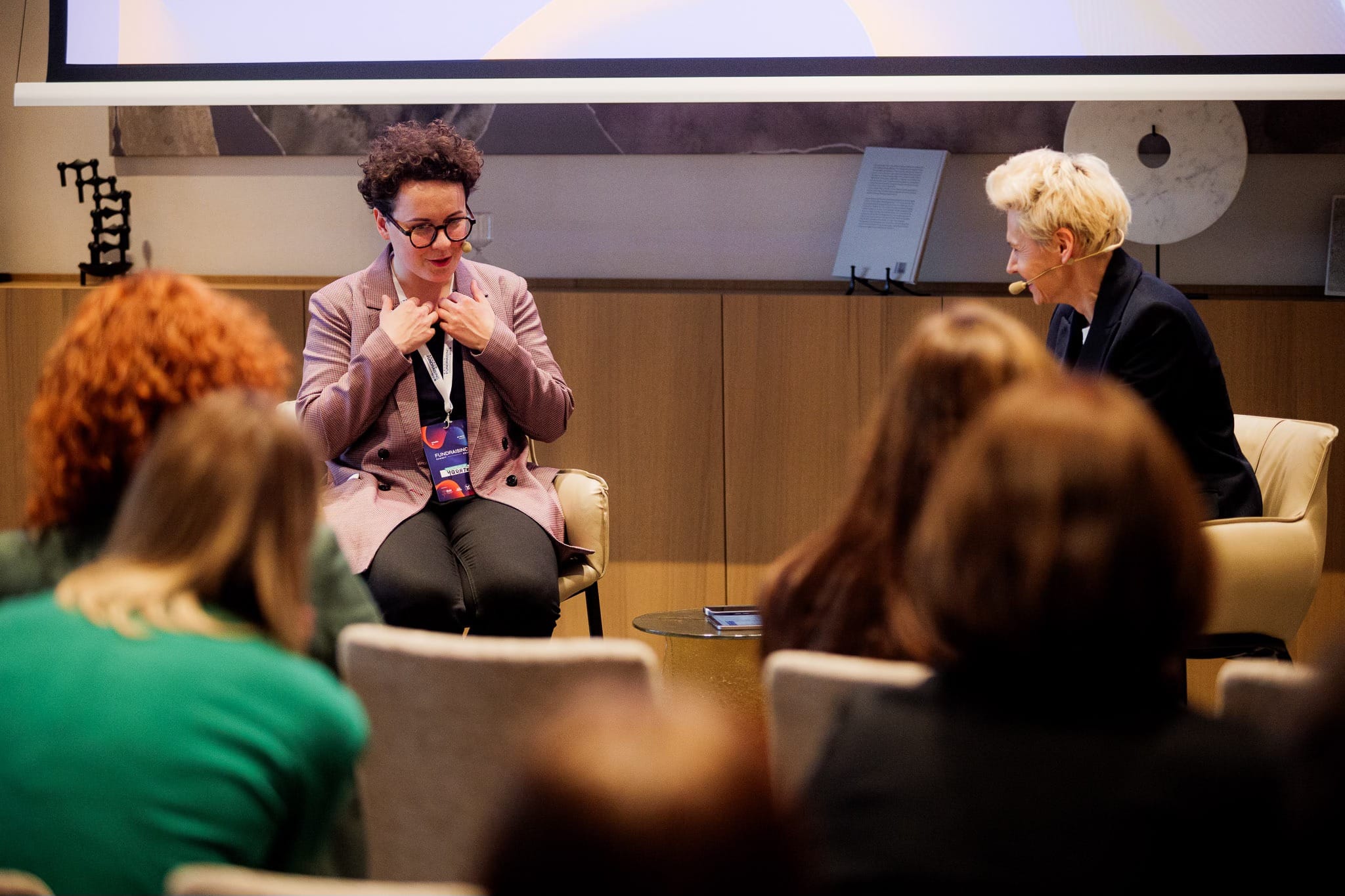
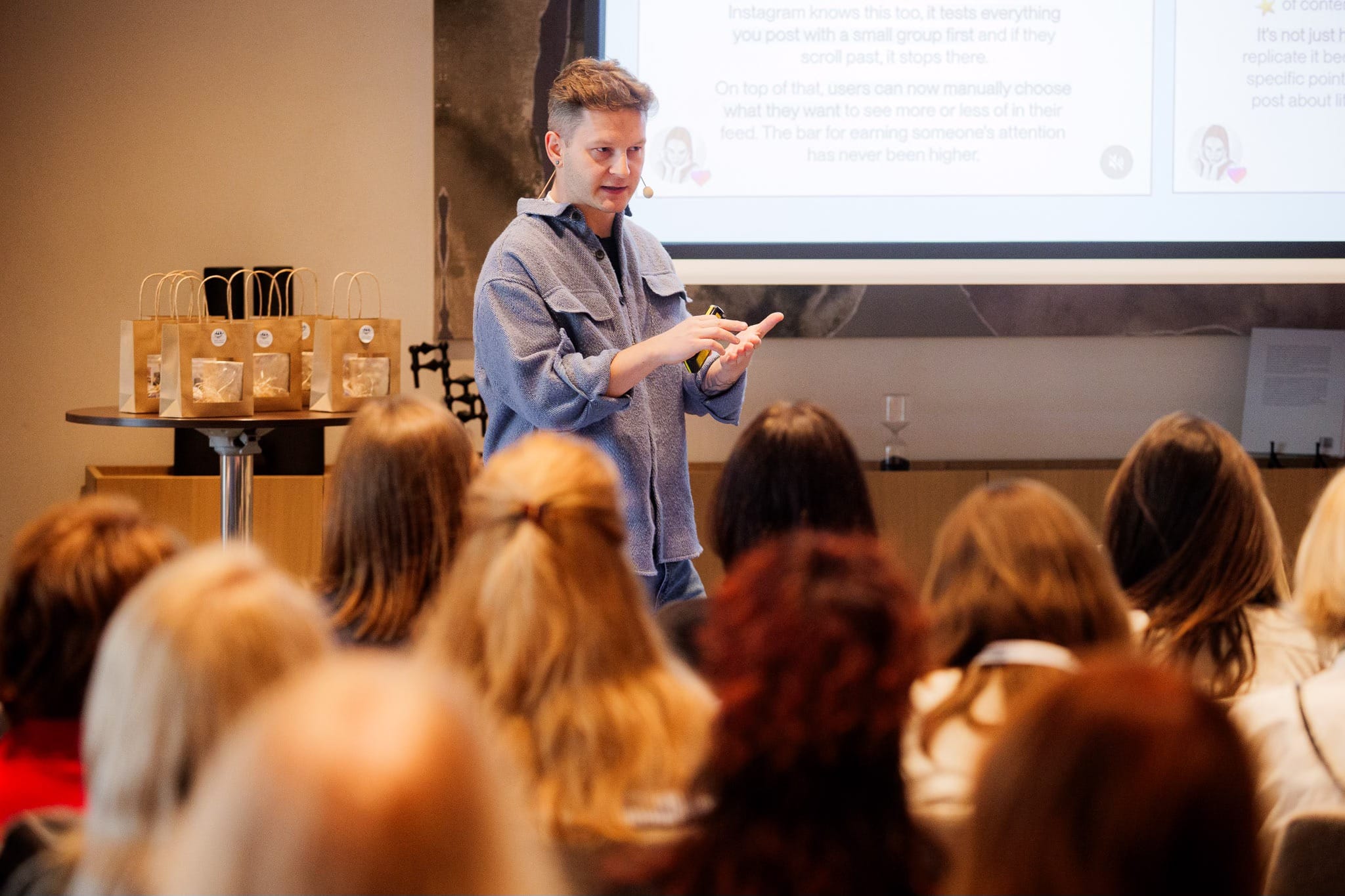
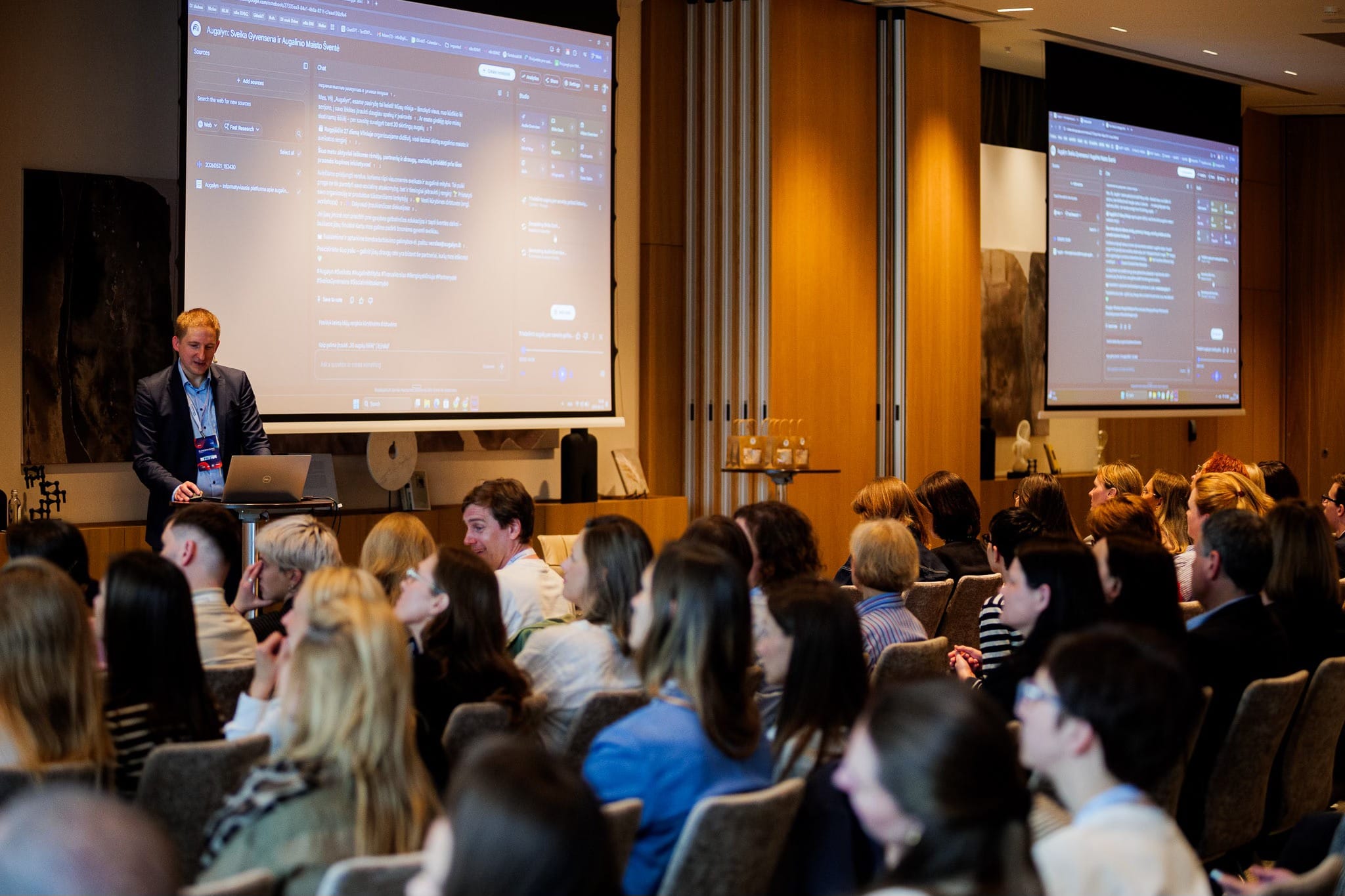
Sharing moments from Fundraising Summit 2026 – the largest event in Lithuania dedicated to NGO growth, bringing together more than 200 specialists from across the sector. For the third year, the Kazickas Family Foundation has contributed to the conference by gifting tickets to its grantees.

Photos by Jonas Šopa

This year, 20 representatives from supported organizations were given the opportunity to attend the event. The conference placed strong emphasis on practical insights into fundraising trends, communication principles, and experience sharing.

A valuable collaboration with Baltic Fundraising Hub – the event organizers and leaders in the field. They consistently raise the standards of professionalism and dignity among Lithuanian non-governmental organizations and help strengthen their competencies.

KFF believes in the importance of long-term organizational growth. By providing platforms for learning, networking, and sharing best practices, we aim to ensure that our grantees have the tools they need to grow and create meaningful change.

Baltic Fundraising Summit 2026 Read More »

“Youth Can” has completed its 12th season

"Youth Can" has completed its 12th season

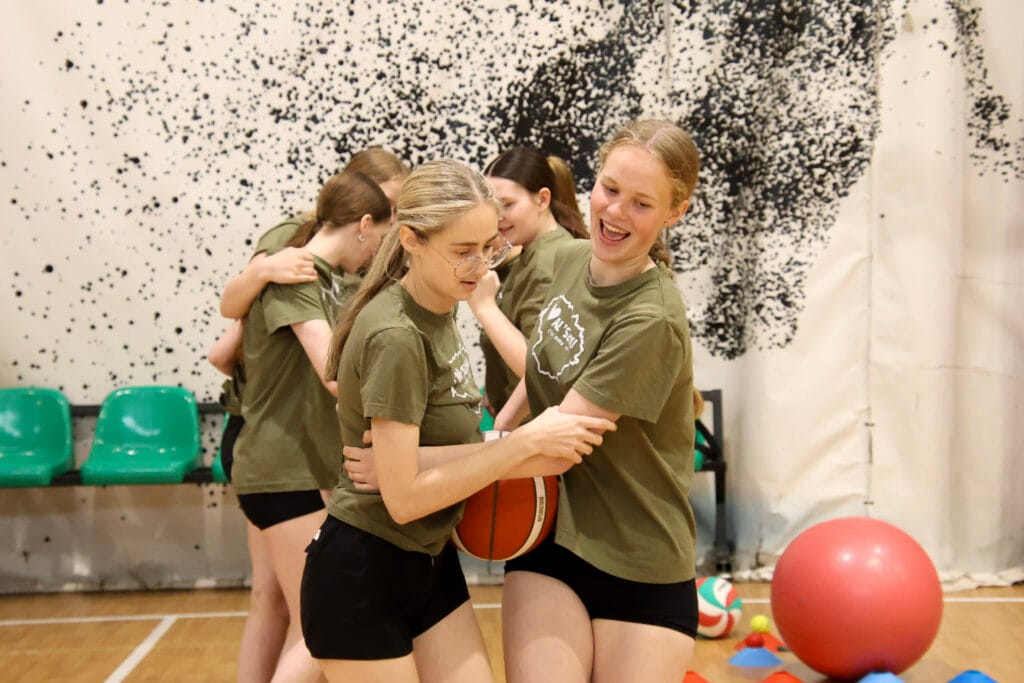
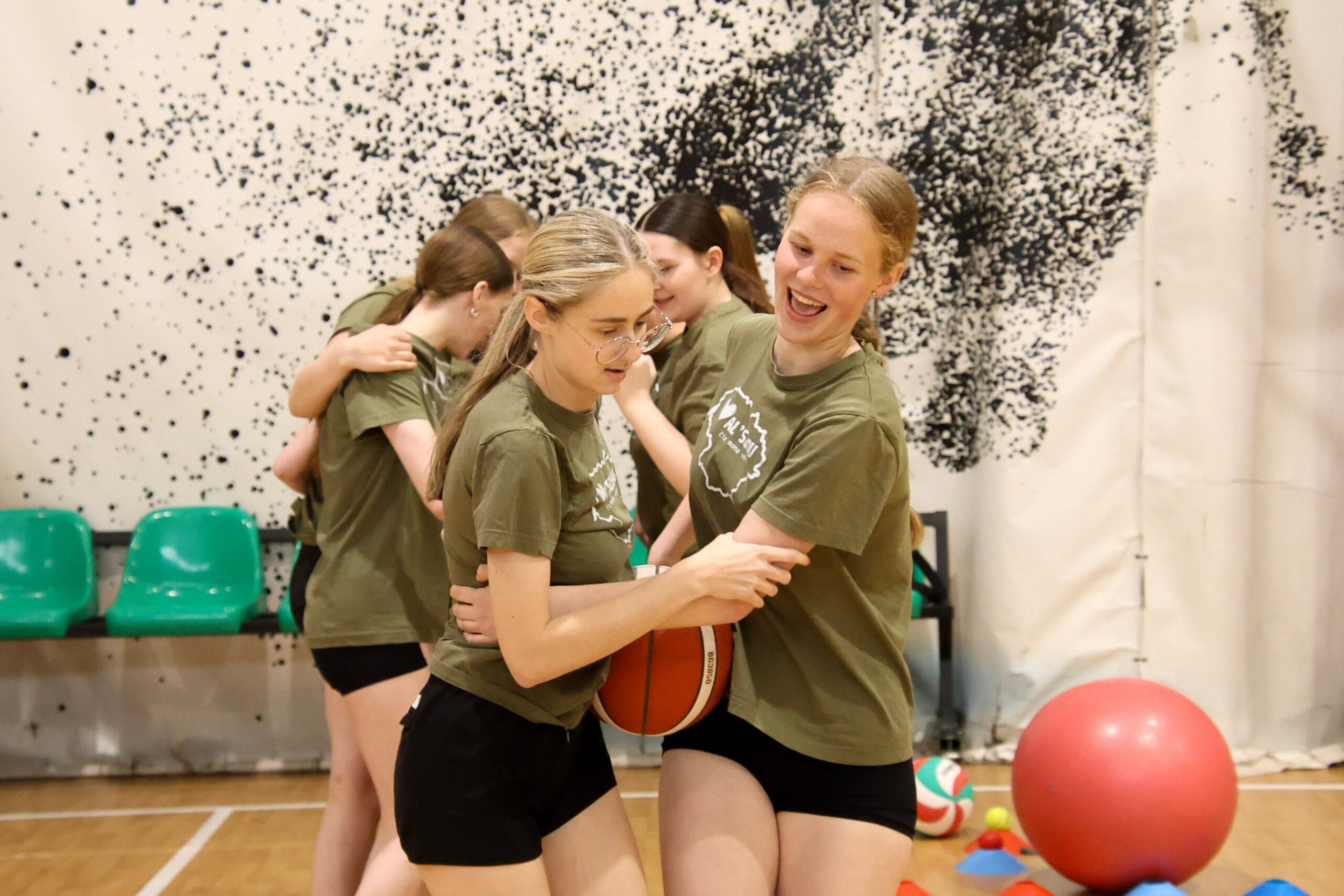
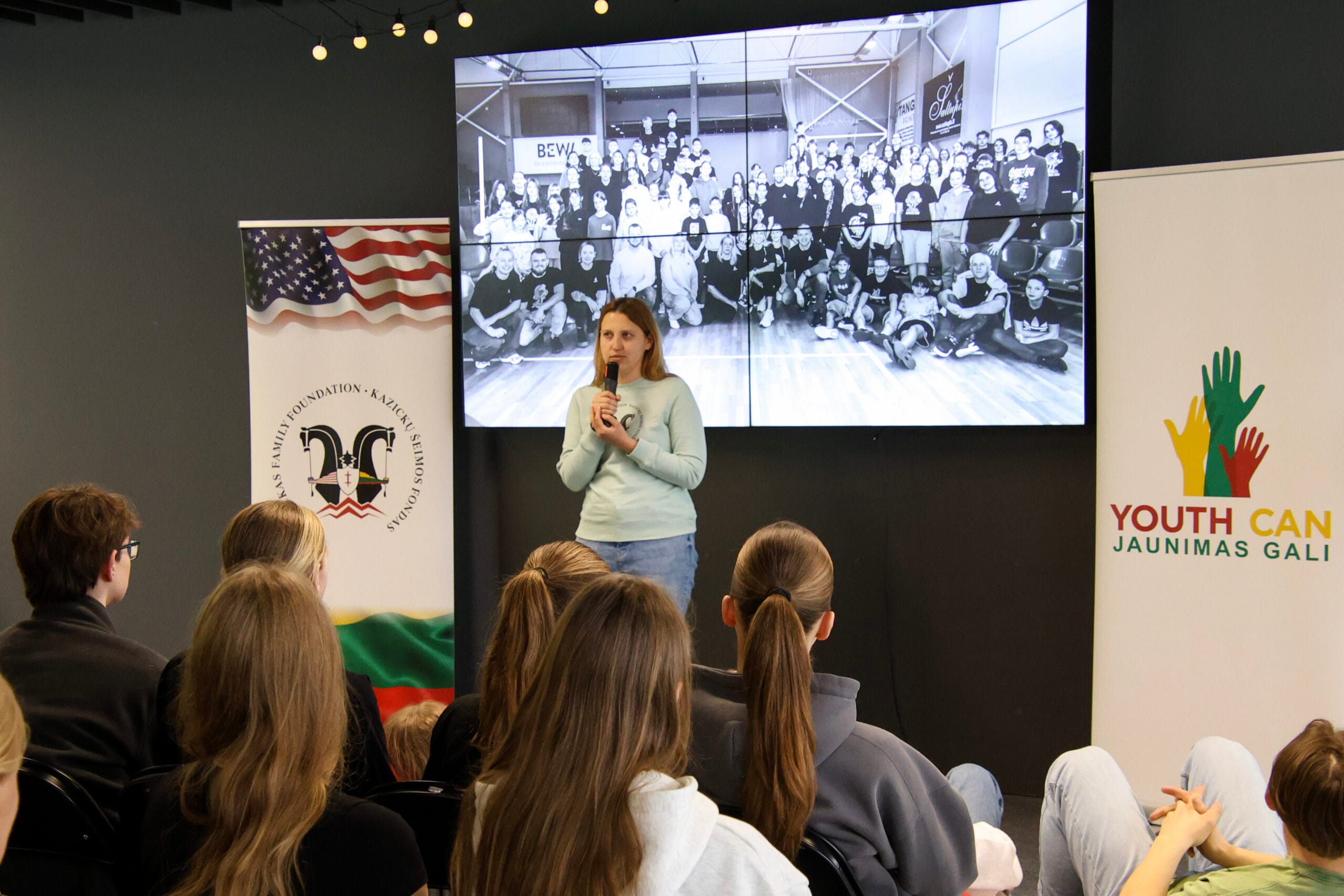
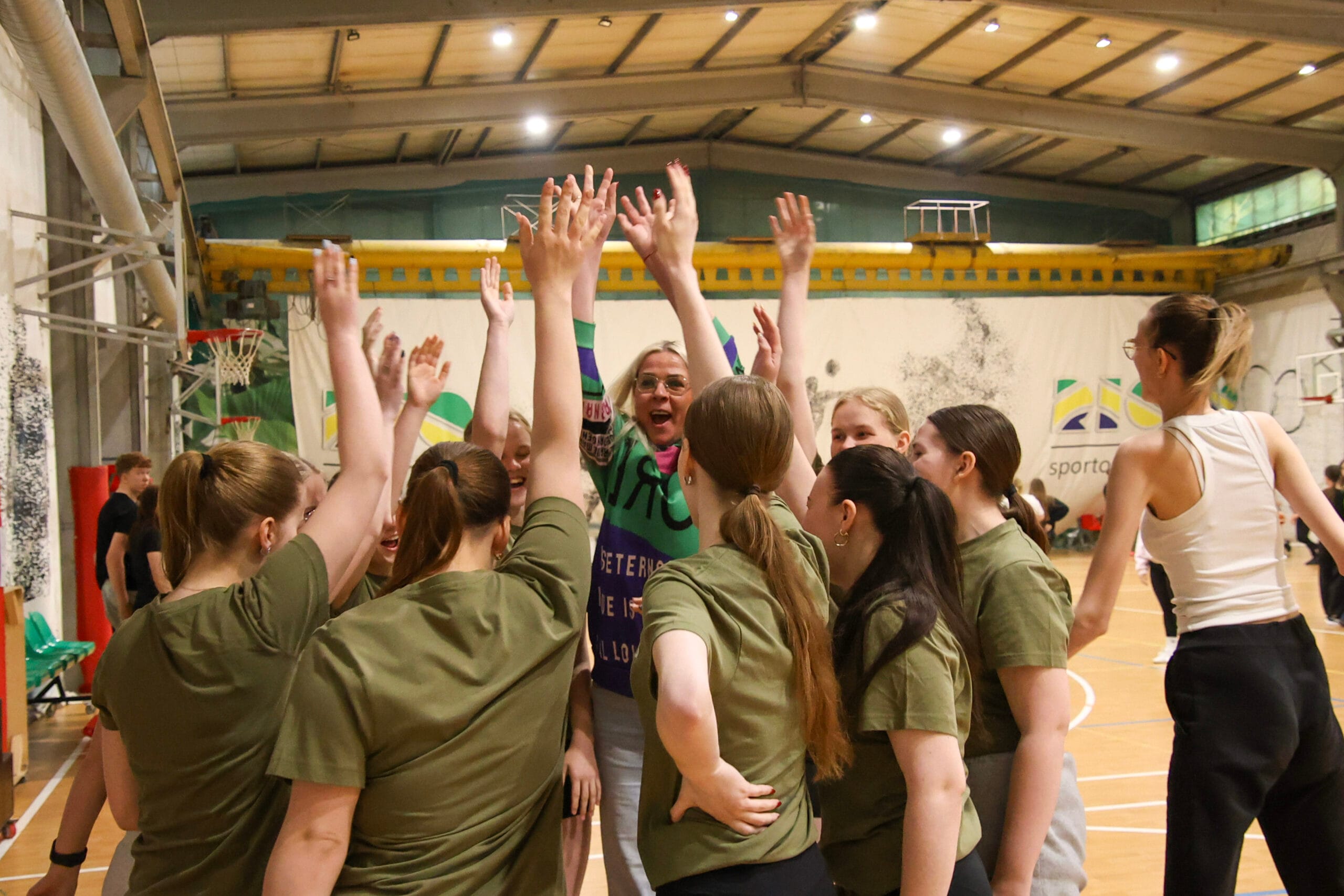
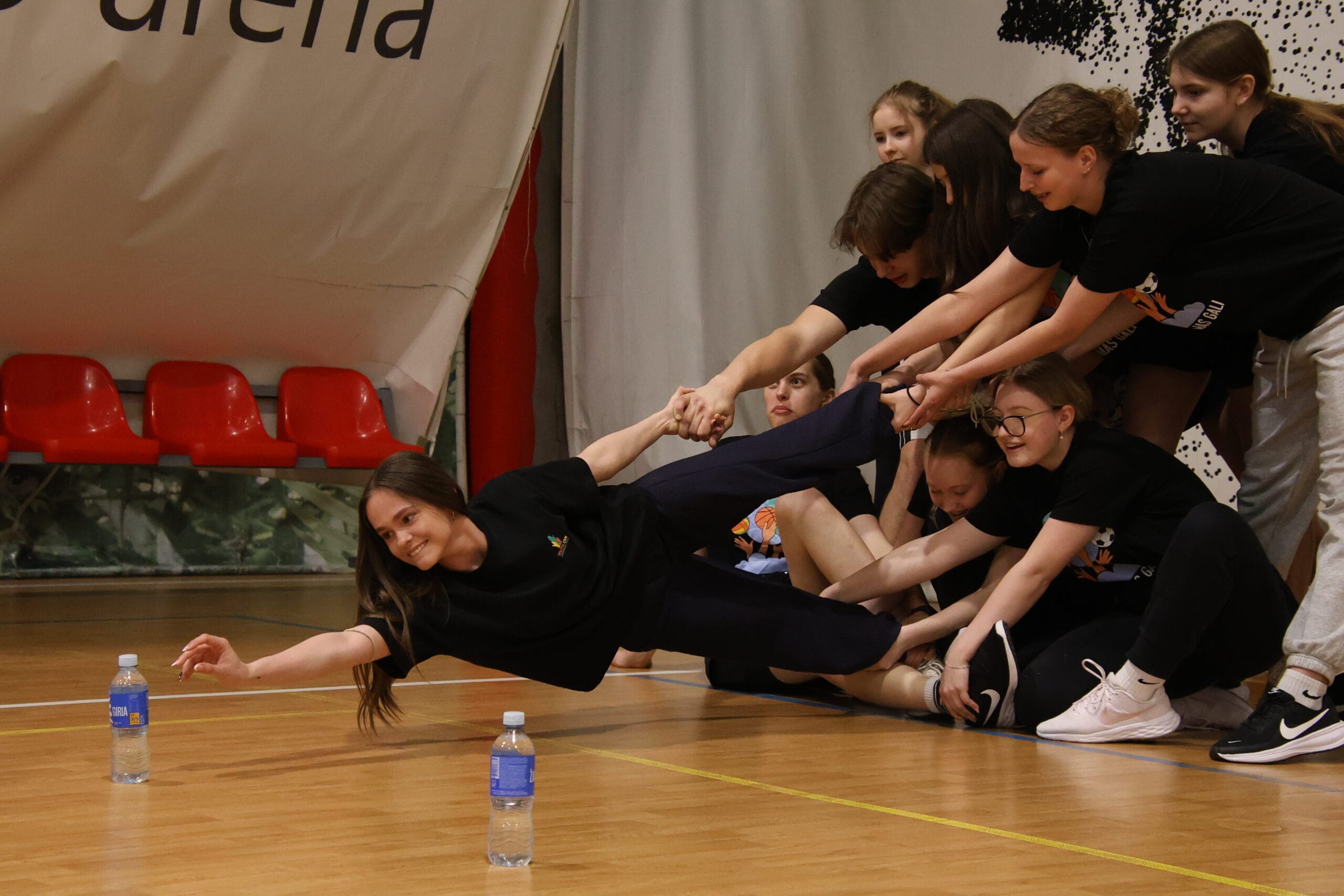
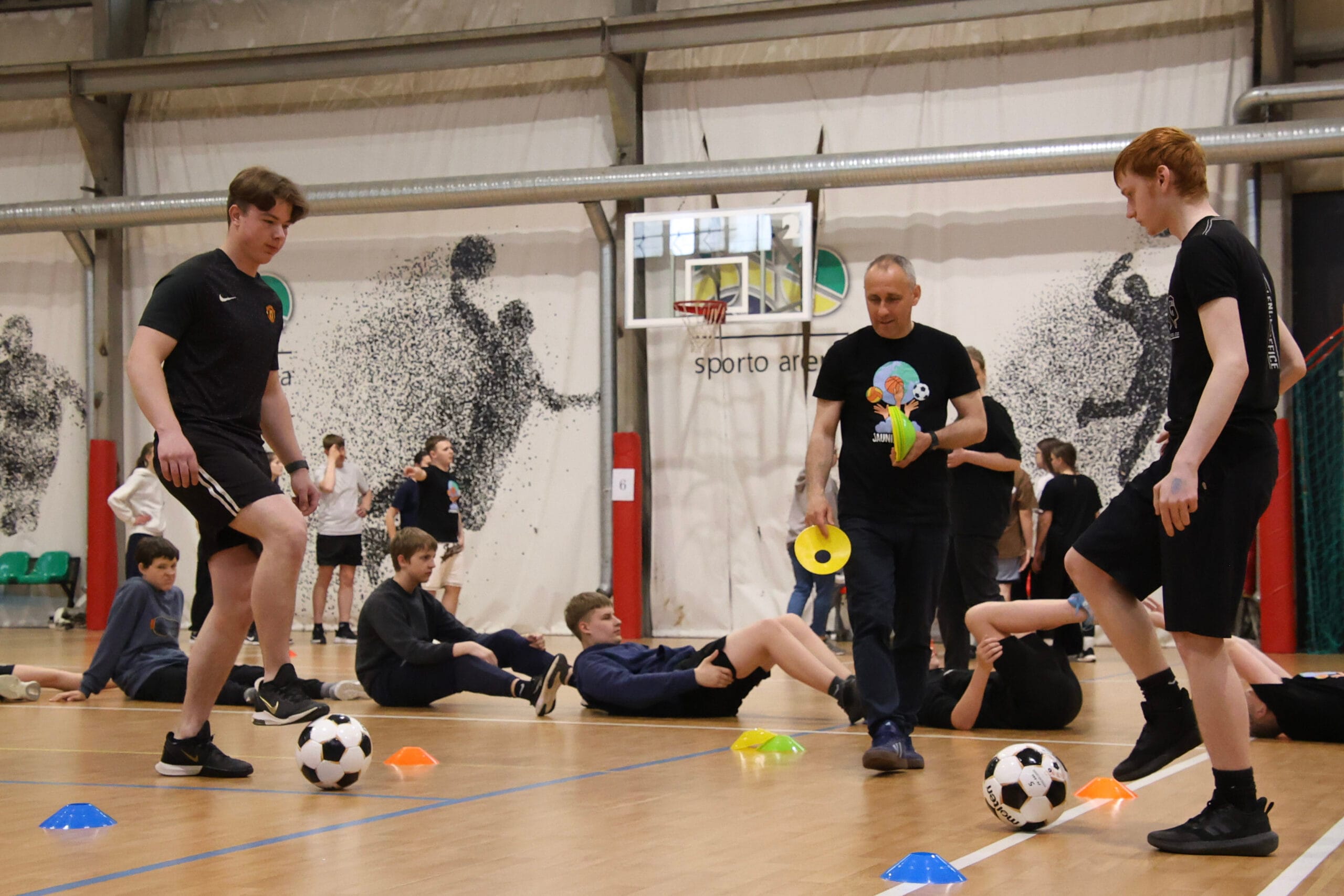
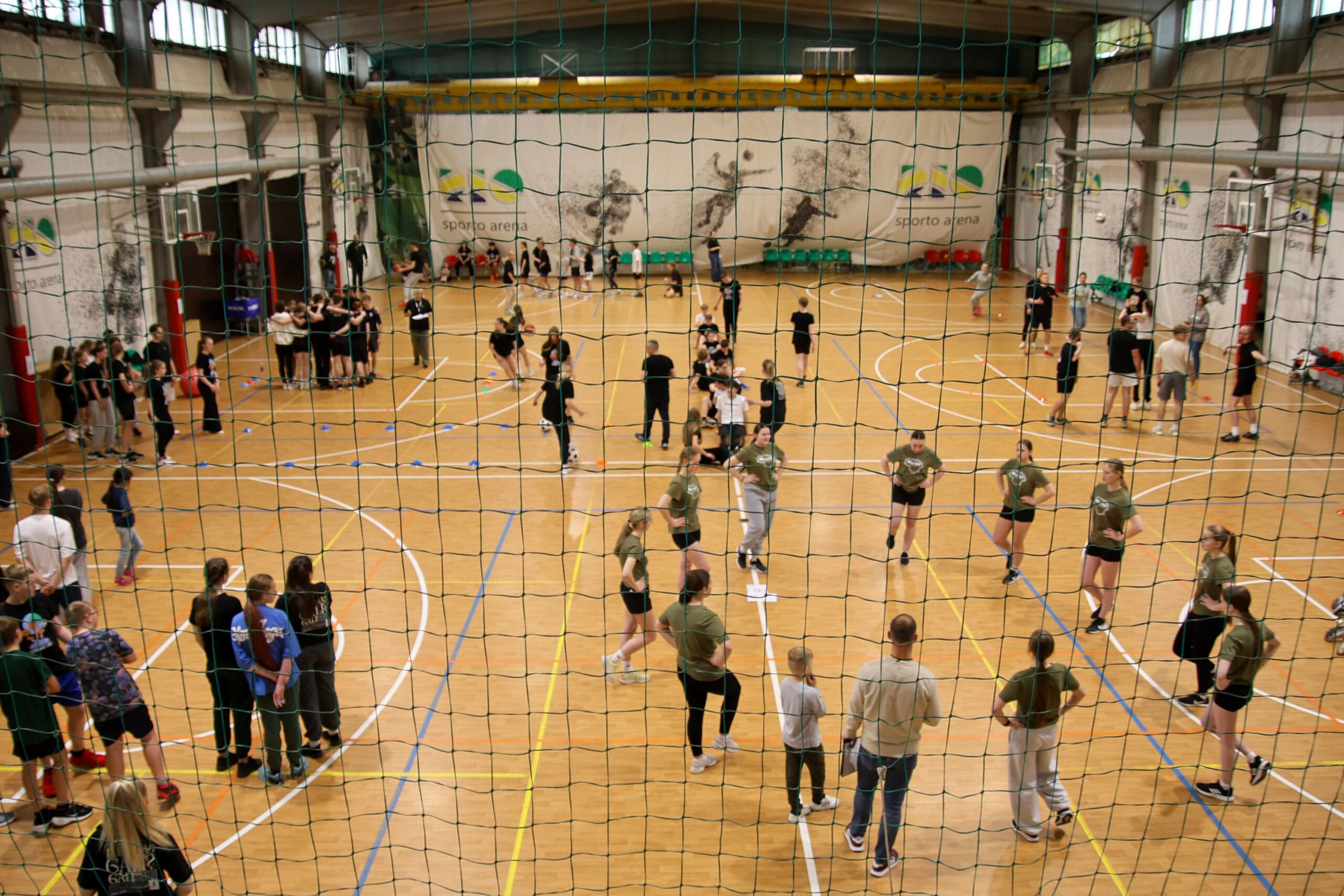
The life skills development program for youth in regional Lithuania engaged almost 200 young people from 11 towns, with activities held twice a week throughout the year. Participants took part in a variety of challenges – from entrepreneurship initiatives to organizing unconventional sports events and activities promoting mindful movement.

On May 9, the season closing event in Kaunas brought participants and KFF administration together to compete in 10 challenges, where they demonstrated physical endurance, logical thinking, creativity, and teamwork.

In 2014, KFF initiated the program with the aim of using physical activity as a tool to strengthen life skills among young people in regional areas. Youth education and empowerment remain one of the Foundation’s priority areas of support.

Photos by Kamilė Kaveckaitė

“Youth Can” has completed its 12th season Read More »

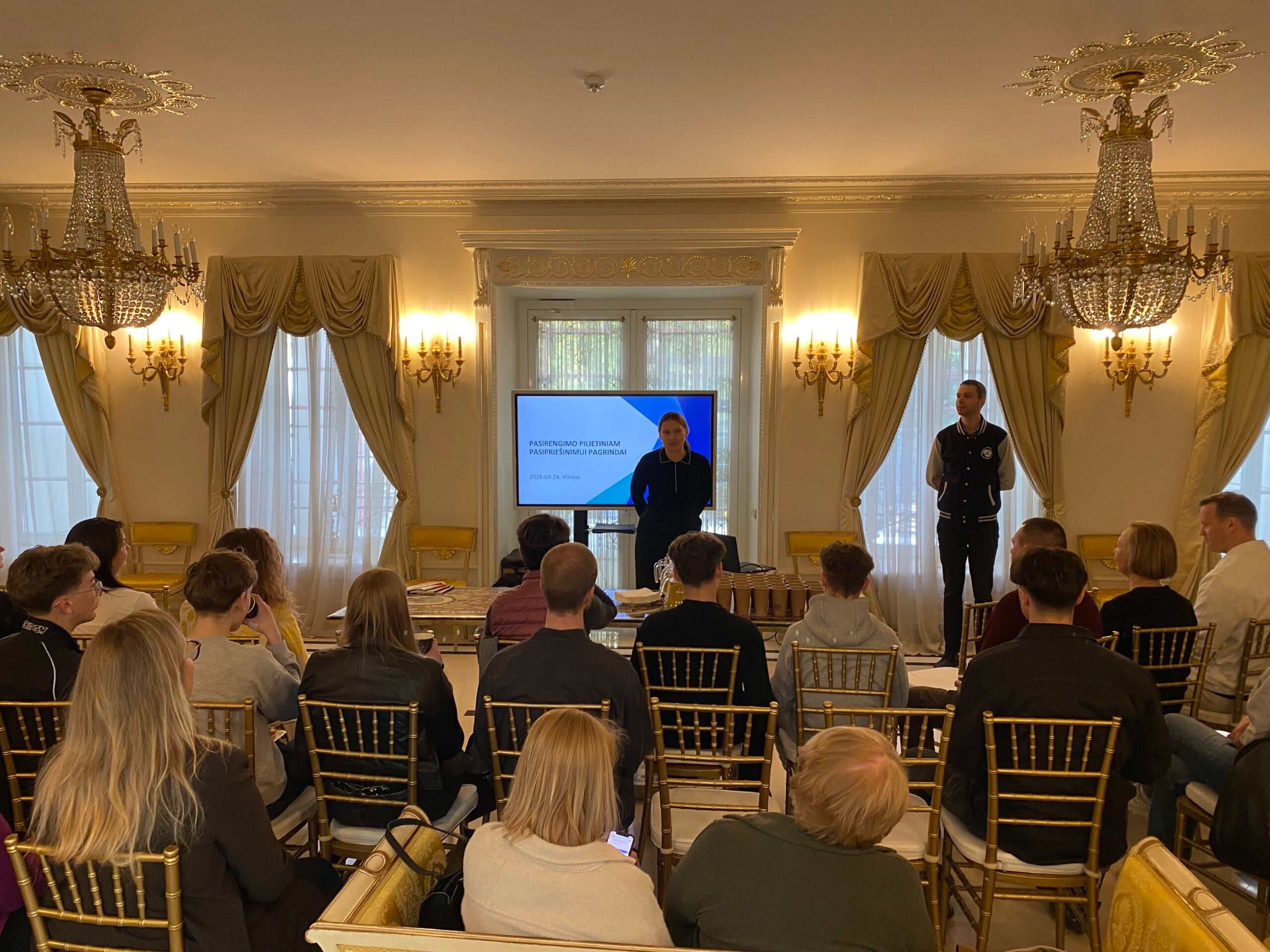
How to Act in a Crisis: The Kazickas Family Foundation Organized a Practical Training Series for Partner Organizations

How to Act in a Crisis: The Kazickas Family Foundation Organized a Practical Training Series for Partner Organizations

How would you respond if you received an emergency alert? Public surveys show that only 2 out of 10 people know the basic steps to take in such situations. In today’s context of growing security threats, preparedness and resilience are becoming increasingly important across all sectors. Knowing how to respond in emergencies is not only useful — it is essential, as it reduces fear, builds confidence, and contributes to a more resilient society.

Kazickų šeimos fondui svarbu padėti partnerėms organizacijoms stiprinti organizacinį pasirengimą ir padėti suprasti savo vaidmenį platesniame nacionalinio saugumo kontekste. Todėl Fondas šį pavasarį organizavo pilietinio pasirengimo mokymų ciklą, skirtą savo partnerių organizacijų atstovams. Į mokymus susirinko daugiau nei 20 organizacijų, dirbančių su jaunimu, vaikais ir kitomis pažeidžiamomis visuomenės grupėmis, Lietuvos miestuose ir regionuose. 

Balandžio 24 d. kartu su LR Krašto apsaugos ministerija organizuotuose Pasirengimo pilietiniam pasipriešinimui kursuose dalyvavo 40 partnerių atstovų. Didelis dėmesys skirtas praktiniam pasirengimui. Dalyviai mokėsi susidėti išvykimo krepšį, įsivertinti, kokie daiktai būtini pirmosioms 72 valandoms, naudotis turniketu stipraus kraujavimo atveju, taip pat planuoti veiksmus netikėtų situacijų metu ir aiškiau suprasti savo vaidmenį tiek asmens, tiek organizacijos lygmeniu. Kursų lektorius dalijosi patirtimi iš Ukrainos, pabrėždamas, kad pasirengimas nėra apie baimę, o apie rūpestį savimi, artimaisiais ir bendruomene.

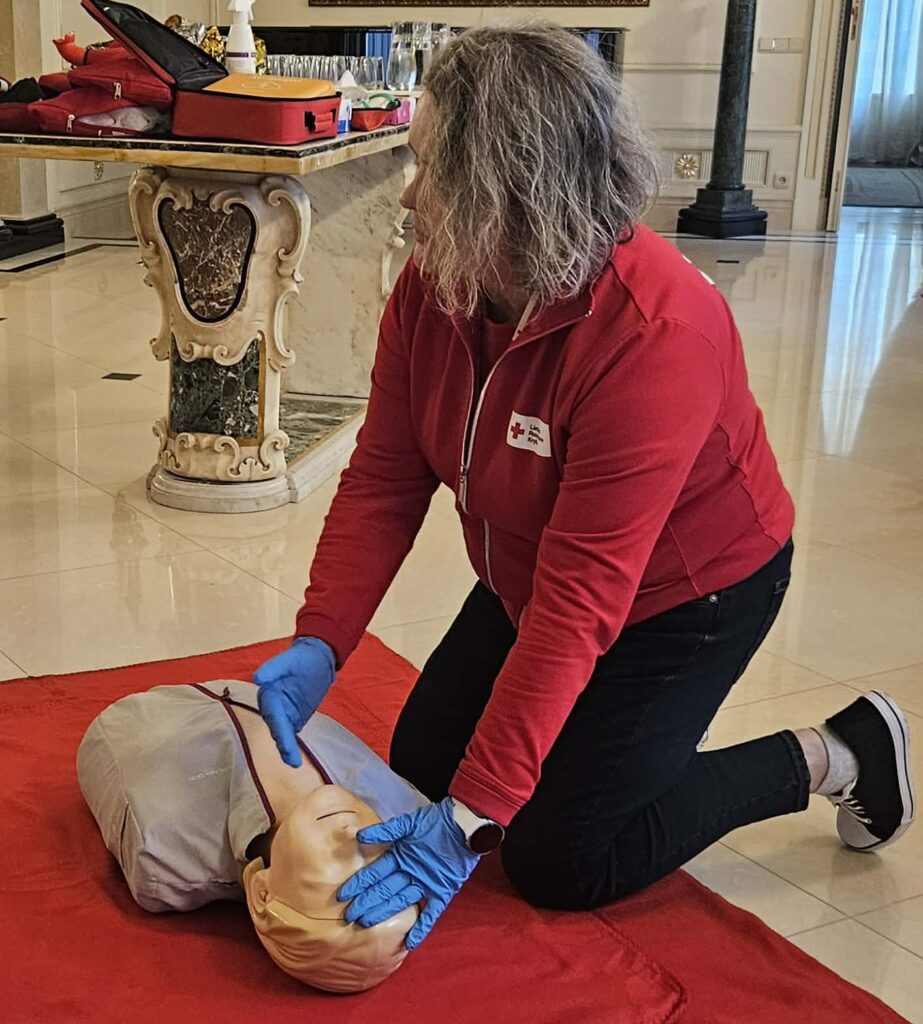
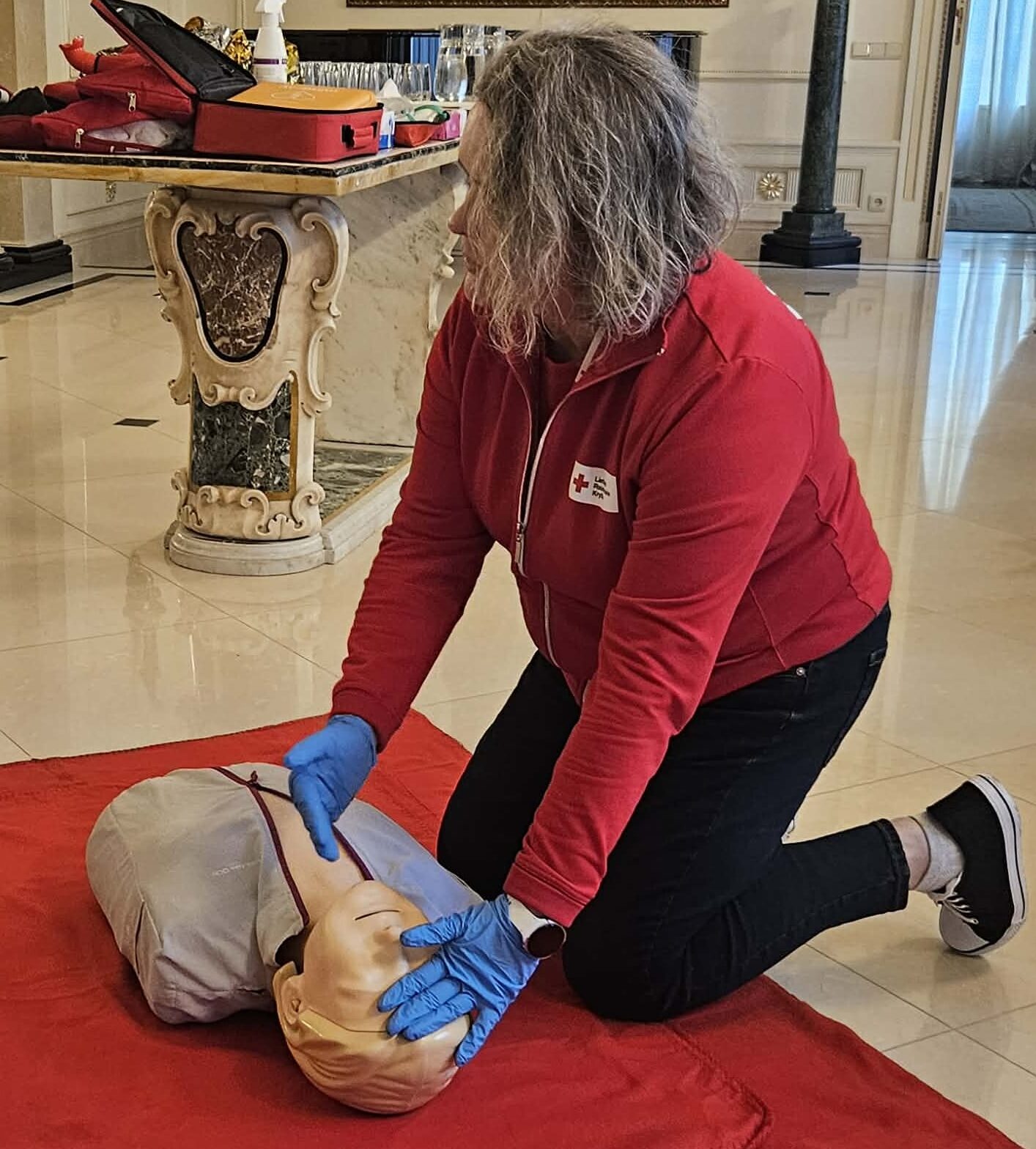
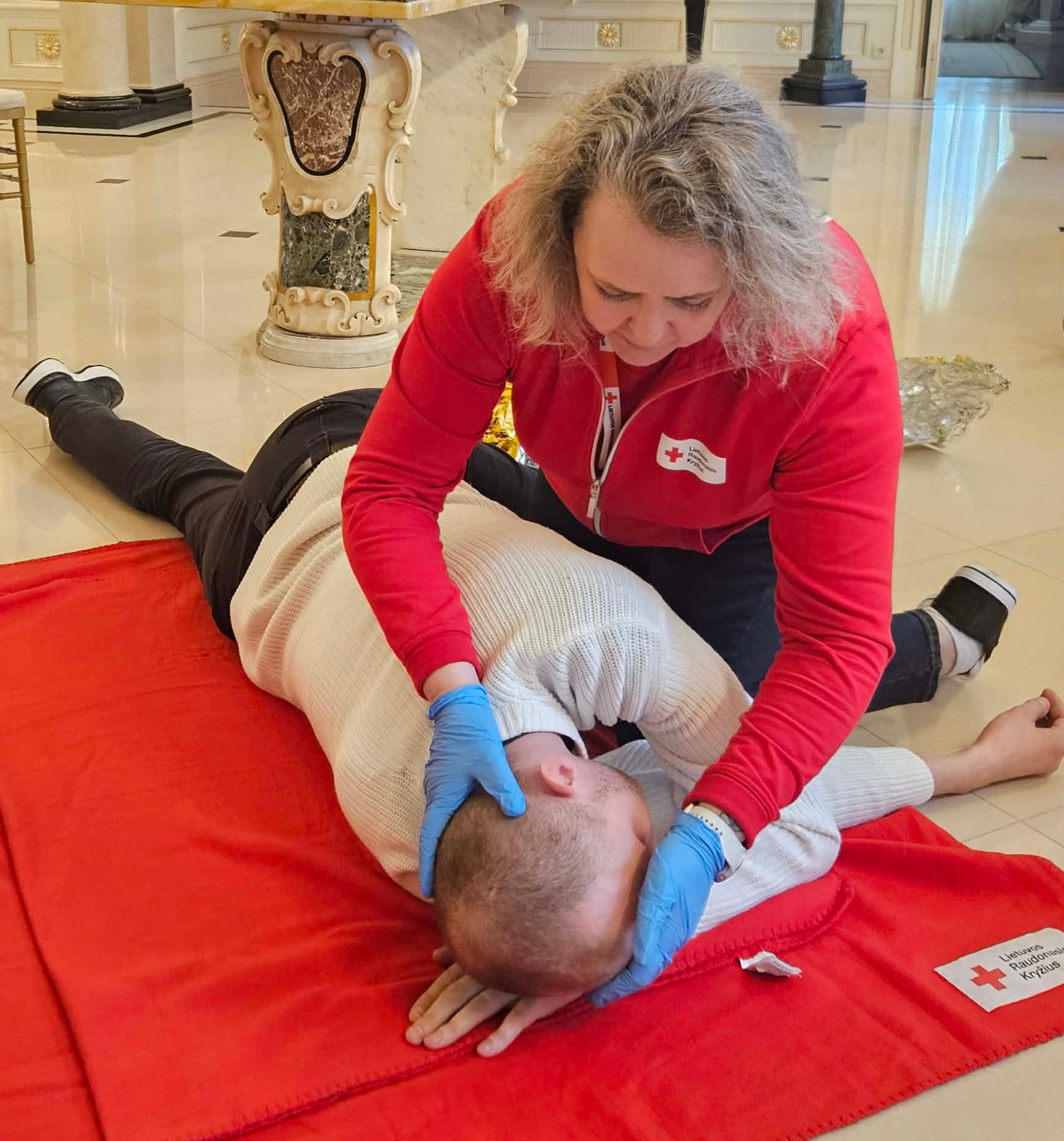
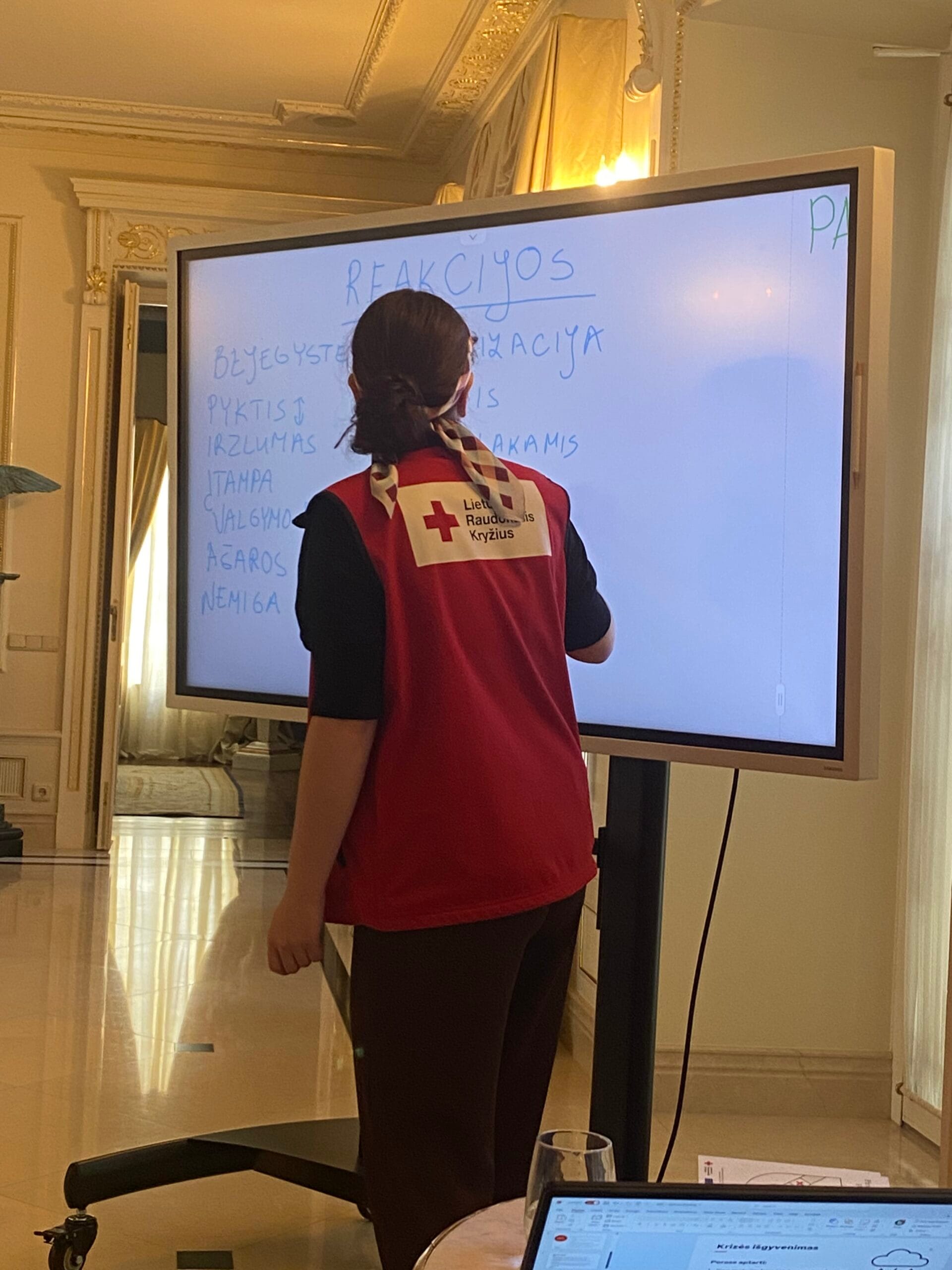
Mokymų ciklas gegužę tęsėsi bendradarbiaujant su Lietuvos Raudonuoju Kryžiumi. Gegužės 6 ir 13 d. Kazickų šeimos fondo rezidencijoje vyko emocinės pagalbos pagrindų bei pirmosios pagalbos mokymai, kuriuose dalyvavo 15 partnerių atstovų.

Teorinės žinios buvo derinamos su praktinėmis užduotimis ir realių situacijų scenarijais. Dalyviai mokėsi suteikti pirmąją pagalbą ir padėti žmogui, patiriančiam stiprų emocinį stresą ar šoką, taikydami išmoktas metodikas. Užsiėmimų metu taip pat aptarta, kaip pasirūpinti savo emocine savijauta ir kokius metodus galima taikyti kasdienėje veikloje. Šie įgūdžiai ypač svarbūs nevyriausybinėms organizacijoms, kurios dažnai tampa pirmaisiais pagalbos taškais pažeidžiamose bendruomenėse.

Kazickų šeimos fondo projektų vadovė Monika Zavistanavičiūtė pabrėžia, kad, atsižvelgdamas į geopolitinę situaciją bei nuolat skleidžiamą dezinformaciją iš nedraugiškų valstybių, 2026 m. KŠF skiria ypatingą dėmesį saugumo, pilietinio pasipriešinimo, kritinio mąstymo ir visuomenės informavimo temoms. 

„Žinių ir kompetencijų šiose srityse stiprinimas tiek savo komandoje, tiek įtraukiant partnerius yra svarbi mūsų šių metų strategijos dalis, – teigia M. Zavistanavičiūtė. – Dėl šios priežasties pradėjome artimiau bendradarbiauti su tokiomis organizacijomis kaip Lietuvos Respublikos krašto apsaugos ministerija ir Lietuvos Raudonasis Kryžius, kuriuos matome kaip vienus patikimiausių partnerių Lietuvoje, siekiant šviesti visuomenę apie krizes ir pasirengimą veikti ekstremaliose situacijose.“

How to Act in a Crisis: The Kazickas Family Foundation Organized a Practical Training Series for Partner Organizations Read More »

Why does the KFF invest in STEM fields?

Why does the KFF invest in STEM fields?

The Kazickas Family Foundation is now accepting applications for its STEM scholarship program, designed for talented Lithuanians pursuing studies at universities abroad. The program is introduced by its initiator, Jurate Kazickaite. In the interview video, she shares why STEM fields are important for Lithuania’s future and how this initiative came to life.

The program is intended for talented Lithuanians who have already been accepted into undergraduate or graduate STEM programs abroad. Its goal is not only to provide financial support, but also to empower young people to contribute to Lithuania’s future progress.

The application deadline is May 30, 2026.

Selected candidates may receive a scholarship of up to EUR 10,000 to cover tuition fees, living expenses, and other study-related costs.

More information on application requirements can be found here.

Why does the KFF invest in STEM fields? Read More »

Summer Internship in Lithuania

Summer Internship in Lithuania

Lithuanian National Foundation and the Kazickas Family Foundation invite students to apply for summer internships!

In partnership with the National Foundation, we invite students of Lithuanian descent studying abroad to apply for paid summer internships at non-governmental organizations in Lithuania.

This is a great opportunity to not only gain valuable professional experience but also to contribute to the work of inspiring NGOs in Lithuania, including:

Bring Together Lithuania, Innovation Valley, Global Lithuanian Leaders, Lithuanian Culture Institute, Youth Affairs Agency, Center for Equality Advancement, Transparency International, Inconvenient Films, Lithuanian Centre for Human Rights and LiJOT.

To apply, please submit:

  • Resume / CV
  • A motivational letter

Applications should be sent directly to the contact person listed by the NGO.

Application deadline: May 16, 2025

Scholarship: 600 EUR/month

You can find more details about available internship opportunities here.

If you have any questions, please contact vilnius@tautosfondas.org

Summer Internship in Lithuania Read More »
Alytus Region Butrimonys Higher School’s visit to Vilnius

Alytus Region Butrimonys Higher School’s visit to Vilnius

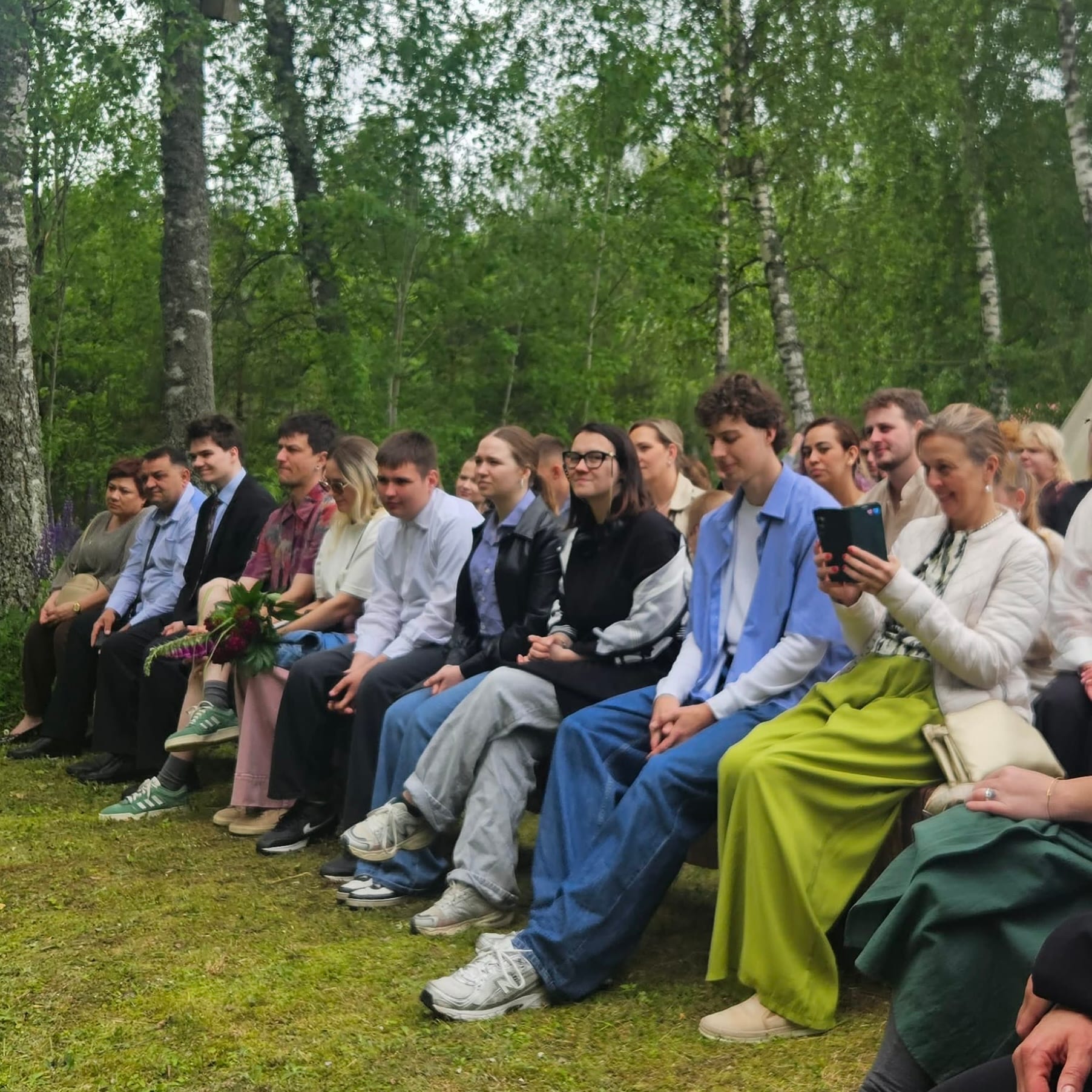
For several years, we have partnered with Alytus Region Butrimonys Higher School, supporting the school as the initiator of “Adamkiada.” This Lithuanian student sports and arts festival will take place for the 11th time this year, bringing together talented and active students from rural schools. The event carries forward the values of Alma Adamkienė Charity and Support Fund and helps strengthen students and schools across Lithuania’s regions. This year, the festival will be held in autumn, in the lead-up to the 100th anniversary of President Valdas Adamkus.

Last week, together with our partner, the MO Museum, we invited 16 students and members of the school administration to take part in educational activities and visit the latest exhibition, “Gen Z: All at Once.” Students joined creative workshops at the museum and also visited the Kazickas Family Residence, where they learned more about the family’s history.

Alytus Region Butrimonys Higher School’s visit to Vilnius Read More »
Are we doing what we say we are doing? – Why impact measurement is essential in the NGO sector

Are we doing what we say we are doing? – Why impact measurement is essential in the NGO sector

Non-governmental organizations address important social issues on a daily basis, yet it is not always clear what real impact their activities create, how this can be measured, and whether they are capable of doing it themselves. 

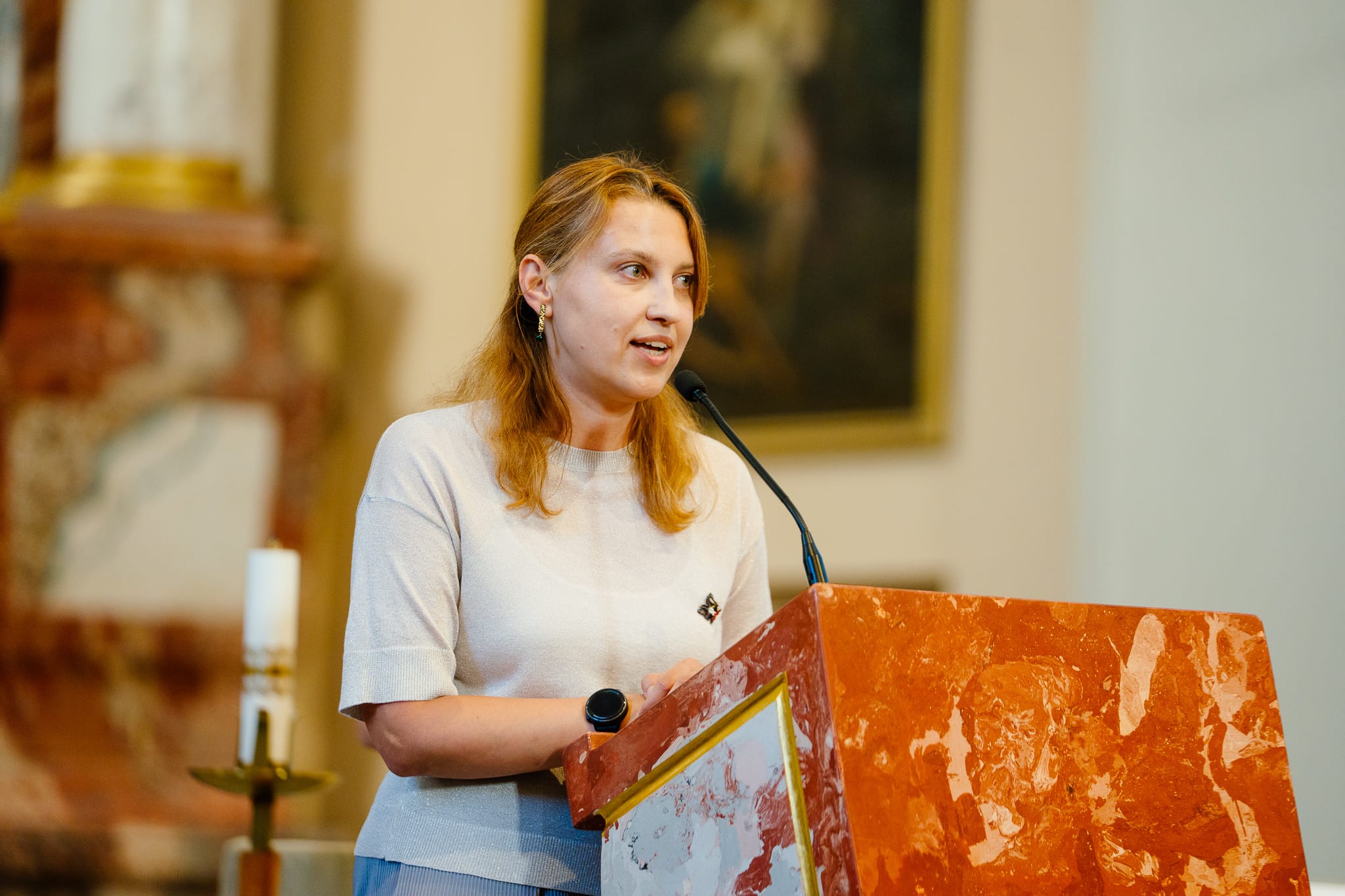
Giedrė Šopaitė, an NGO consultant and founder of the “Baltic Fundraising Hub”, who lectured at training sessions organized at the initiative of the Kazickas Family Foundation and bringing together 20 non-governmental organizations working in the fields of social inclusion, youth empowerment, and education, believes that measuring NGO impact is not only necessary but also not complicated. She is echoed by Domantė Howes, the Foundation’s Executive Director in Lithuania, whose organization has for several years been investing not only in financial support but also in strengthening the competencies of its partners: “This is a strategic investment by the Foundation that over time translates into value: more sustainable organizations, greater trust, and a stronger non-governmental sector.

Measuring impact – simpler than it seems

According to G. Šopaitė, impact measurement may sound complex, but in essence it is quite straightforward. “It is the ability to answer, for ourselves and for others, a simple question: are we doing what we say we are doing? NGOs often take on specific social challenges, applying solutions that the public sector cannot implement and that are not viable for business. But the real question is – does what we do actually work?” she says.

This is where impact measurement begins – it allows us not only to intuitively feel that we are doing good work, but also to have clear evidence that we are moving towards our mission.She also highlights some of the most common mistakes. “The biggest mistake is overcomplicating impact measurement. Activities, outputs and impact are not connected through a clear logic, overly complex or expensive tools are chosen, and eventually the system becomes so complicated that it is simply abandoned – like an ‘Excel monster’ that lives for two weeks and quietly dies.

In her view, getting started can be very simple – by selecting one or two indicators and using measurement tools that can be easily applied in day-to-day work. “Effective impact measurement is not about complex systems – it is about clarity and discipline,” says the NGO consultant and founder of the “Baltic Fundraising Hub”.

G. Šopaitė also places particular emphasis on distinguishing between outputs and impact. According to her, outputs are the immediate effects of activities, visible relatively quickly – for example, when participants gain new knowledge or skills after training. Impact, by contrast, is a long-term change that becomes evident over time, often after a year or two, when those same individuals begin to change their behaviour or environment. “To put simply, outputs show what happened immediately, while impact shows what actually changed,” she concludes.

Changing lives – but is it communicated clearly?

Impact measurement is particularly relevant for organisations seeking not only to deliver activities but also to create lasting value. Donatas Nagumanovas, head of the Alternative Learning Centre for Youth at Vilnius Archdiocesan Caritas, which works with young people experiencing social exclusion, says the training reshaped his perspective.

“I came to the training with the challenge of understanding how to measure impact. In my daily work, I no longer question the meaning of what we do – we know we are changing young people’s lives. But I also often feel an expectation from donors to communicate more clearly what exactly we are changing and what makes us unique,” he says.

According to him, NGOs are used to speaking in project terminology, using concepts such as “empowerment”, “integration” or “exclusion”. While meaningful, these terms are not always fully clear to the wider public. “The workshop gave us an opportunity to step away from our usual communication habits and reflect on how our work might sound to a broader audience,” he adds.

D. Nagumanovas notes that practical exercises helped bring clarity. “After the first session, I returned to work and shared insights with my colleagues. My newly formulated mission sparked interesting discussions and strong support,” he says.

An investment that pays off

Impact measurement matters not only for organisations themselves, but also for their partners and donors. Domantė Howes highlights that the issue is strategically important for the Foundation. “We never want to act for the sake of action alone – we aim to ensure that what we do creates real value and meaning,” she says.

According to D. Howes, the Foundation deliberately invests in strengthening the capacities of its partners. “Three years ago, we set a clear goal: to be not only providers of financial support, but also partners contributing to organisational growth. One year we focused on how to present our work effectively, another on fundraising, and this year we are focusing on how to measure impact,” she explains.

Such initiatives are far from accidental. D. Howes also underlines the responsibility to communicate value clearly. “It is important to understand that such training is not ‘free’. We believe in the organisations we support, but today belief alone is not enough – results must be clearly demonstrated and substantiated,” she says.

This applies to the Foundation itself as well. “As a philanthropic organisation operating for nearly three decades, it is crucial for us to understand the value we create. Behind our work are thousands of young people who have gained access to educational opportunities, tens of thousands who have experienced world-class music, and millions invested in Lithuania. So when I hear that too little is known about our impact, I take it personally – because the impact is real and significant, and it is our responsibility to communicate it more clearly.

As expectations for transparency and accountability continue to grow, impact measurement is becoming not a choice but a necessity. It is not only a tool for convincing donors, but also a way for organisations to better understand their work, grow more strategically, and create meaningful change. Ultimately, as G. Šopaitė puts it, it all begins with a simple but fundamental question: are we truly doing what we say we are doing?

The article was published on the 15min.lt website in April 2026 (in Lithuanian).

Are we doing what we say we are doing? – Why impact measurement is essential in the NGO sector Read More »