Gratitude Is More Than a Word – It Is a Practice
One of the first phrases we learn as young children is ‘thank you,’ says Jurate Kazickas, President of the Kazickas Family Foundation (KFF).
Yet gratitude is more than a polite word or an automatic response. It begins with the ability to recognize what we are grateful for, put it into words, express it to another person, and accept gratitude when it is offered to us.
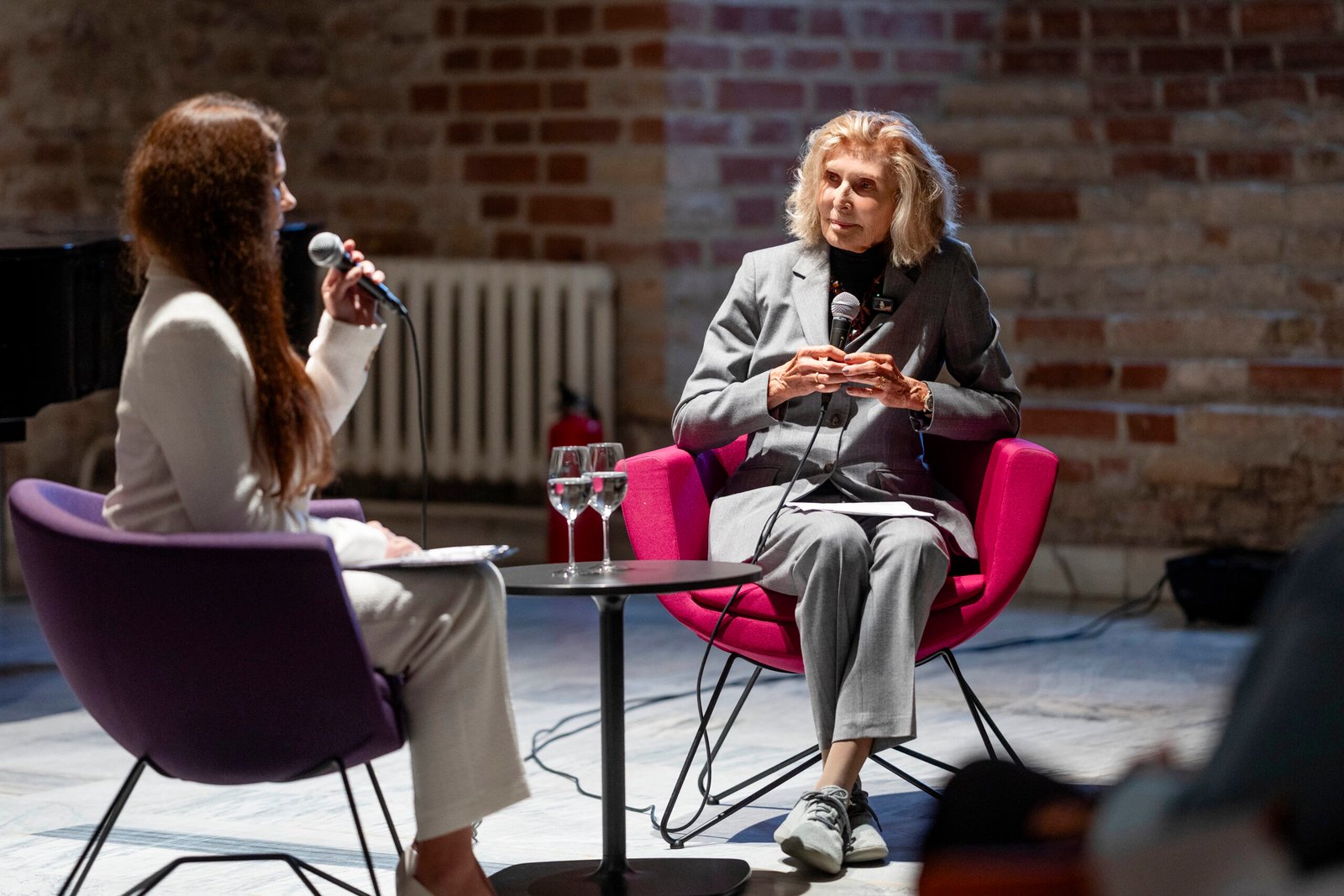
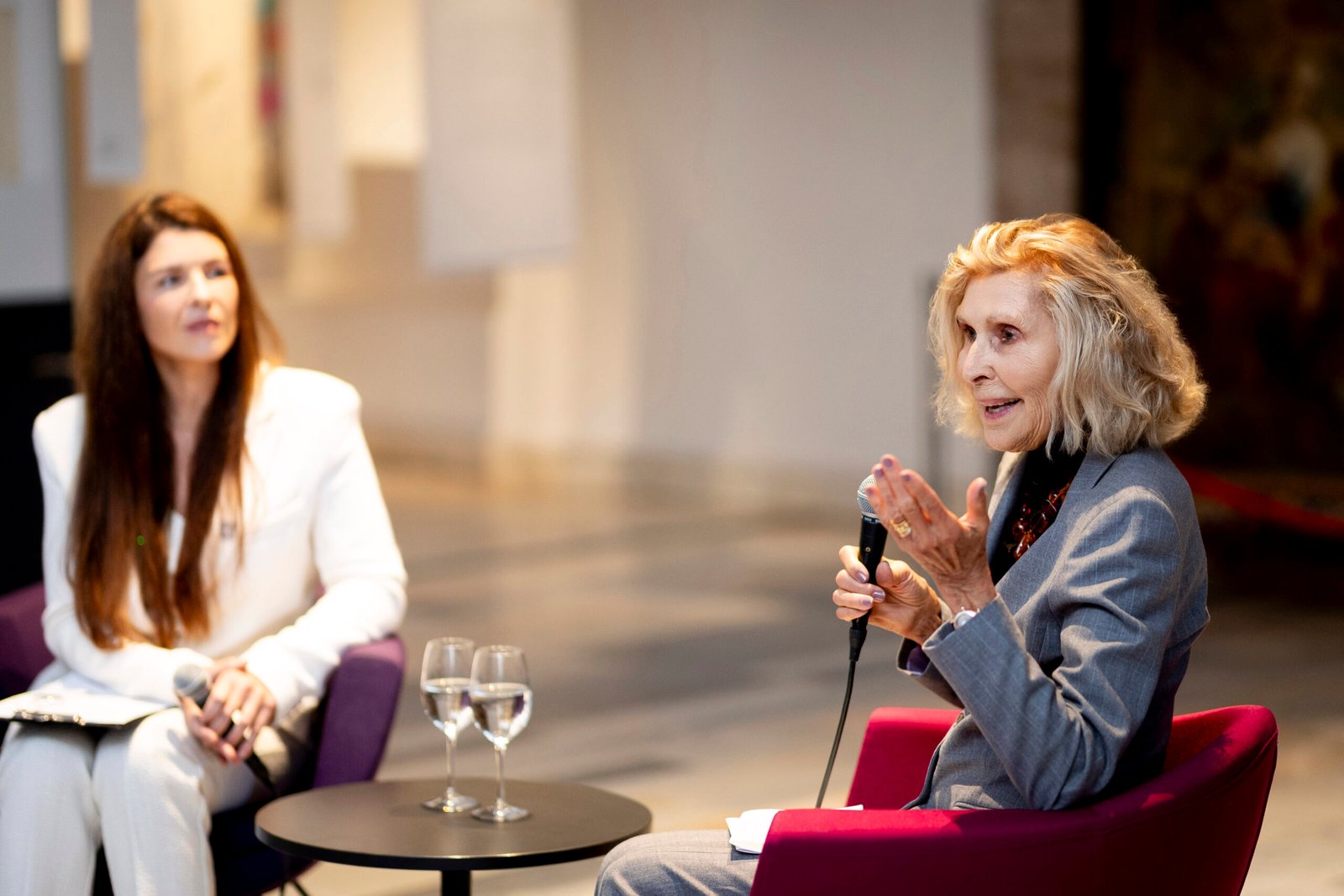
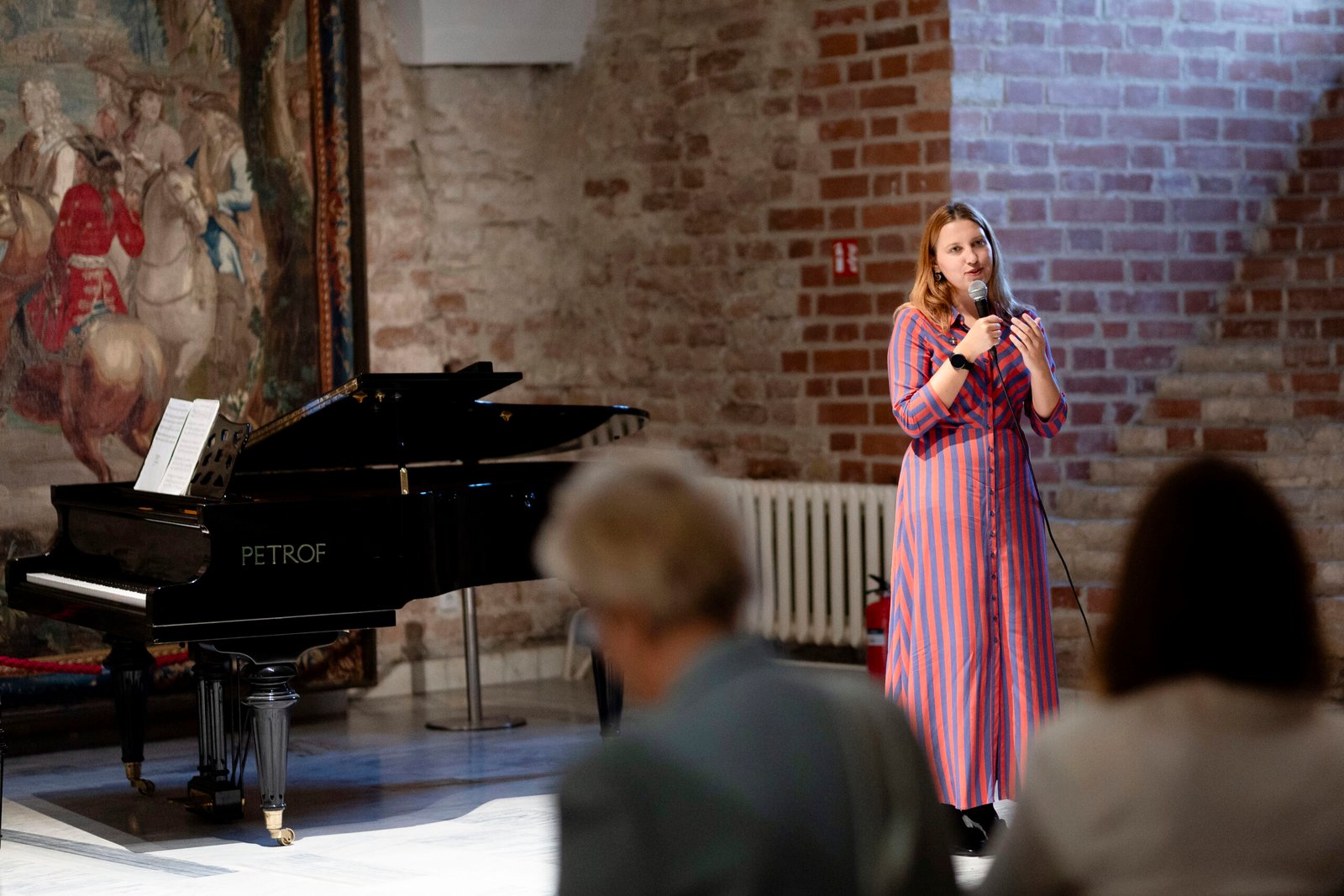
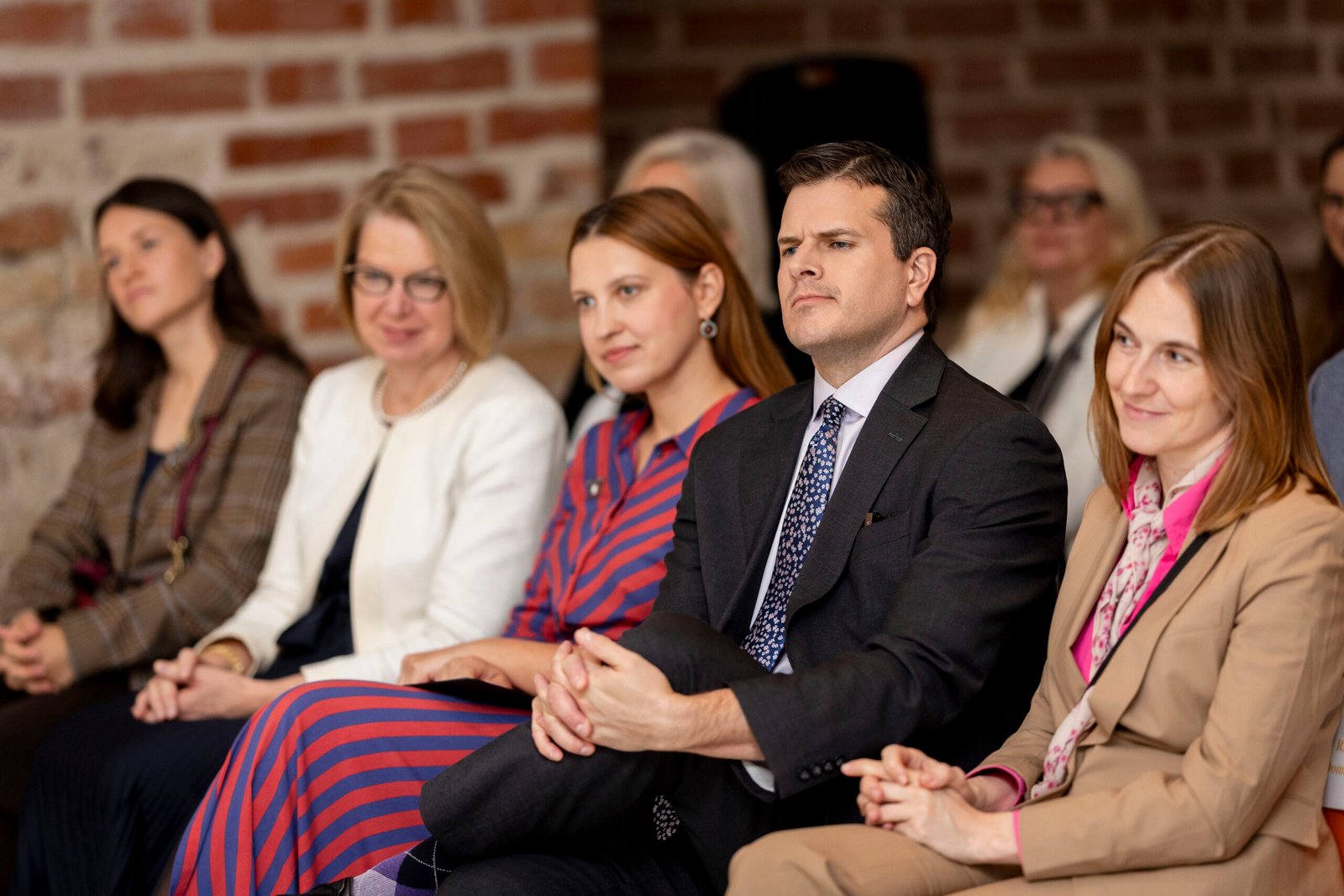
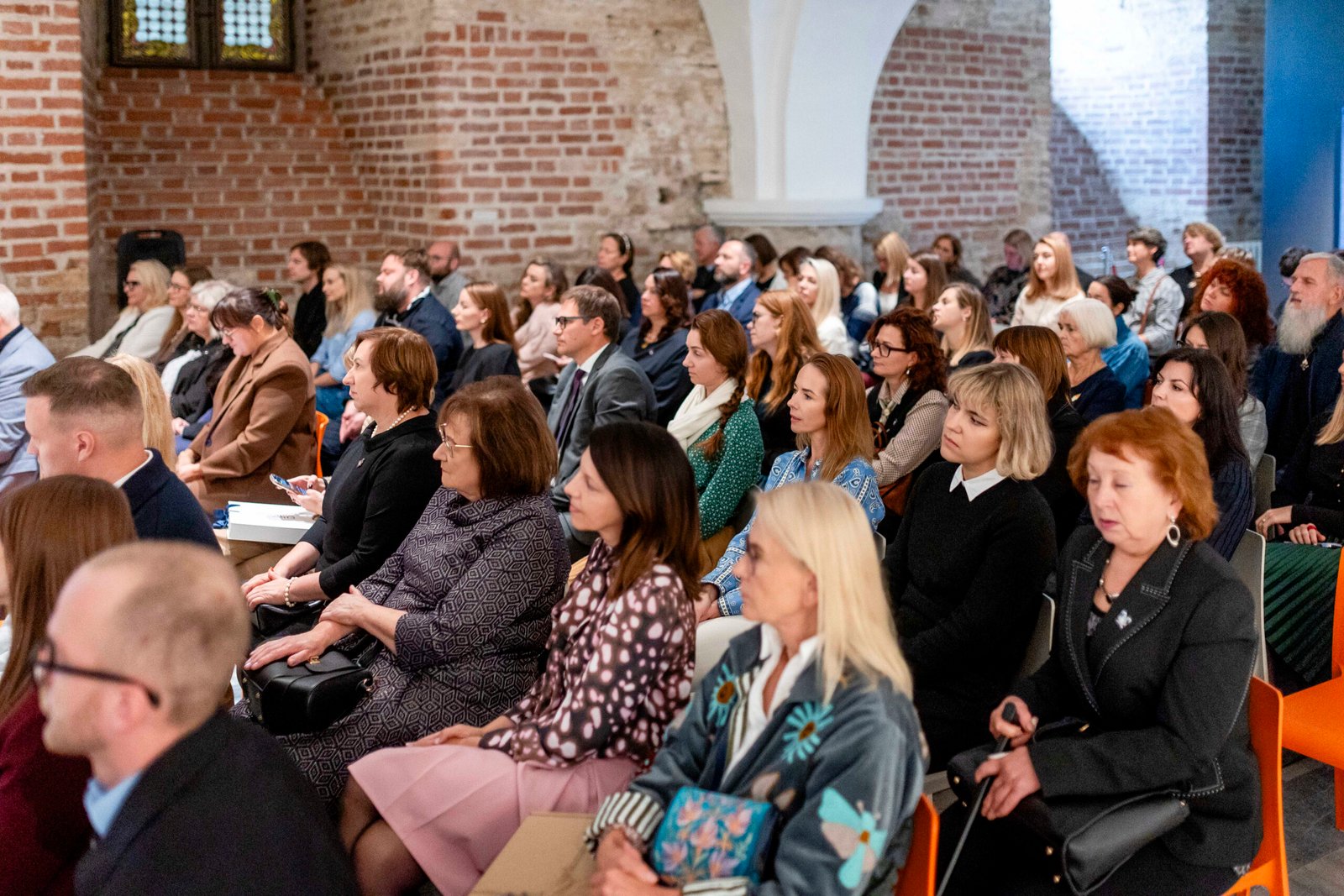
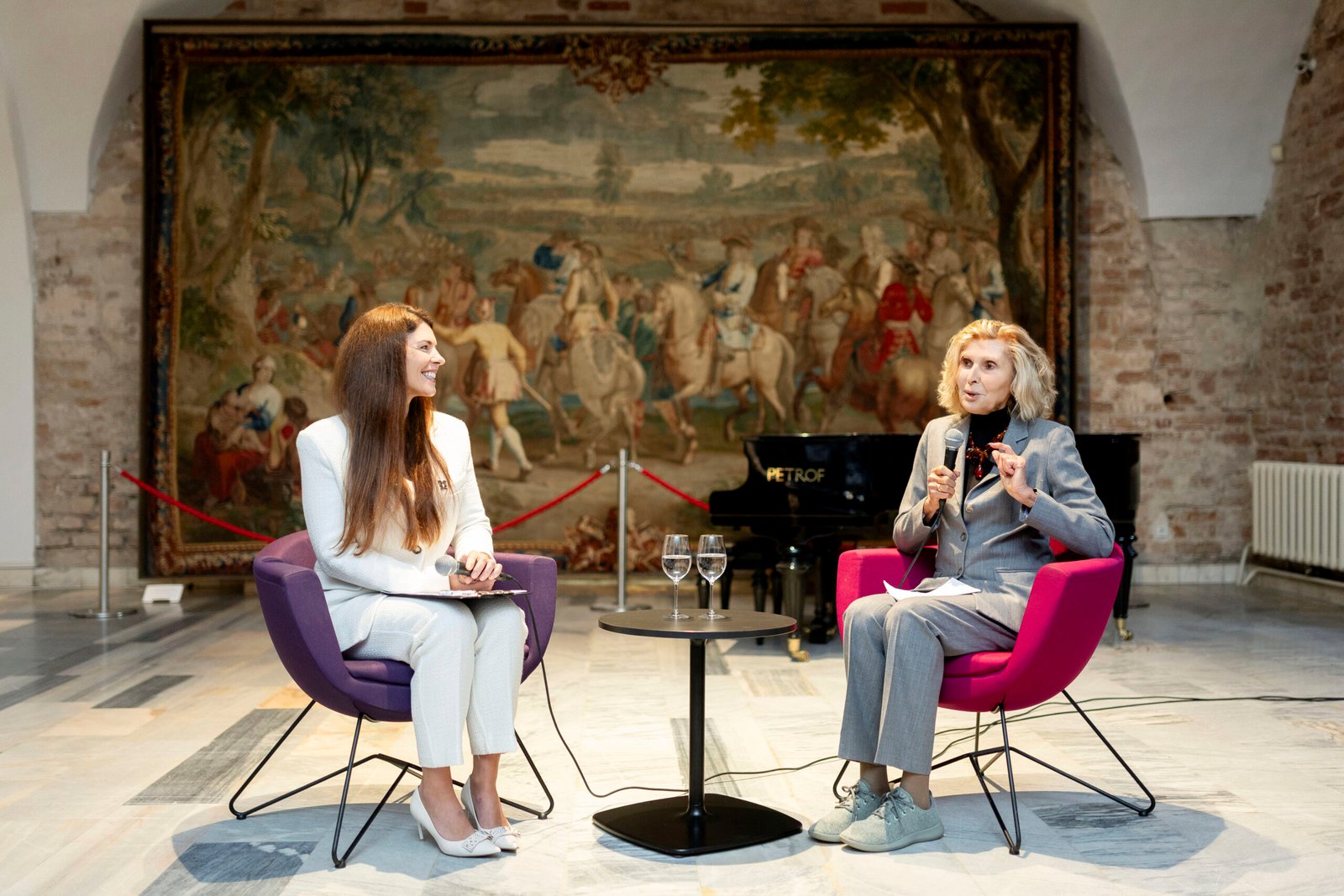
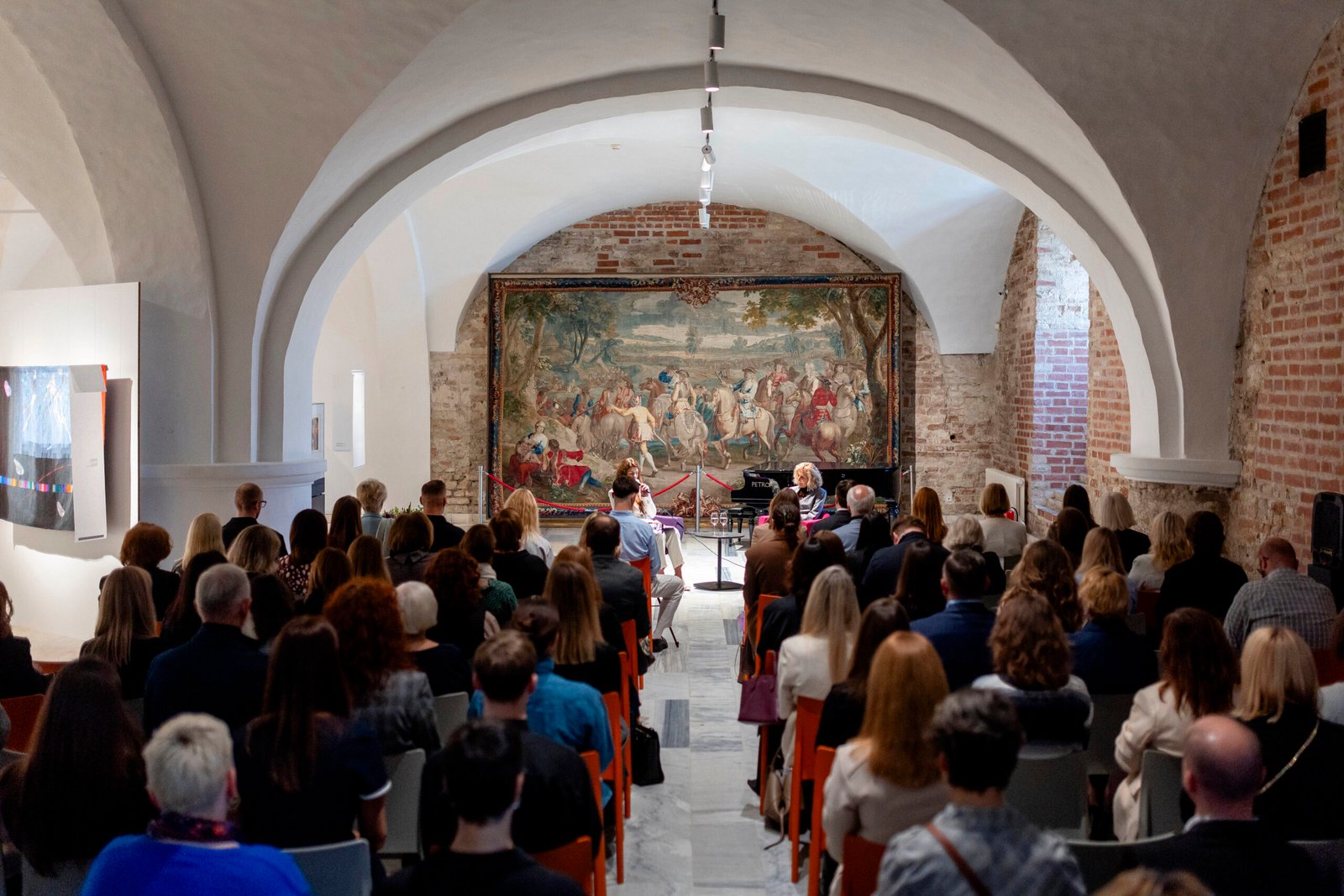
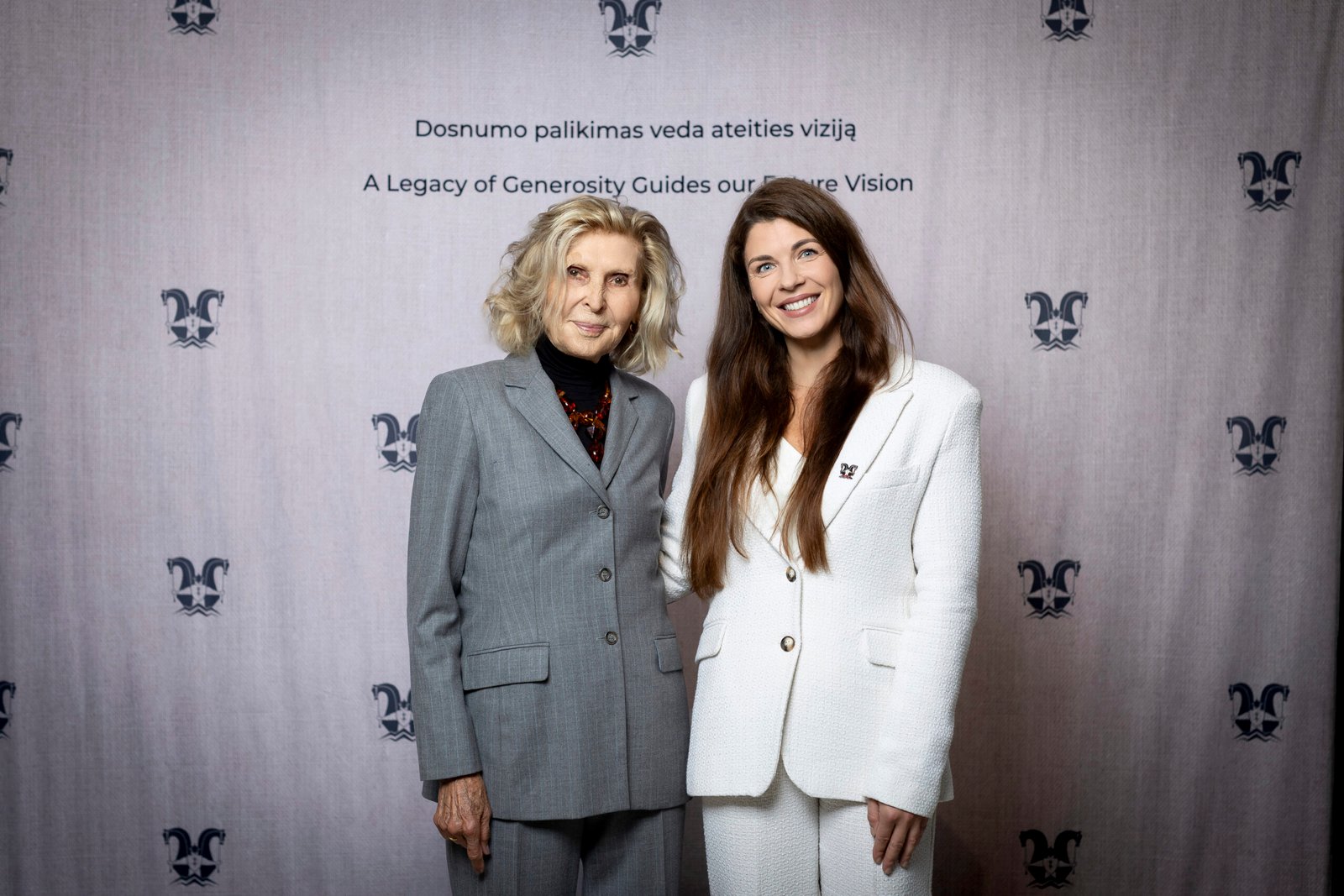
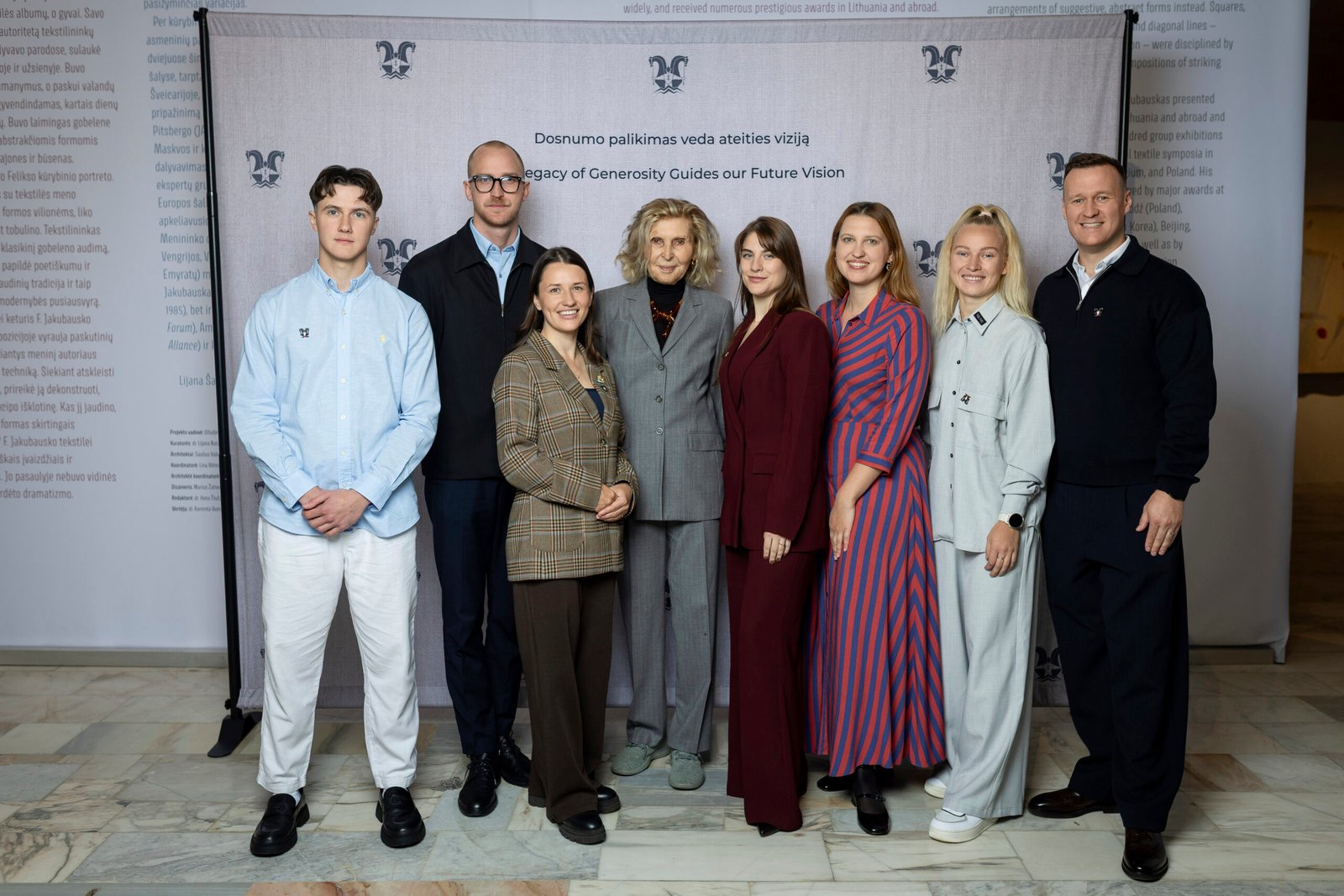
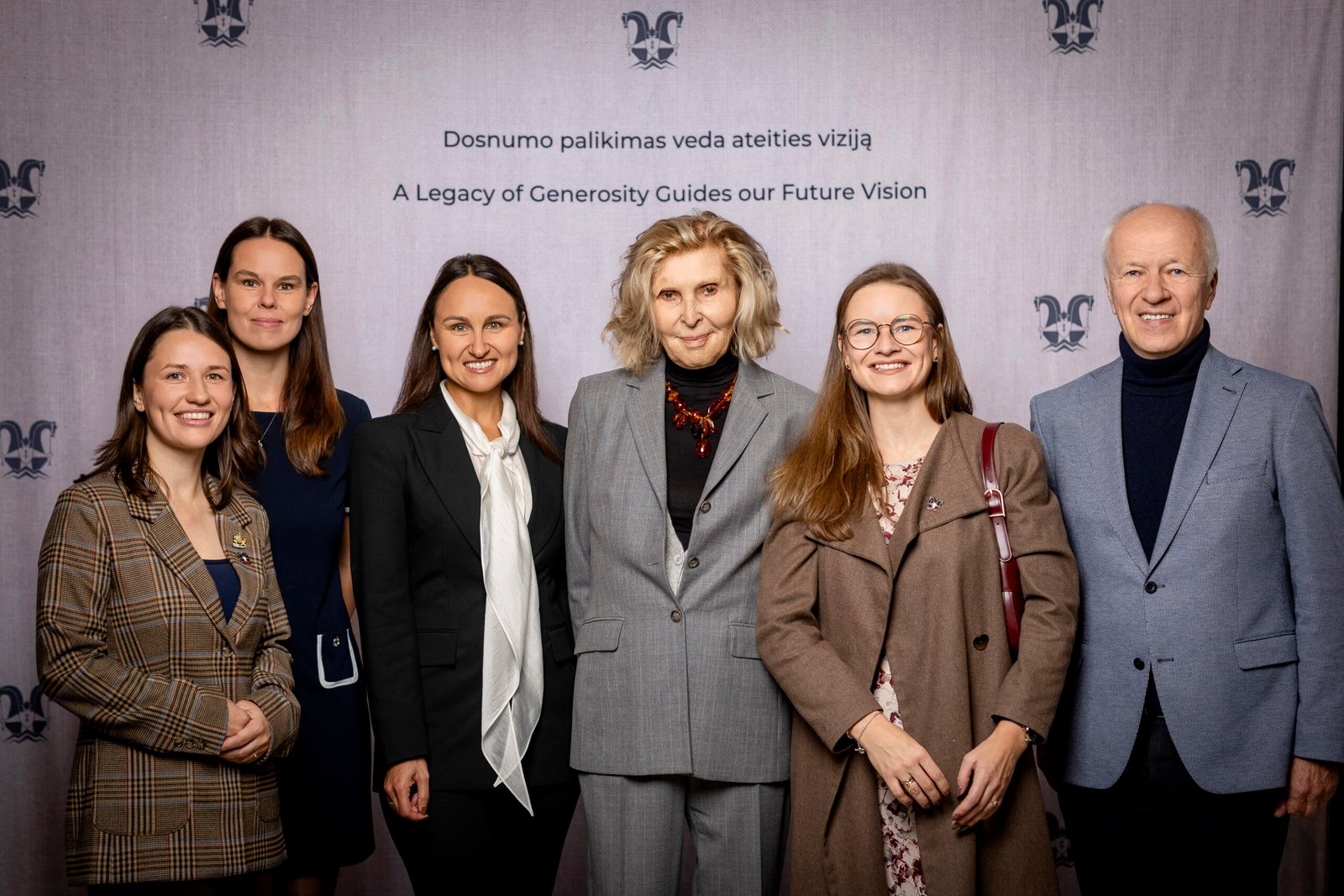
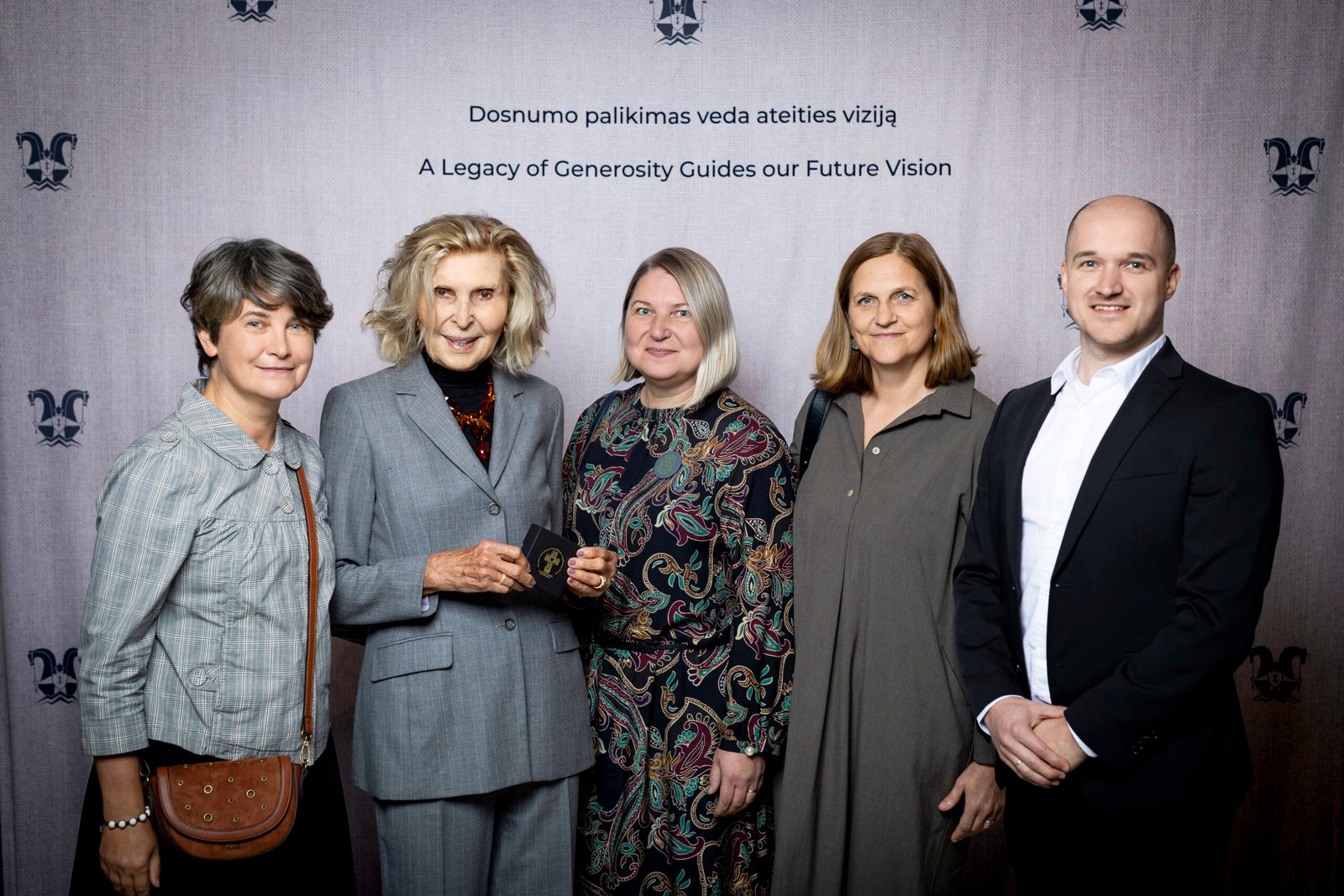
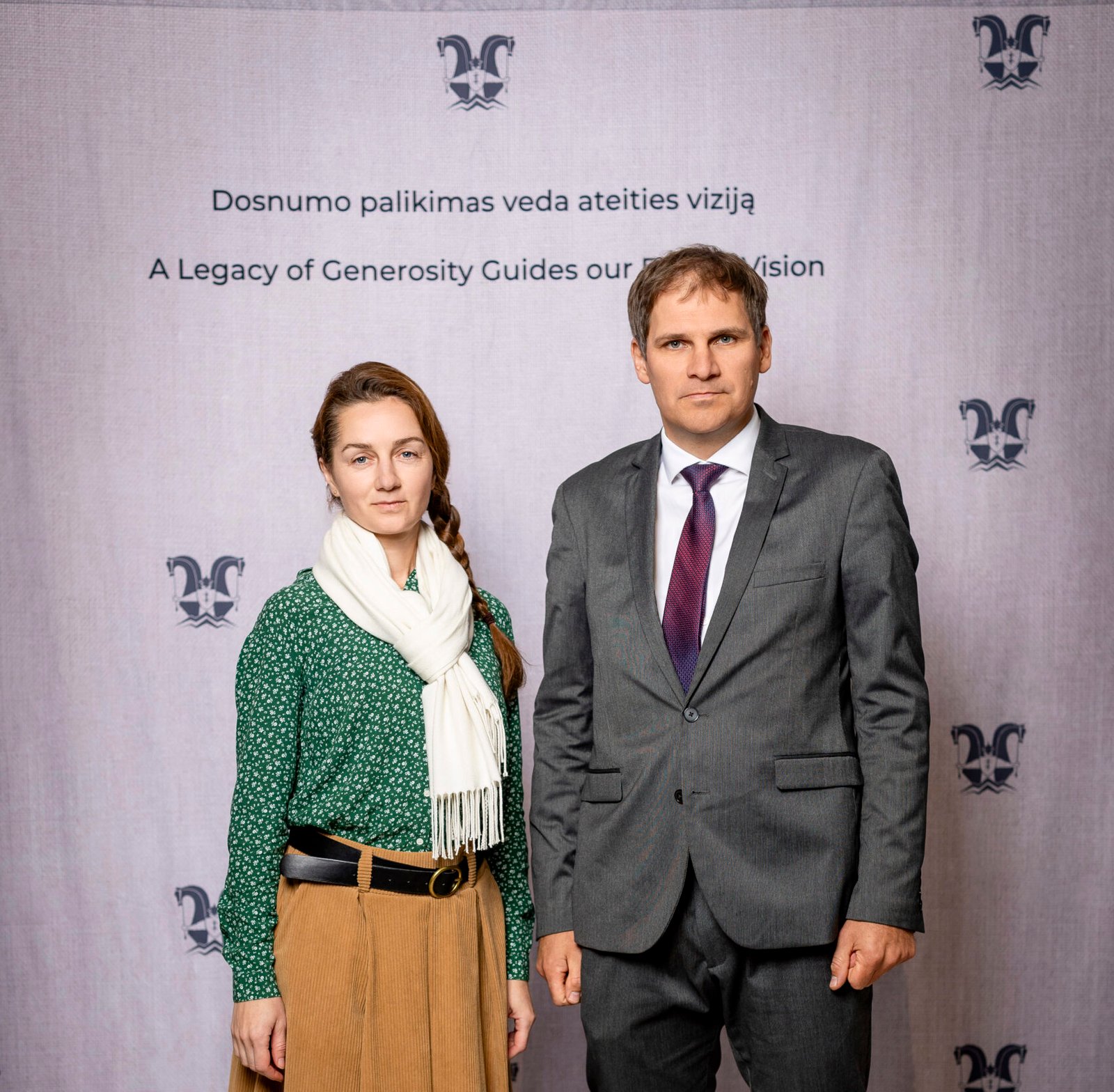
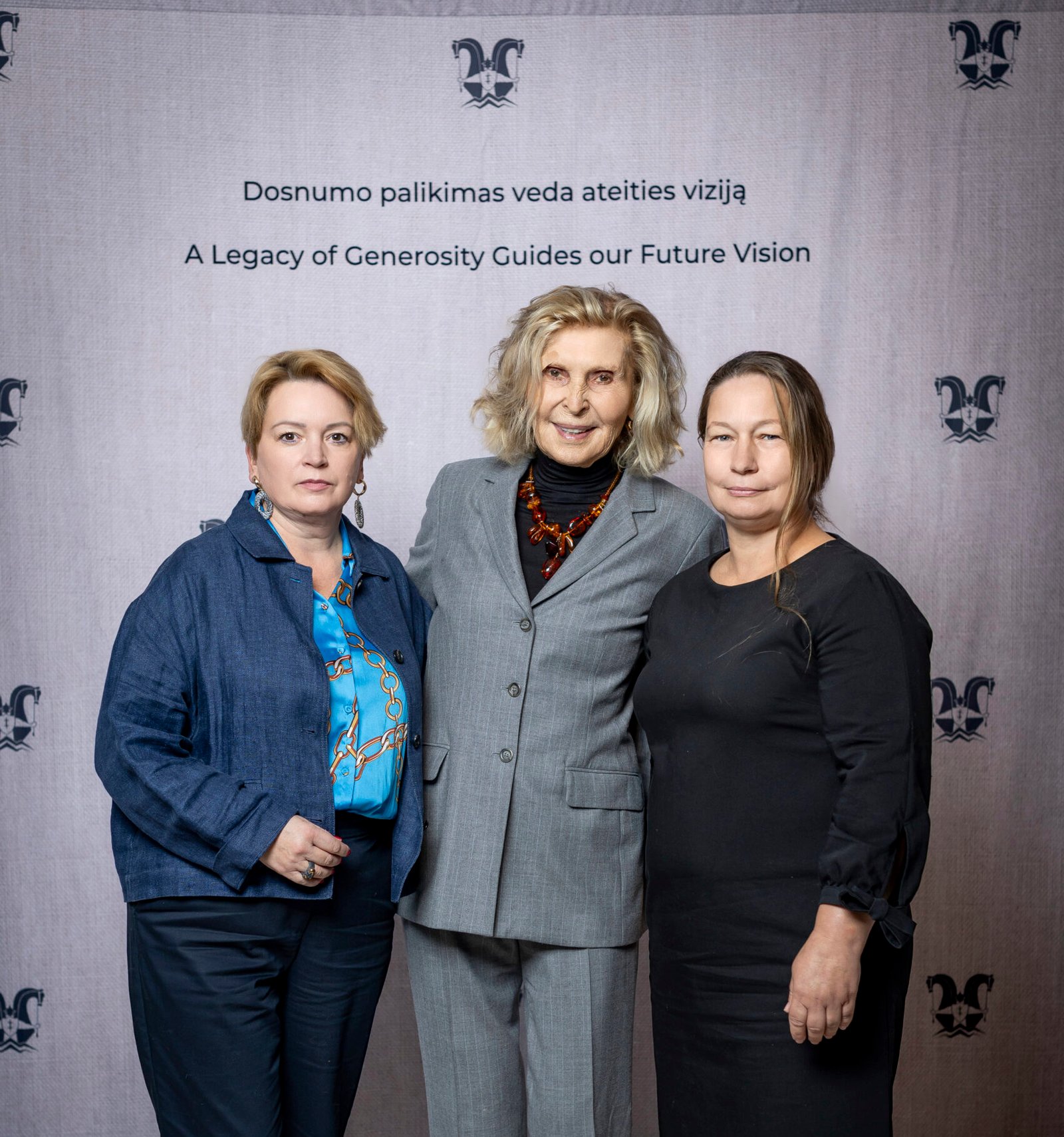
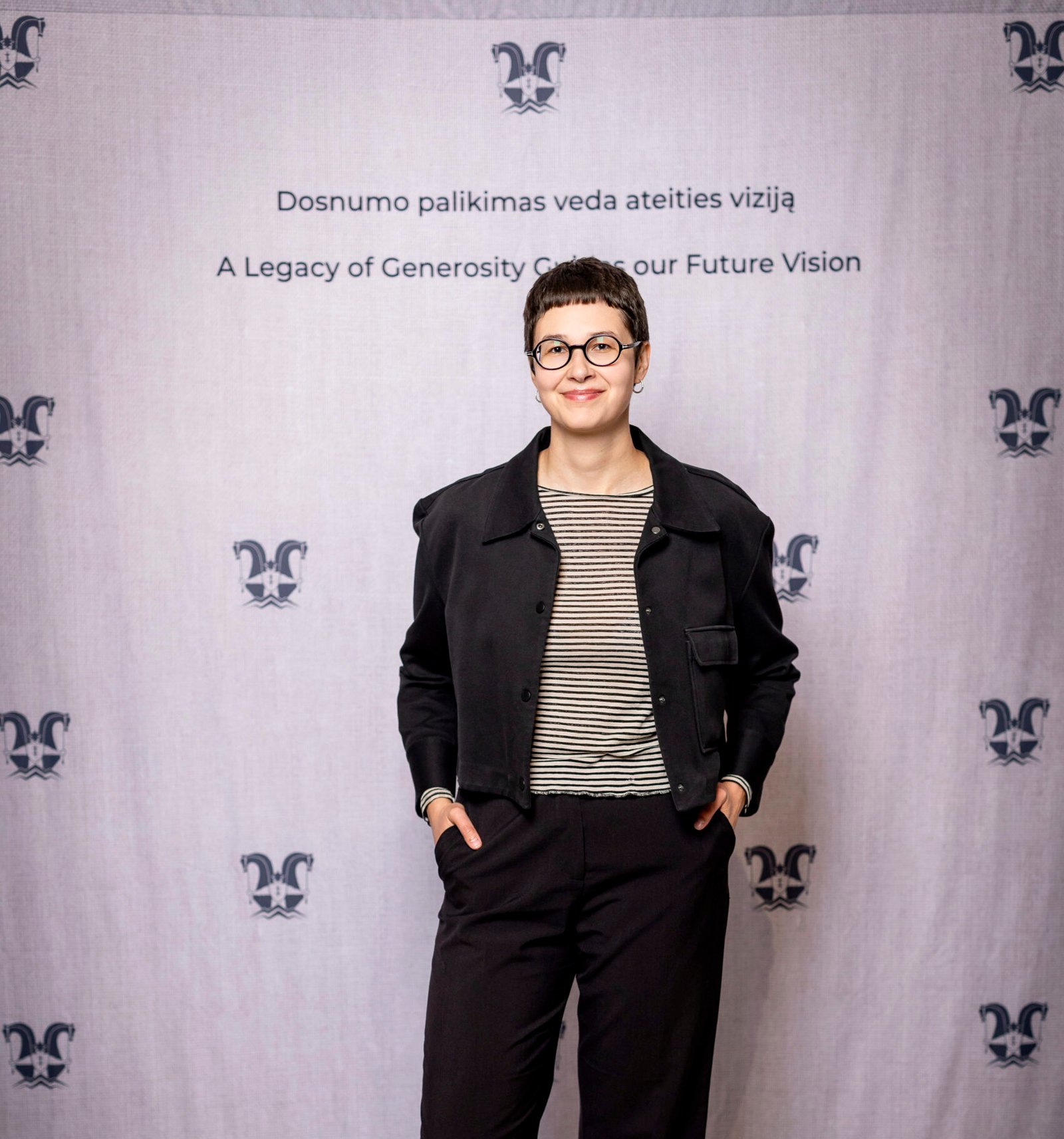
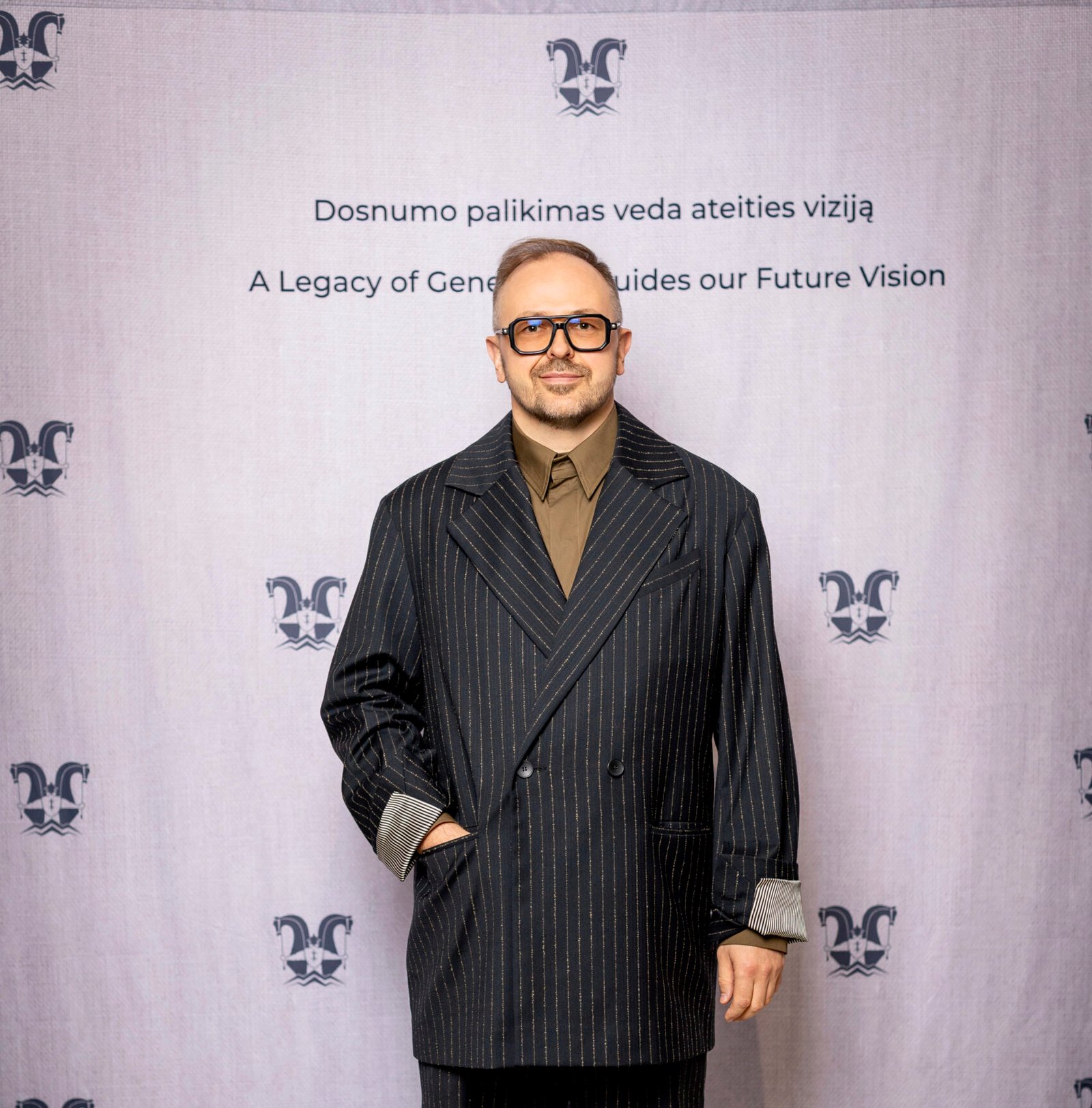
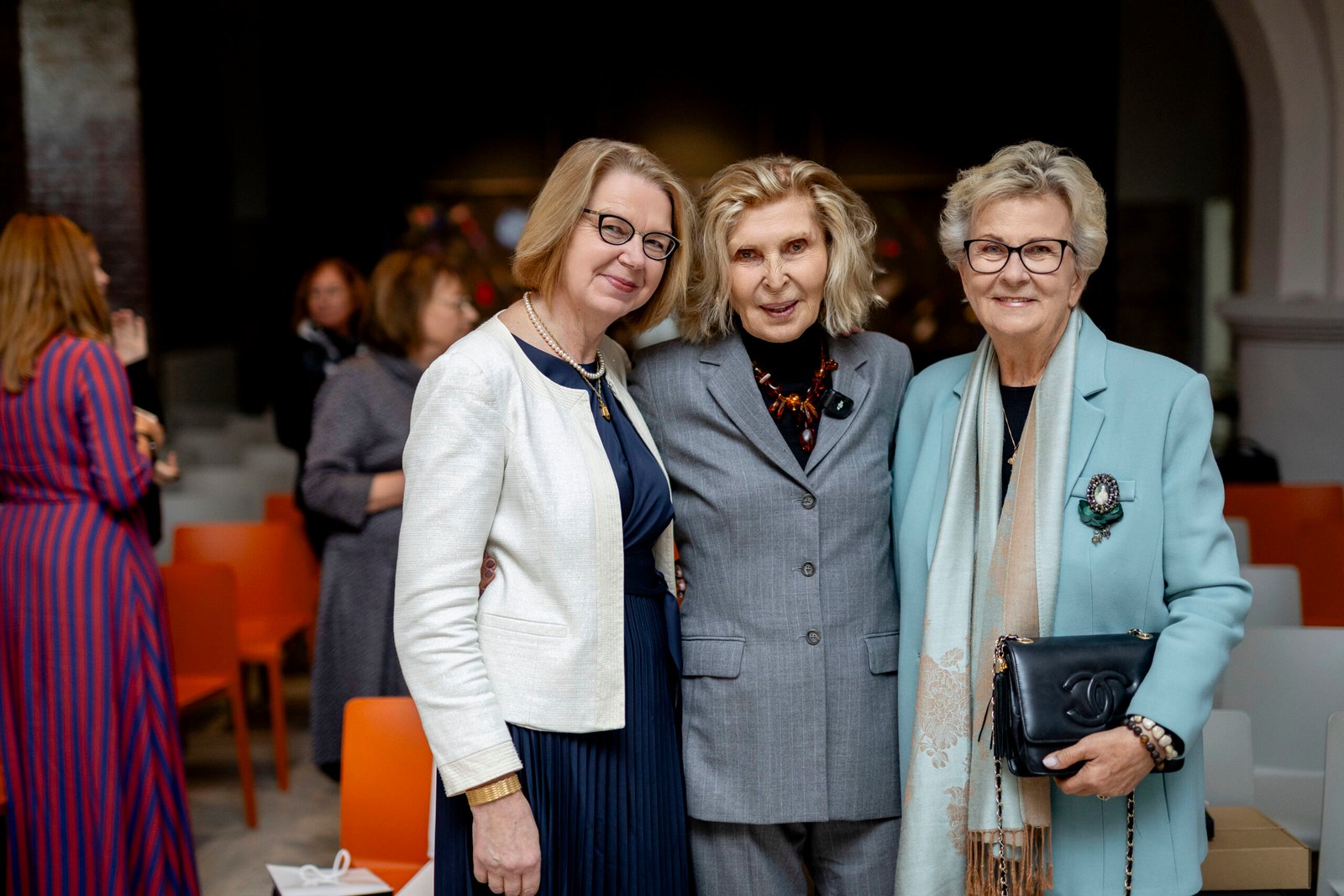
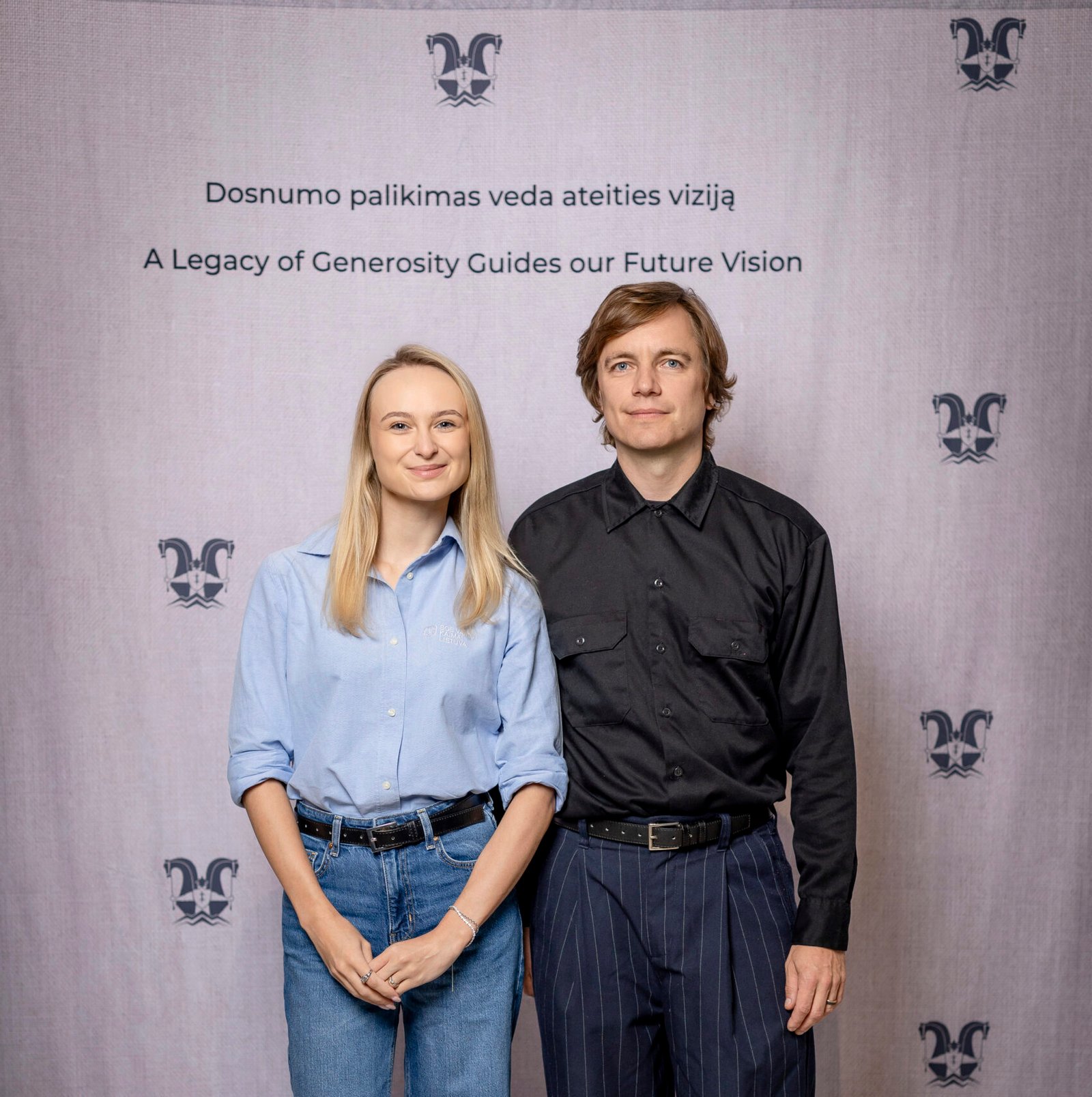
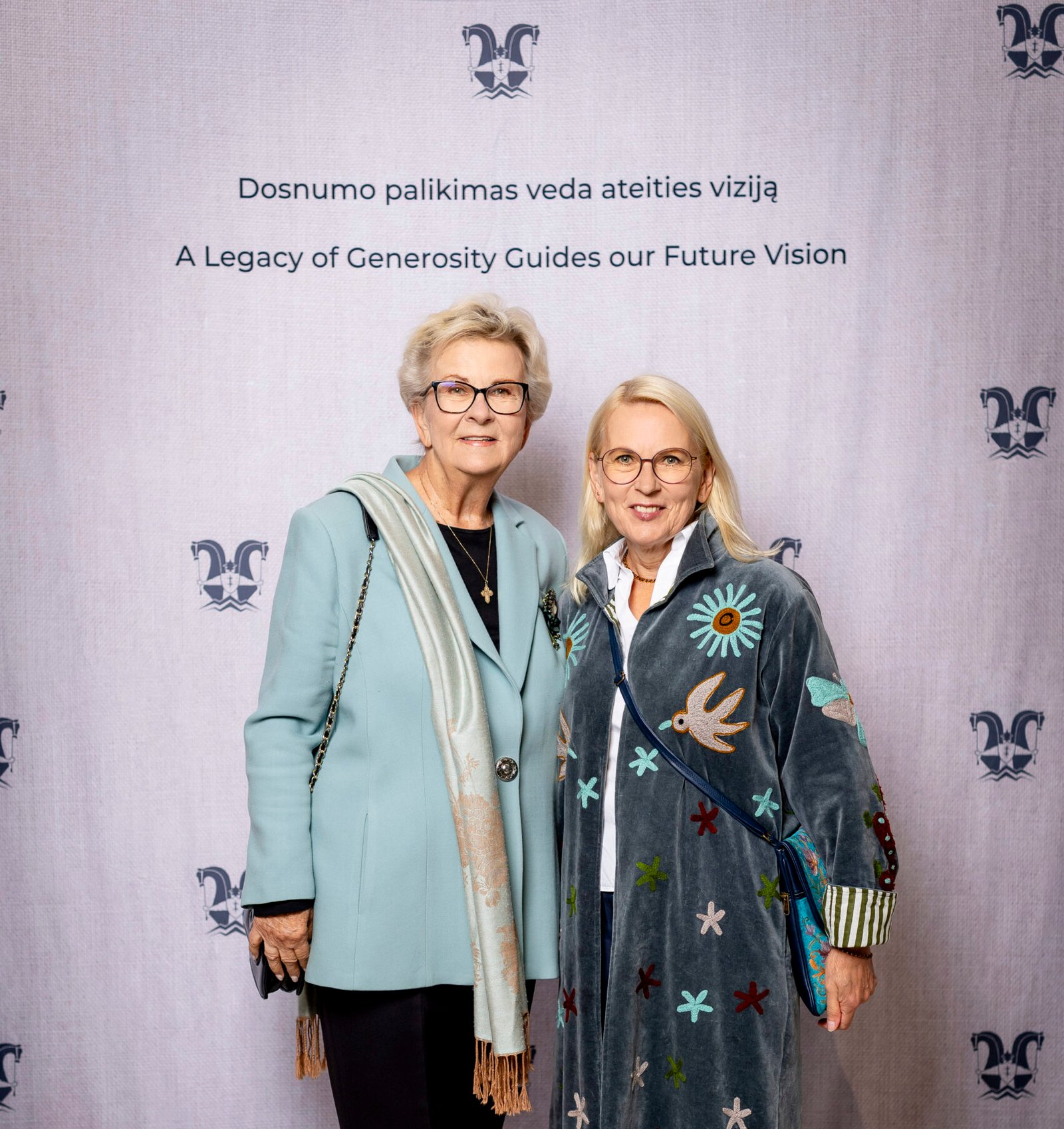
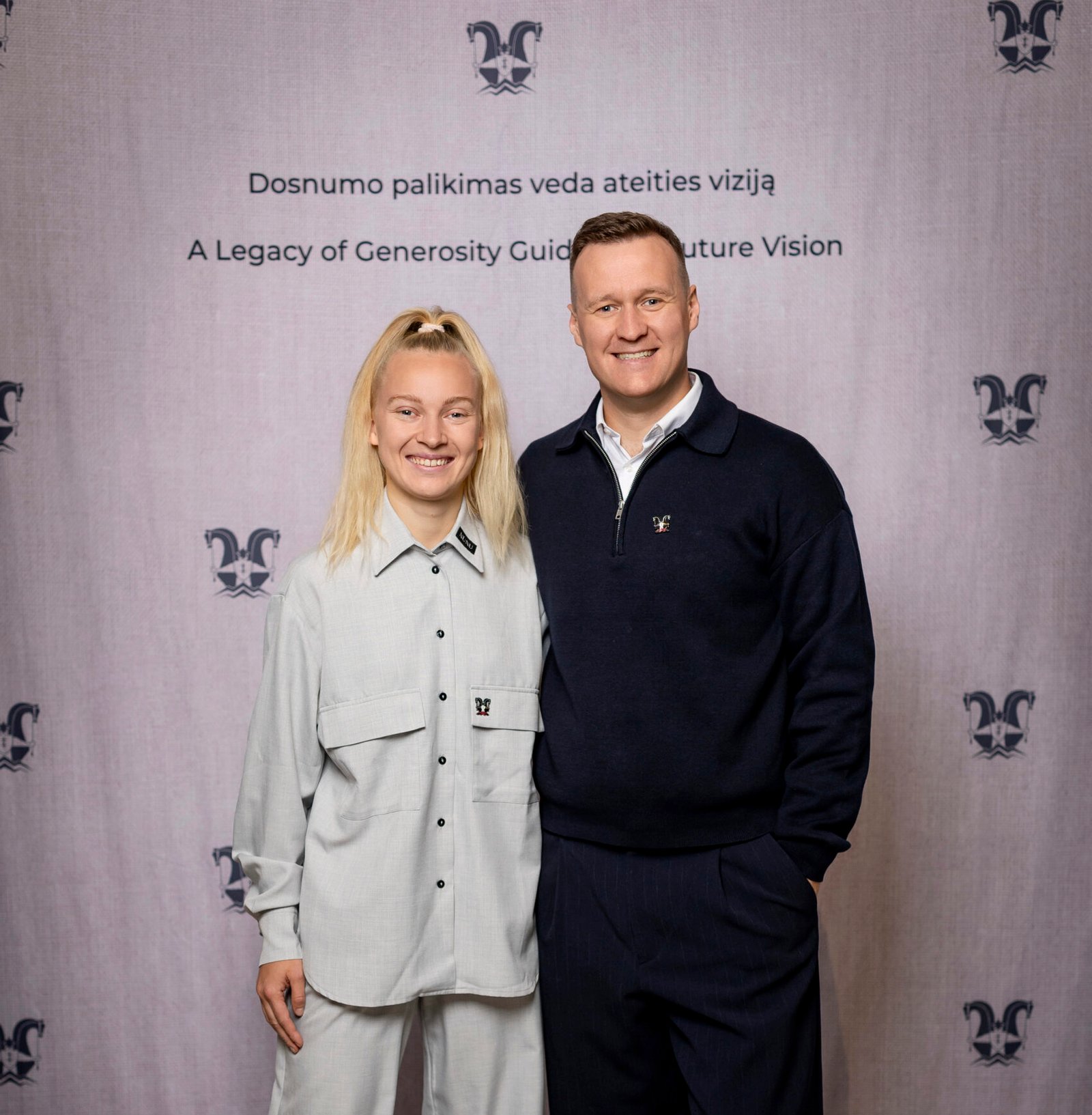
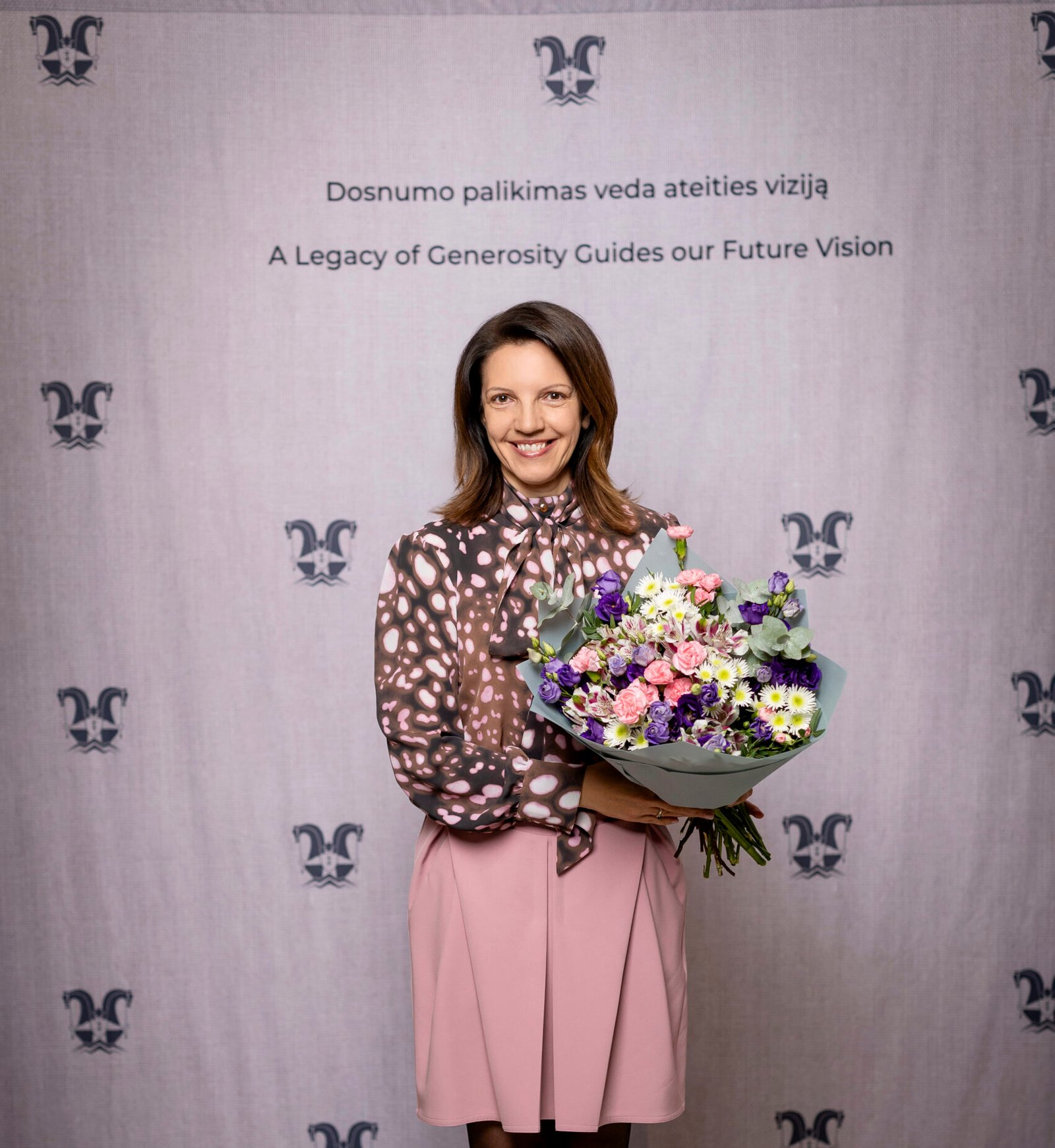
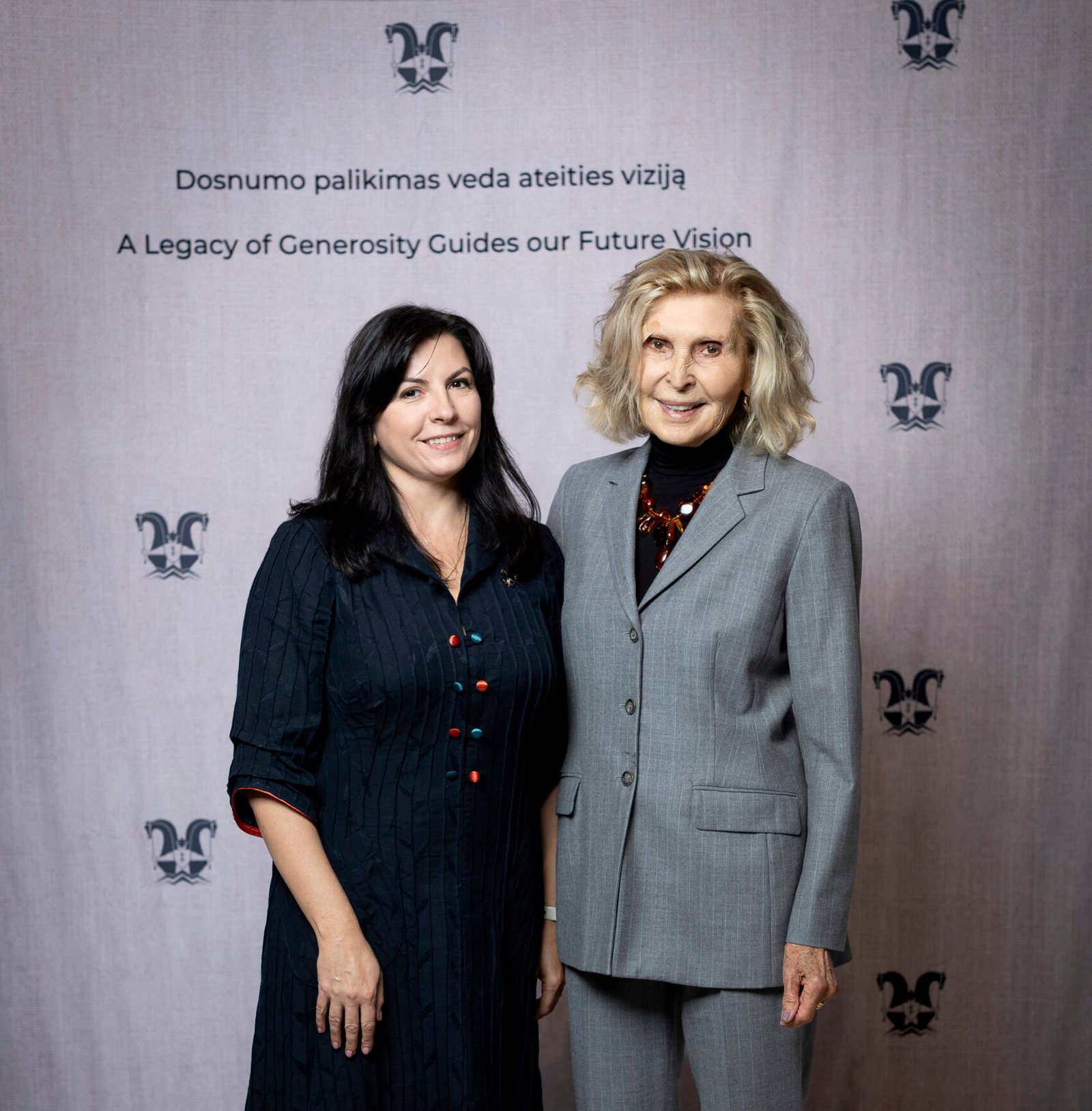
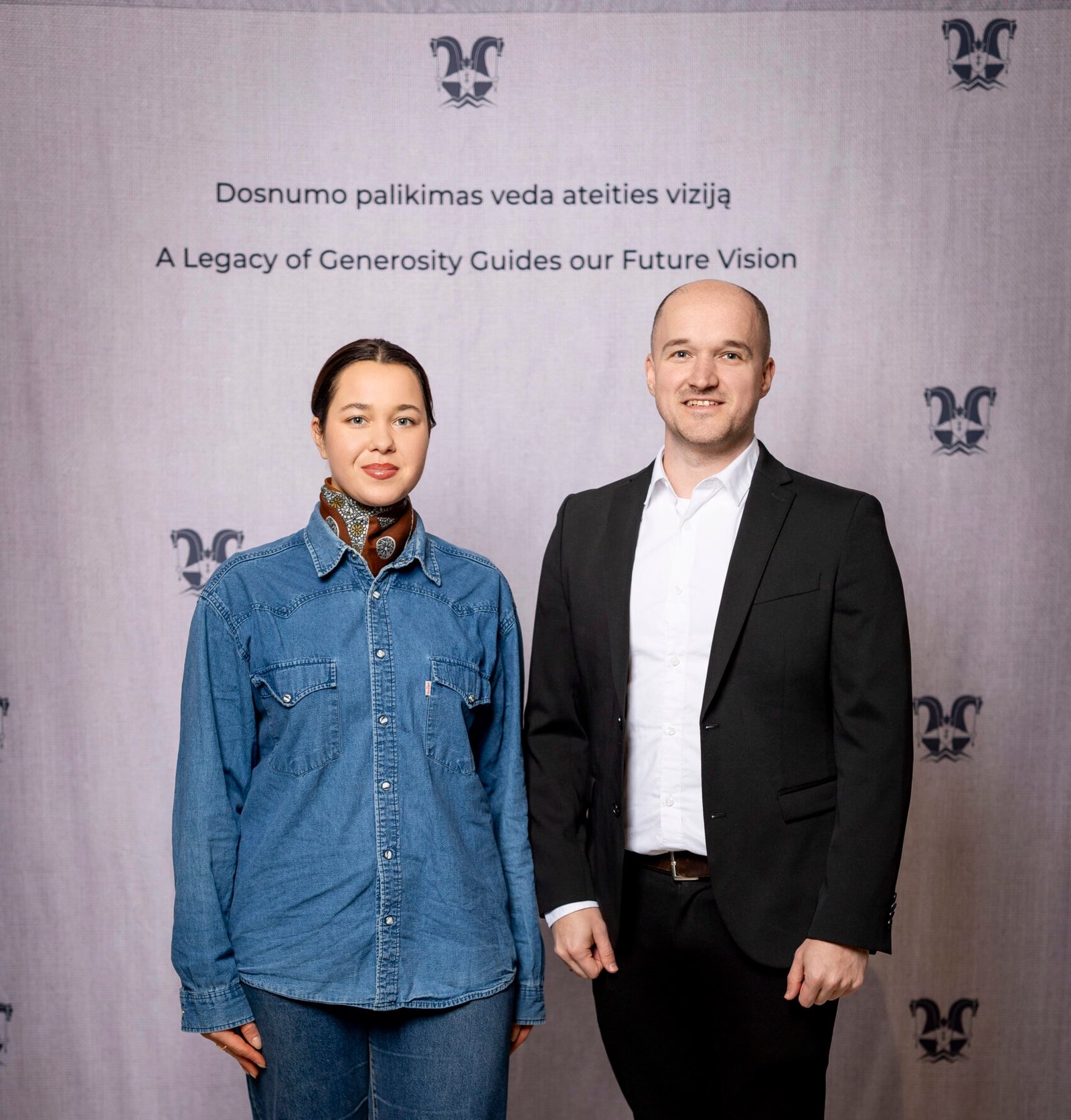
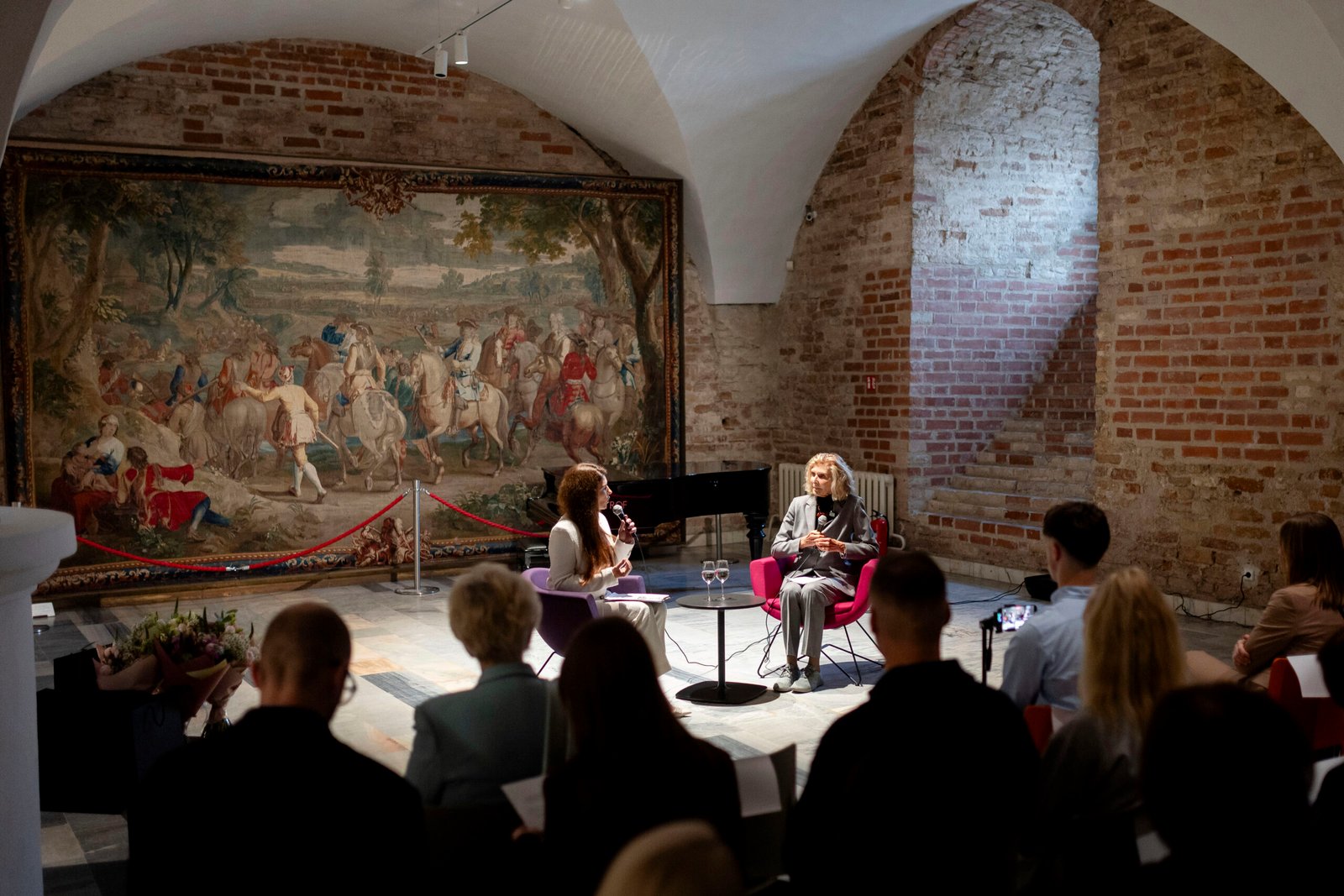
At the Kazickas Family Foundation’s Gratitude Luncheon, held on October 7 at the Museum of Applied Arts and Design in Vilnius, Jurate Kazickas and Milda Cibulskyte, Psychologist, Psychotherapist and mindfulness-based therapy teacher, discussed how we learn to express gratitude, why it is worth making gratitude a conscious practice, and how to receive gratitude from others. More than 80 representatives of the Foundation’s grantee organizations, partners, and collaborating organizations attended the event.
The gathering continued KFF’s longstanding commitment to encouraging conversations about gratitude. It was designed not only as an opportunity for discussion, but also as a chance for personal reflection and practice.
“We have been exploring gratitude from different perspectives through our events and activities for some years, for several reasons. First, we want to show personal appreciation and thank our community – the partners and organizations we work with – for their dedicated work, determination, and tireless efforts to make Lithuania a more successful and inclusive country, one that offers greater opportunities for everyone. We also believe it is important to foster a culture of gratitude in our society. This year, we wanted to invite people not only to listen to and talk about gratitude, but also to experience it in practice – to pause, reflect on what we are grateful for, and express that gratitude consciously. We believe that these small moments of reflection help foster closer and more genuine relationships. This is particularly important in philanthropy, where so much depends on building a personal connection between the donor and the grantee,” said Monika Zavistanavičiūtė, Acting Executive Director of KFF in Lithuania.
M. Cibulskyte opened the conversation by highlighting how the practice of gratitude can influence both our emotional well-being and our overall quality of life.
“Gratitude is like a free medicine that heals our minds and our bodies,” the psychologist said. However, she emphasized that simply talking about gratitude is not enough. “It is better not just to talk about it, but to feel it and practice it.”
We Learn Gratitude From an Early Age
Jurate Kazickas shared that her parents taught her the importance of gratitude from an early age.
“My parents certainly taught me. And, of course, when I attended Catholic schools, the nuns would always remind us, just as my father did, that every day is a gift.”
She also recalled Mr. Simutis, a member of the Lithuanian community who helped the Kazickas family after they arrived in the United States. He helped arrange for the family to stay with fellow Lithuanians and provided them with clothing. Many years later, Jurate met his grandson and was finally able to express the gratitude she had never had the opportunity to convey.
“I was a little girl and never had the chance to say thank you to your grandfather. But now I can say it to you,” she recalled.
The speakers emphasized the importance of going beyond a general “thank you” and expressing exactly what we are grateful for. M. Cibulskyte compared this ability to a muscle: “We have to practice it so that it becomes a lasting skill and a tool.”
J. Kazickas also shared a story about her father that illustrates how it is never too late to express gratitude.
In 1945, in Breslau (the historical German name for the city of Wrocław), a German soldier helped Jurate, who was not yet two years old, and her mother, Alexandra, board a train. Dr. Joseph P. Kazickas was convinced that this stranger had saved their lives. However, he never learned the soldier’s name and therefore never had the opportunity to thank him.
Even in the final months of his life, this story remained with Dr. J. P. Kazickas. In 2014, when his autobiography, The Odyssey of Hope, was published in German, he wrote a message to German readers in the hope that his words might reach the unknown soldier, even seven decades later.
“If someone does you a good deed, thank this person and if possible, try to pay him or her back by doing good yourself,” Dr. J. P. Kazickas wrote, recalling a principle he had learned from his parents as a child. He explained that he had always tried to live by this principle and that, when he could not repay a good deed with another good deed, he felt the burden of an unpaid debt.
Not Just Expressing Gratitude, but Learning to Receive It
The conversation also explored the importance of being able to accept the kindness, recognition, and appreciation of others.
“It is important to express gratitude, but it is equally important to know how to receive it,” Jurate Kazickas said. She noted that when someone gives us a compliment or expresses their appreciation, we sometimes rush to dismiss or downplay it instead of simply saying “thank you.”
Milda Cibulskyte reminded the audience that practicing gratitude matters not only when life is going well.
“True gratitude begins within us when we are able to find something to be grateful for even in difficult situations,” she said.
The Gratitude Luncheon invited the Foundation’s community to pause, reflect on the people and experiences they are grateful for, and carry that sense of gratitude into their everyday lives.
Photo credit: Lukas Balandis