Uncategorized

Educate, Not Ban: A Discussion at the Uncommon LT Anniversary  

Educate, Not Ban: A Discussion at the Uncommon LT Anniversary

Artificial intelligence (AI) is increasingly becoming part of children’s everyday lives, while at the same time uncertainty among adults is growing – how to explain these technologies, how to limit them, and how to turn them into an educational tool rather than the shortest path to ready-made answers.
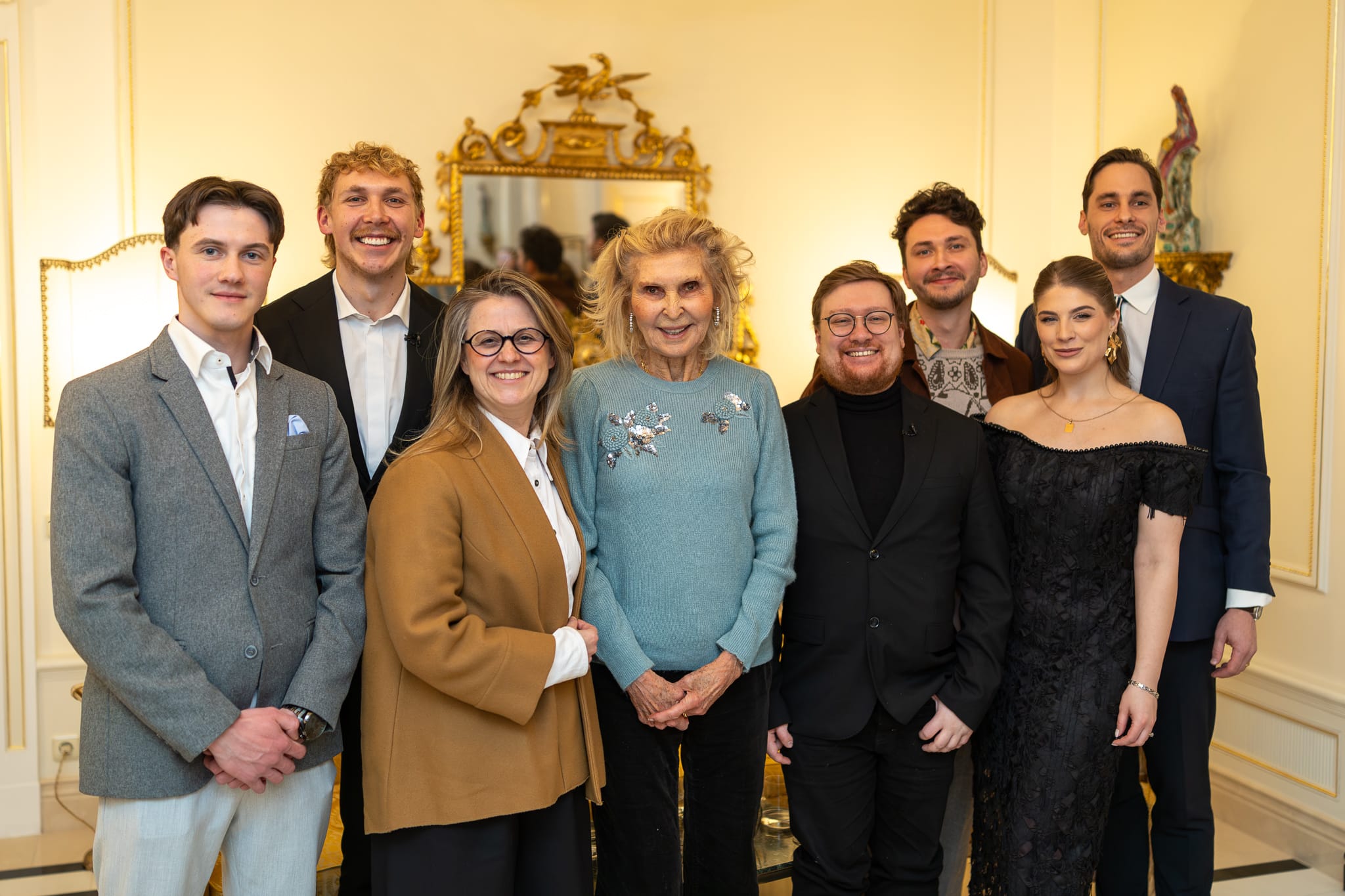
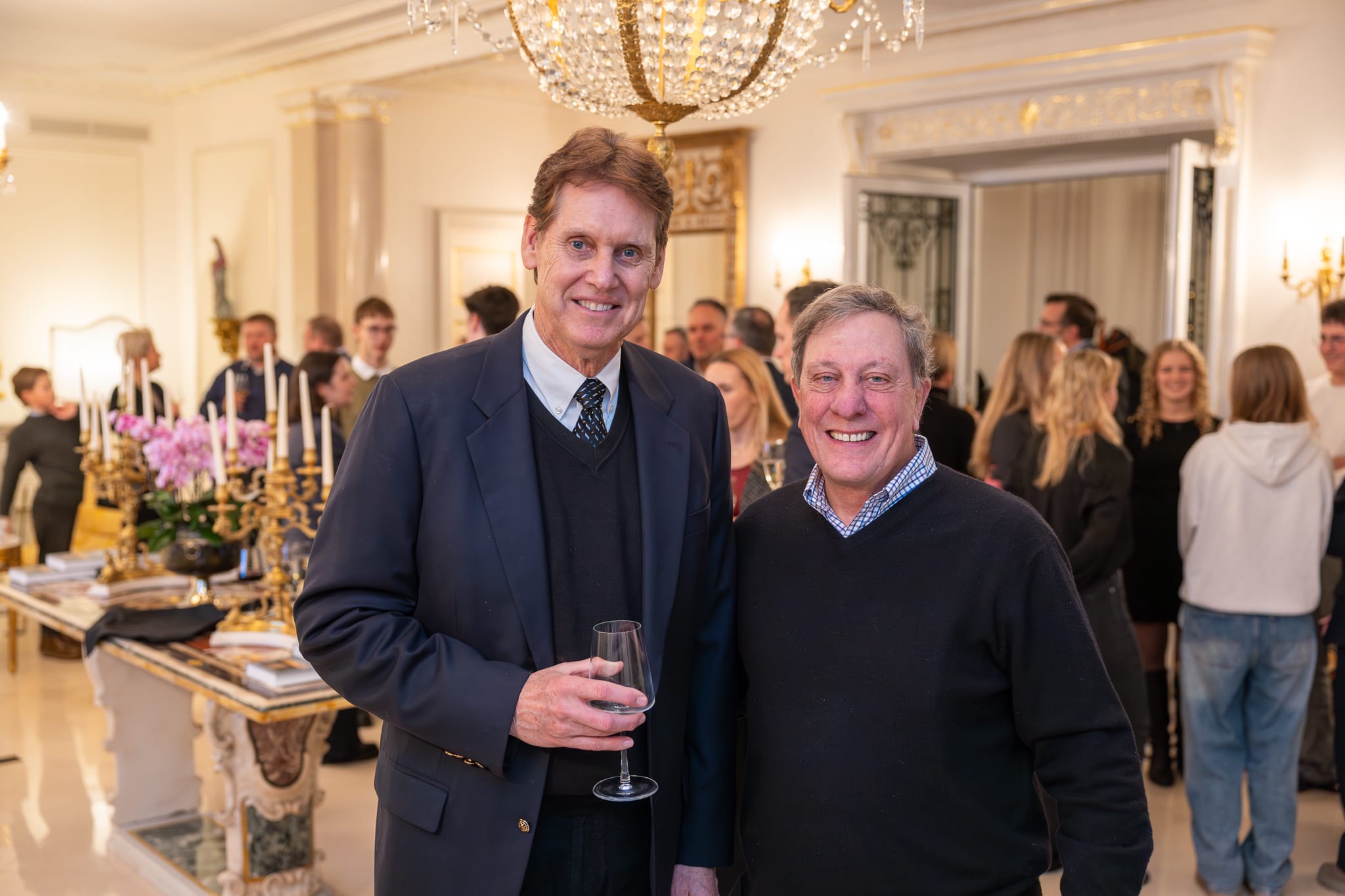
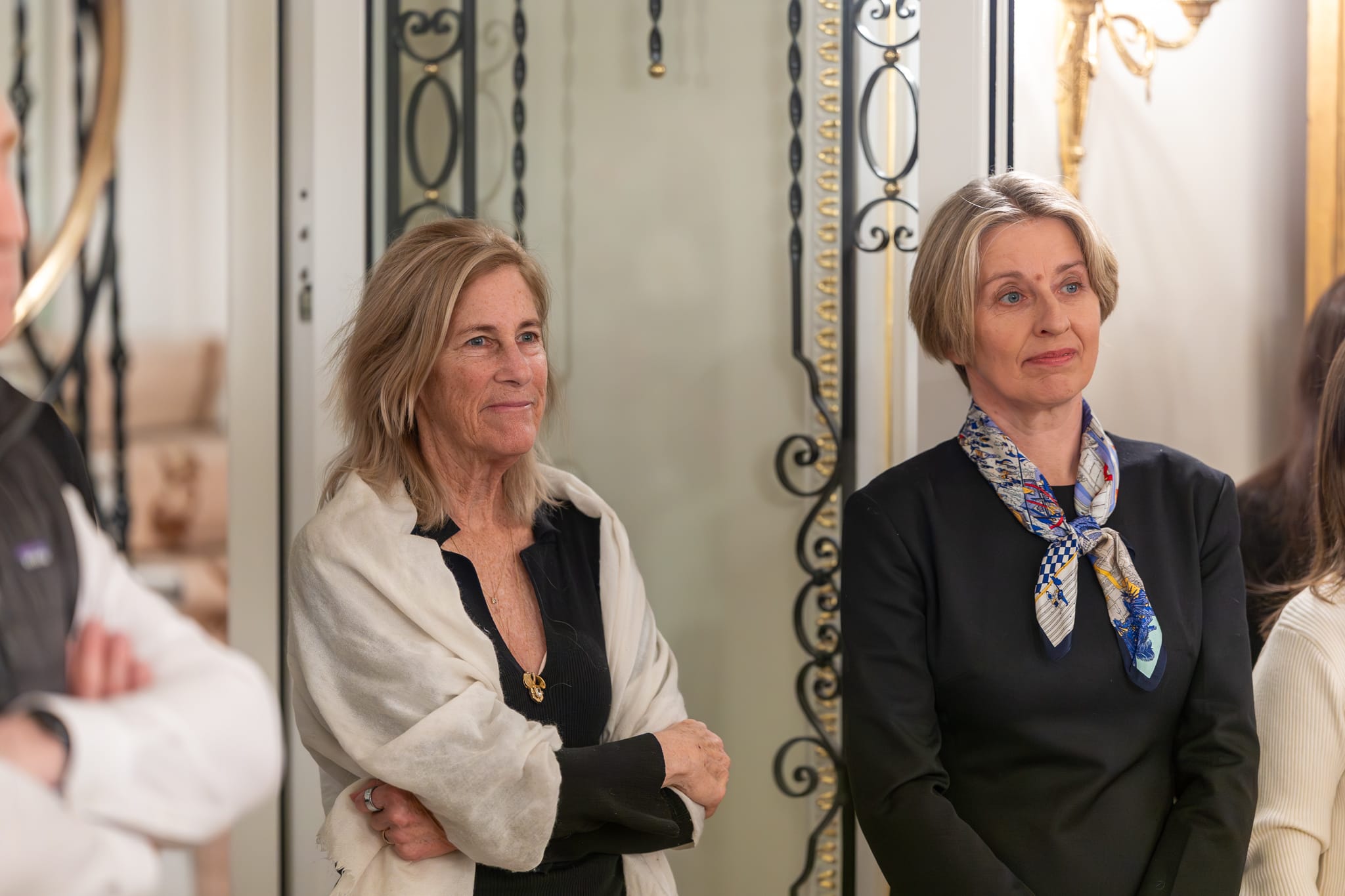
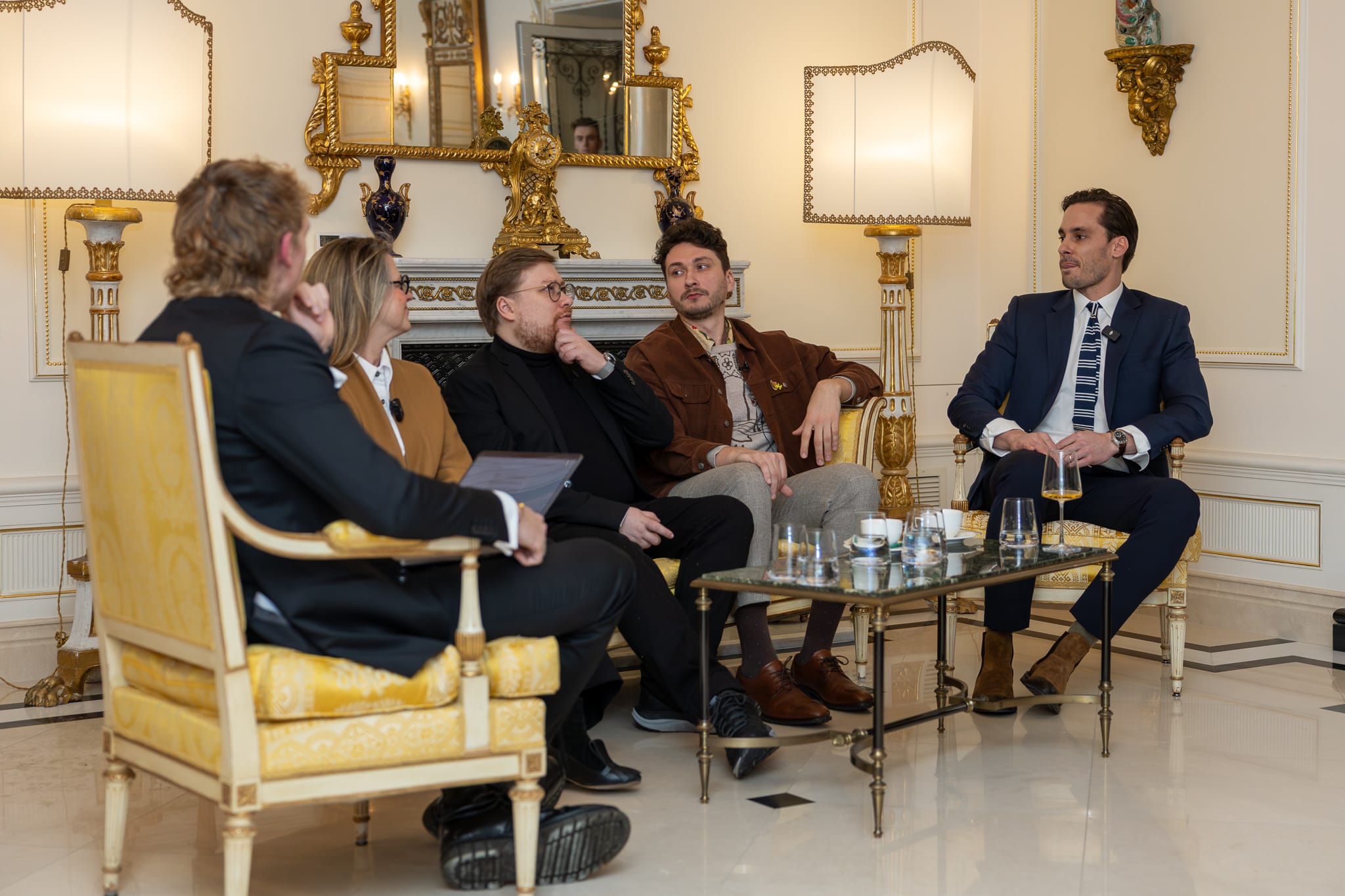
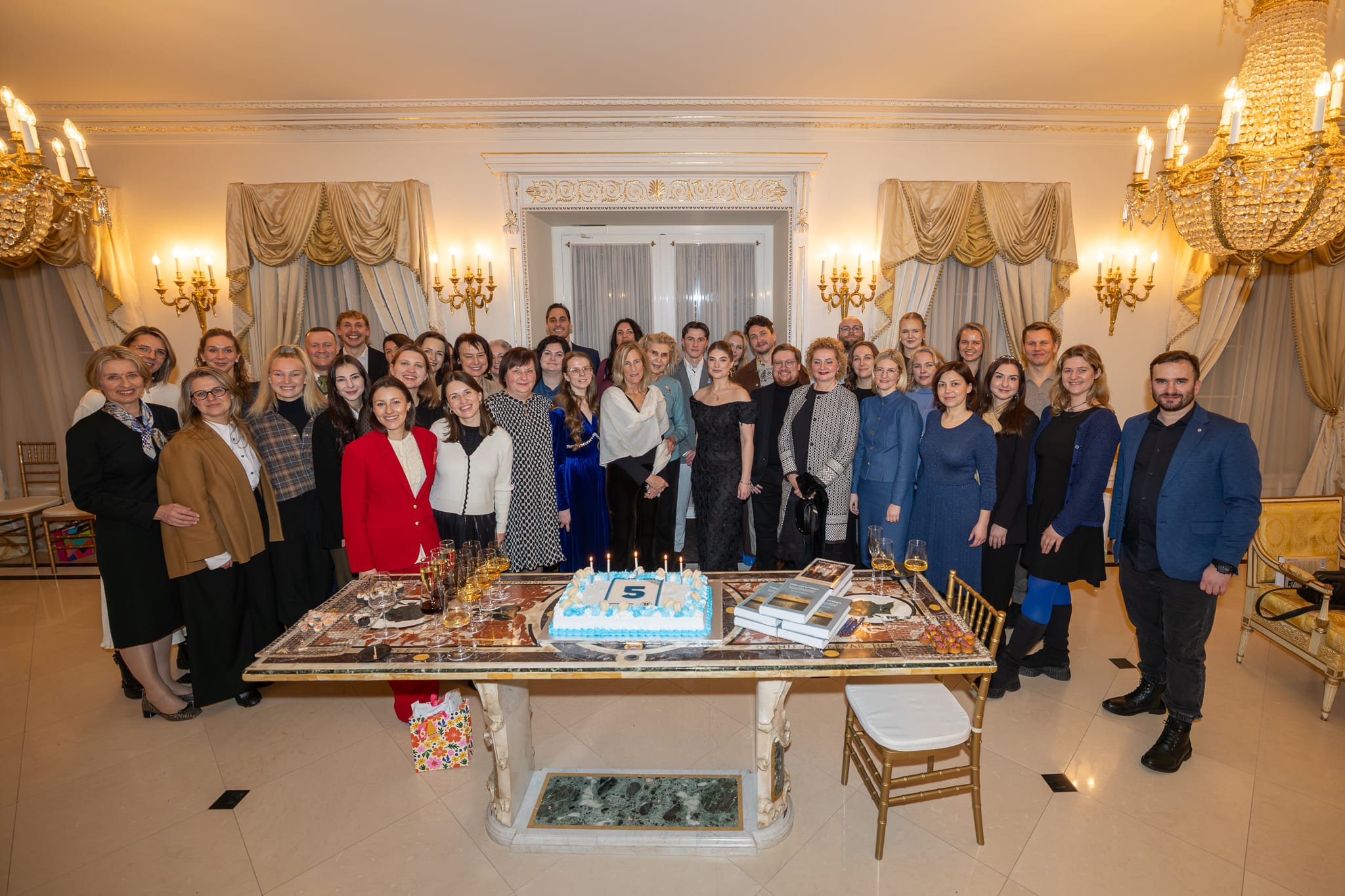
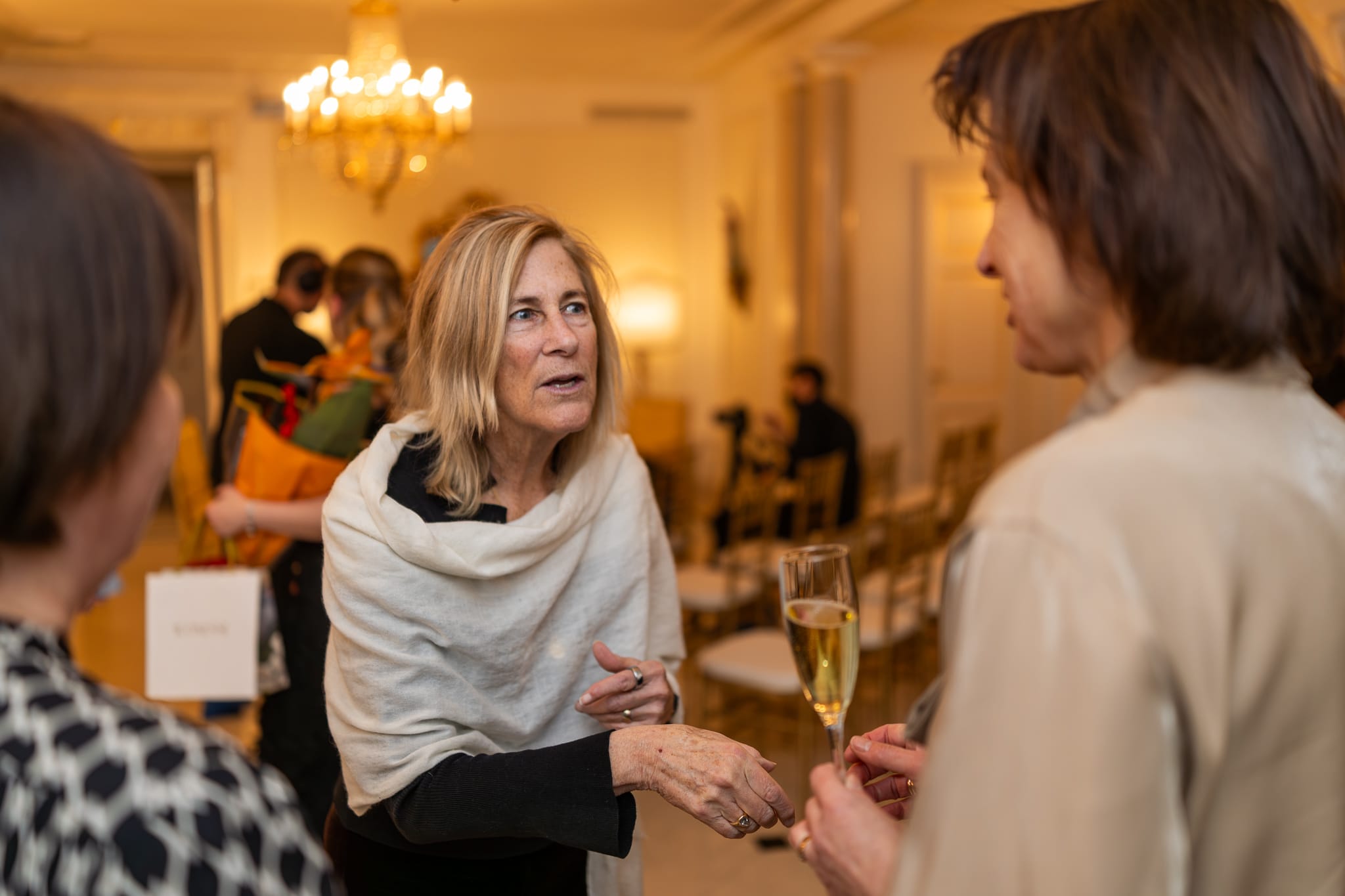
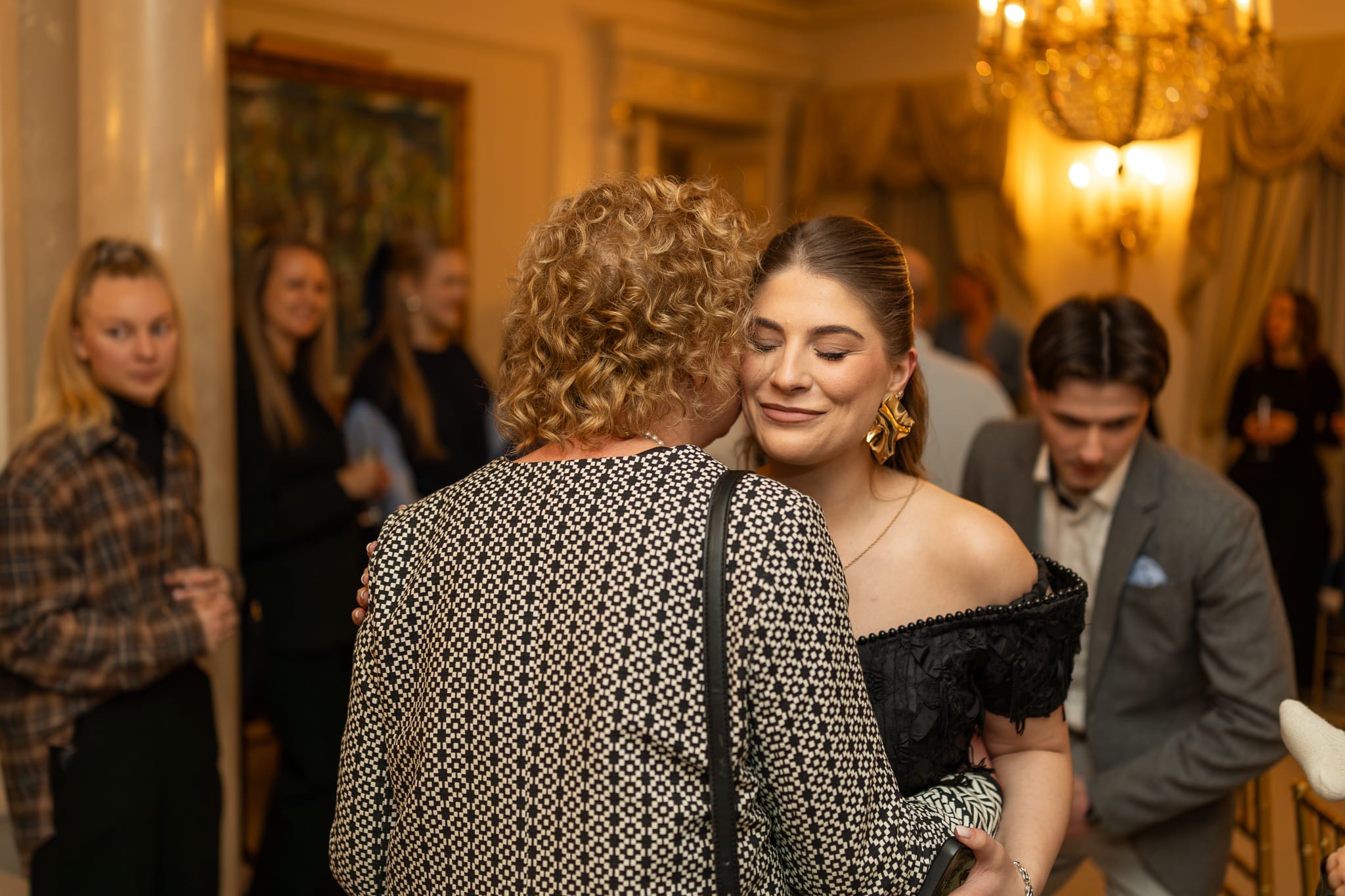
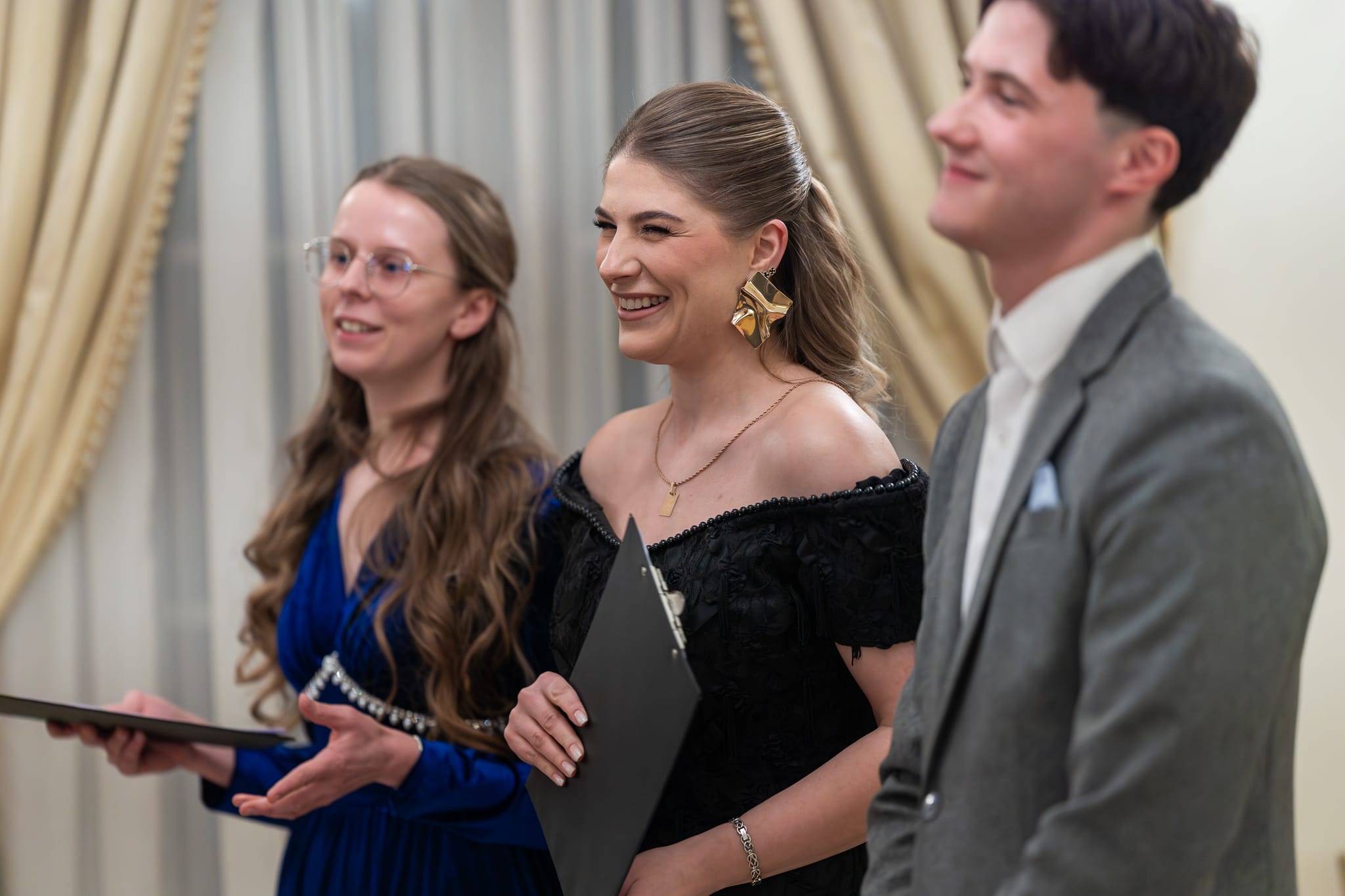
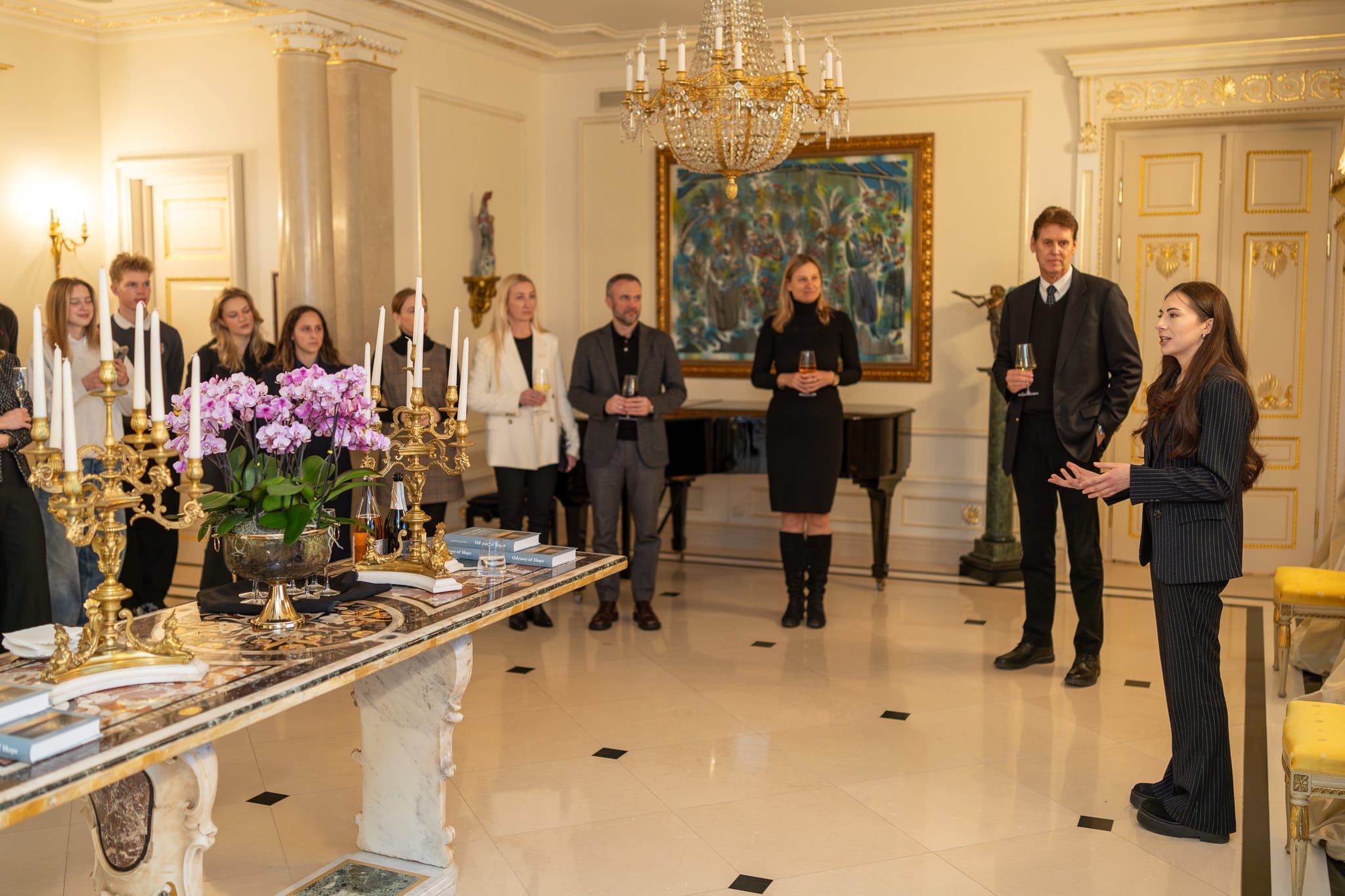
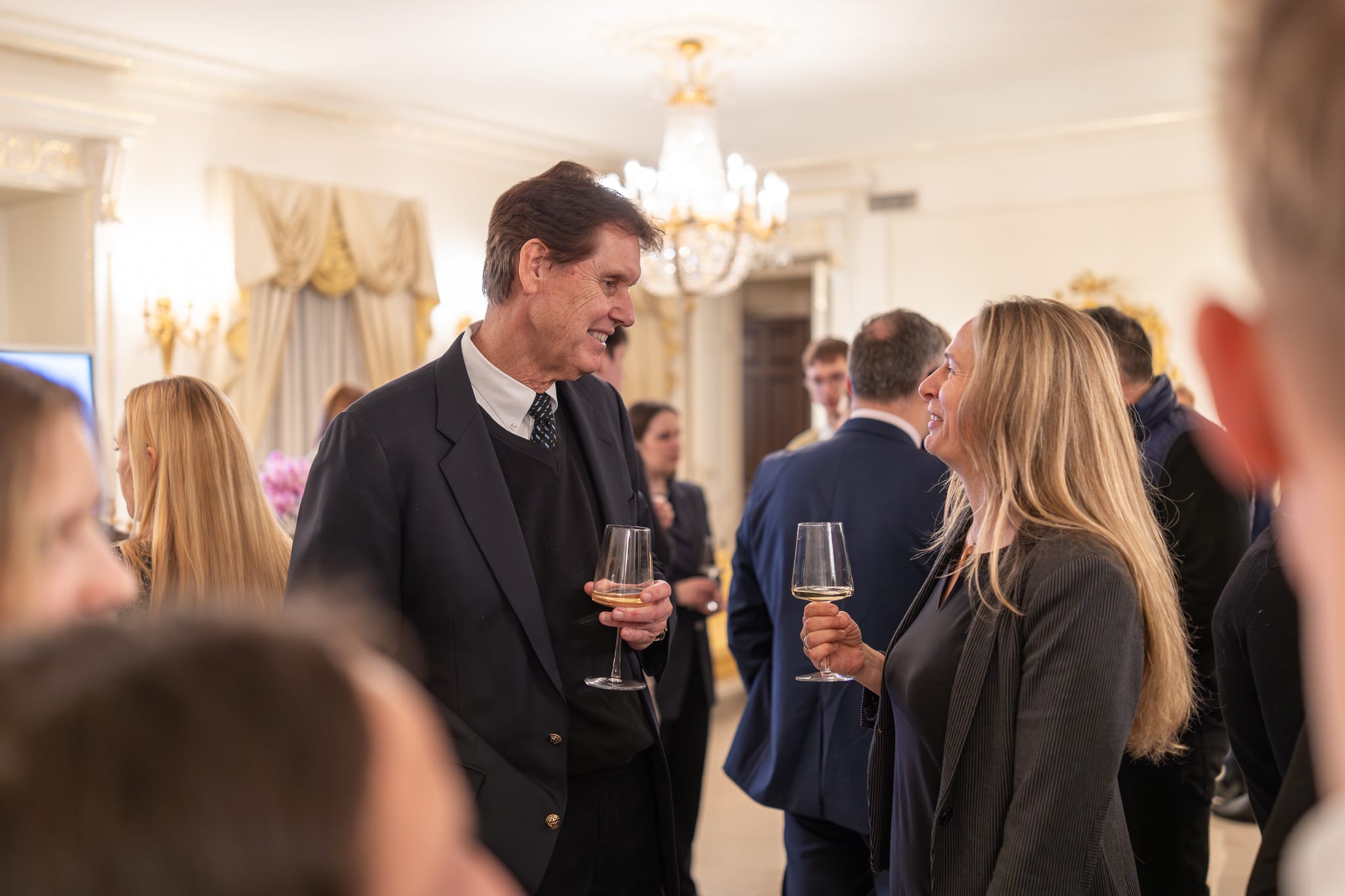
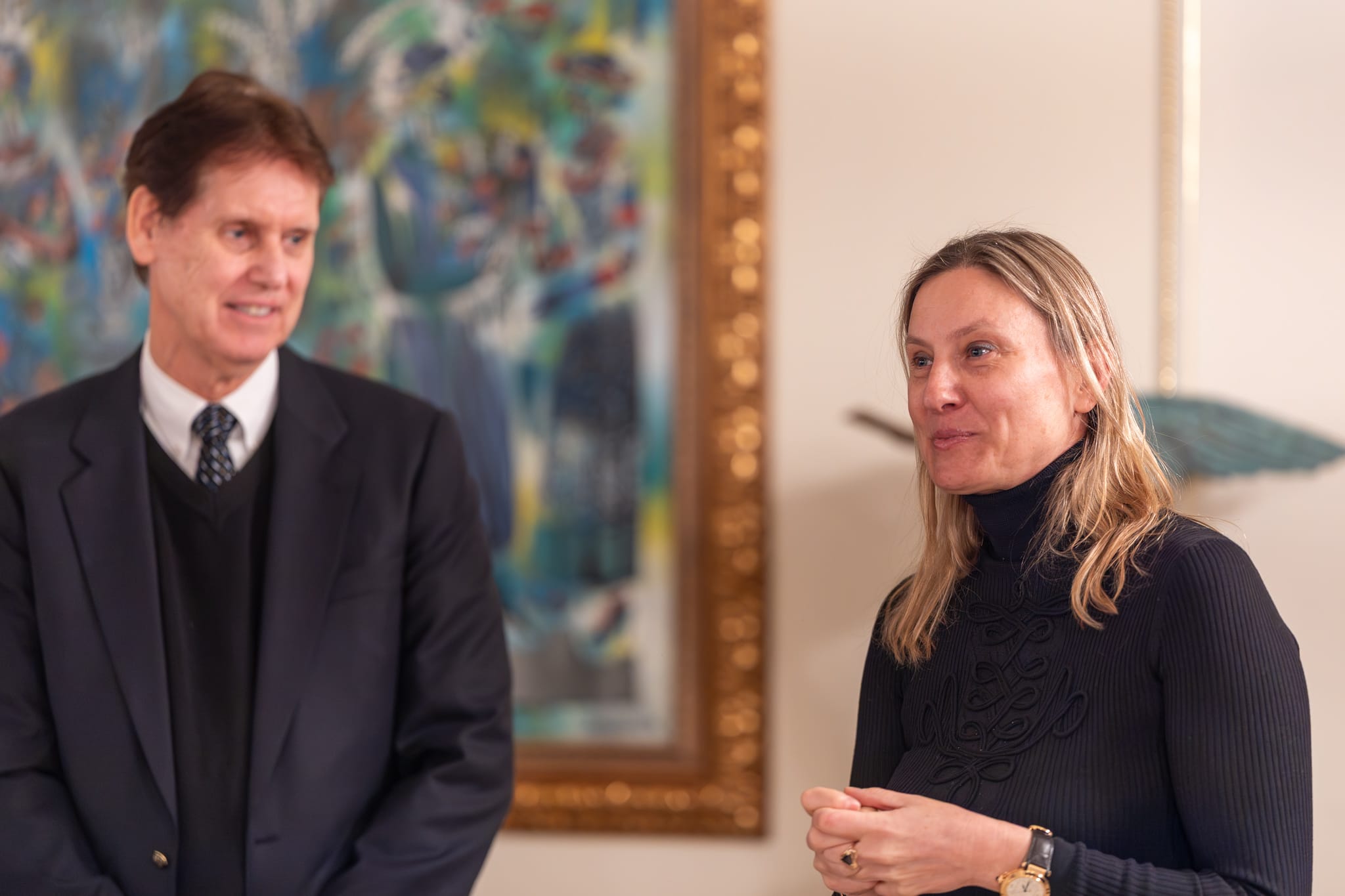
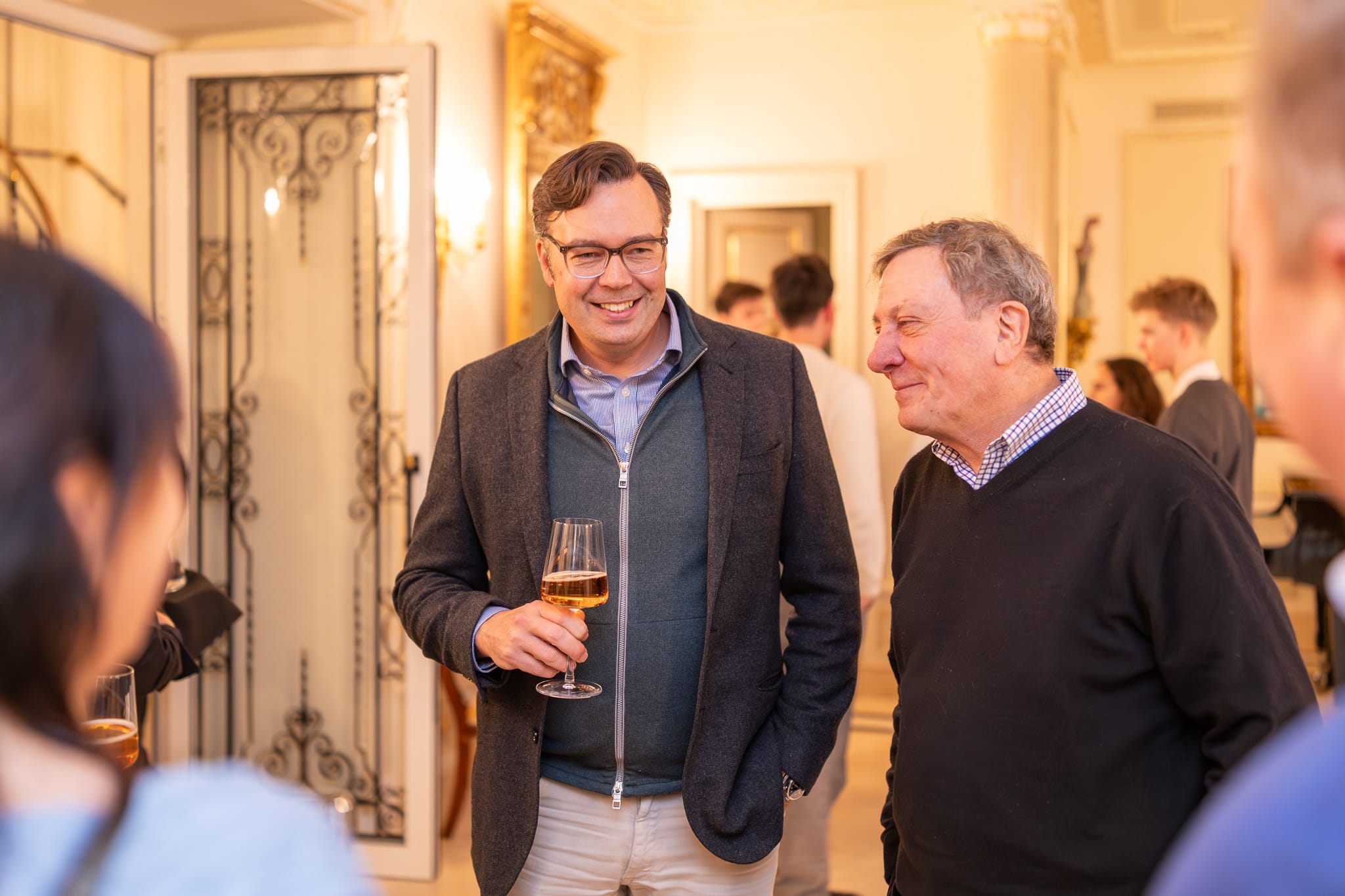
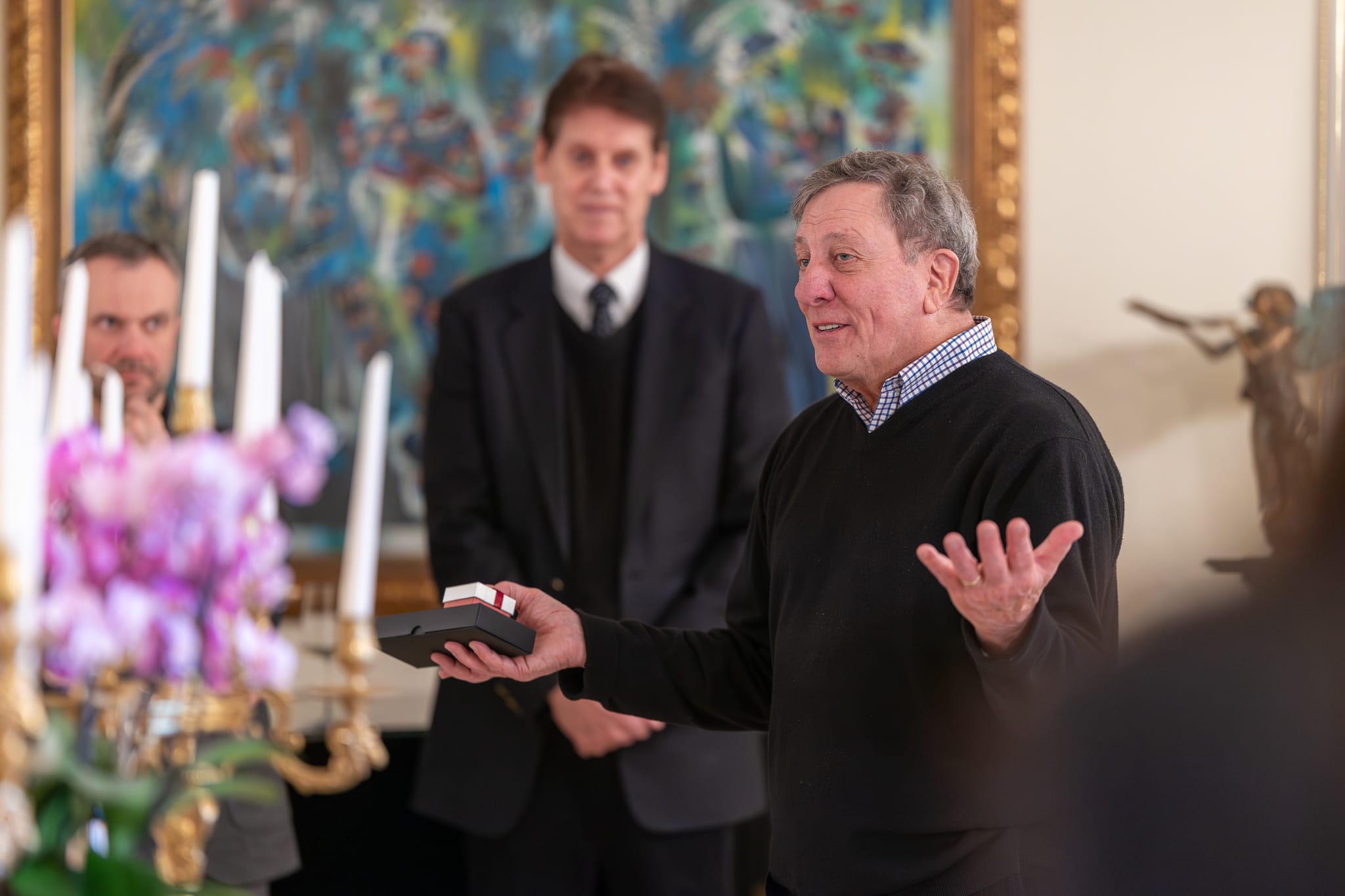
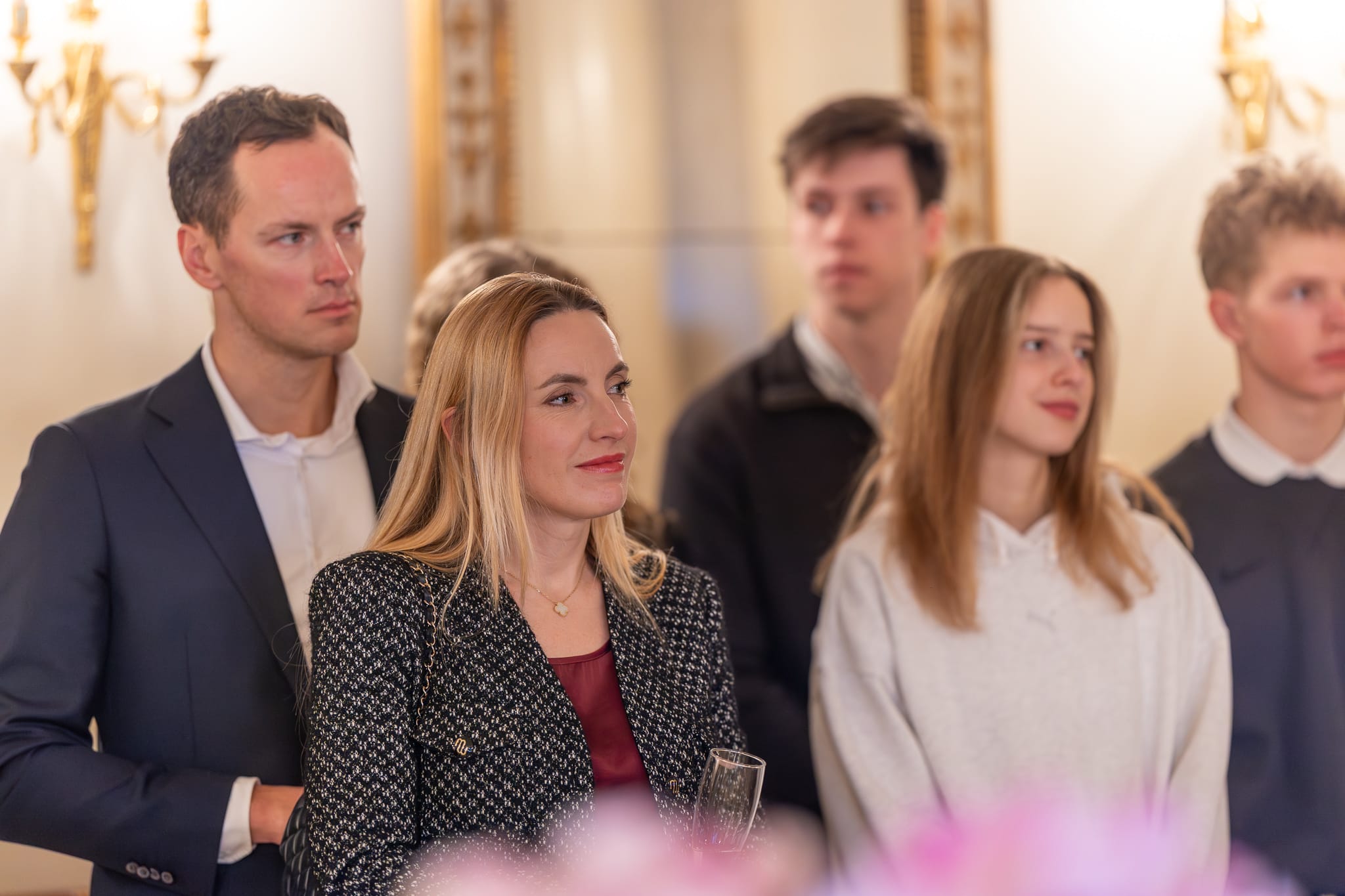
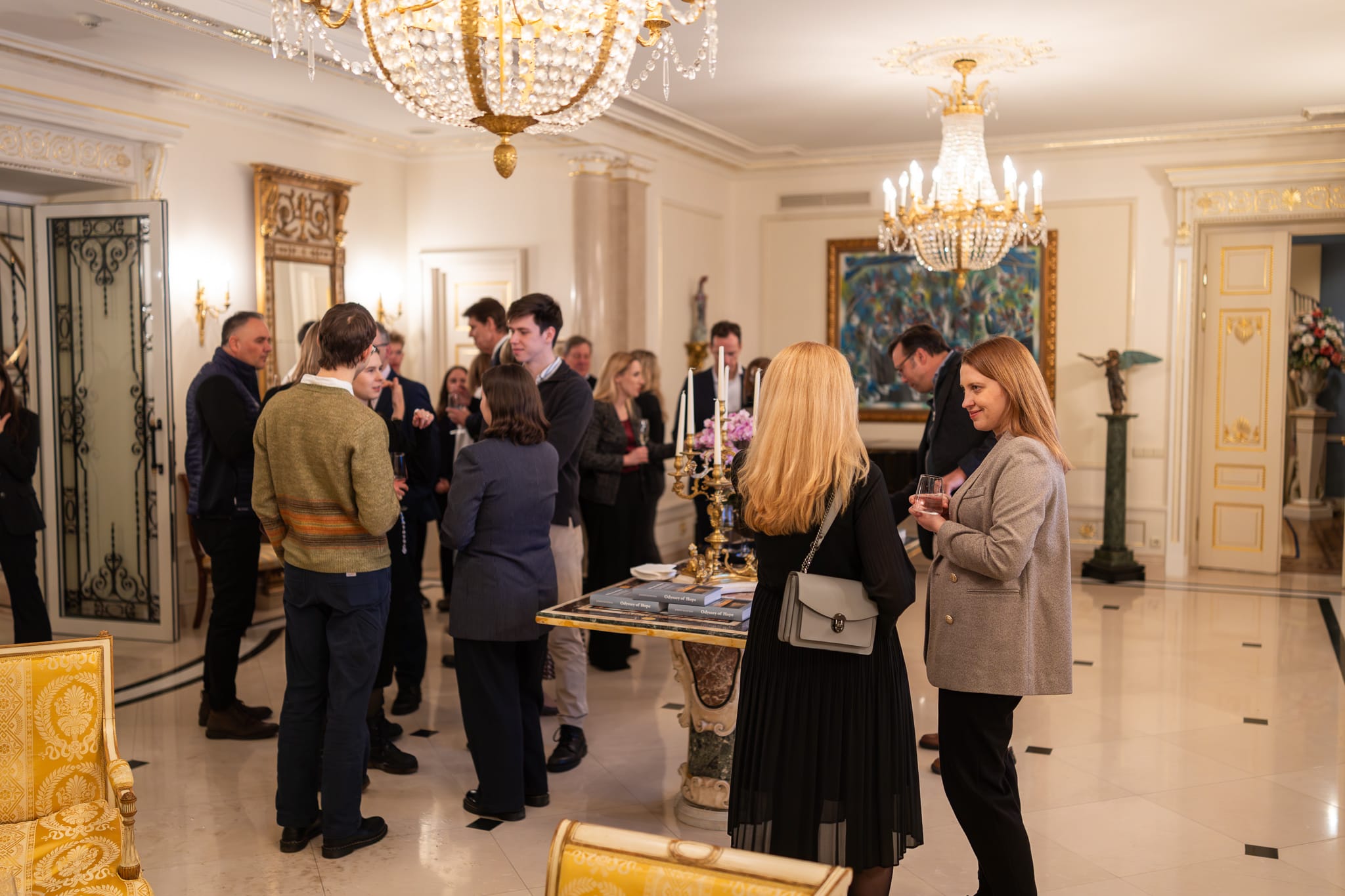
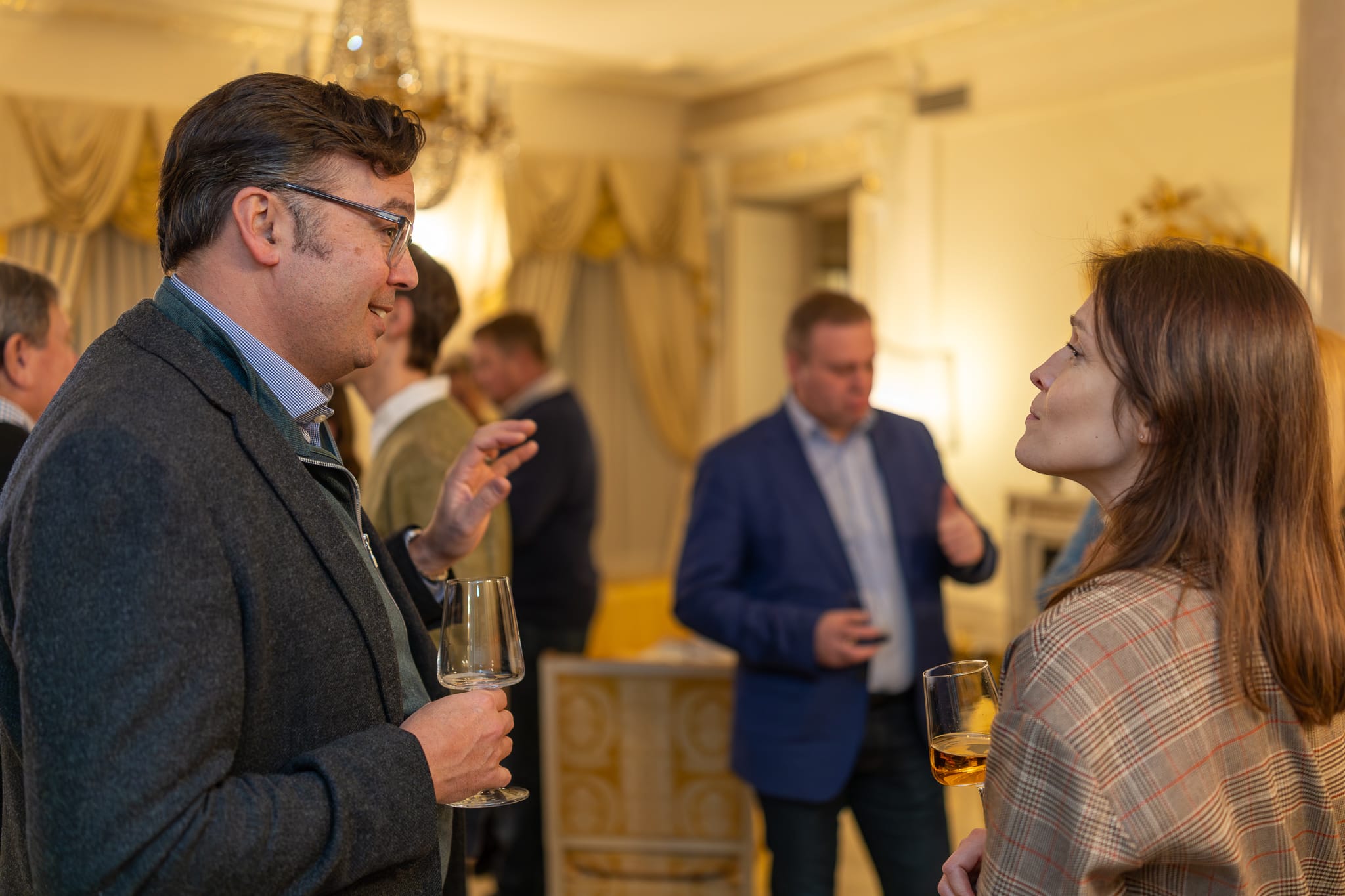
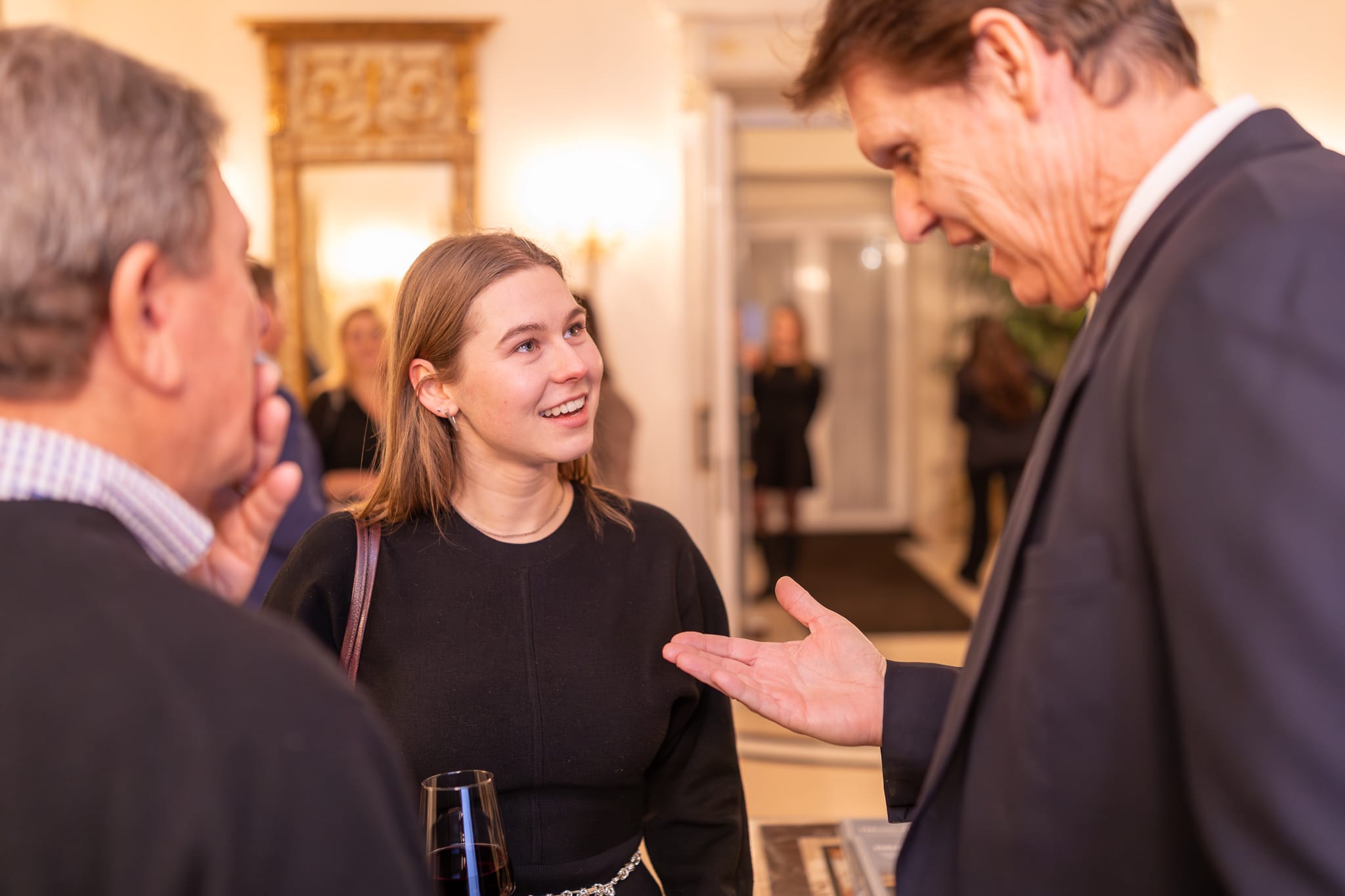
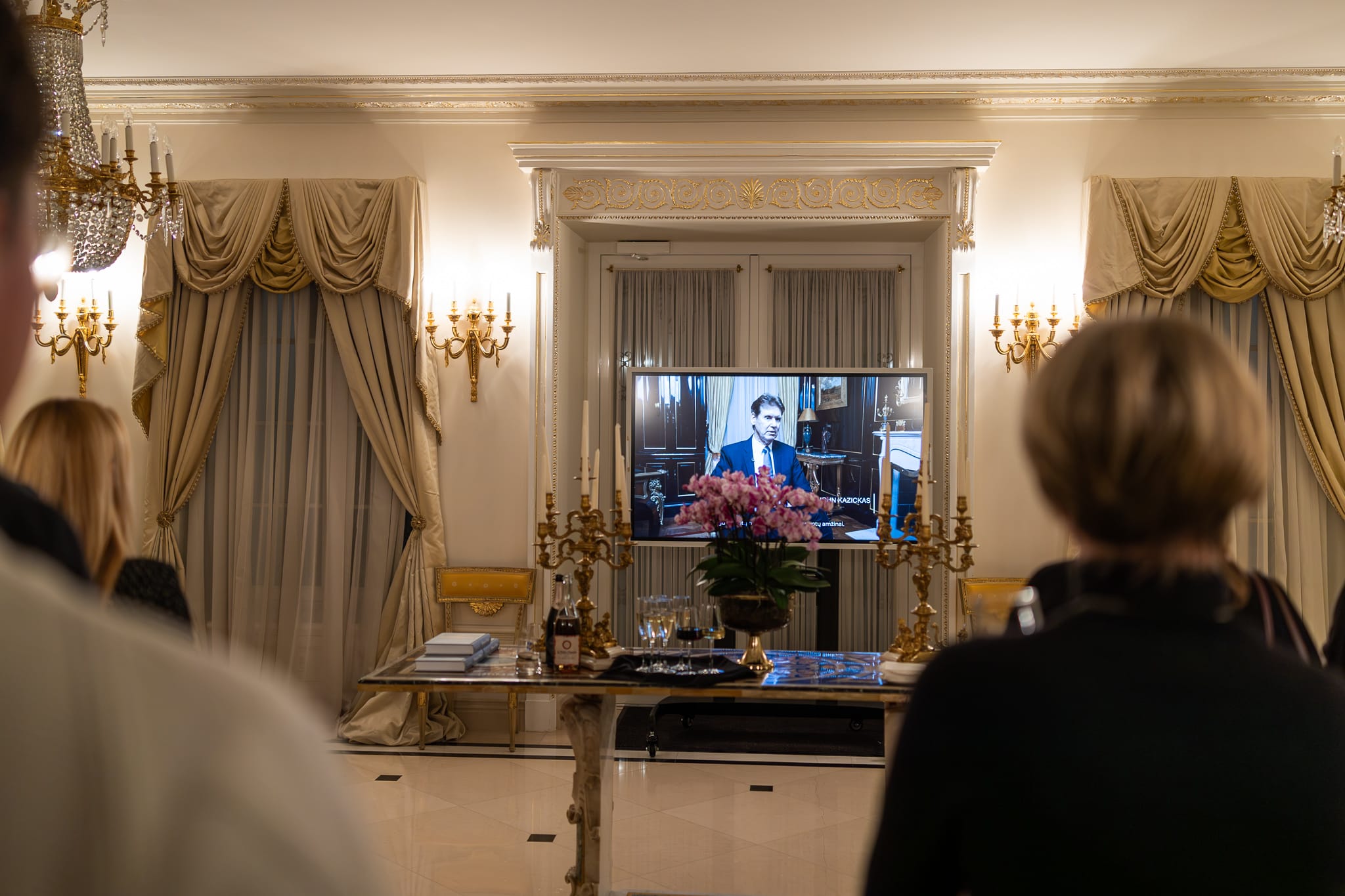
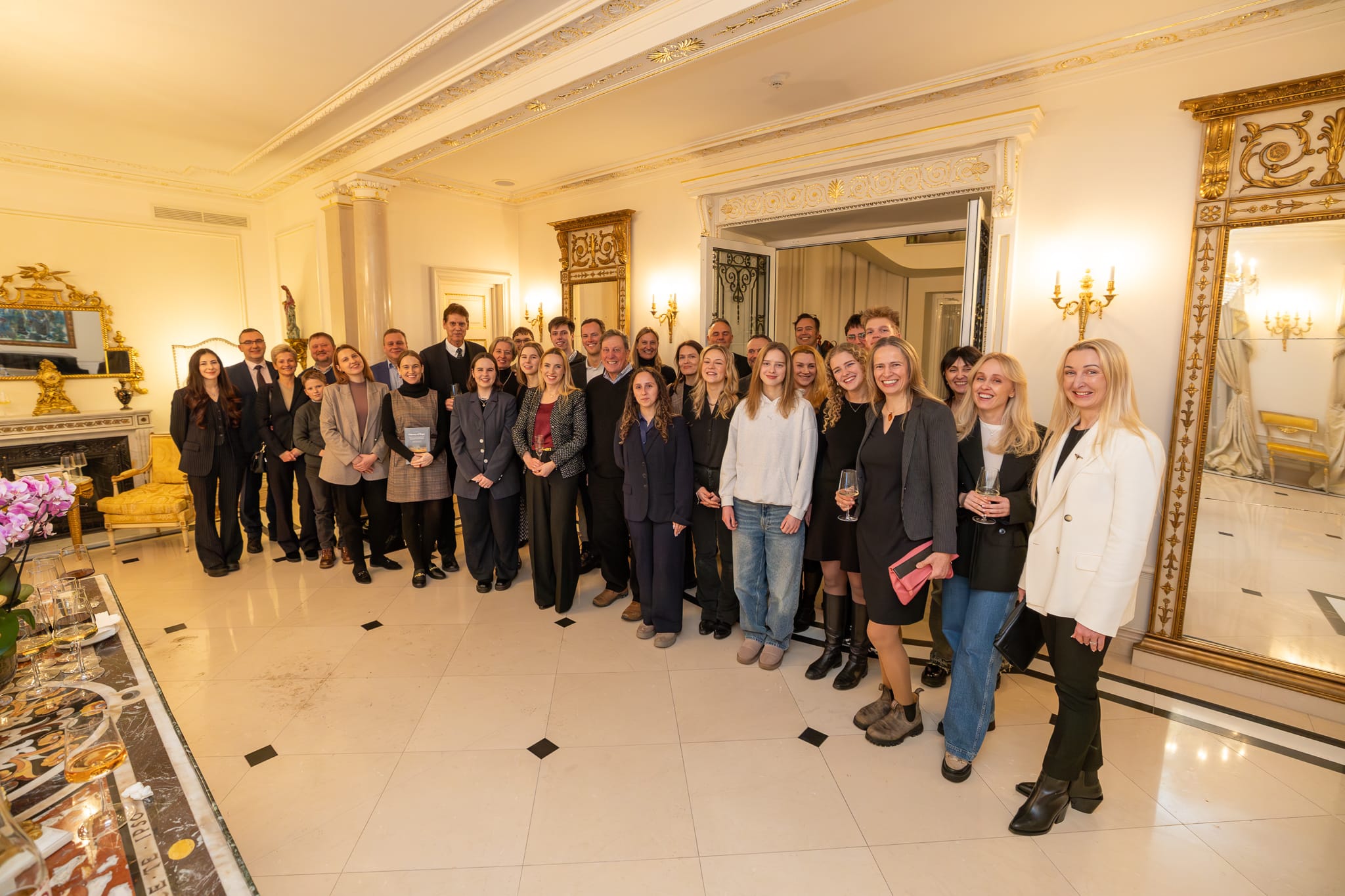
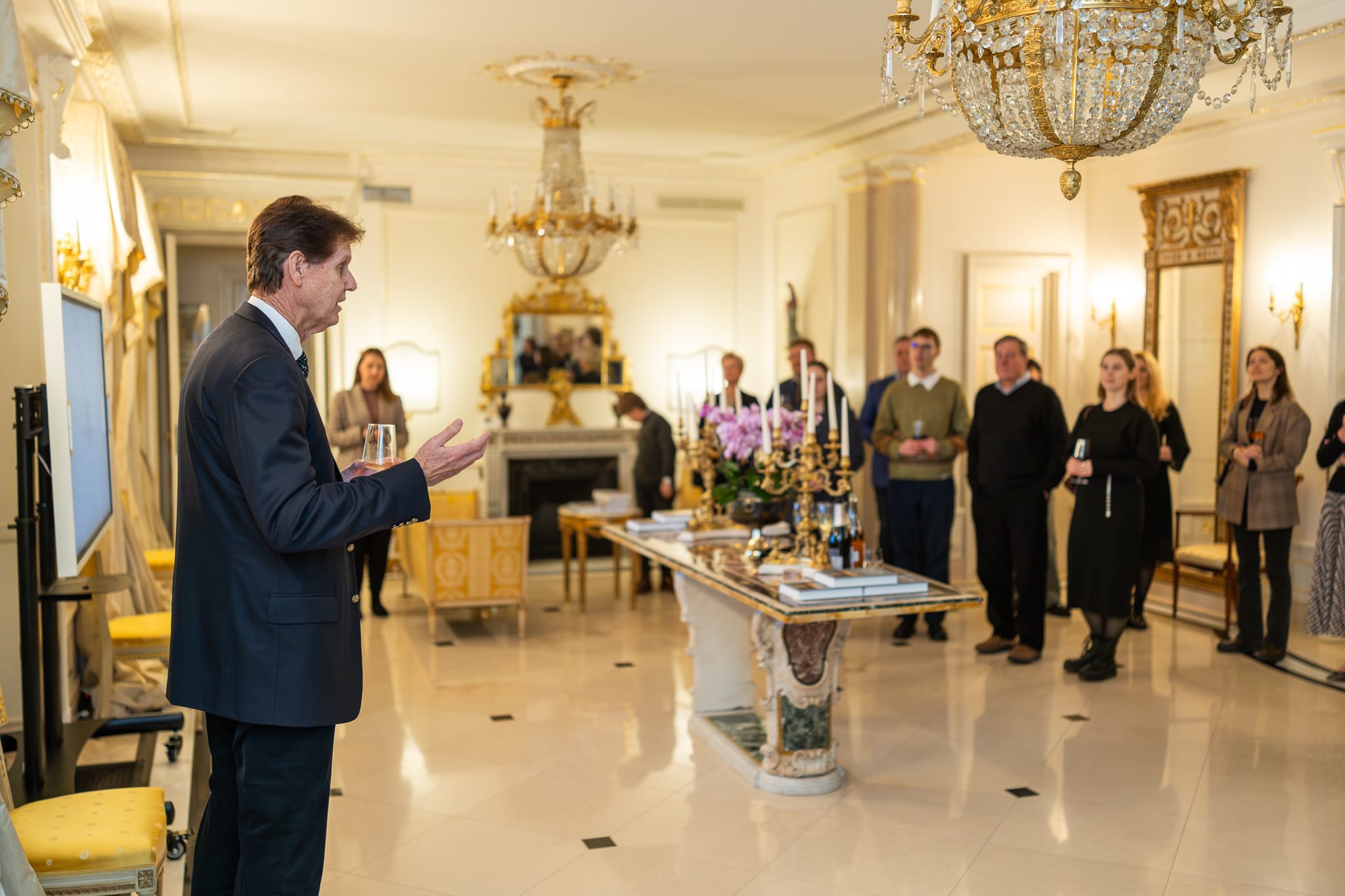
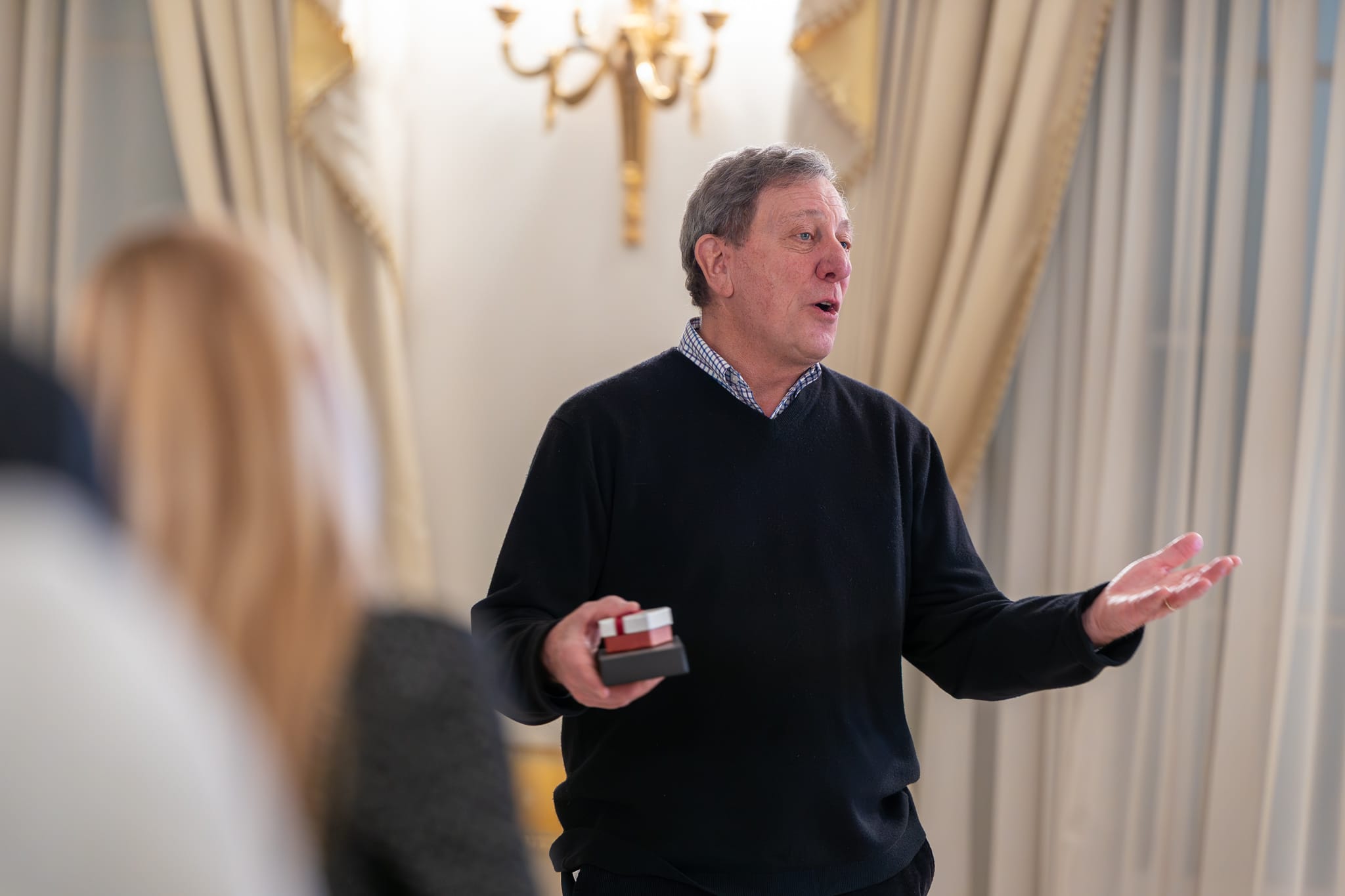
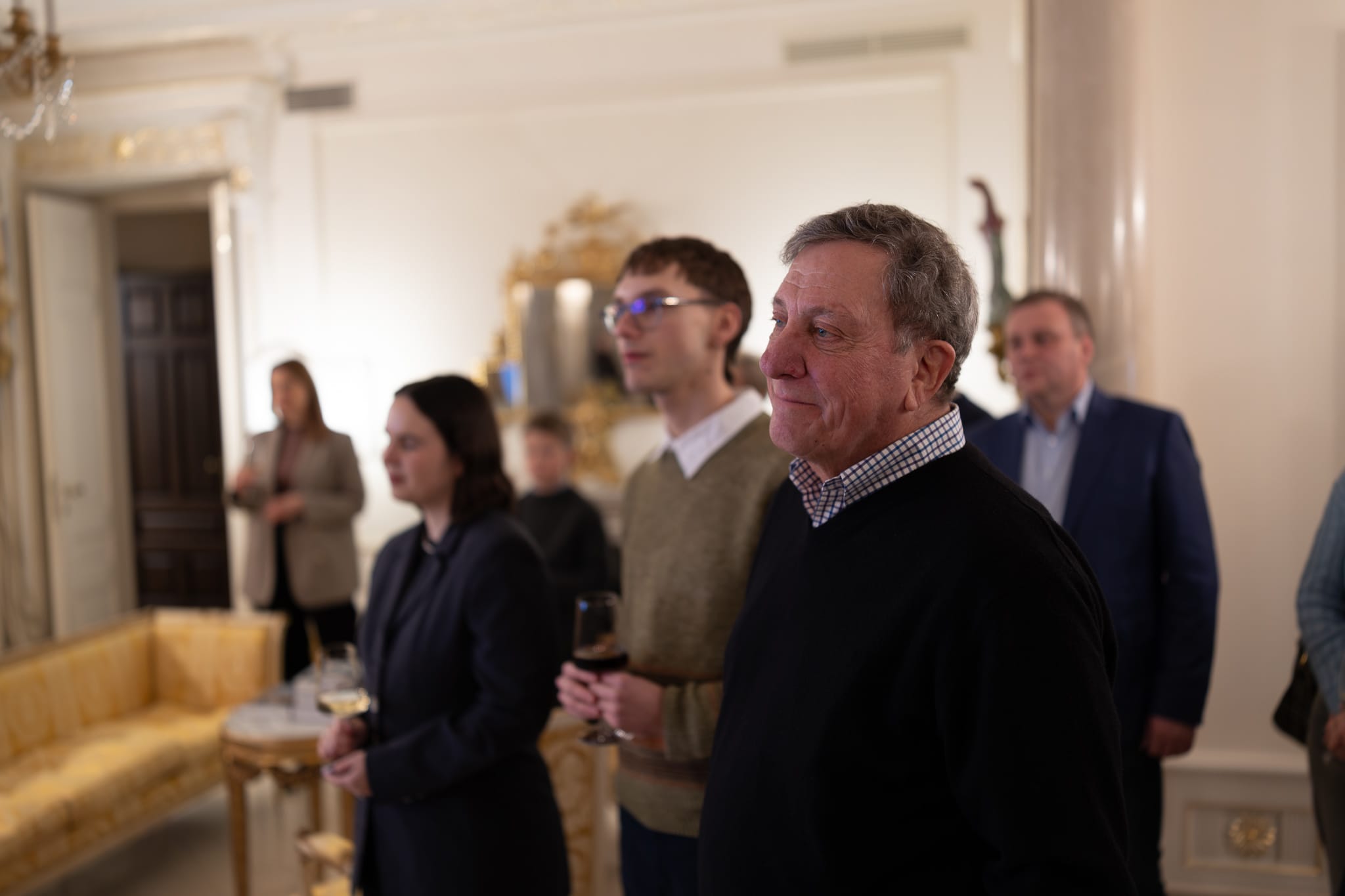
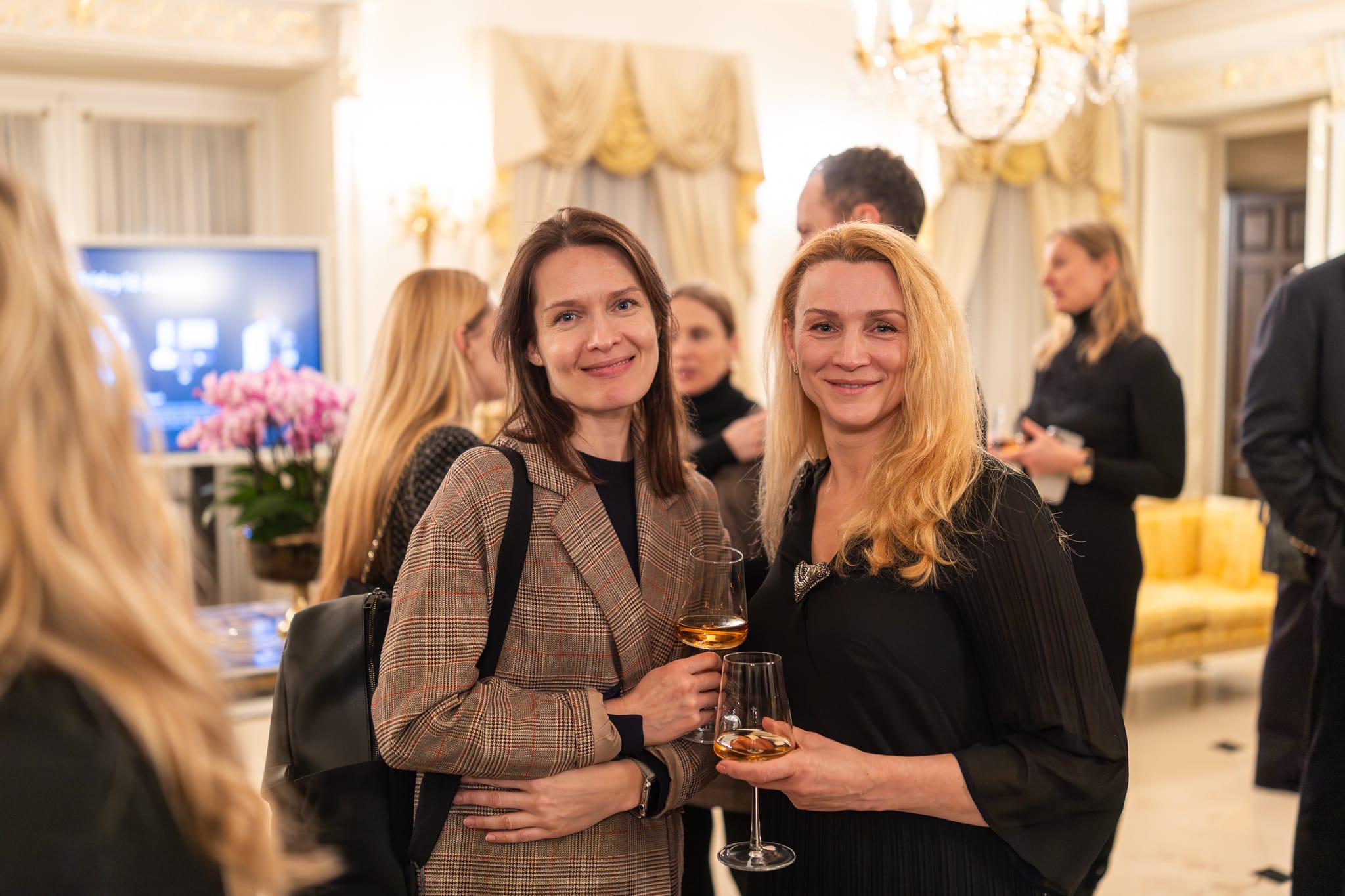
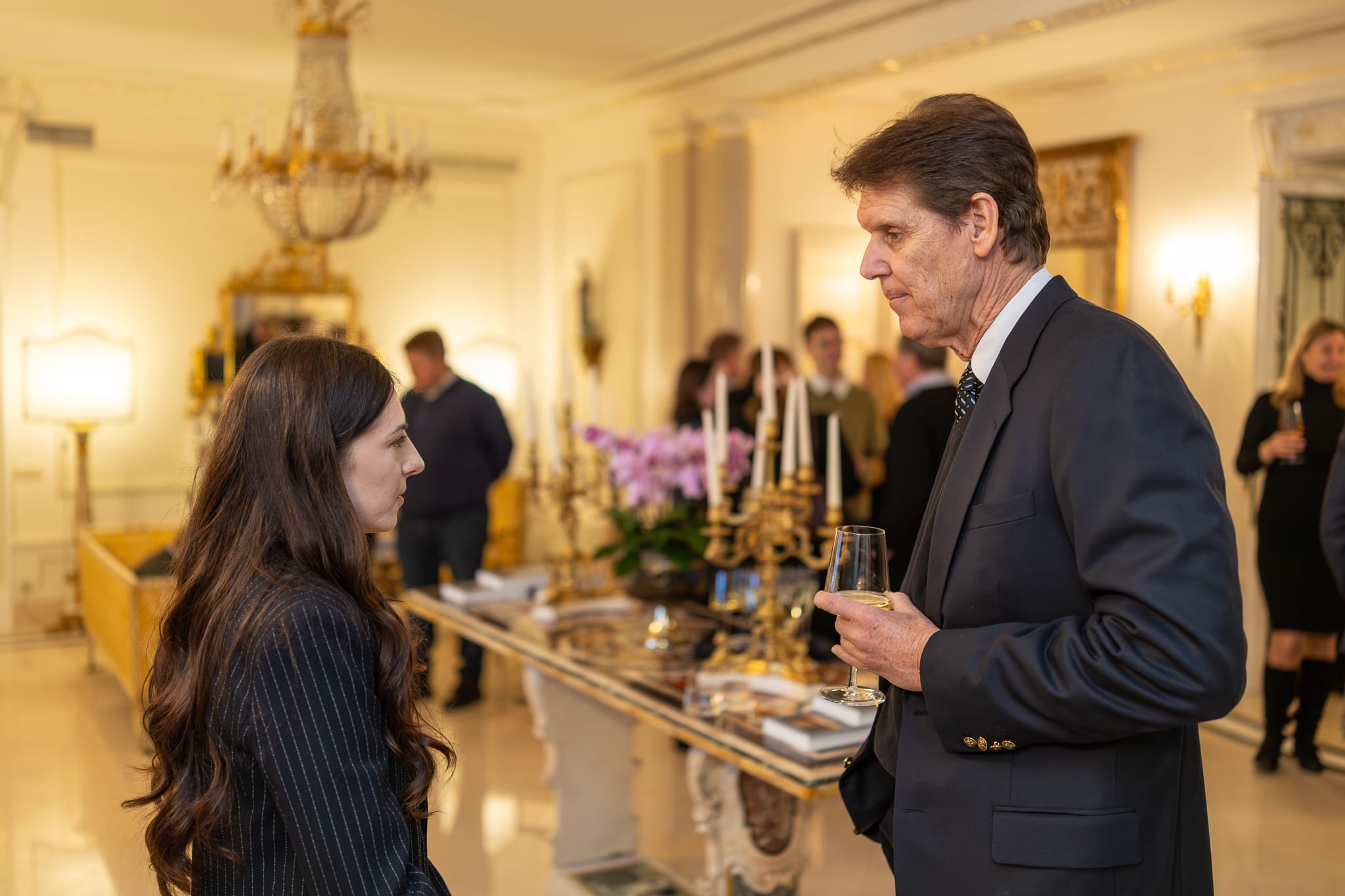
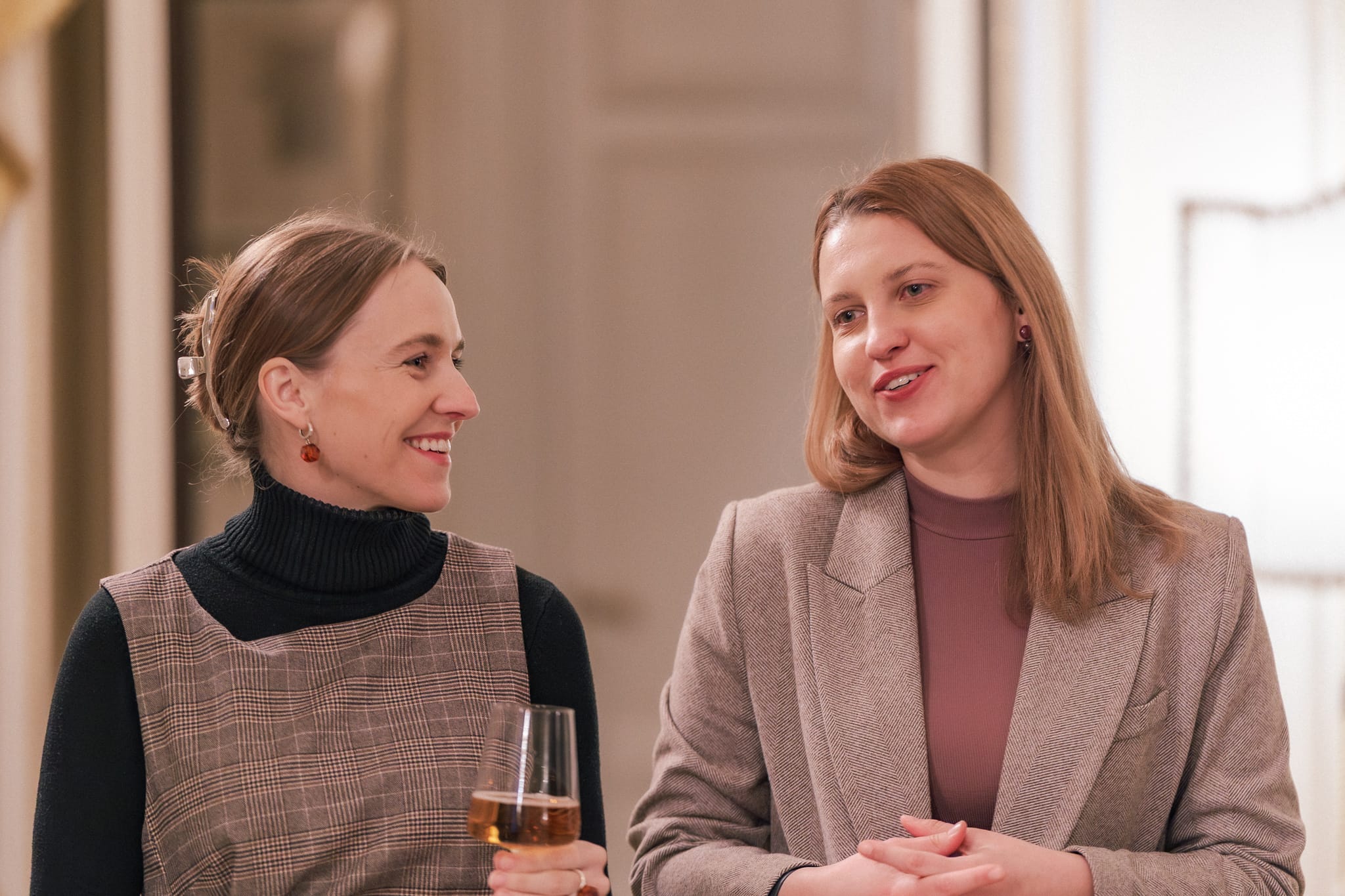
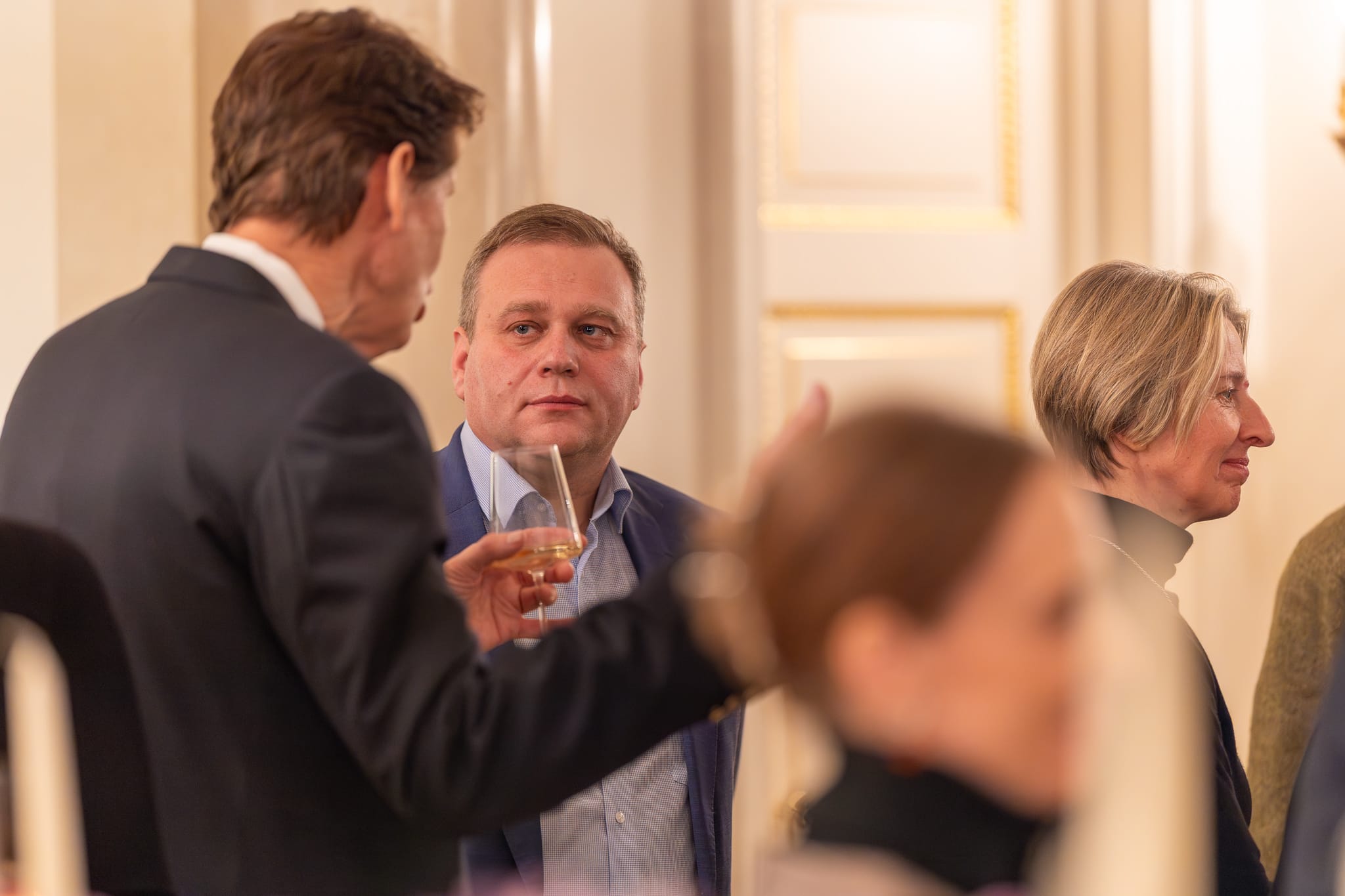
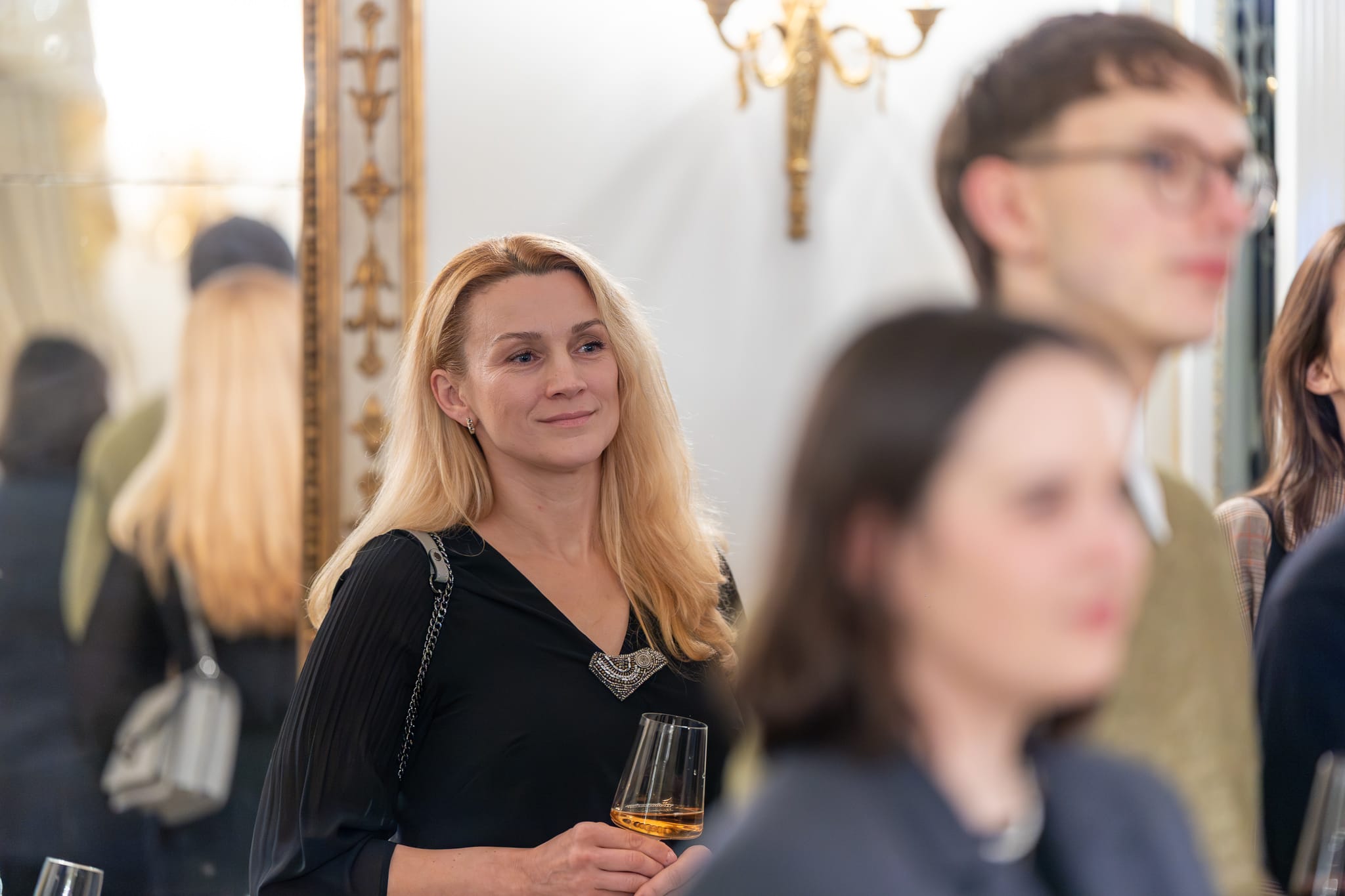
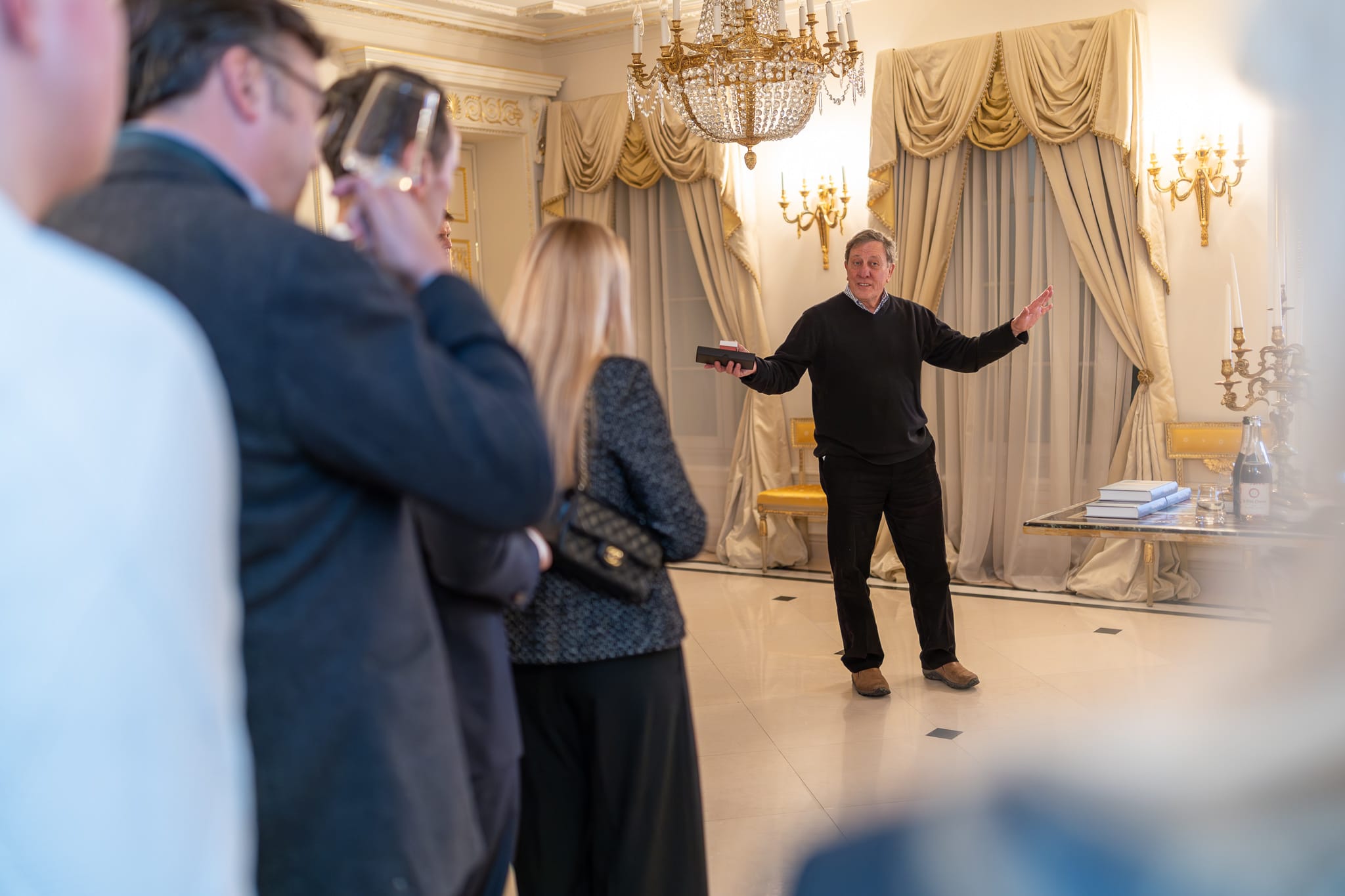
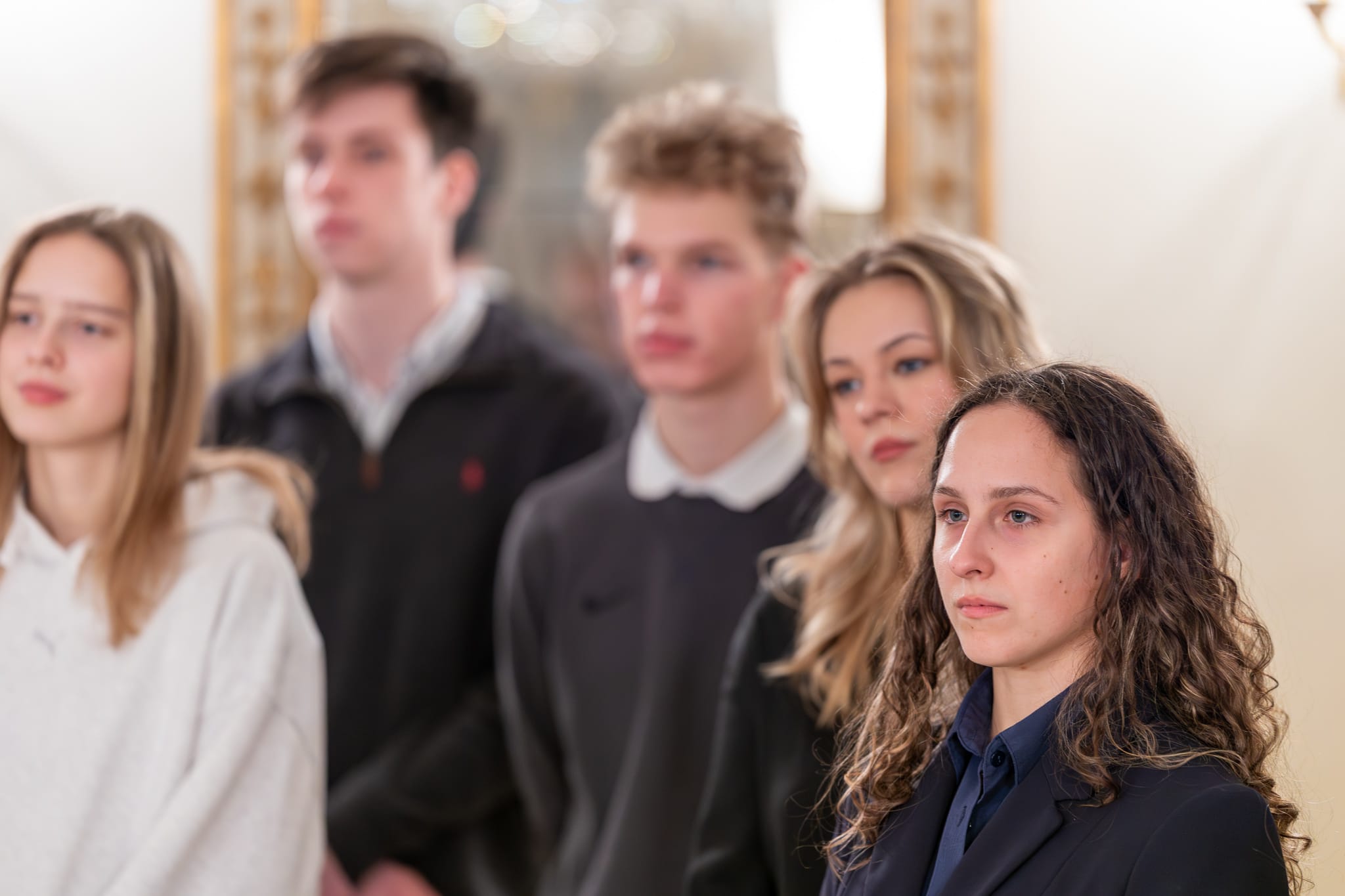
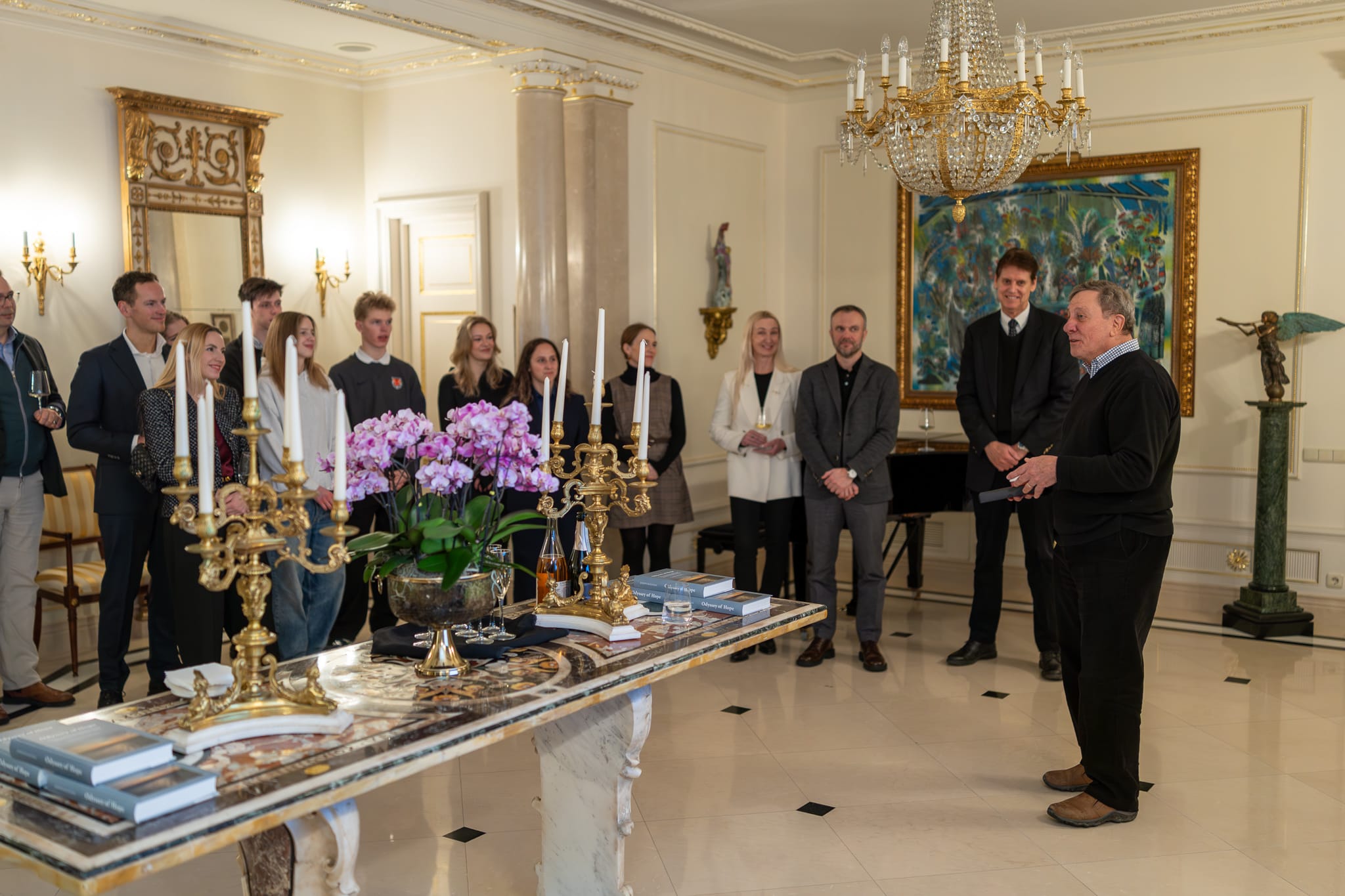
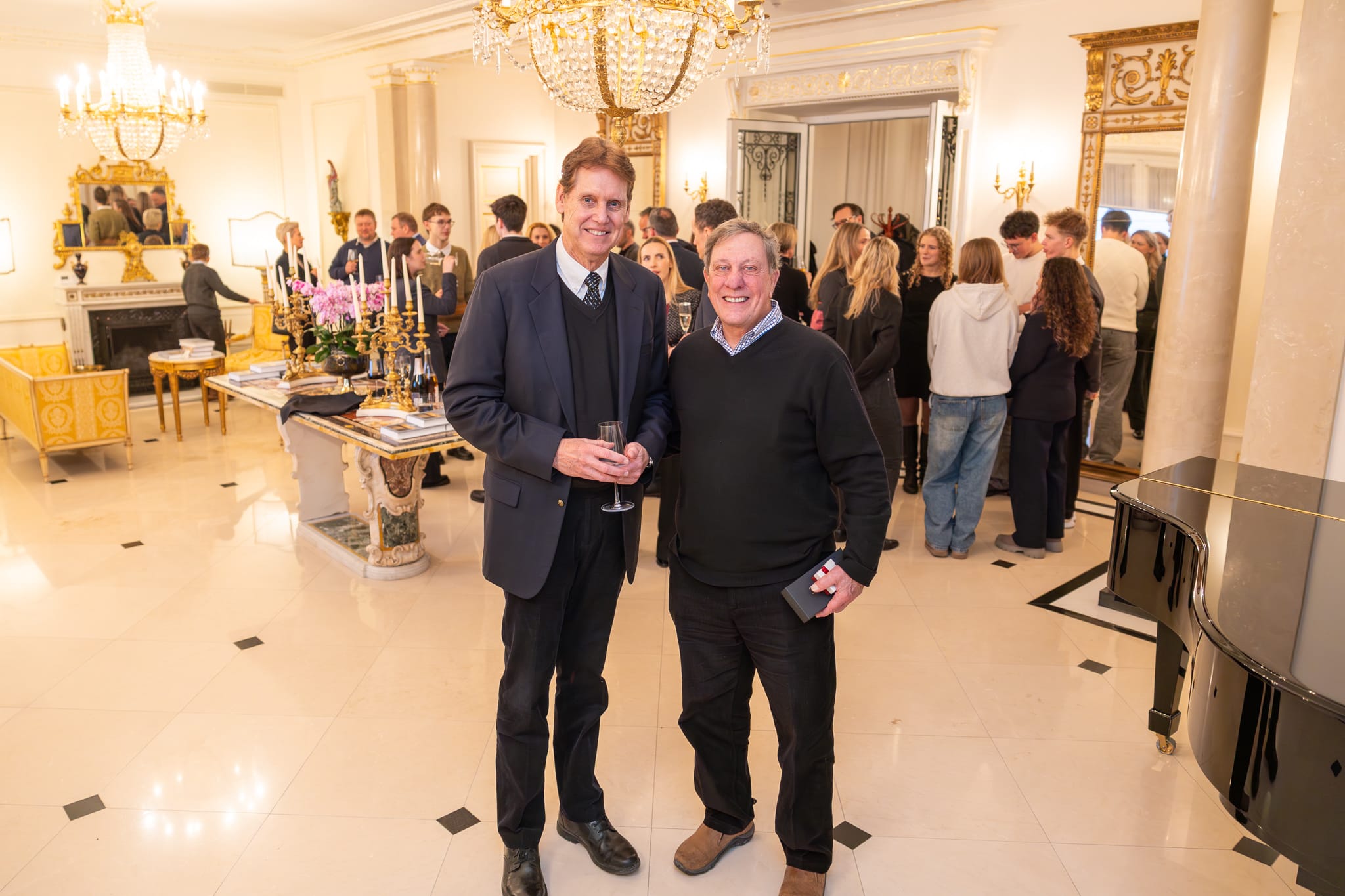
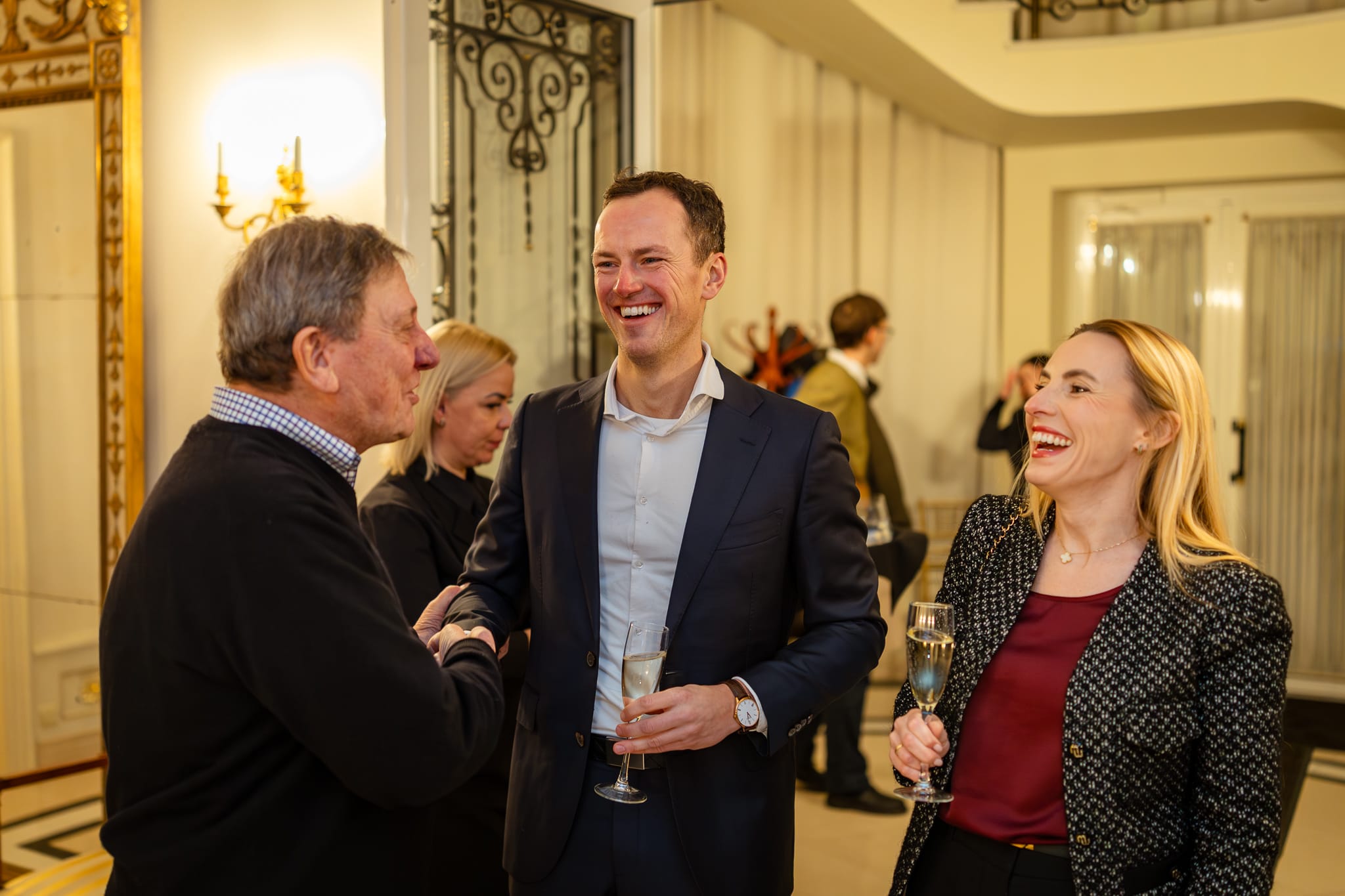
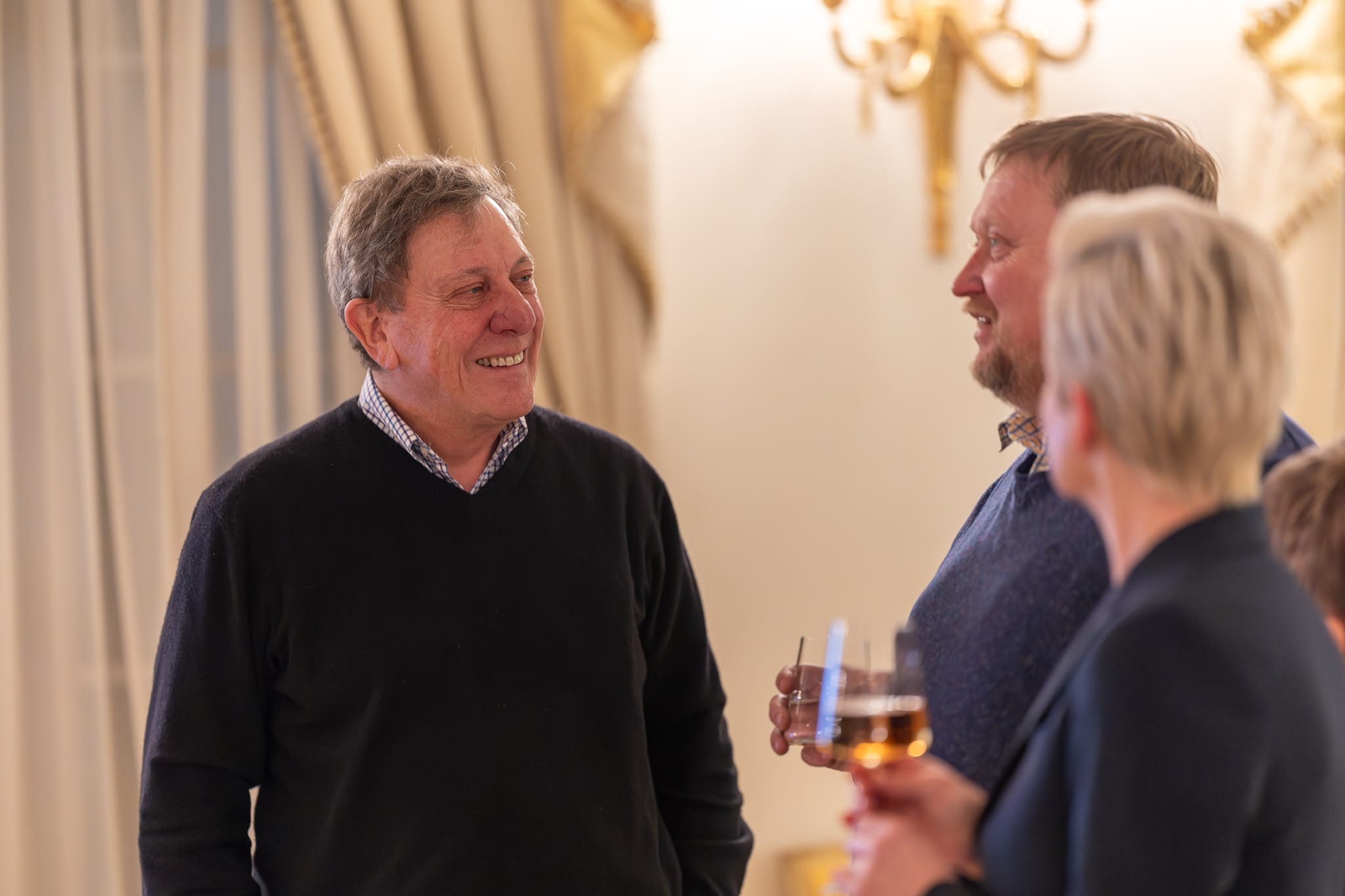
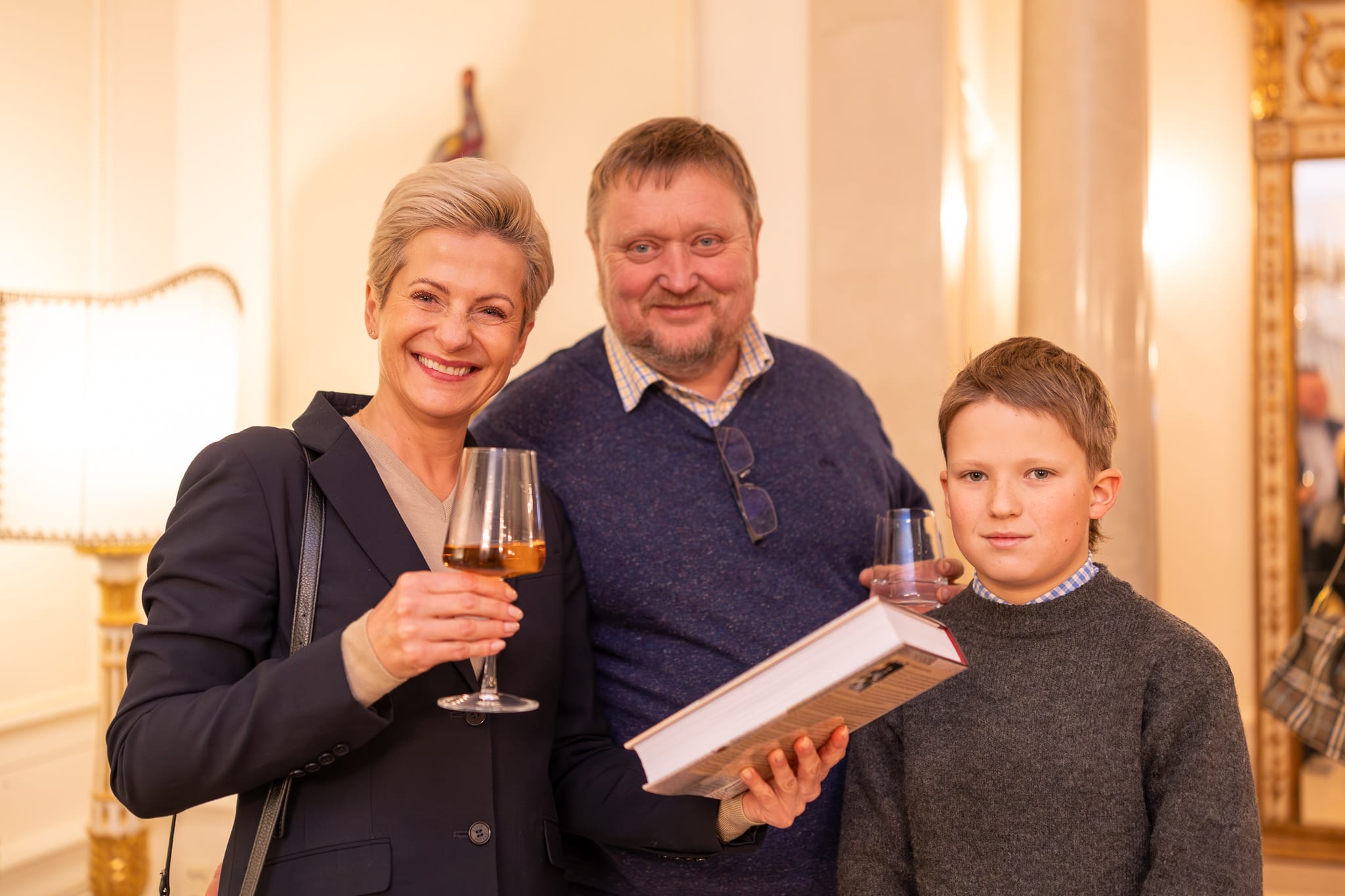
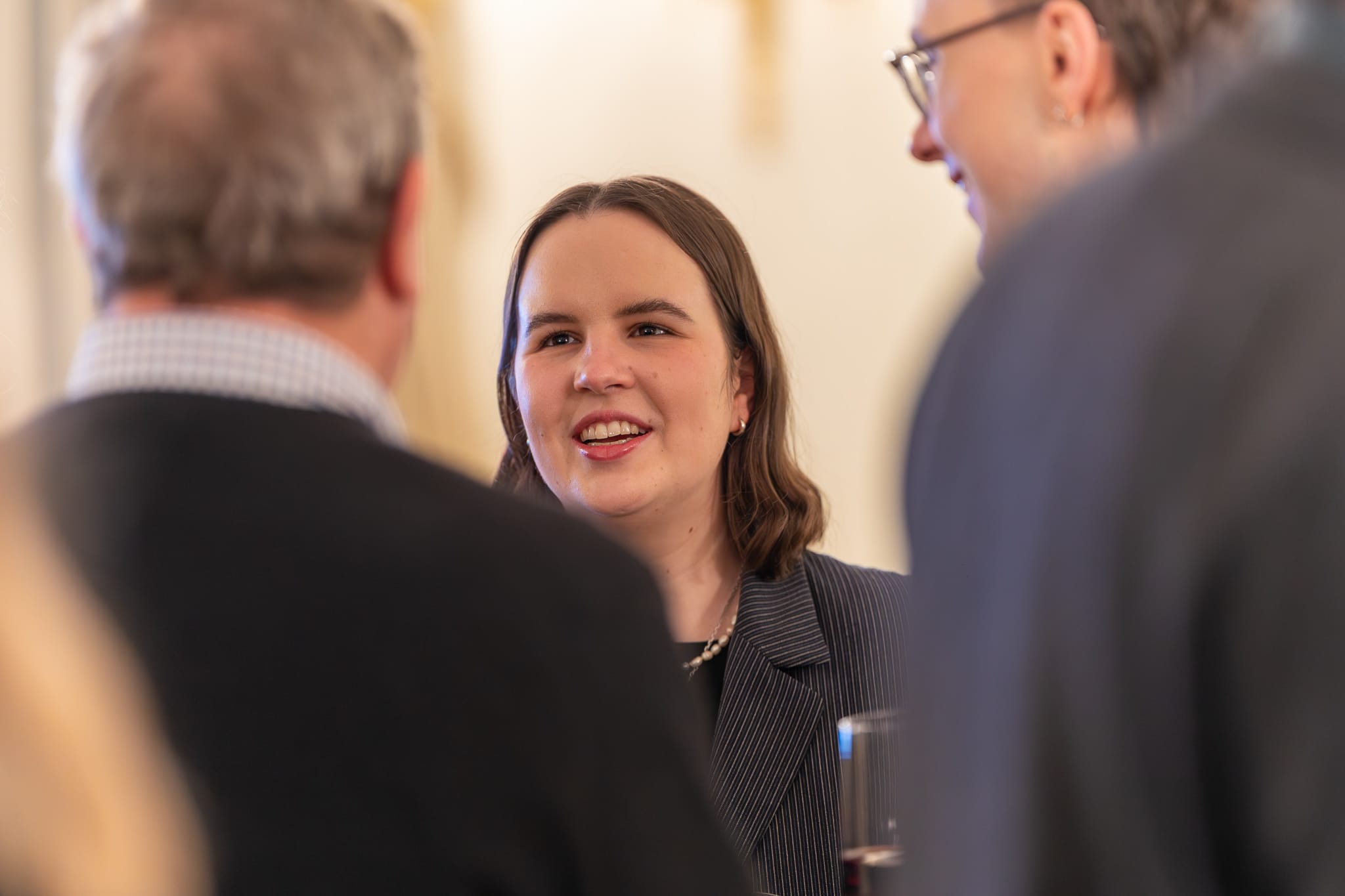
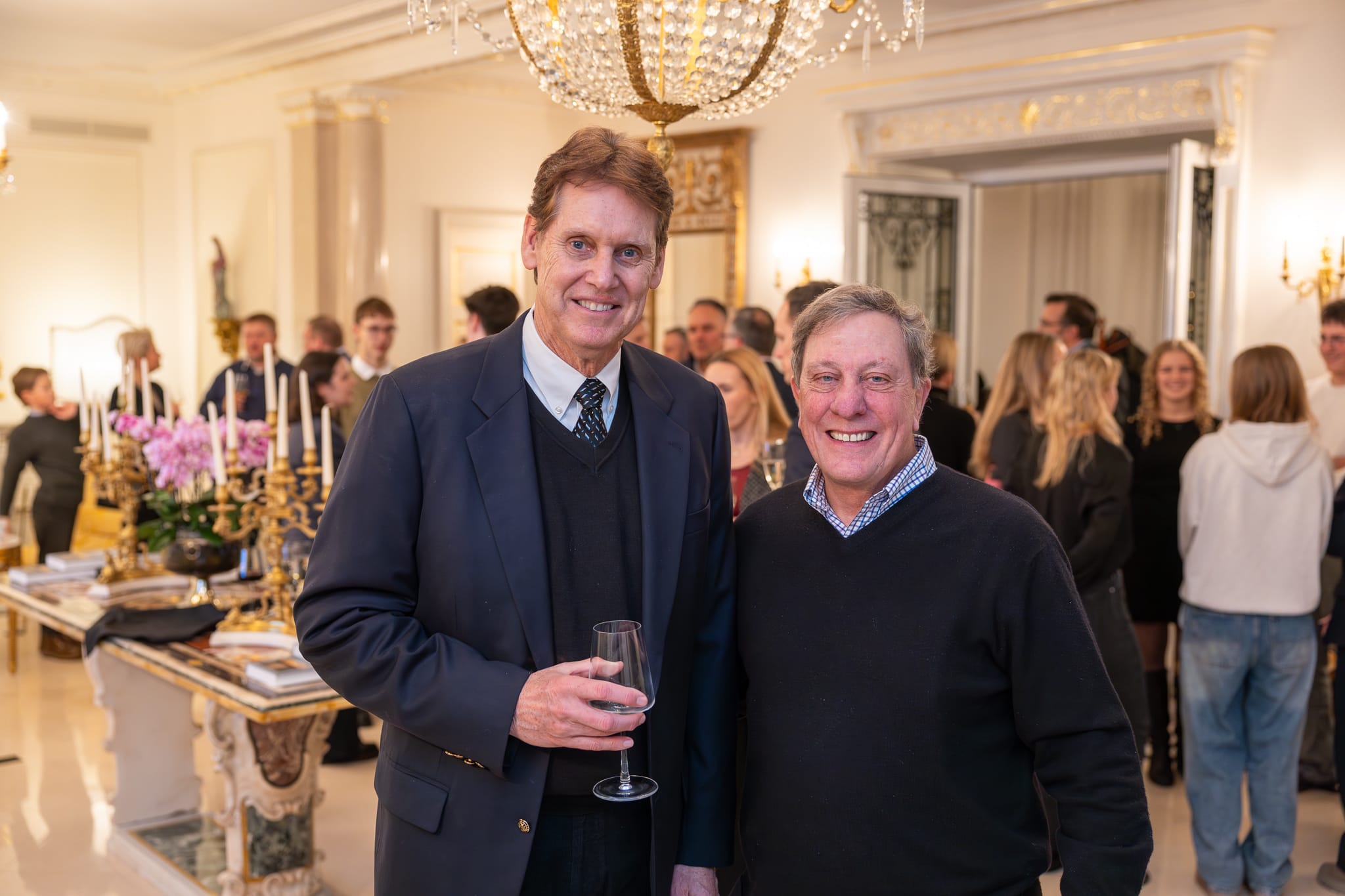
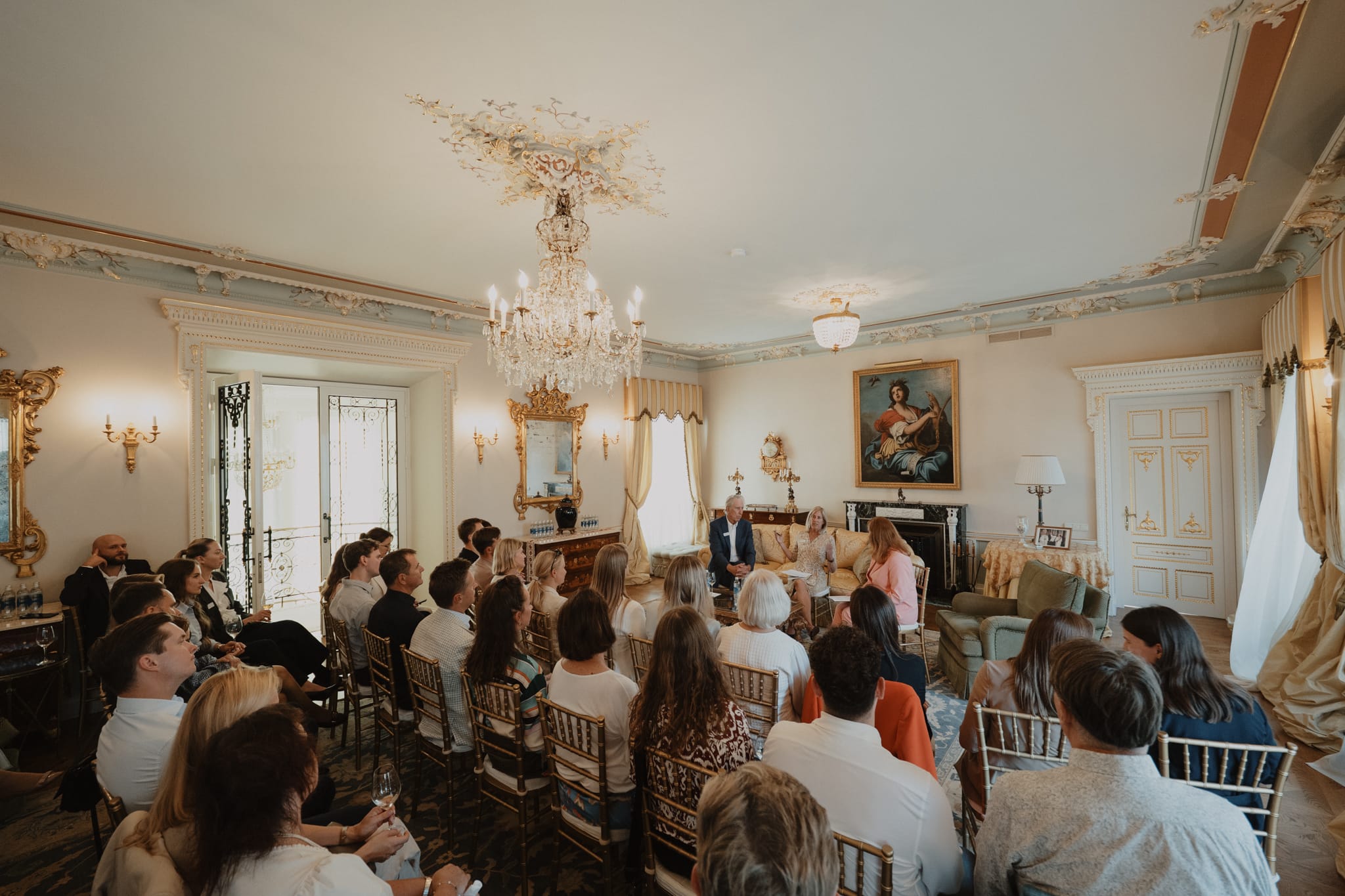
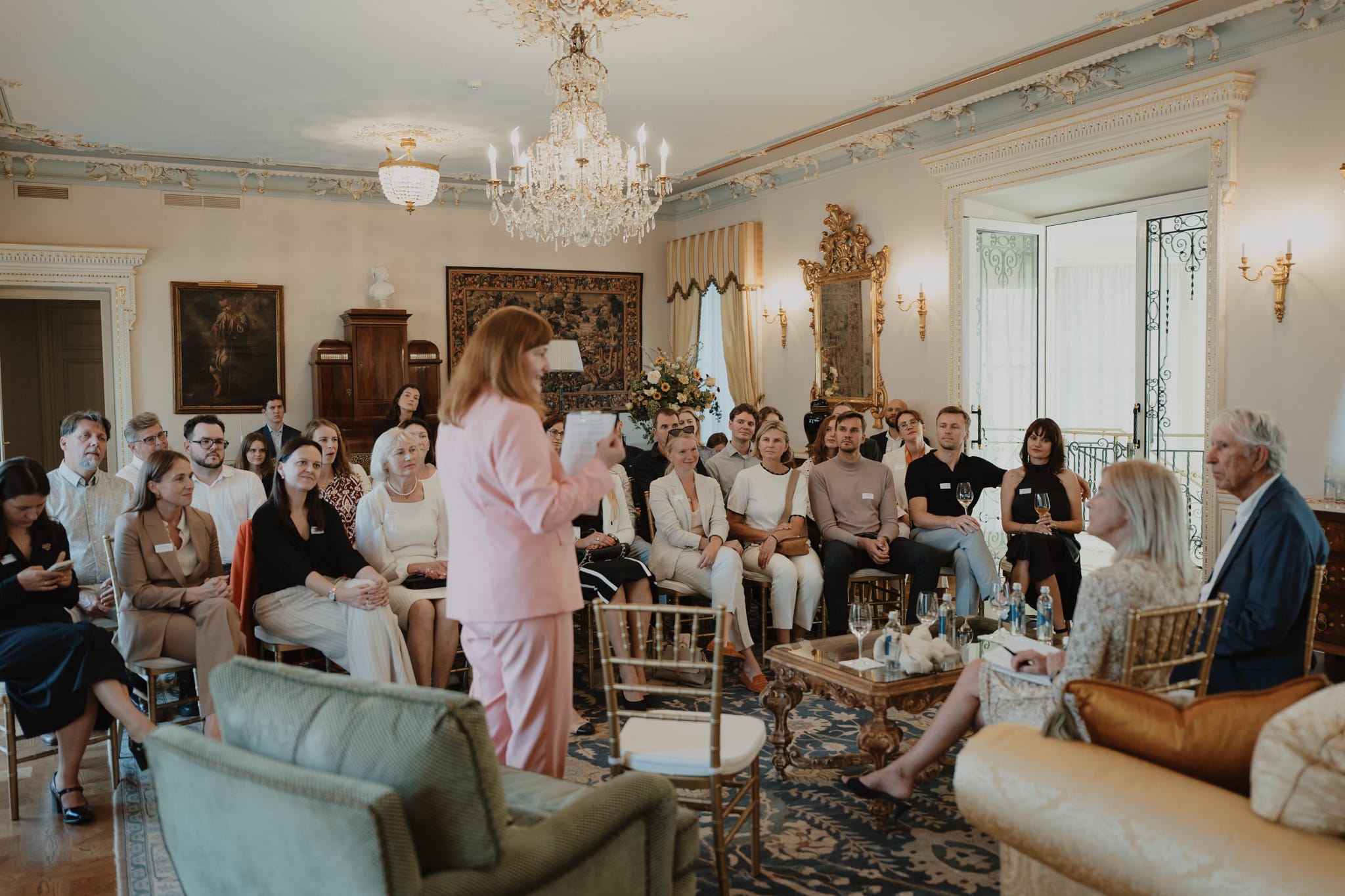
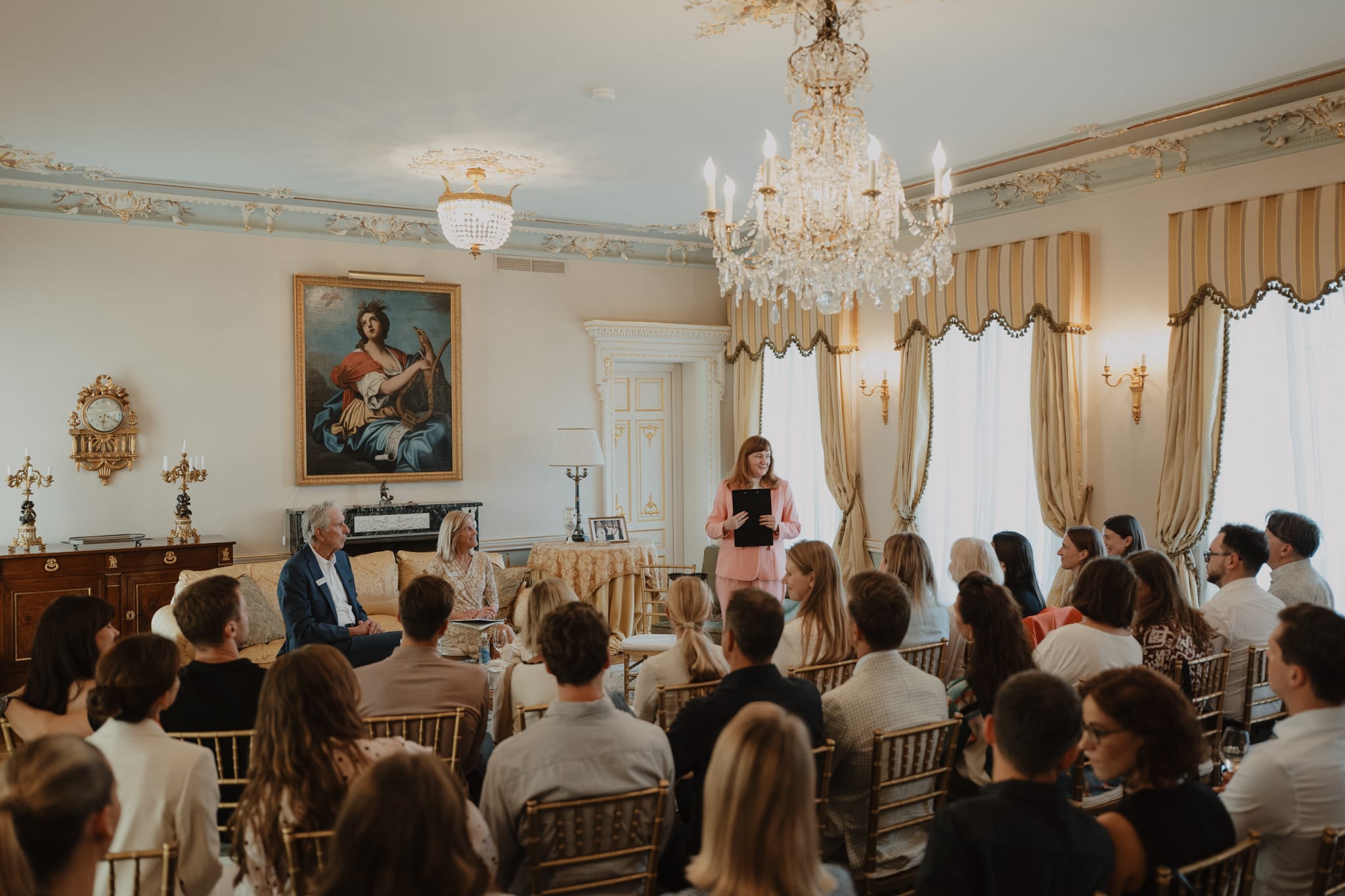
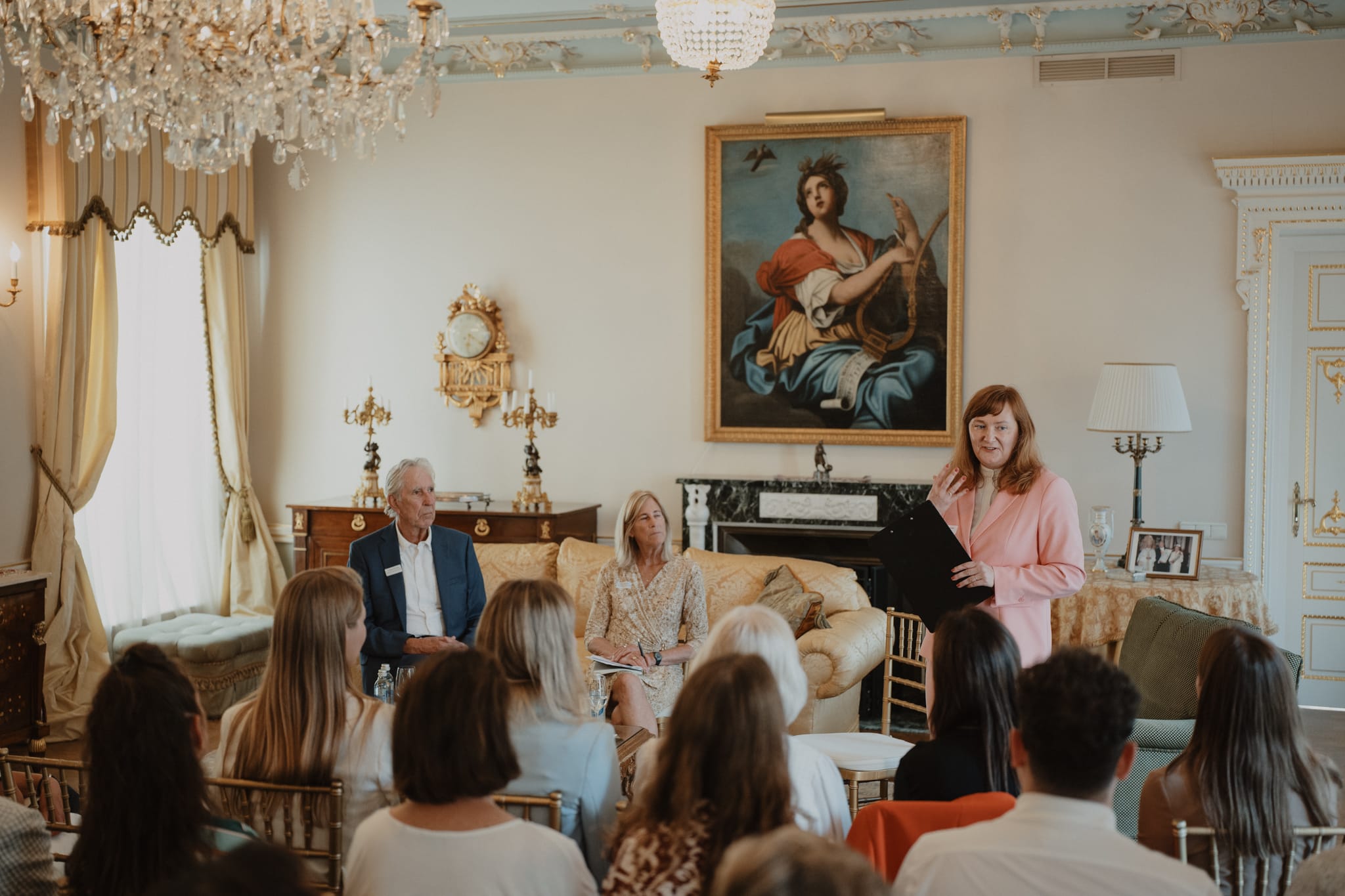
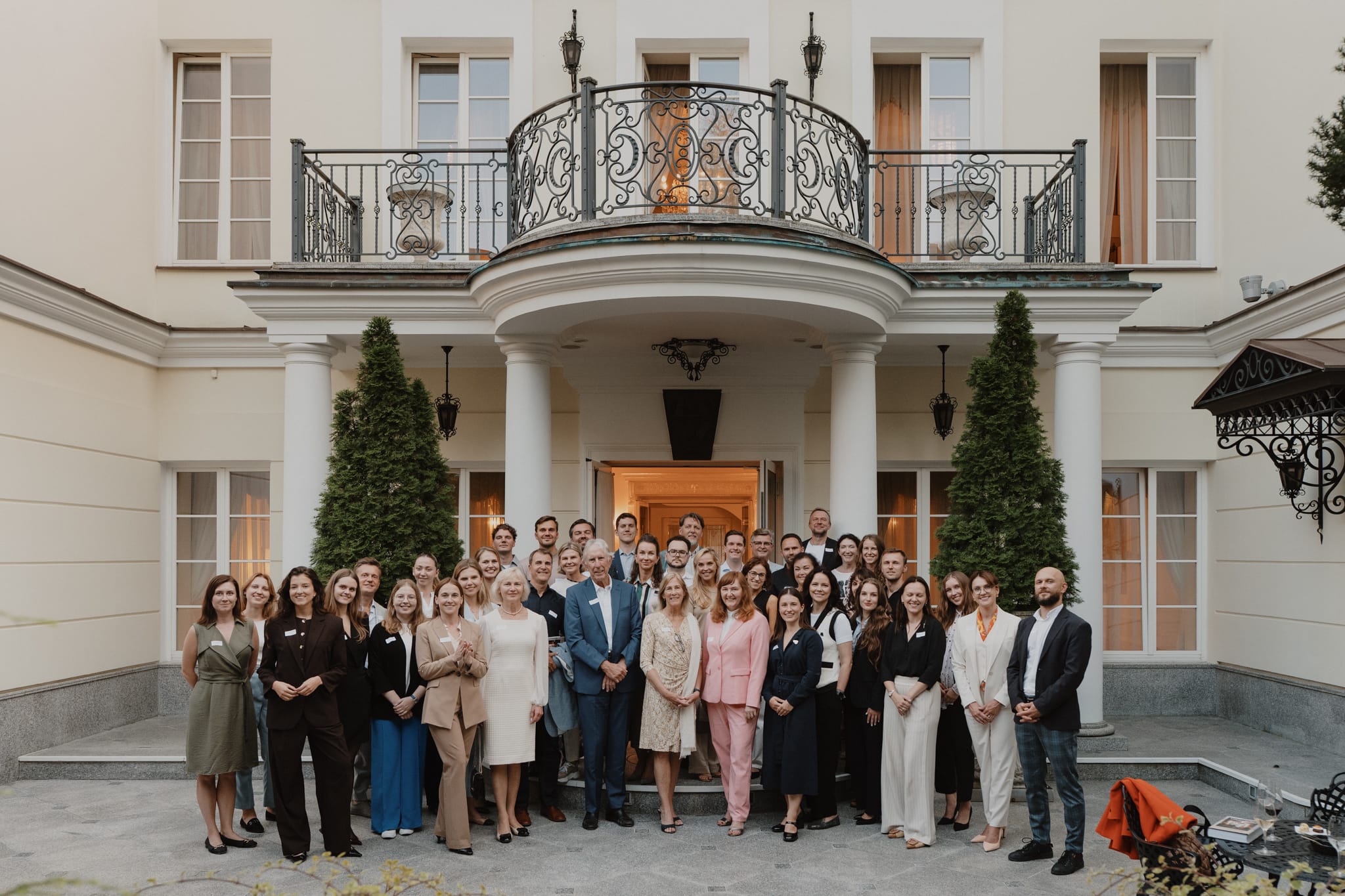
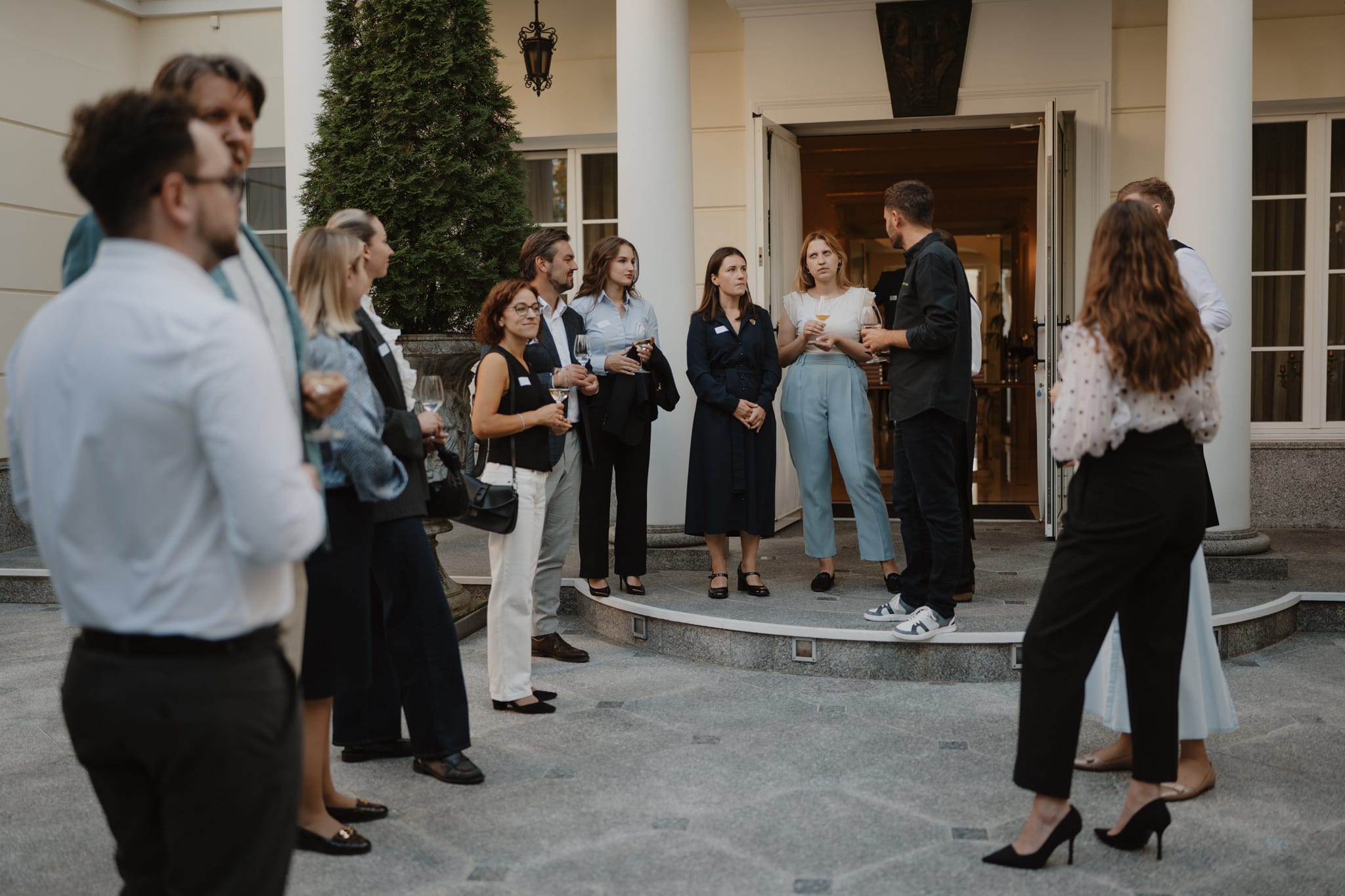
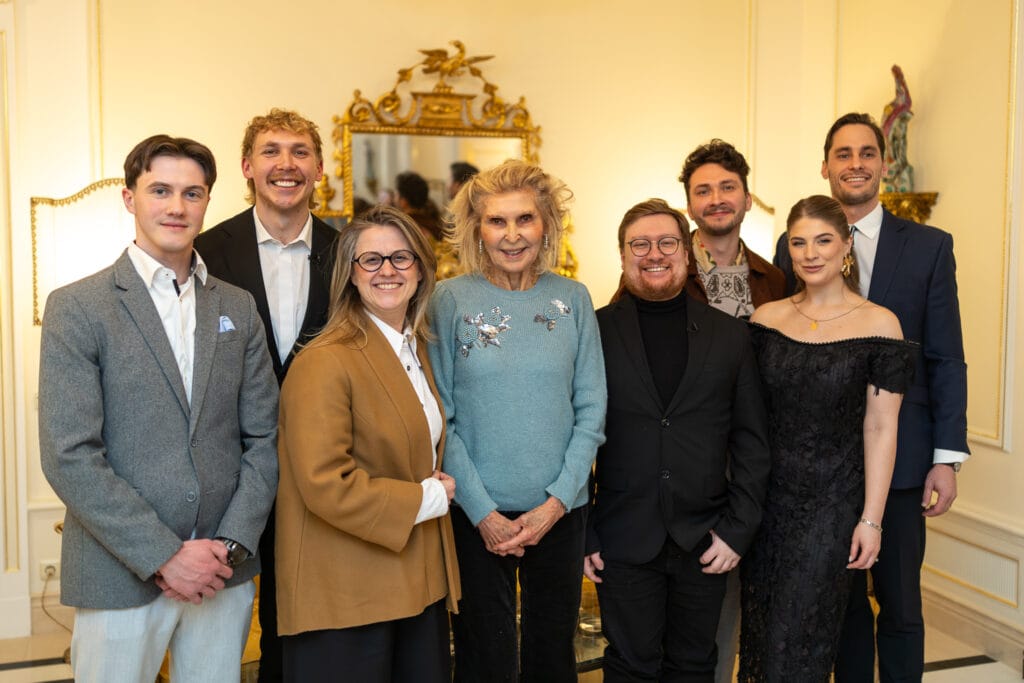
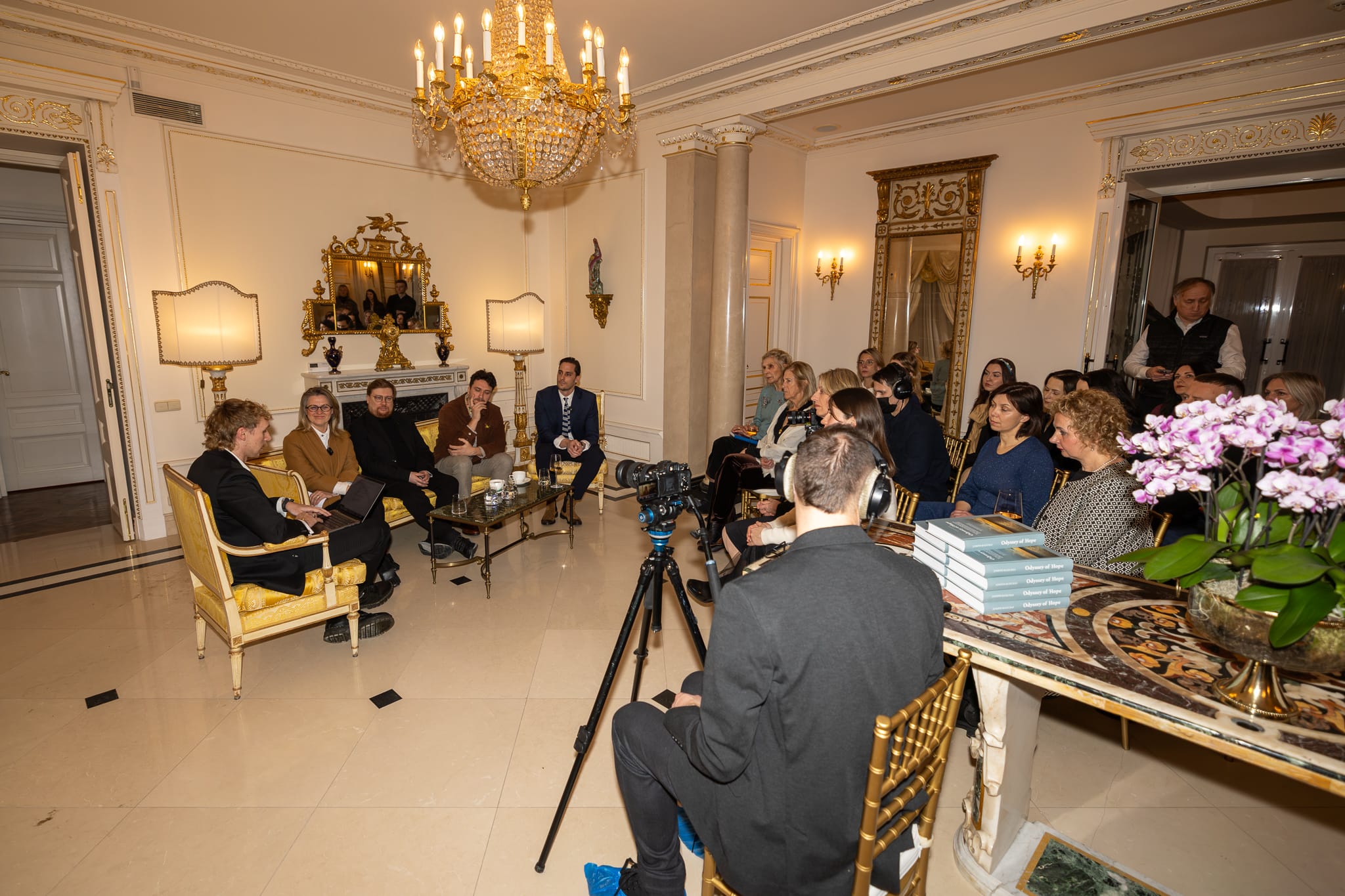
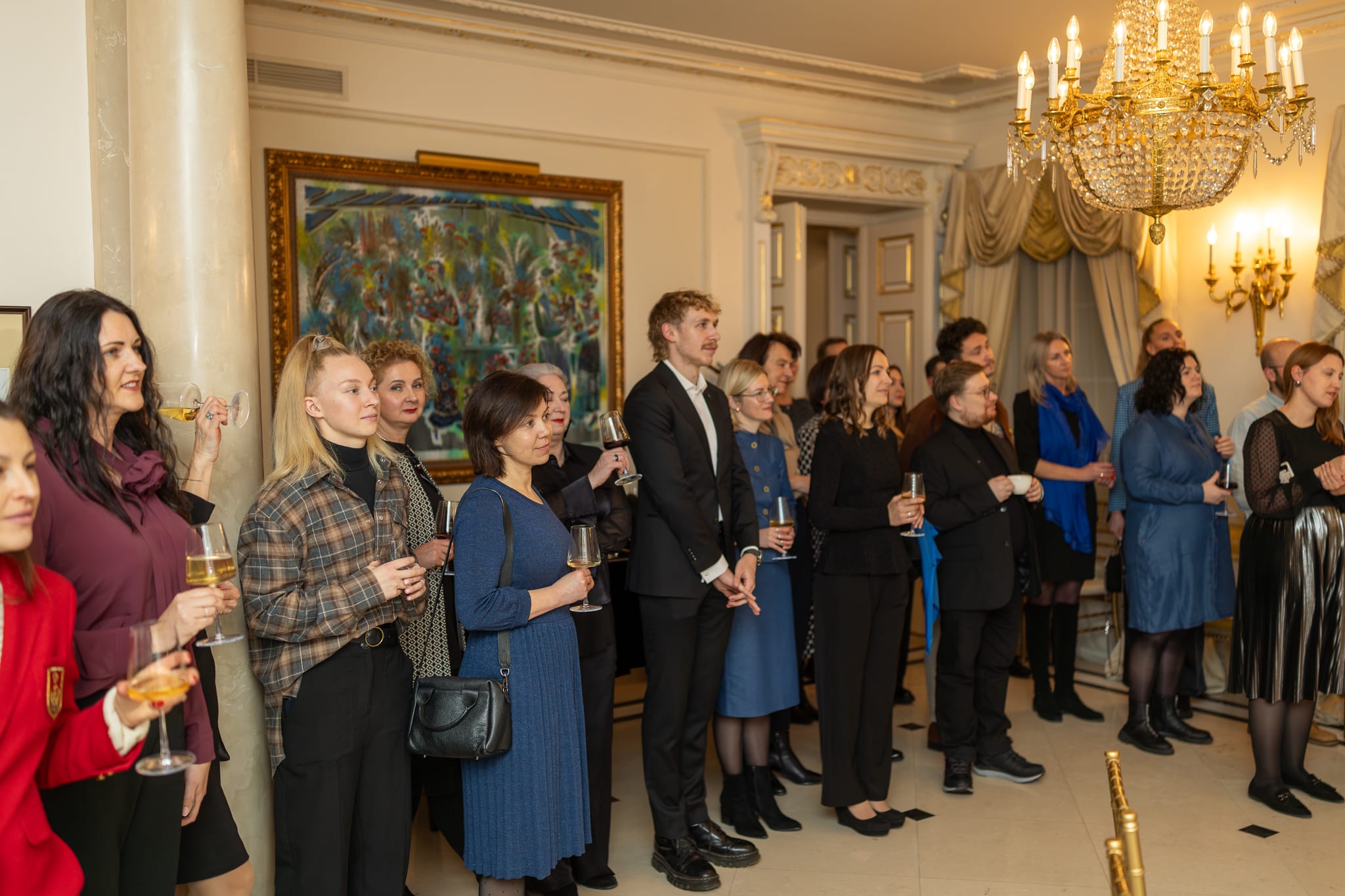
This topic received significant attention at the celebration of Uncommon LT’s fifth anniversary, during a discussion titled “How to Raise Children in the Age of Artificial Intelligence?” held in Vilnius at the Kazickas family residence. The event brought together more than 50 participants – parents, representatives of educational and non-governmental organizations, as well as technology-interested members and partners of the Uncommon LT community.

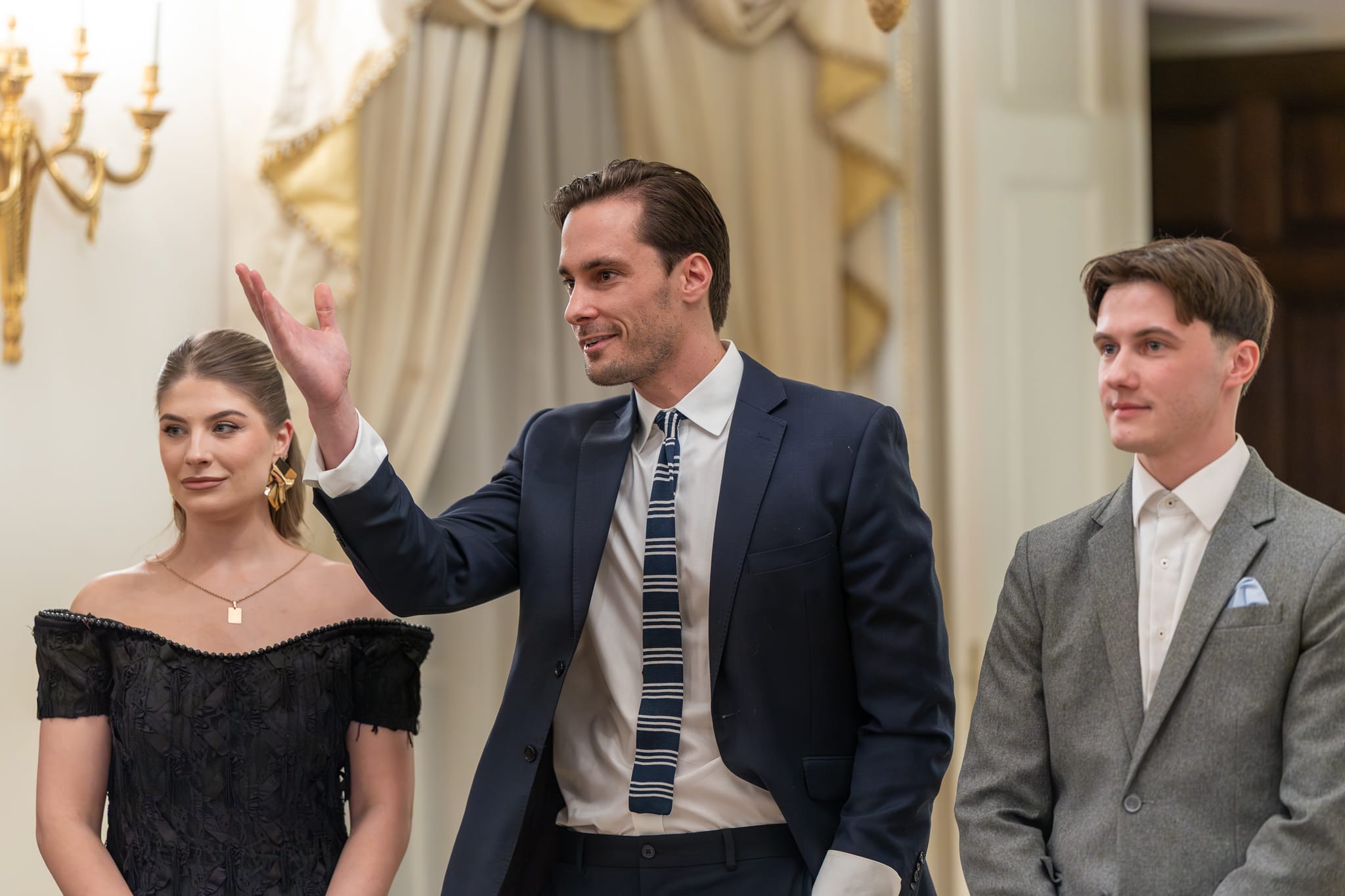
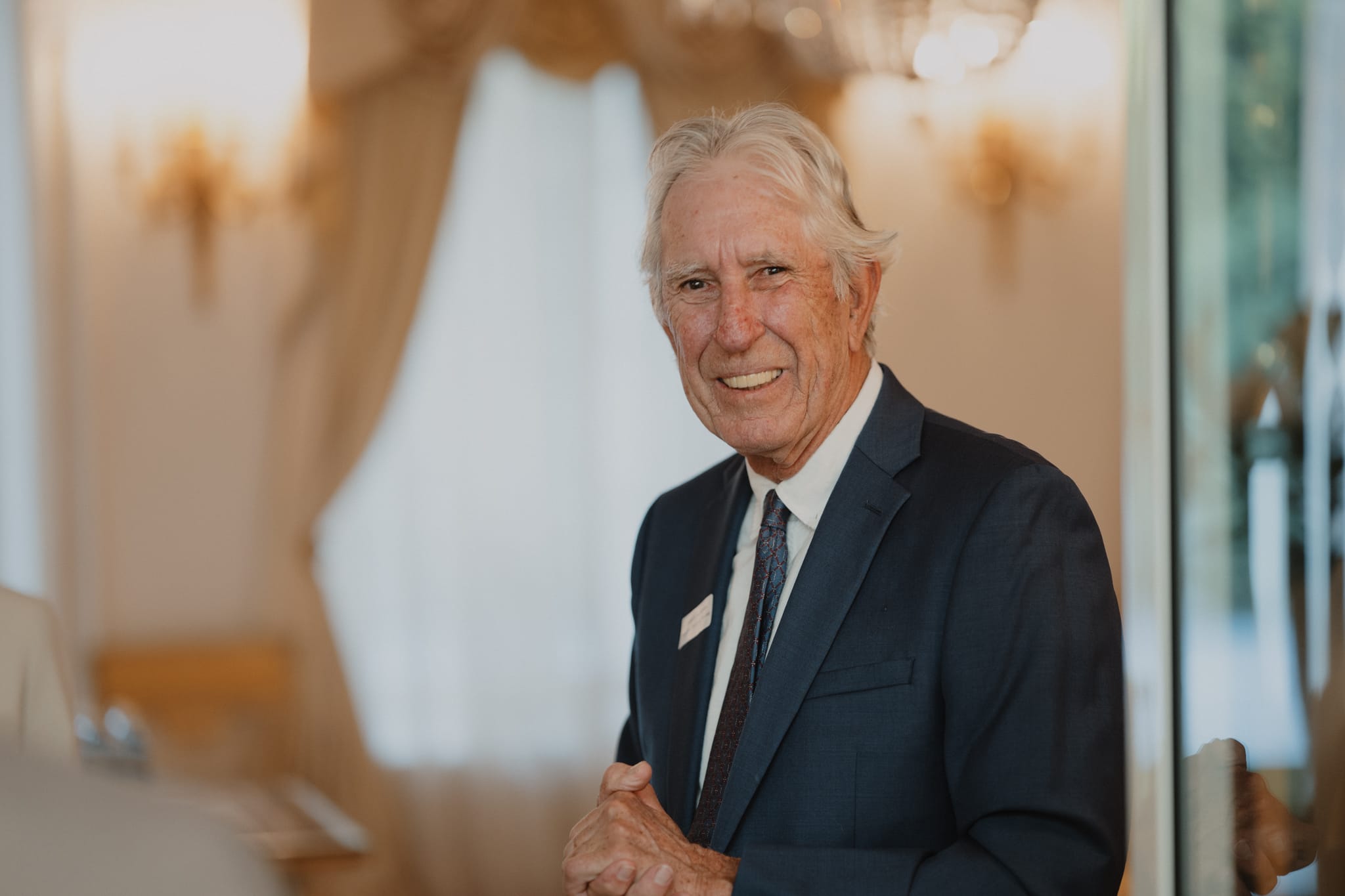
The discussion was moderated by political content creator Domantas Katelė. Participants included Uncommon LT founder Peter Kazickas; the hosts of the show “Du bitai”—Jonas Lekevičius, one of the founders of the Lithuanian Artificial Intelligence Association, and Lukas Keraitis, an IT educator and content creator; as well as Laura Daniusevičiūtė-Brazaitė, an associate professor at the Faculty of Social Sciences, Humanities, and Arts of Kaunas University of Technology.

AI has very quickly become part of children’s daily routines, yet clear principles for its use within families and educational settings remain confusing – from helping with learning or generating ideas to the temptation to “do homework” with just a few clicks. Today, the most important question for parents is not how to ban AI, but how to help children use it in ways that contribute to the development of critical thinking, independence, and self-confidence.

A key issue emerged during the discussion: the main risk does not stem from the technology itself, but from how adults use and regulate it. The idea was voiced that AI is increasingly shaping attention, behavior, and even values, which makes critical thinking for children not only an academic skill, but also an essential counterbalance in a rapidly changing information environment.


Why was this topic chosen for the Uncommon LT anniversary discussion?


The idea for the discussion arose from a practical need that the Uncommon LT team constantly encounters while working with parents, teachers, and training participants. In these situations, two opposing positions often become apparent – either a complete ban on technology or total passivity, leaving children to deal with it on their own.

Instead of extremes, the discussion emphasized the need for a more balanced approach – one based on understanding, practical skills, and a community where it is possible to openly talk about the rapidly changing technological environment and the importance of critical thinking.

This approach is directly linked to Uncommon LT’s mission: to provide inclusive, experience – and evidence-based education that develops both technical and social skills and strengthens self-confidence. Although technologies are changing extremely fast, the discussion highlighted that the human ability to learn, think critically, and create meaningful solutions remains a fundamental component.


The Role of Parents in the Age of Artificial Intelligence


The participants agreed that the first steps begin at home – with clear agreements, open conversations with children, and the ability to critically evaluate information together.

It is important not to look for quick answers, but to encourage the learning process itself: asking questions, doubting, and understanding how technologies influence everyday decisions.

When talking about artificial intelligence and children, the discussion stressed that the key issue is not the technologies themselves, but their impact. Unlike previous tools, AI not only provides information but also selects and structures it, often offering a single “best” answer.

This poses challenges for education and for the role of parents—how to raise independently thinking children in an environment where answers are available instantly and attention is increasingly shaped by algorithms. In the Lithuanian context, critical thinking takes on an even broader meaning—it is understood not only as part of education, but also as an important civic competence.

Therefore, the discussion emphasized that the question is not whether children should use artificial intelligence, but how to set boundaries and ensure that technology supports learning without replacing the thinking process itself.

About Uncommon LT

Uncommon LT is a practical education program focused on technology, artificial intelligence, and soft skills, designed for people of different ages who seek to strengthen their competencies in a rapidly changing world. The program is run by a two-person team—program director Ieva Klungytė and project manager Matas Meškauskas. Its activities are based on experiential learning, support for individual growth, and structured training modules covering both technical and social skill development. The Kazickas Family Foundation initiated and is the main supporter of the program.

By working with young people, adults, and seniors, the Uncommon LT team aims to help participants acquire practical skills, strengthen self-confidence, and better navigate the future labor market. The organization’s goal is to contribute to the growth of a technologically literate and resilient society, ensuring that AI tools are understandable and accessible to everyone, and that learning translates into real opportunities.

Educate, Not Ban: A Discussion at the Uncommon LT Anniversary   Read More »
ASSIST Alumni reception

Annual ASSIST Alumni Reception

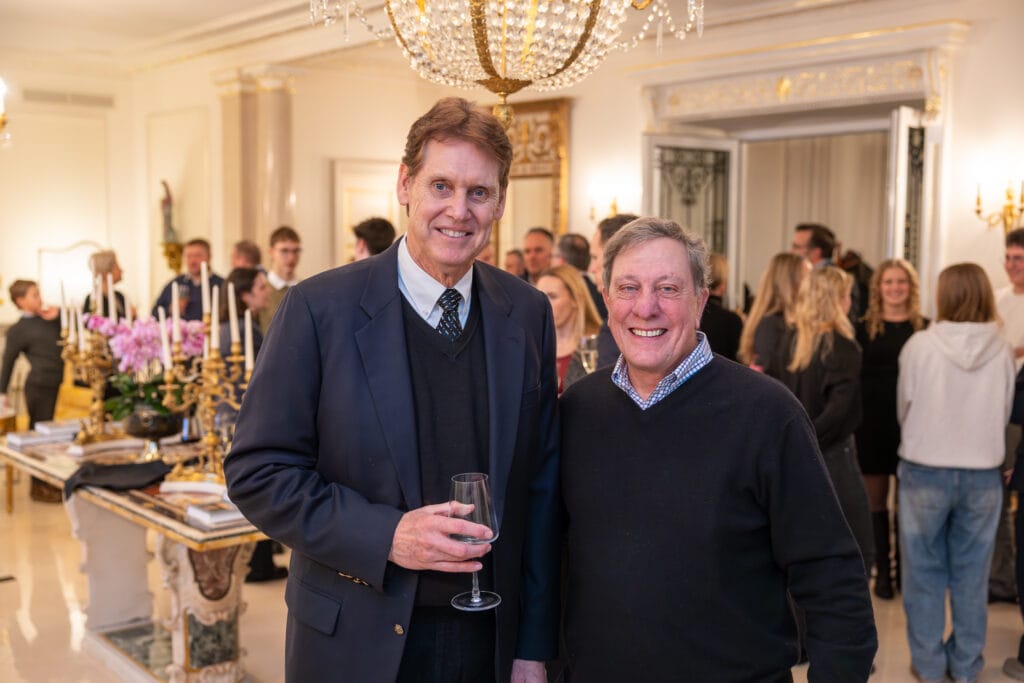
“Education has always been at the heart of our foundation’s mission, which is why programs like ASSIST are so important to us”, said John Kazickas in his welcome speech at the annual ASSIST alumni gathering.

ASSIST is a US-based international student exchange program that gives talented Lithuanian high school students the chance to study for a year at leading independent schools in the US. Since 2003, the Kazickas Family Foundation has supported it through scholarships, helping students gain life-changing experiences and contribute to a global Lithuania.
 
The annual gathering is an opportunity for former participants to reconnect, share their experiences, and strengthen the alumni network.
 
This is the last year for Joseph Gould, a member of the ASSIST board, to be part of the interview process – a huge thank you to him for mentoring so many students and for his dedication to Lithuania over the years.
 
At KFF, we believe in bringing people together, so the program’s impact goes far beyond that one-year experience and continues to inspire alumni to give back.

ASSIST Alumni reception Read More »

KFF trip to Italy

KFF Trip to Italy: Strengthening Cultural and Community Ties

KFF Trip to Italy: Strengthening Cultural and Community Ties

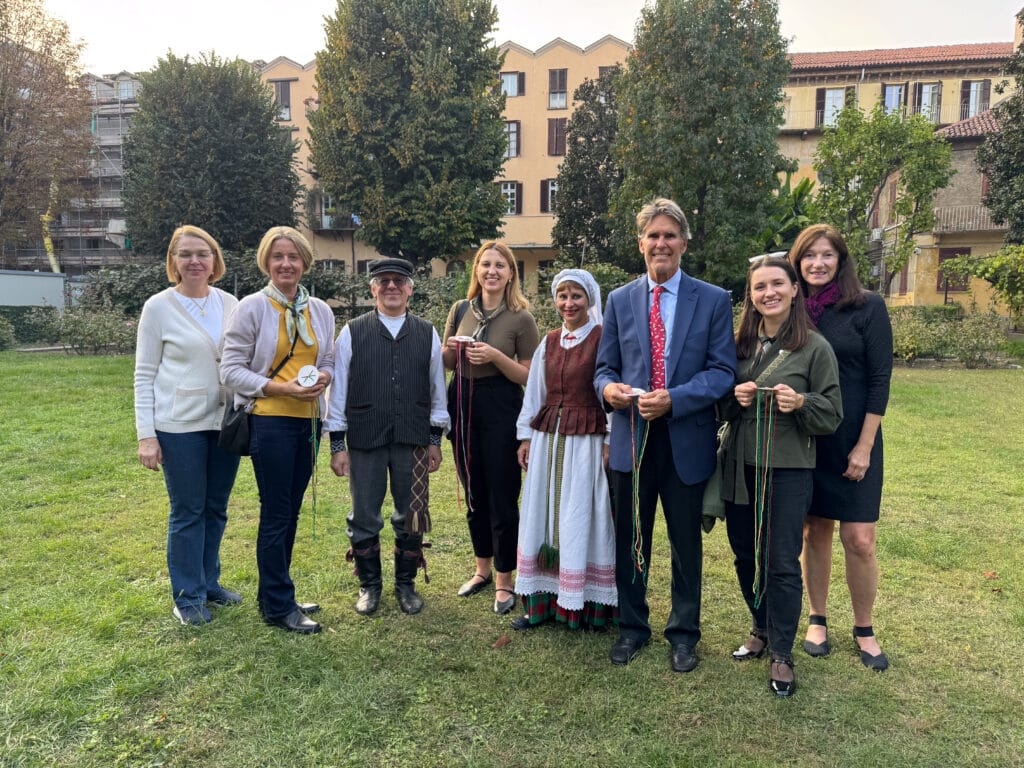
We are honored to continue expanding KFF’s international presence and building bridges between Lithuania and Lithuanian communities abroad. KFF Board Member Michael Kazickas, his wife Beverly, and KFF staff from Lithuania and the US participated in this meaningful business visit to Italy, Turin and Rome. The trip aligned with two important events – the launch of the Lithuanian Cultural Season in Italy and the annual Italian-Lithuanian community gathering in Turin.

KFF trip to Italy

The Italian-Lithuanian community brought members together for a three-day gathering in Turin:

  • During the opening evening, welcome remarks were delivered by Ambassador of Lithuania to Italy Dalia Kreivienė, the Lithuanian Honorary Consul in Italy, Piemonte regional and City of Turin representatives, leaders of Italian-Lithuanian communities, as well as Michael Kazickas and KFF Executive Director Neila.
  • The program included cultural workshops and discussions, Mass, Lithuanian folk dances, a presentation of M. K. Čiurlionis children’s books, informal conversations, and diaspora networking.
Rome – Diplomatic, community and cultural meetings:
  • Meeting with the Ambassador of Lithuania to Italy, Dalia Kreivienė, and her team at the Lithuanian Embassy in Rome.
  • Participation in Mass celebrated by Msgr. Rolandas Makrickas, with a tour and conversation afterward at Santa Maria Maggiore Basilica.
  • Mass celebrated by Fr. Audrius Arstikaitis at St. Peter’s Basilica, Vatican (Chapel of the Patrons of Europe), followed by a visit to the Lithuanian Chapel.
  • Meeting with Ambassador to the Holy See Sigita Maslauskaitė at the Embassy.
  • Visit to St. Paul Outside the Walls Basilica with an organ performance and guided tour by Christian Alexandro Almada and Renata Marcinkute-Lesieur.
  • Informal discussion with the Board Members of Lithuanian Communities in Rome and Italy.
  • Promote Bring Together Lithuania for Italian-Lithuanian youth.
  • A guided tour of Lithuanian-related heritage sites in Rome.
We were grateful to connect with Lithuanian community leaders, diplomats, clergy, and culture promoters who play a vital role in strengthening Lithuania–Italy ties.

KFF Trip to Italy: Strengthening Cultural and Community Ties Read More »

Tradition of Philanthropy: Kazickas Family’s Example and Lessons for Lithuania

Tradition of Philanthropy: Kazickas Family’s Example and Lessons for Lithuania

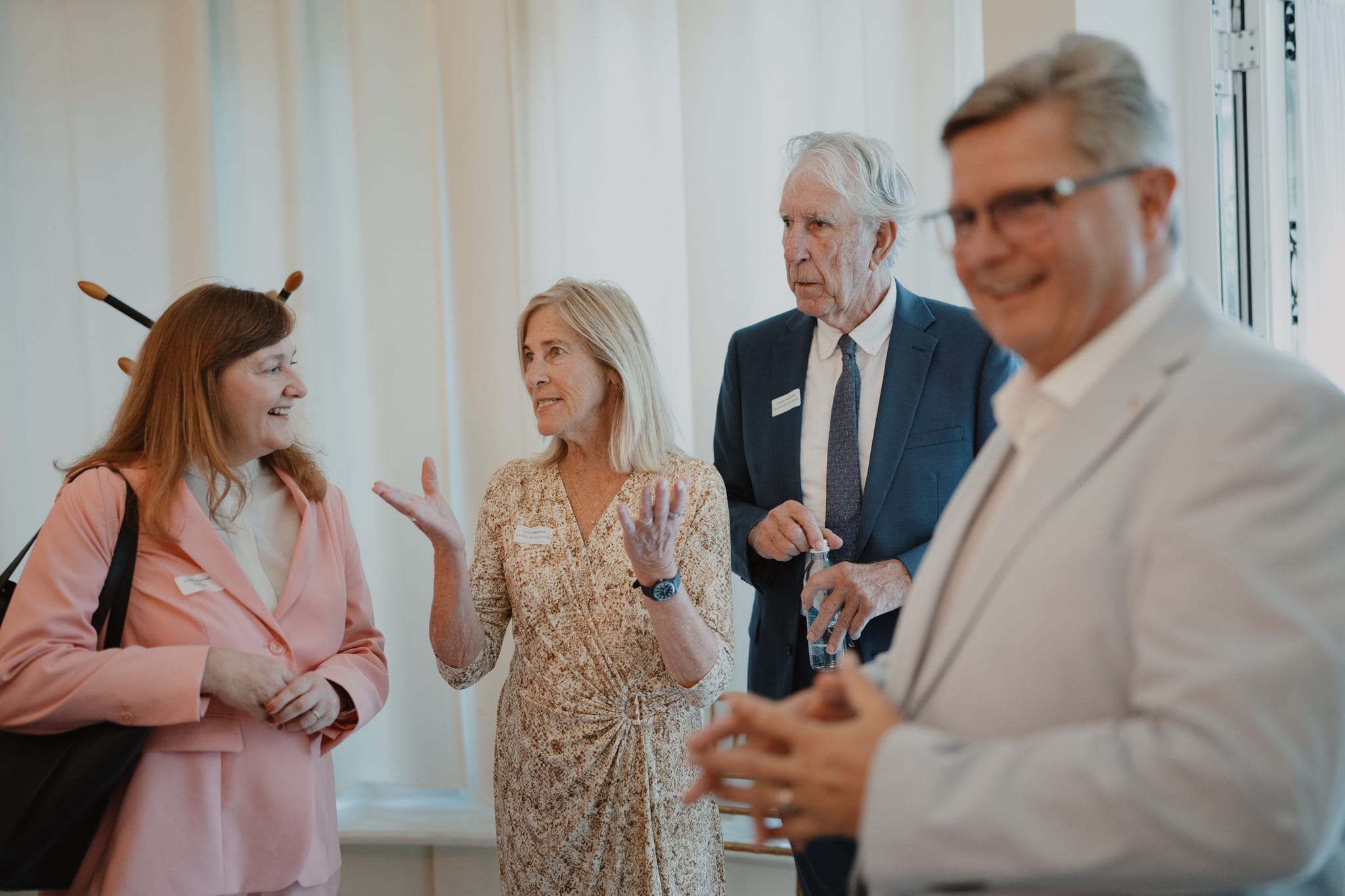
What does it mean to measure wealth not in money, but in values? This question was discussed at an event organized by the Kazickas Family Foundation and the law firm Sorainen, attended by Joseph M. and Lucy Kazickas — the foundation’s trustees who continue the philanthropic tradition started by the late Dr. Juozas Kazickas.

At the same time, Sorainen partner and attorney Jurgita Karvelė emphasized that for family businesses, goodwill alone is not enough — a clear legal framework is also essential to ensure the continuity of values and long-term contributions to society.

Values Matter More Than Wealth

Drawing on the example of the late Dr. Juozas Kazickas — whose contribution to Lithuania’s independence and national development is widely recognized — the Kazickas family stressed that wealth itself is not a value. What matters most is how much of it is returned to society, and in their case, to Lithuania.

In the late 20th century, Dr. Kazickas — a successful entrepreneur with a PhD in Economics from Yale University who built his business from the ground up — decided to dedicate his accumulated resources to Lithuania, the country he and his wife Alexandra considered their true home. Thus, the Kazickas Family Foundation was born, continuing its mission to this day: promoting education, culture, social projects, and community engagement.

During the discussion, Joseph M. Kazickas emphasized that the family’s philanthropic work is rooted in values passed down from generation to generation.

“I don’t want people to build wealth and just try to preserve it. We must give it back to Lithuania. We have decided that at least 60% of our activities should be dedicated to Lithuania and its benefit,” he said.

Speaking about the roots of their philanthropy, the Kazickas family repeatedly mentioned “tėvelis” (Father) — Dr. Juozas Kazickas — and highlighted their Catholic values:

“If you follow Catholic principles, you will be a philanthropist.”

They also encouraged young parents to involve their children in altruistic activities from an early age — volunteering and helping those in need. According to Lucy Kazickas, this is the only way to raise a new generation for whom sharing becomes a natural way of life:

“Children need to experience that helping others is the truest joy.”

The story of the Kazickas Family Foundation demonstrates how the values of a single family can inspire an entire society and how a tradition of philanthropy can become not just an honorable past, but a driving force that strengthens Lithuania’s future.

How to Ensure the Continuity of Values

The discussion also provided an opportunity to explore a broader question: how can family businesses ensure the continuity of values and their contribution to society? According to attorney Jurgita Karvelė, maintaining such traditions requires not only goodwill but also a strong legal foundation.

She explained that family businesses aiming to preserve not just operational continuity but also the family’s core values across generations should consider creating a family charter (often referred to as a family constitution). This document typically outlines the family’s vision, values, philanthropic goals, and decision-making mechanisms.

Because many family businesses aim to operate for decades or even centuries, it is equally important to plan succession in advance — through various legal agreements, wills, and other instruments. This ensures a smooth transfer of wealth and business ownership, helping avoid lengthy and exhausting disputes.

“When we talk about a family business, we inevitably talk about relationships between family members — and those relationships are a very important value in themselves,” noted Karvelė.

Mistakes to Avoid

As global experience shows, even immense wealth is rarely worth the cost of broken family relationships. One of the most famous examples is the Gucci family business — undone by internal conflicts that led not only to family tragedy but also to the sale of the brand outside the family.

Karvelė suggests considering the establishment of charitable and support foundations to ensure the long-term funding of philanthropic initiatives. Such foundations — like the Kazickas Family Foundation — are managed by family members, have a clear governance structure, and involve younger generations. As the Kazickas family shared during the discussion, their foundation unites the whole family, strengthens their bonds, and brings deep meaning to their lives.

“This kind of comprehensive approach helps not only to preserve the business but also to strengthen family relationships, the family’s identity, and its contribution to society. Often, a family business begins with two founders, but by the third generation, there may be dozens of family members. Therefore, clearly defining the family’s core values and principles of operation becomes essential,” concluded Karvelė.

Press release by Sorainen.

Tradition of Philanthropy: Kazickas Family’s Example and Lessons for Lithuania Read More »

Kultūros protestas

Standing in Solidarity with Lithuania’s Cultural Community

Standing in Solidarity with Lithuania’s Cultural Community

For nearly three decades, the Kazickas Family Foundation has been committed to supporting and investing in Lithuania’s cultural life, firmly believing that culture is an essential foundation of national identity and civic resilience.

Kultūros protestas

In this context, we express our deep concern regarding the recent appointment of the Minister of Culture and the decision to entrust the Ministry to the political party Nemuno Aušra. Such actions disregard the values, expertise, and public trust that the cultural sector both embodies and requires in order to thrive. Culture deserves governance that transcends political interests and is grounded in professionalism, respect, and a long-term vision for the country’s cultural development.

We join artists, cultural institutions, and civic leaders in voicing disappointment at this development, and we call upon decision-makers to adopt a more responsible and respectful approach to the stewardship of Lithuania’s cultural sector. It is our conviction that the cultural community deserves leadership that honors its achievements, protects its integrity, and ensures its continued development for future generations.

Standing in Solidarity with Lithuania’s Cultural Community Read More »
First Lady Diana Nausėdienė Meets Lithuanian Heritage School Leaders and the Kazickas Family in New York

First Lady Diana Nausėdienė Meets Lithuanian Heritage School Leaders and the Kazickas Family in New York

First Lady Diana Nausėdienė Meets Lithuanian Heritage School Leaders and the Kazickas Family in New York

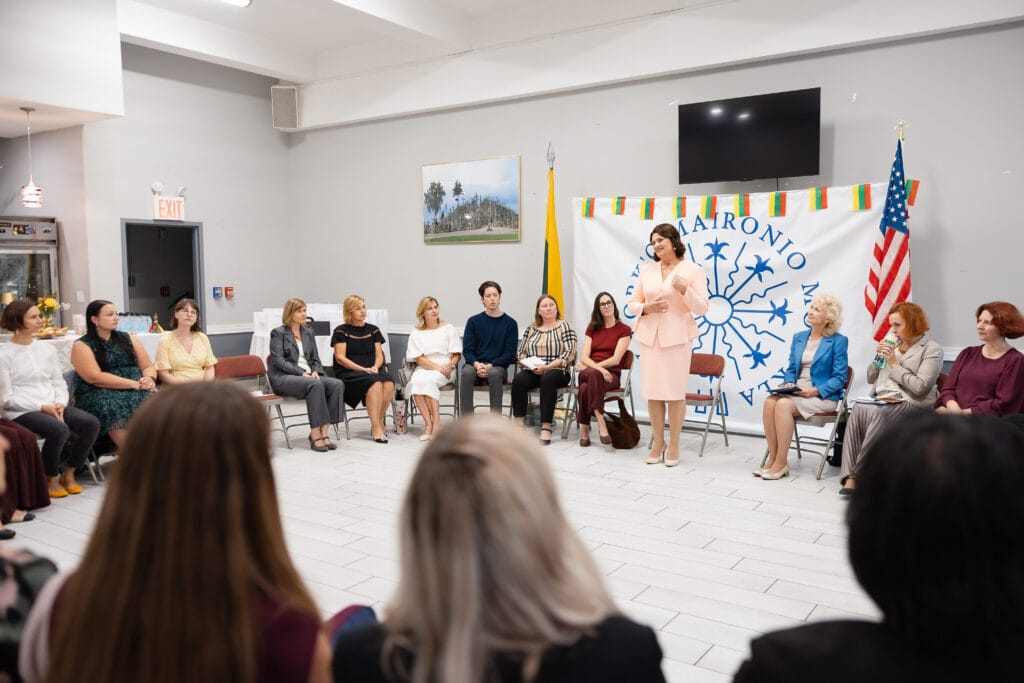
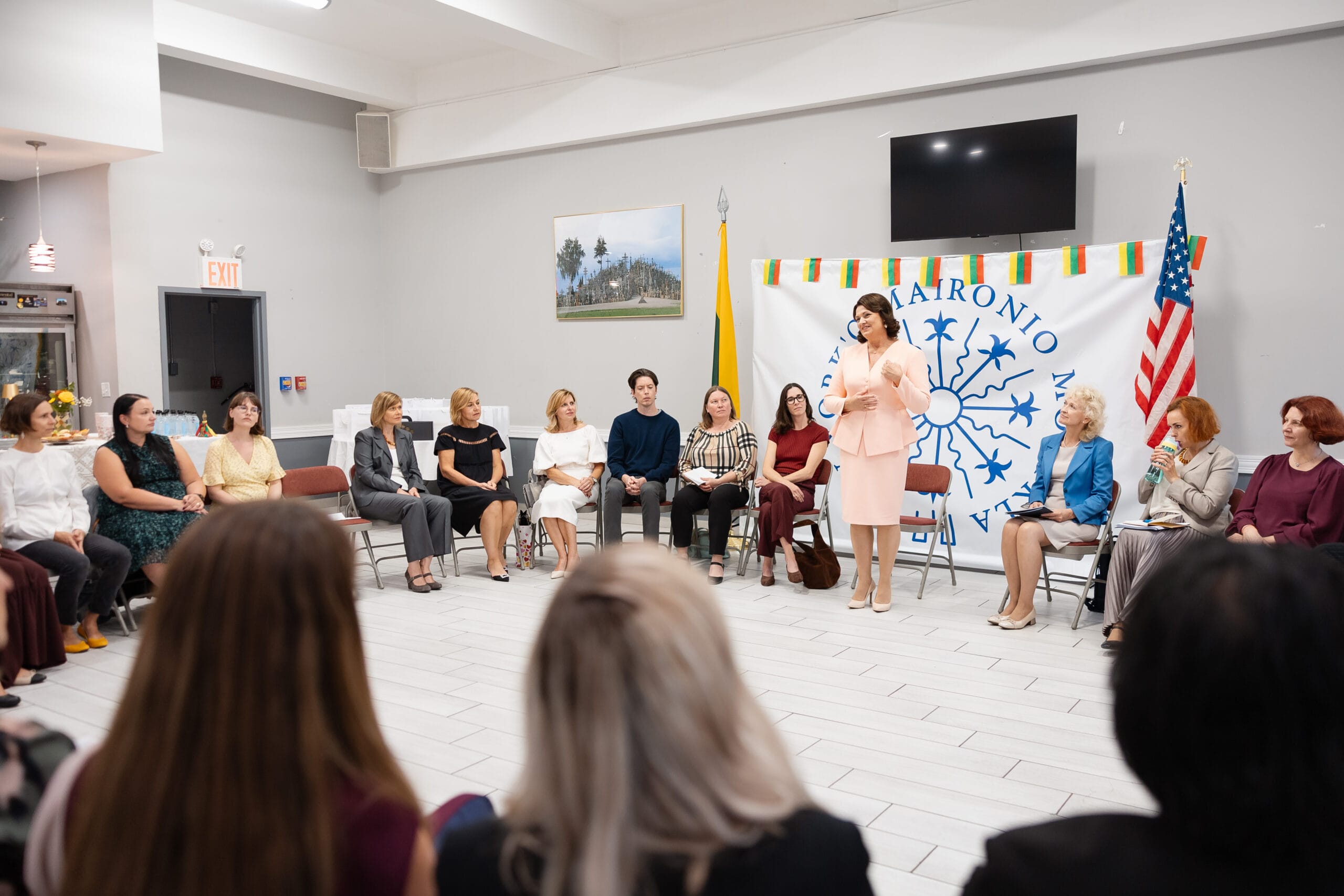
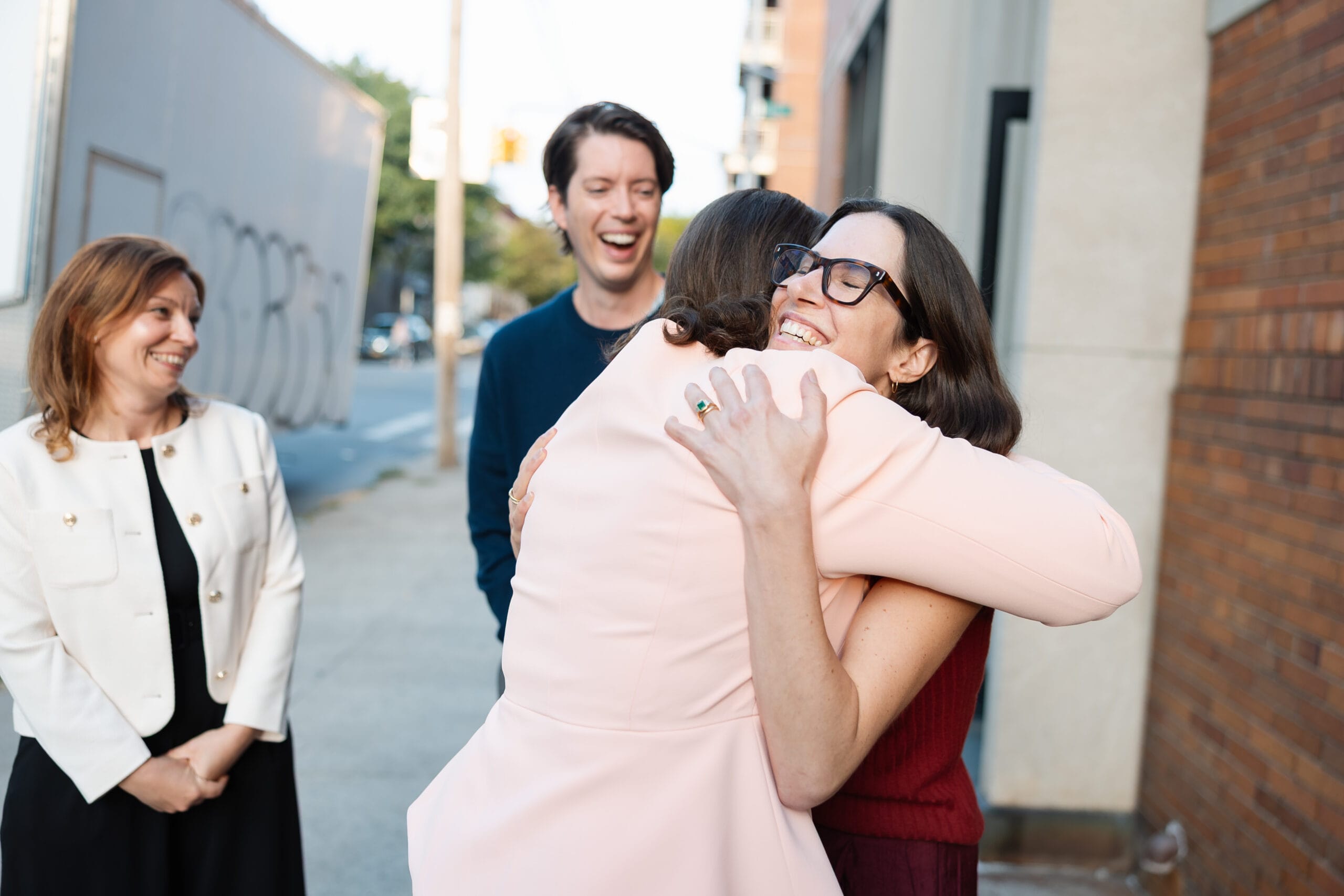
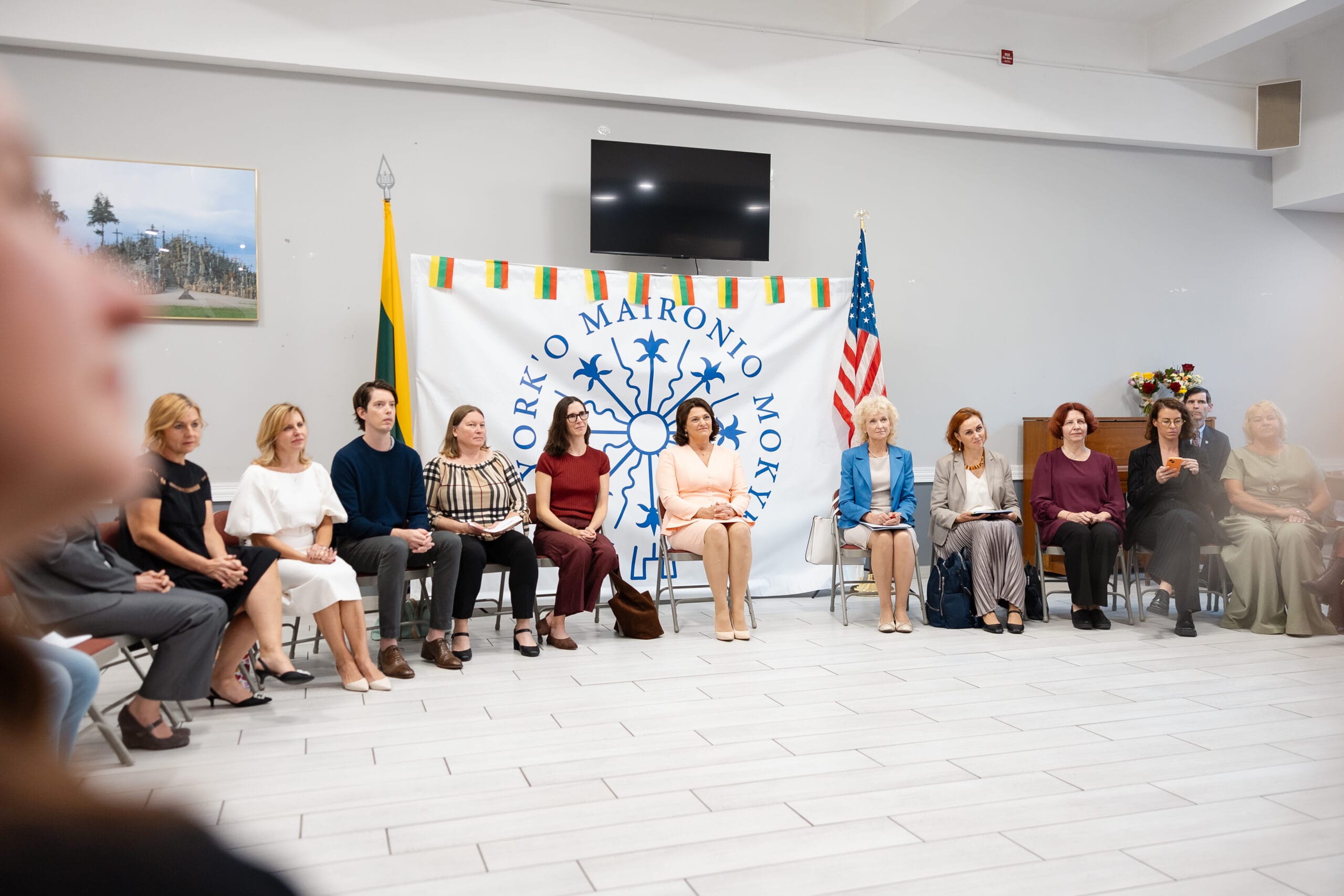
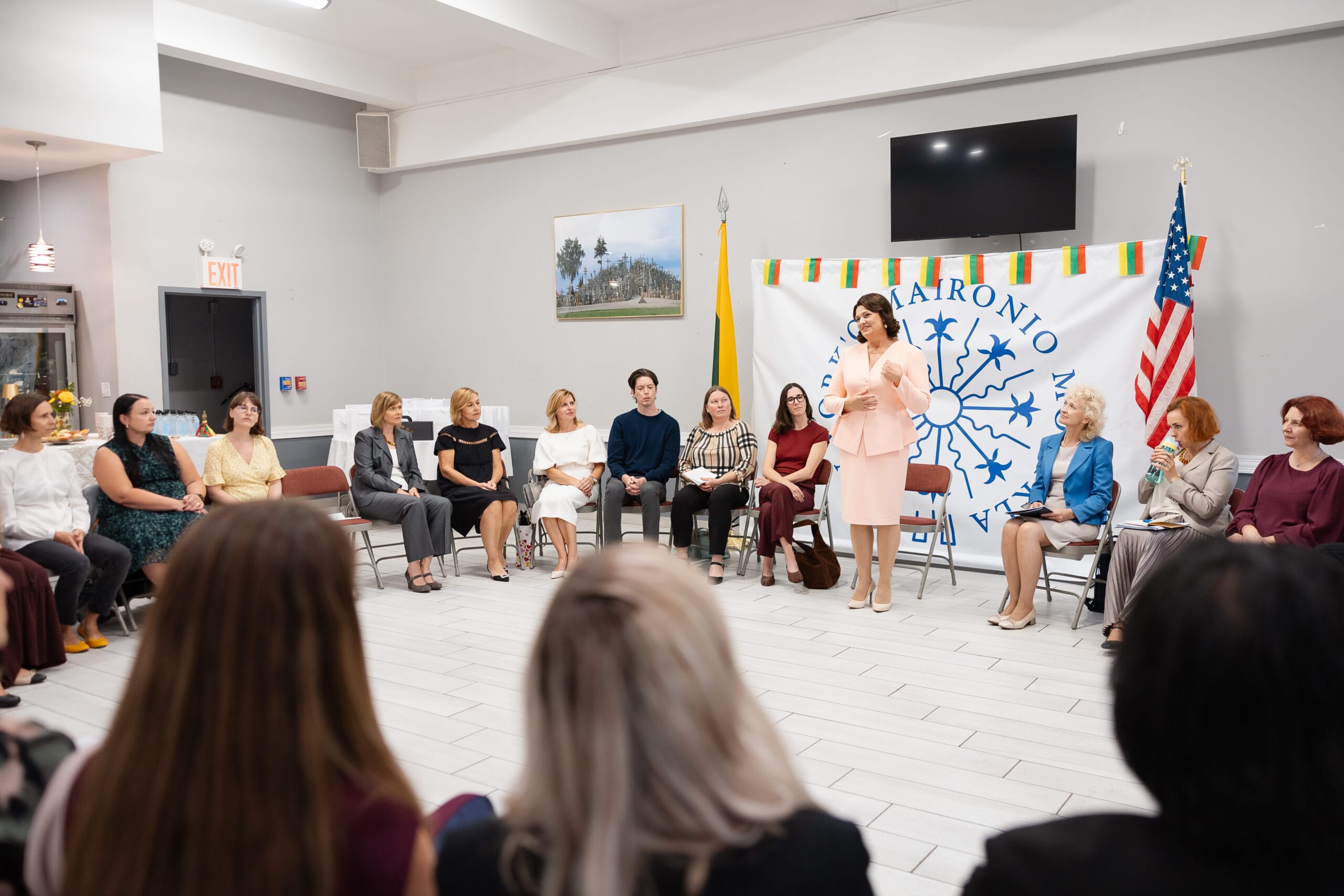
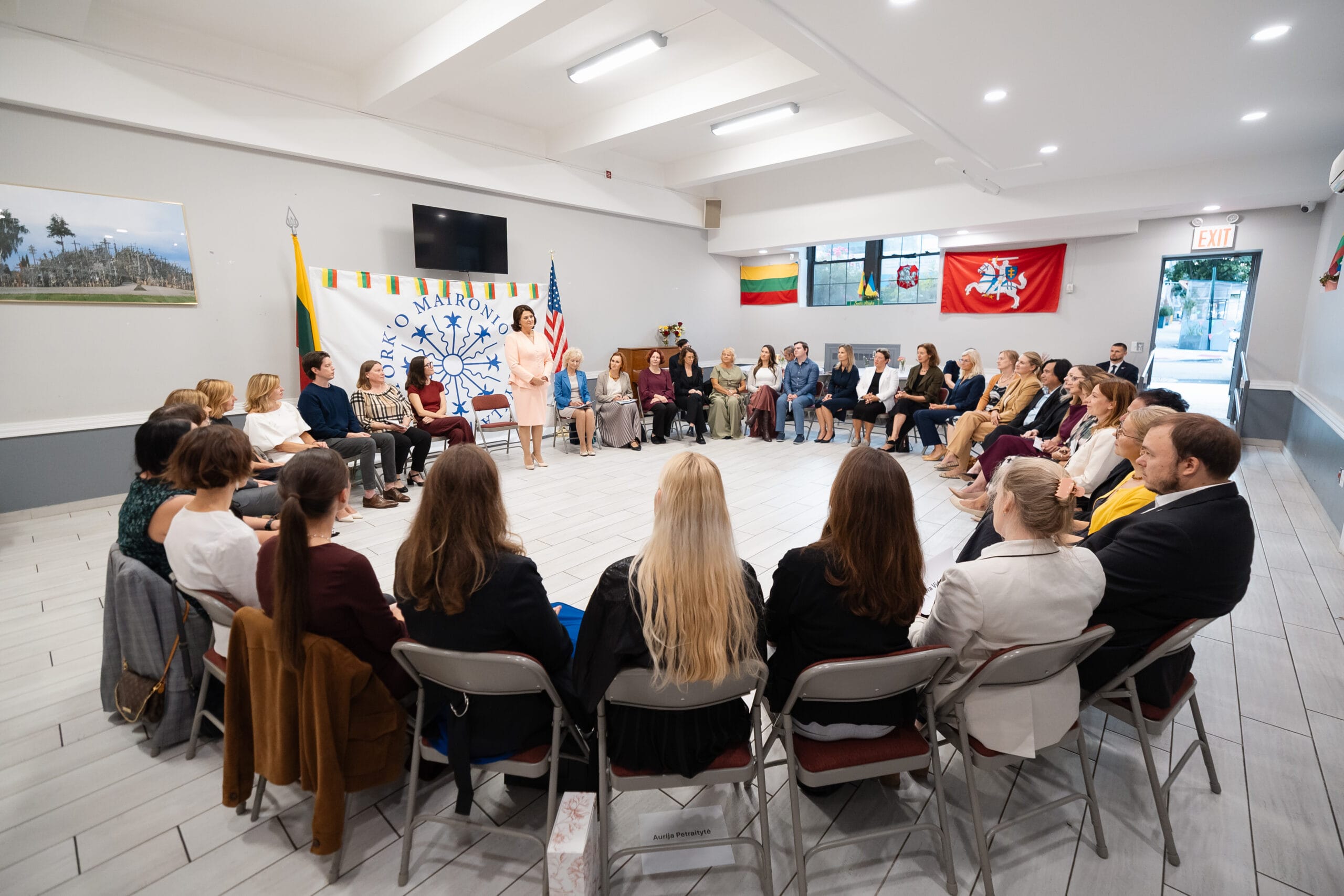
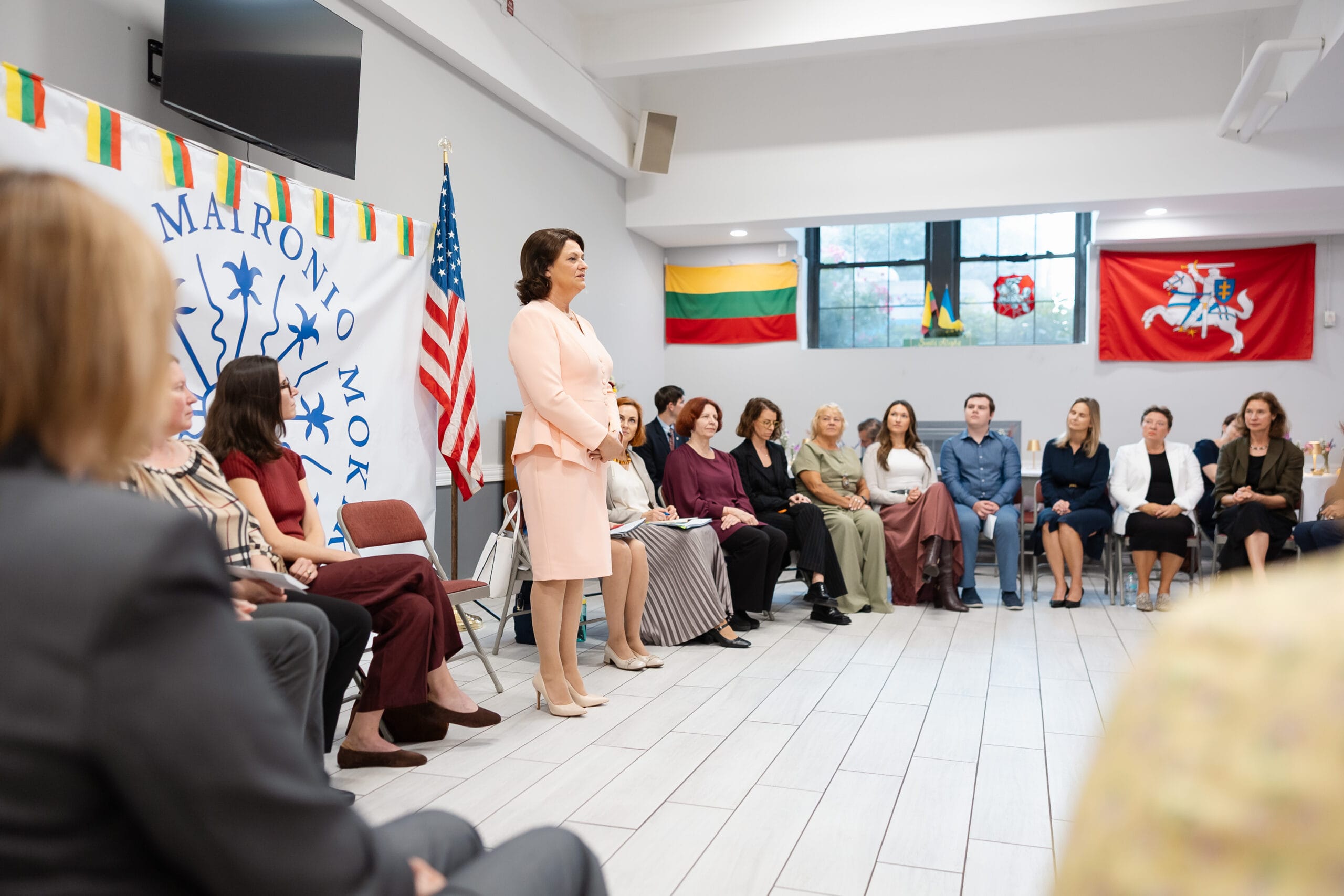
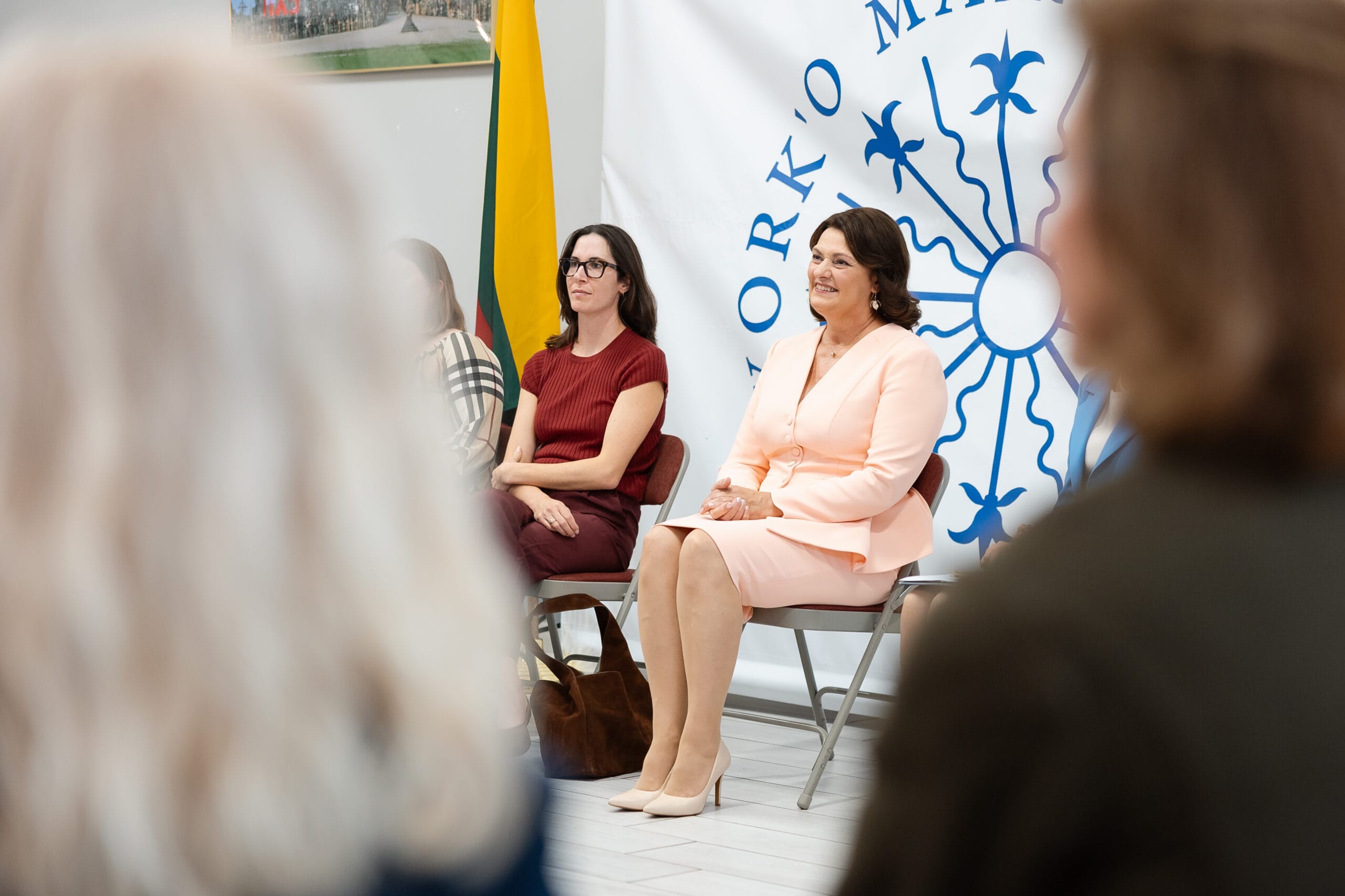
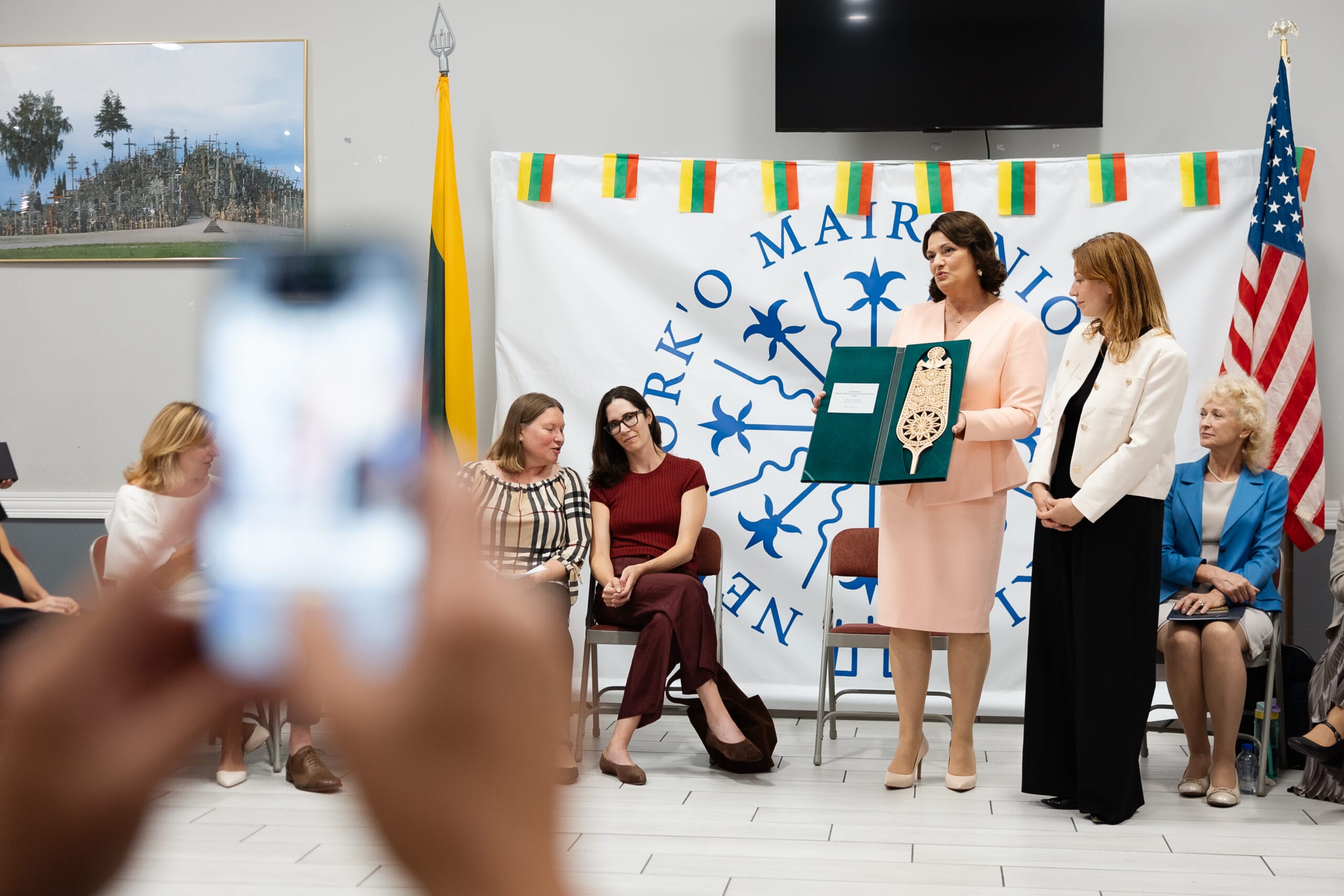
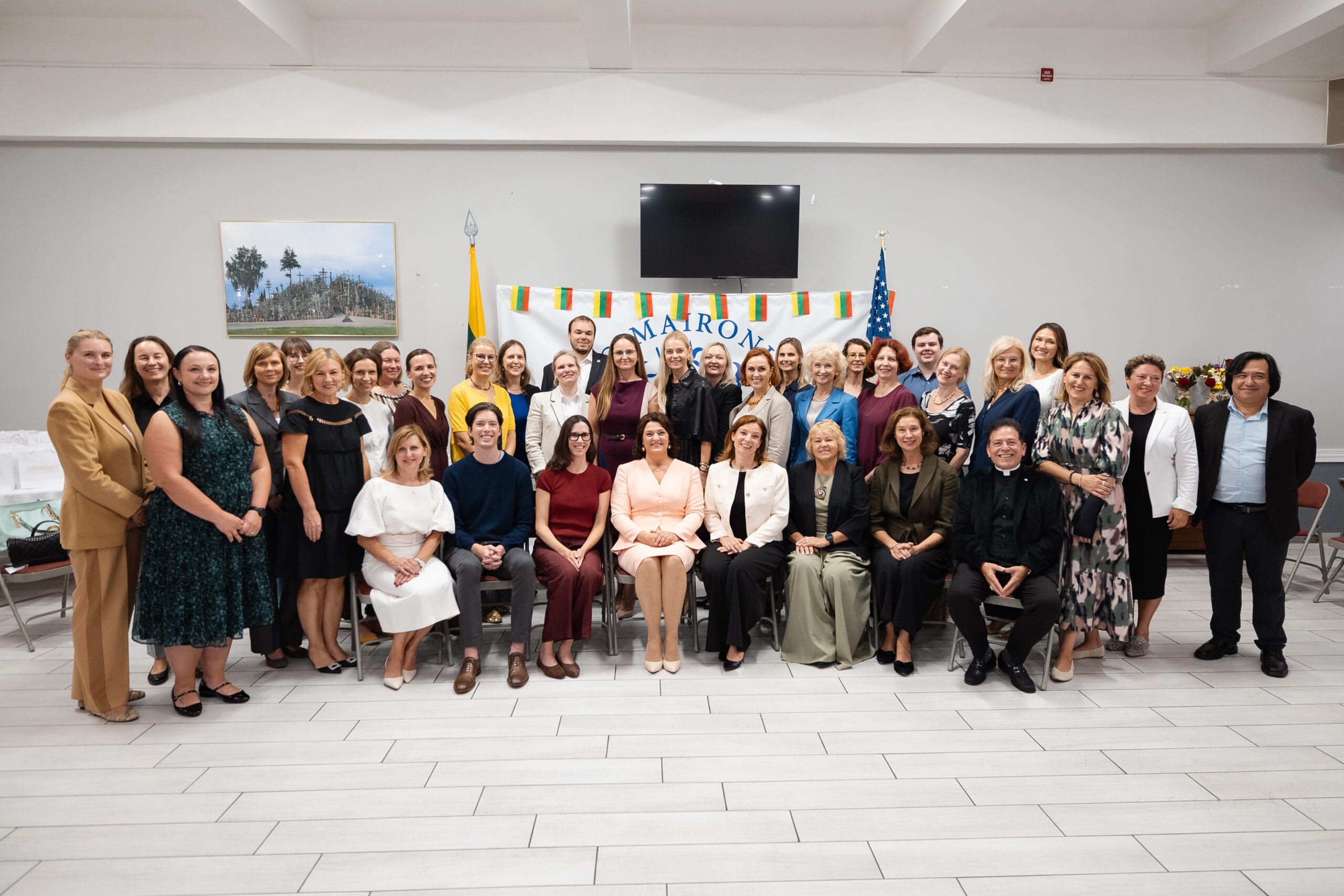
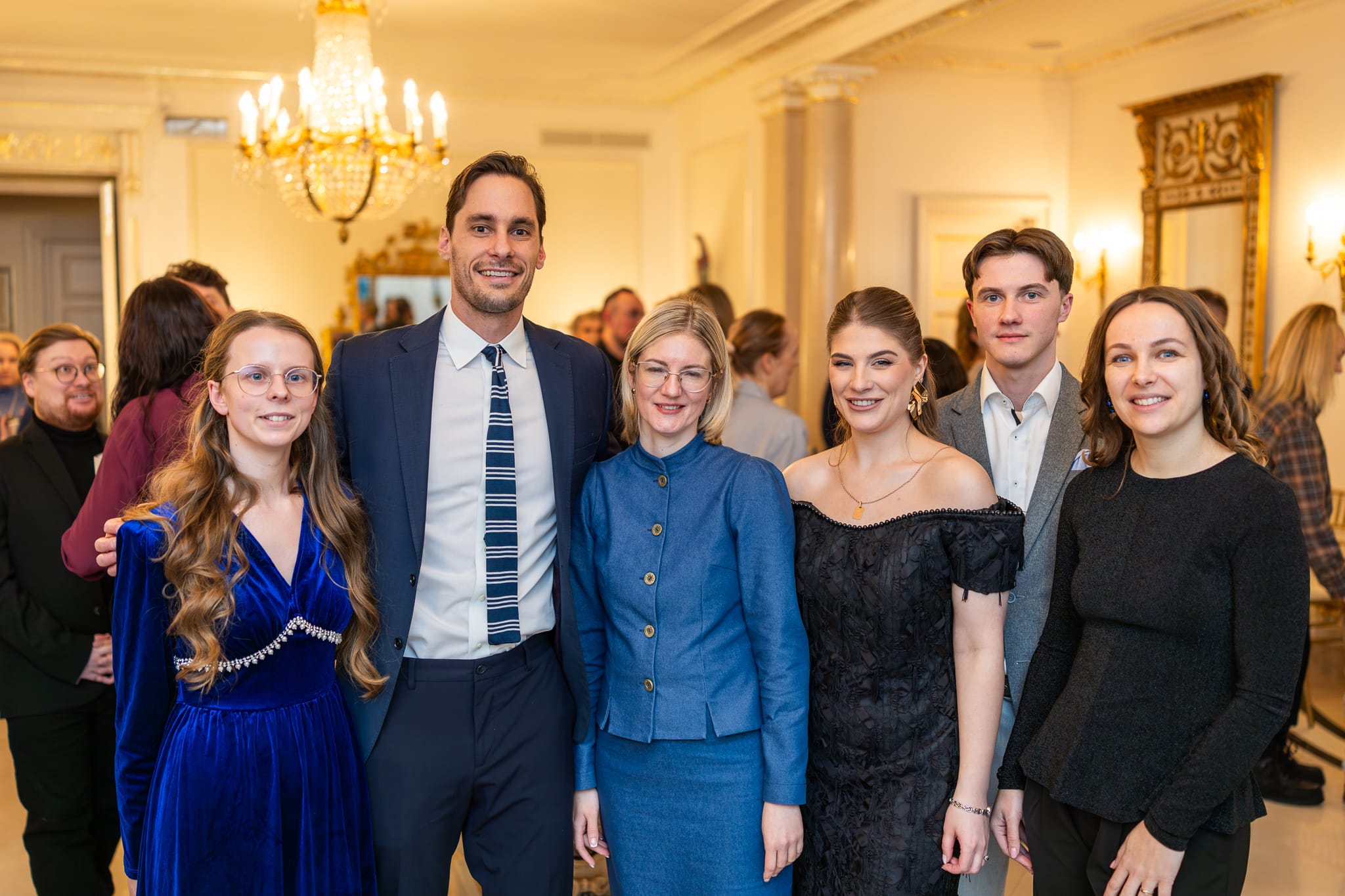
This week in New York, First Lady Diana Nausėdienė visited the Maironis Lithuanian School in Brooklyn, where she met with leaders and teachers of Lithuanian heritage schools on the East Coast, as well as Kazickas Family Foundation representatives Alex and Sophie Kazickas.

First Lady Diana Nausėdienė Meets Lithuanian Heritage School Leaders and the Kazickas Family in New York

The gathering brought together participants from the Maironis Lithuanian School (New York), the Aleksandra Kazickienė Lithuanian School (Long Island, NY), Vincas Krėvė Lithuanian School (Philadelphia, PA), Dr. Vincas Kudirka School (NJ), and the Lithuanian E-School for Adults.

The First Lady expressed her gratitude to the teachers for their dedication and commitment to educating the younger generation, preserving the Lithuanian language and culture, and building bridges between the past, present, and future. She also extended her sincere thanks to the Kazickas family for their long-standing commitment to Lithuanian education, their support of heritage schools and summer camps, their efforts to empower diaspora youth, and for initiating the Bring Together Lithuania program.

The A. Kazickas Grant Program (AKGP) has been in place since 2012. To date, KFF has provided over $1.5 million to support Lithuanian heritage schools across the U.S. Now entering its 28th year, the Foundation remains committed to fostering diaspora engagement and strengthening efforts for the benefit of Lithuania.

First Lady Diana Nausėdienė Meets Lithuanian Heritage School Leaders and the Kazickas Family in New York Read More »
Tautos Fondo stažuotojai

Meeting with Lithuanian National Foundation and KFF internship program interns

Meeting with Lithuanian National Foundation and KFF internship program interns

Tautos Fondas and the Kazickas Family Foundation continue their mission of connecting young World Lithuanians with meaningful experiences in Lithuania.

Tautos Fondo stažuotojai

Through the Tautos Fondas internship program, young Lithuanians from around the world—studying both abroad and in Lithuania—are invited to take part in 4–8 week internships at inspiring NGOs in Lithuania and receive a scholarship.

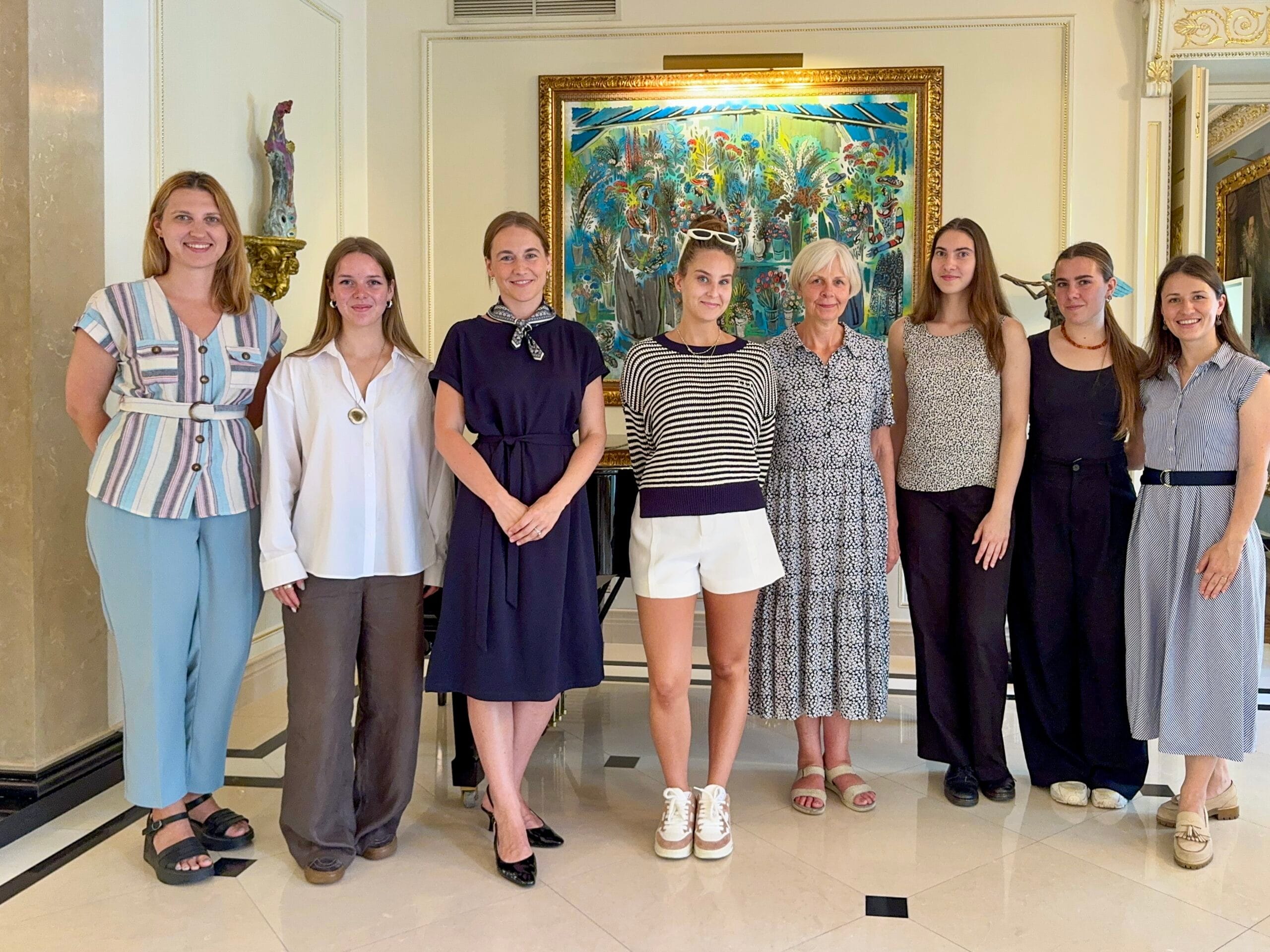
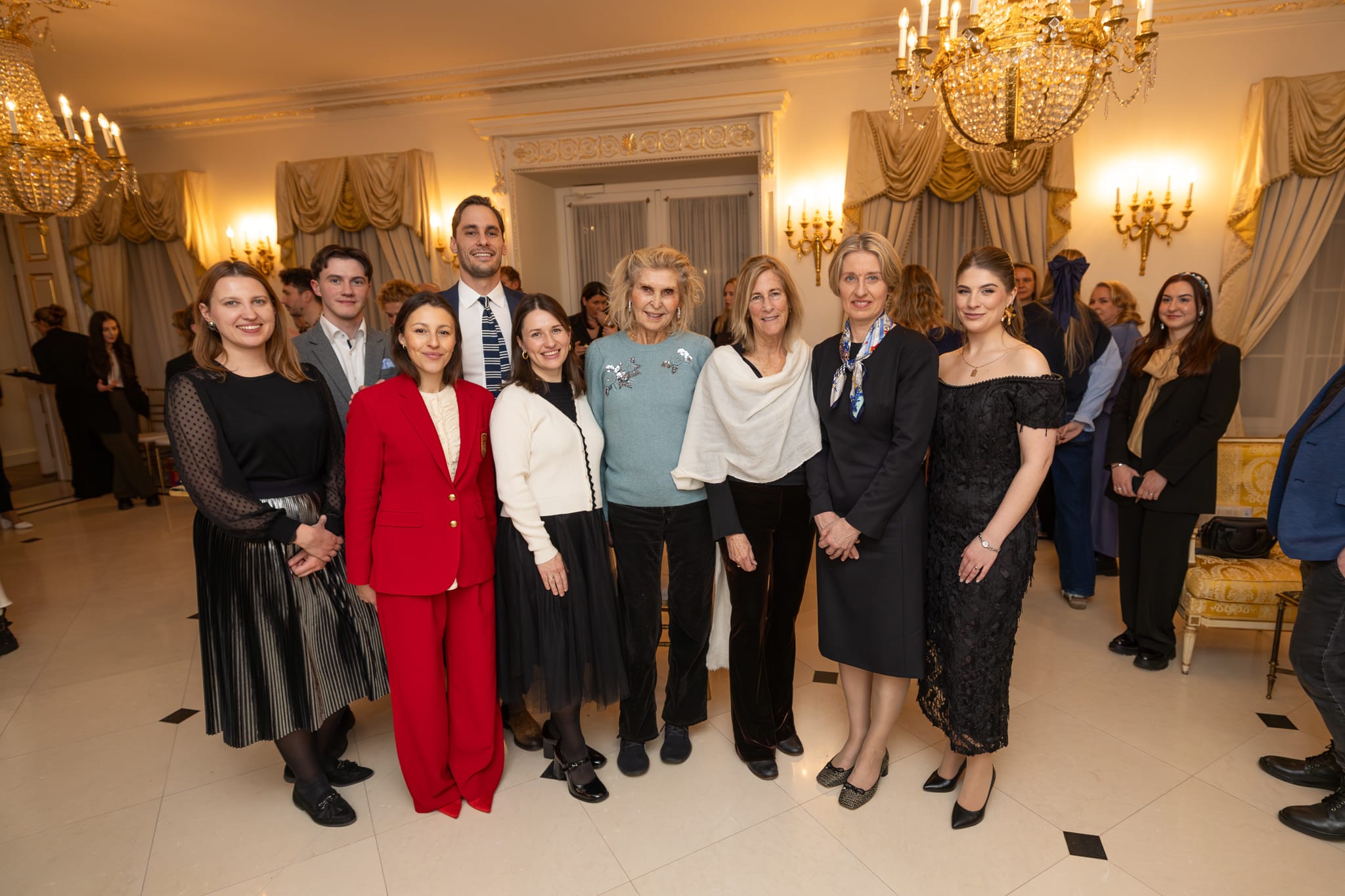
This summer, young World Lithuanians interning in Lithuania through the Tautos Fondas and Kazickas Family Foundation program gathered at the Kazickas Family residence.

The meeting was a wonderful opportunity to get to know each other, share first impressions from their internships at Lithuanian NGOs, including Bring Together Lithuania, Innovation Valley, Global Lithuanian Leaders, Lithuanian Culture Institute, Youth Affairs Agency, Center for Equality Advancement, Transparency International, Inconvenient Films, Lithuanian Centre for Human Rights, and LiJOT.

Interns shared their thoughts about motivation to contribute to Lithuania’s future, ideas for strengthening the program’s communication, and the importance of building a supportive community of interns and alumni.

Tautos Fondas is a Lithuanian diaspora charitable organization dedicated to fostering democratic development in Lithuania, preserving Lithuanian cultural identity and supporting youth education, and nurturing national identity.

Meeting with Lithuanian National Foundation and KFF internship program interns Read More »
Viltis Camp

Visit to “Viltis” Camp

Visit to "Viltis" Camp

The Kazickas Family Foundation and Uncommon.lt teams visited the 36th Independent Living Skills Camp in Klaipėda, organized by the Lithuanian Welfare Society for Persons with Intellectual Disabilities “Viltis”.

This year, the camp welcomed over 250 participants – people with intellectual disabilities, their family members, and volunteers.

Viltis Camp

The camp offers families an opportunity to change their environment, strengthen their bonds, provide meaningful activities for people with intellectual disabilities, develop social and communication skills, encourage inclusion in society, and most importantly, build a community where everyone is welcome.

Thanks to the support of volunteers, camp activities are inclusive for all people with various intellectual disabilities, their parents, caregivers, brothers, and sisters. Together, they learn, connect, strengthen relationships, and take a break from their daily routines.

The KFF team had the opportunity to visit the “Pasaka” campsite, see the activities in action, and explore the camp’s fair, where we purchased products made during the workshops.

We are sincerely grateful to “Viltis” for the long-standing partnership and the opportunity to contribute to this meaningful initiative.

Visit to “Viltis” Camp Read More »
The Closing Ceremony of Bring Together Lithuania 2025 – summer internship program for Lithuanian diaspora youth

The Closing Ceremony of Bring Together Lithuania 2025

The Closing Ceremony of Bring Together Lithuania 2025

This week at the Kazickas Family residence in Vilnius, we celebrated the Bring Together Lithuania 2025 closing event – a meaningful occasion marking the culmination of a six-week program initiated and supported by the Kazickas Family Foundation, organized by Bring Together LT organization.

The Closing Ceremony of Bring Together Lithuania 2025 – summer internship program for Lithuanian diaspora youth

This year, the program brought together 34 young members of the Lithuanian diaspora from the United States, Canada, Argentina, Uruguay, Bermuda, the United Kingdom, New Zealand, and various European countries.

One of the Kazickas Family Foundation’s core priorities is fostering strong connections within the global Lithuanian diaspora. Through Bring Together Lithuania, we create opportunities for young people to explore their roots, discover modern Lithuania, connect with its people, and engage in meaningful shared initiatives.

Since its launch in 2018, the program has provided participants with professional experience in leading Lithuanian companies and organizations, meetings with prominent figures from politics, business, and culture, and the chance to contribute to impactful projects. After successful completion, participants become Young Lithuanian Ambassadors, helping to strengthen the bond between the diaspora and Lithuania.

During the closing event, Program Director Kamilė Perminė and Kazickas Family Foundation Vilnius Office Director Domantė Howes presented participants with program certificates, Young Lithuanian Ambassador pins, and letters of appreciation to the program’s key partners.

We sincerely thank all participants, partners, and like-minded supporters who contribute to this mission and continue to inspire the next generation of Lithuanians around the world.

The program is also supported by the Lithuanian Foundation, the Ministry of Economy and Innovation, the Ministry of Foreign Affairs.


The Closing Ceremony of Bring Together Lithuania 2025 Read More »
Kazickas Family Foundation 2025 Grant Overview

Kazickas Family Foundation 2025 Grant Overview

Kazickas Family Foundation 2025 Grant Overview

In 2025, the Kazickas Family Foundation received over 70 grant requests from NGOs in Lithuania, the US, and the world.

A total of more than €700,000 was distributed to 62 organizations in Lithuania and the United States. Approximately half of the supported organizations were long-term partners, and the other half were first-time applicants in 2025.

Kazickas Family Foundation 2025 Grant Overview

Please note that we are no longer accepting grant applications for 2025.

The next opportunity to apply for funding will begin on November 1, 2025. Applications submitted at that time will be reviewed in January 2026.

Funding decisions are based on:

  • Alignment with priority areas: education, youth empowerment, social welfare, arts and culture, diaspora engagement, crisis response, and medicine
  • Information provided in the application or inquiry
  • Project budget and support from other sources

Since its founding, the Foundation has provided more than €17.5 million in total charitable support.

Details on grant eligibility and the application process: https://kazickasfamilyfoundation.lt/apply-for-grants/

Kazickas Family Foundation 2025 Grant Overview Read More »