How to Act in a Crisis: The Kazickas Family Foundation Organized a Practical Training Series for Partner Organizations
How would you respond if you received an emergency alert? Public surveys show that only 2 out of 10 people know the basic steps to take in such situations. In today’s context of growing security threats, preparedness and resilience are becoming increasingly important across all sectors. Knowing how to respond in emergencies is not only useful – it is essential, as it reduces fear, builds confidence, and contributes to a more resilient society.
Kazickas Family Foundation considers it important to support its partner organizations in strengthening organizational preparedness and understanding their role within the broader context of national security. For this reason, the Foundation organized a civic preparedness training series this spring for representatives of its partner organizations. More than 20 organizations from across Lithuanian cities and regions took part, including those working with youth, children, and other vulnerable groups.
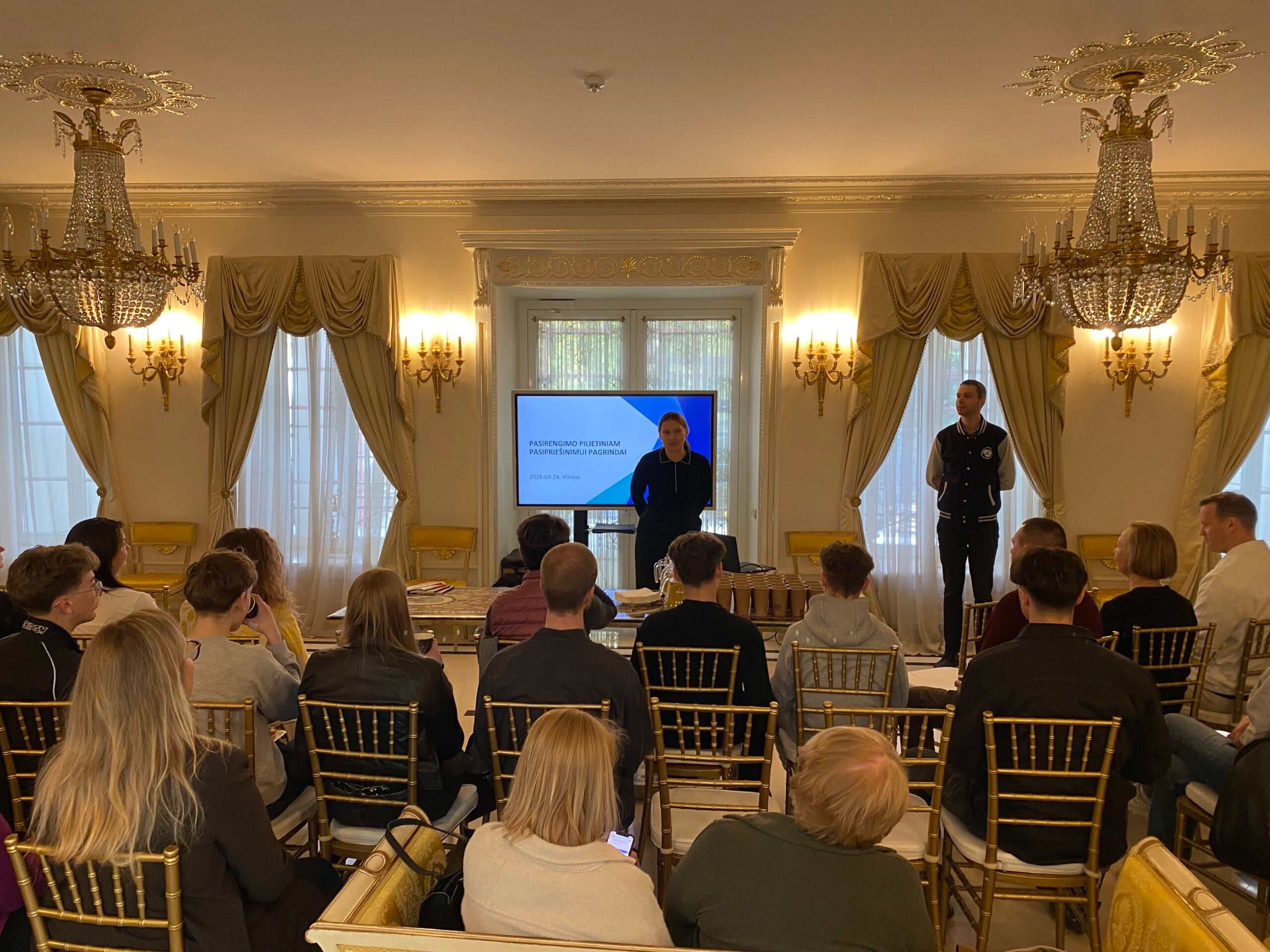
On April 24, 40 representatives from partner organizations attended a Civil Resistance Preparedness course organized in cooperation with the Ministry of National Defence of the Republic of Lithuania. The training focused strongly on practical readiness. Participants learned how to pack an emergency go-bag, assess which items are essential for the first 72 hours, use a tourniquet in the event of severe bleeding, and plan responses to unexpected situations while better understanding their responsibilities both as individuals and within their organizations. The course instructor also shared firsthand experience from Ukraine, emphasizing that preparedness is not about fear, but about caring for oneself, loved ones, and the community.
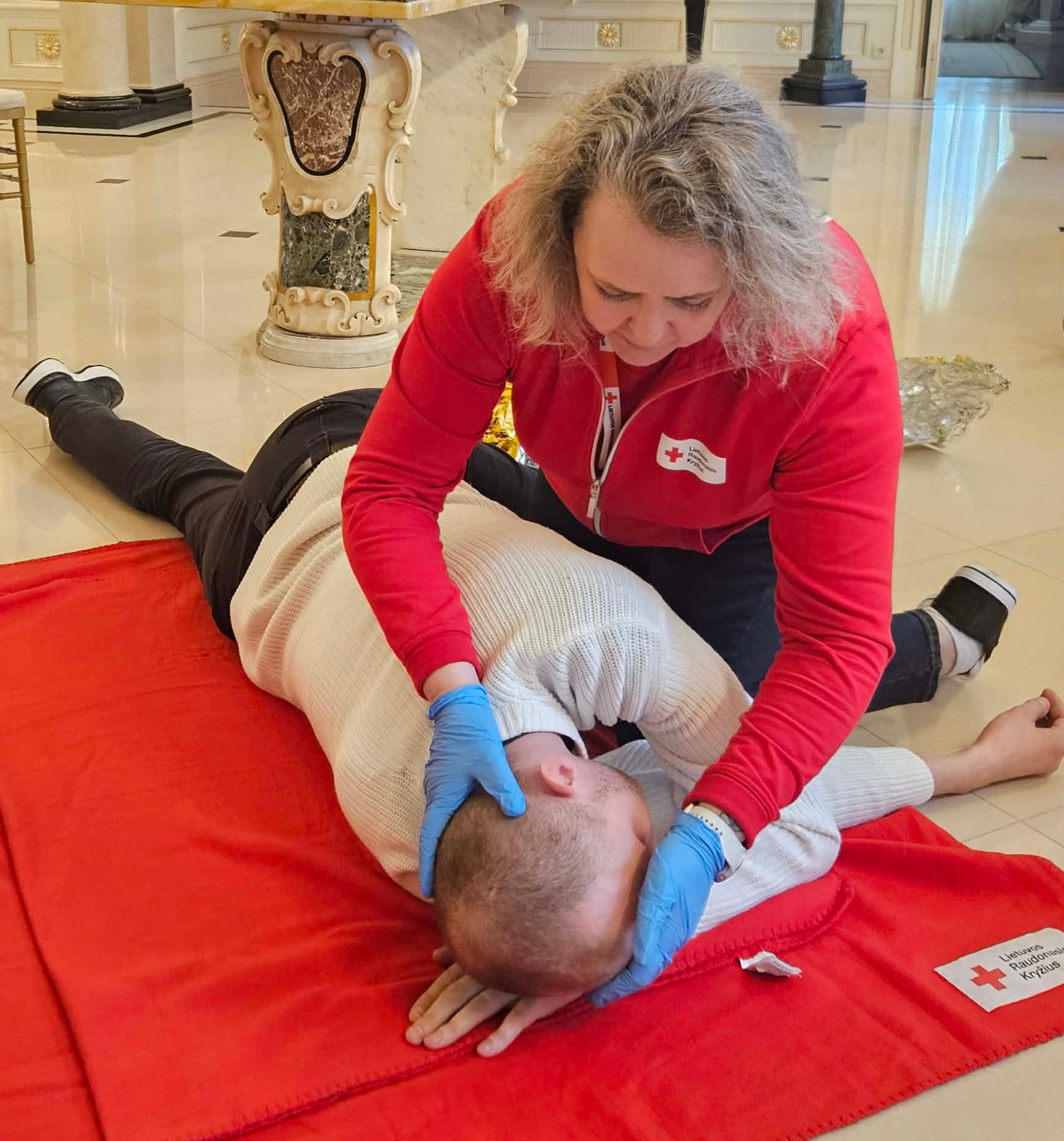
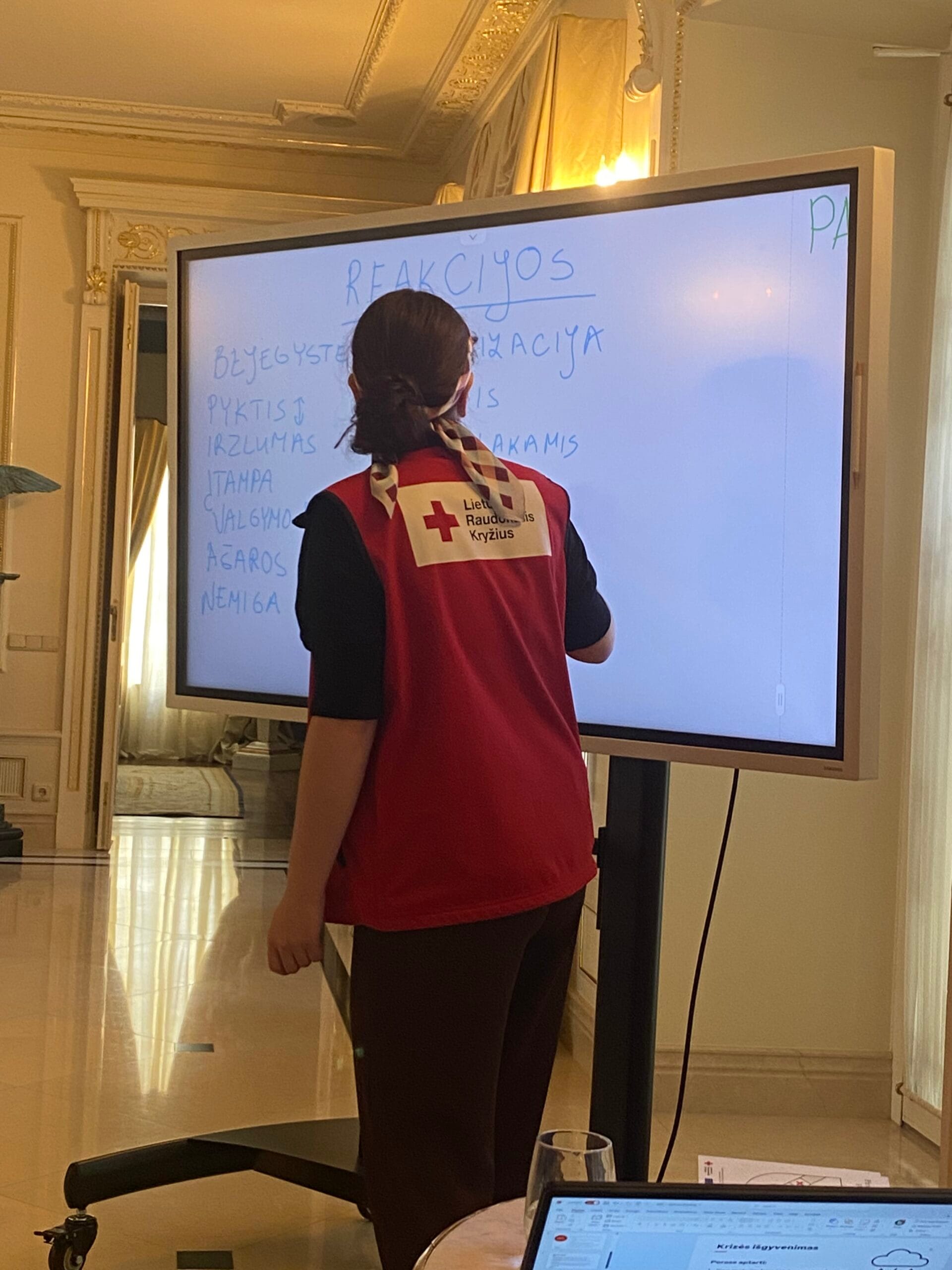
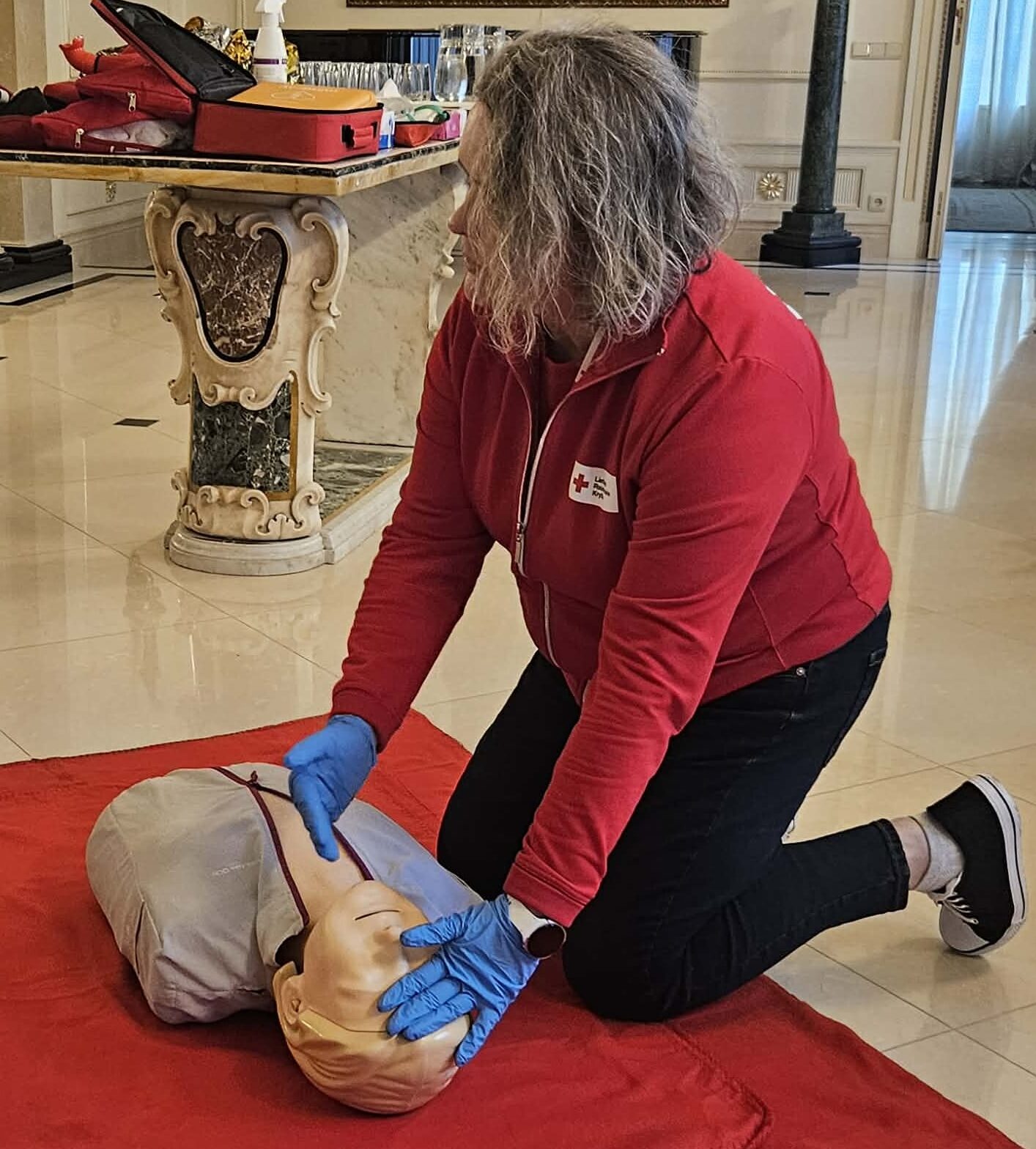
The training series continued in May in cooperation with Lithuanian Red Cross. On May 6 and 13, emotional support basics and first aid training sessions were held at the Kazickas Family Foundation residence, attended by 15 partner representatives.
Theoretical knowledge was combined with practical exercises and real-life scenarios. Participants learned how to provide first aid and support individuals experiencing severe emotional stress or shock by applying the methods introduced during the sessions. The training also covered ways to care for one’s own emotional well-being and practical techniques that can be applied in daily work. These skills are especially important for NGOs, which often become the first points of assistance in vulnerable communities.
Monika Zavistanavičiūtė, Acting Executive Director of the KFF in Lithuania, emphasized that in response to the current geopolitical situation and ongoing disinformation spread by hostile states, the Foundation is placing a strong focus in 2026 on security, civic resistance, critical thinking, and public awareness.
“Strengthening knowledge and competencies in these areas — both within our own team and by involving our partners — is an important part of our strategy this year,” said Zavistanavičiūtė. “This is why we have started closer cooperation with organizations such as the Ministry of National Defence of Lithuania and the Lithuanian Red Cross, which we see as among the most trusted partners in Lithuania for educating society about crises and preparedness for emergency situations.”