Educate, Not Ban: A Discussion at the Uncommon LT Anniversary
Artificial intelligence (AI) is increasingly becoming part of children’s everyday lives, while at the same time uncertainty among adults is growing – how to explain these technologies, how to limit them, and how to turn them into an educational tool rather than the shortest path to ready-made answers.
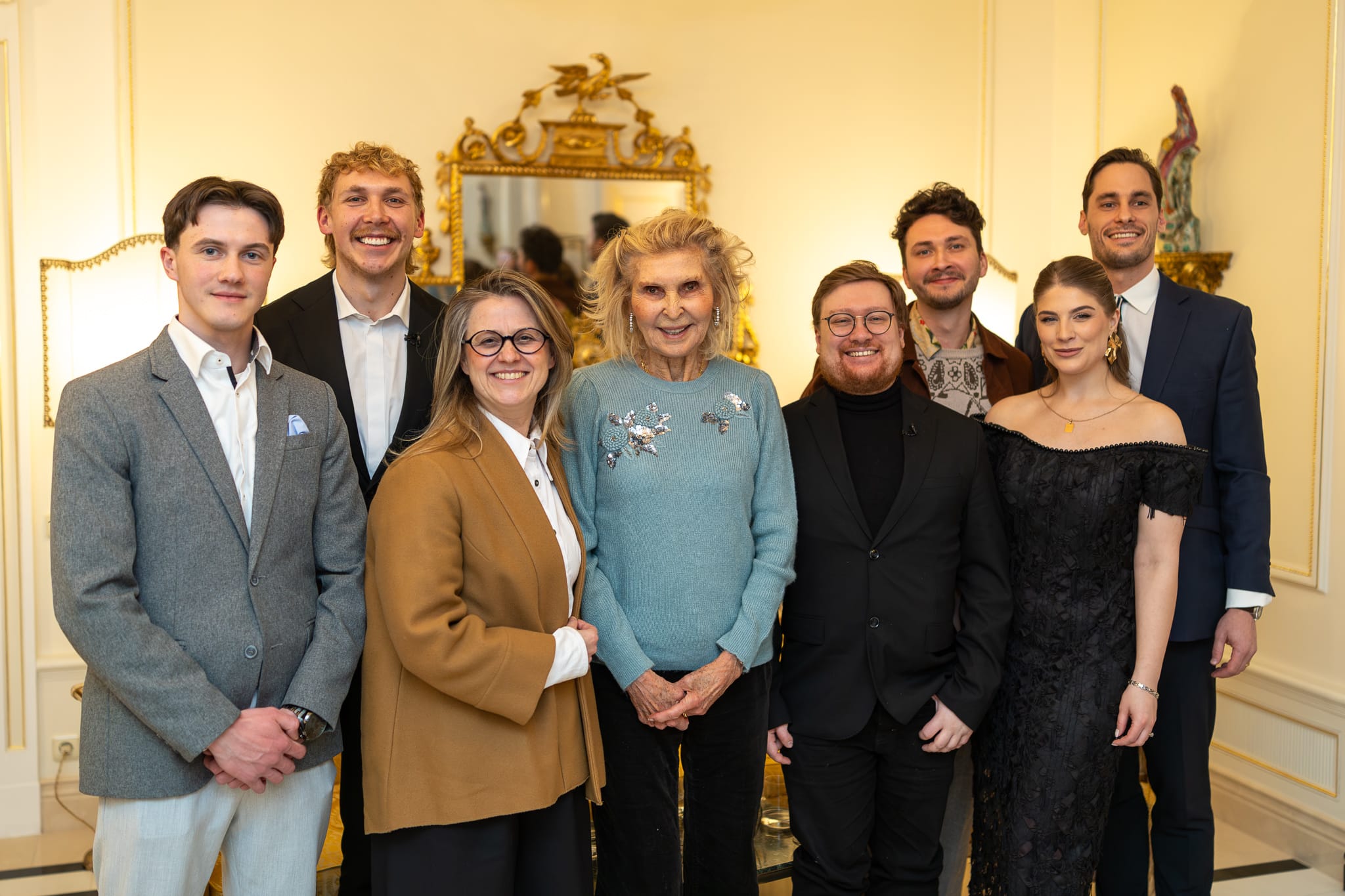
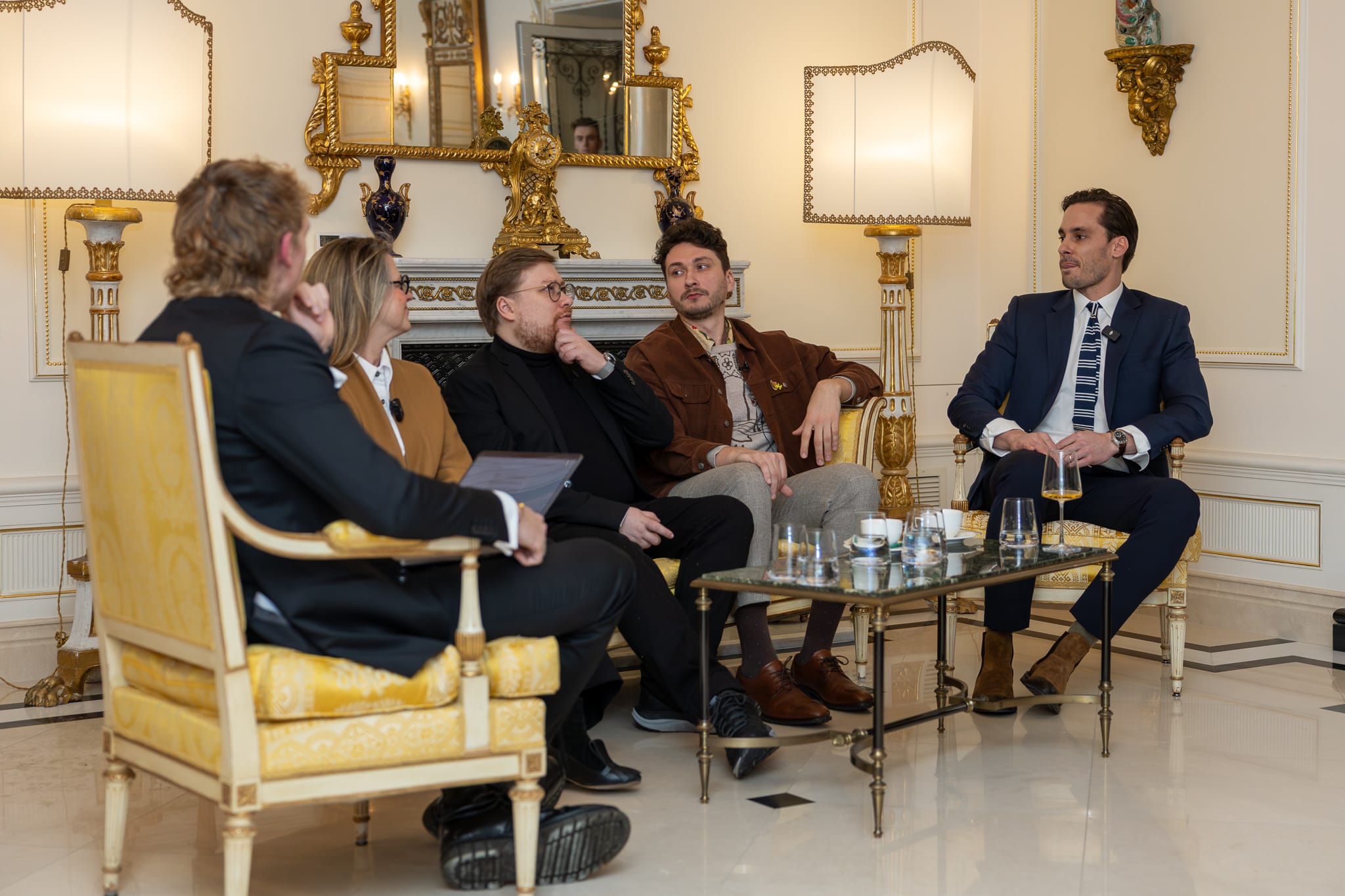
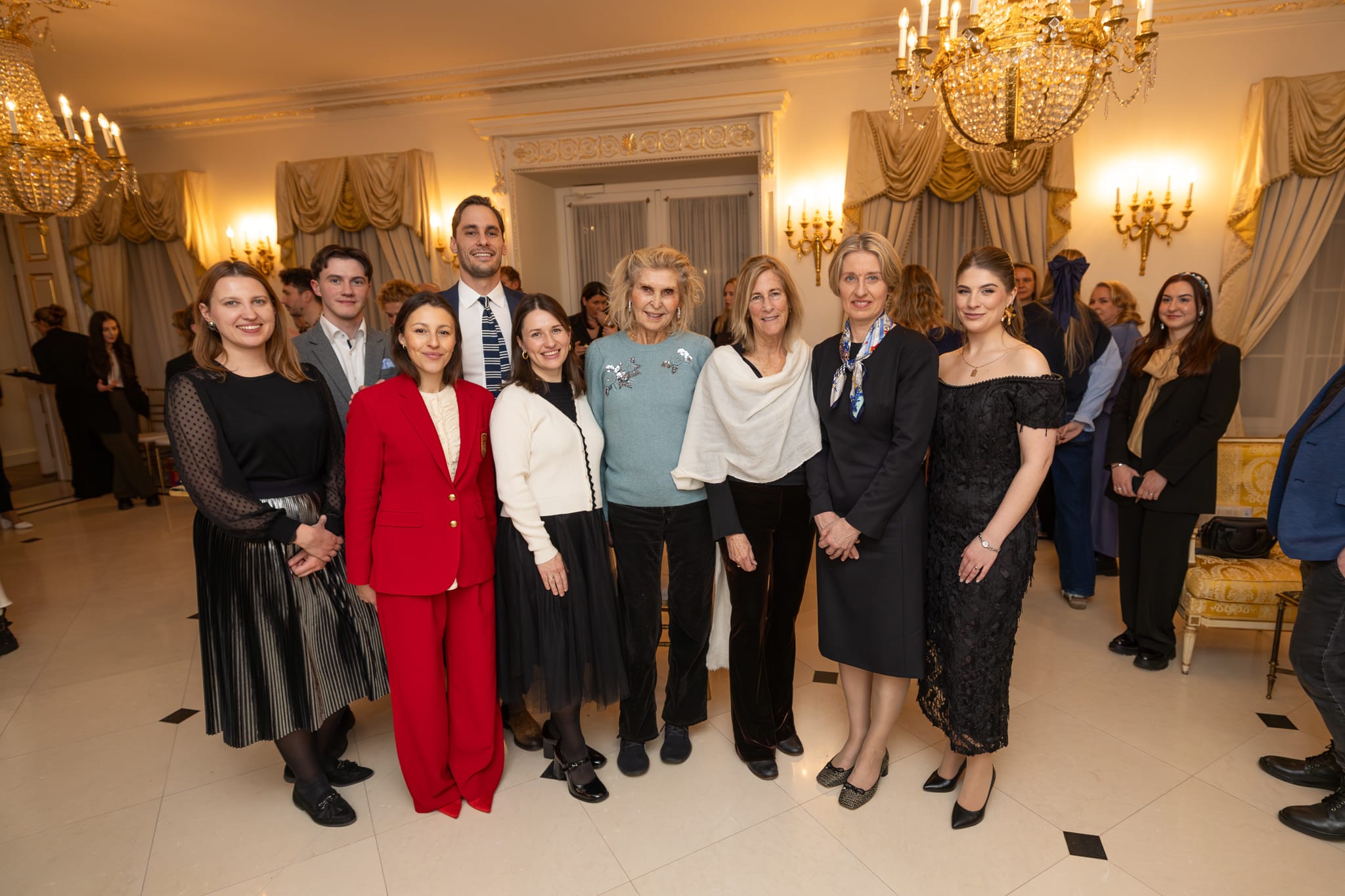
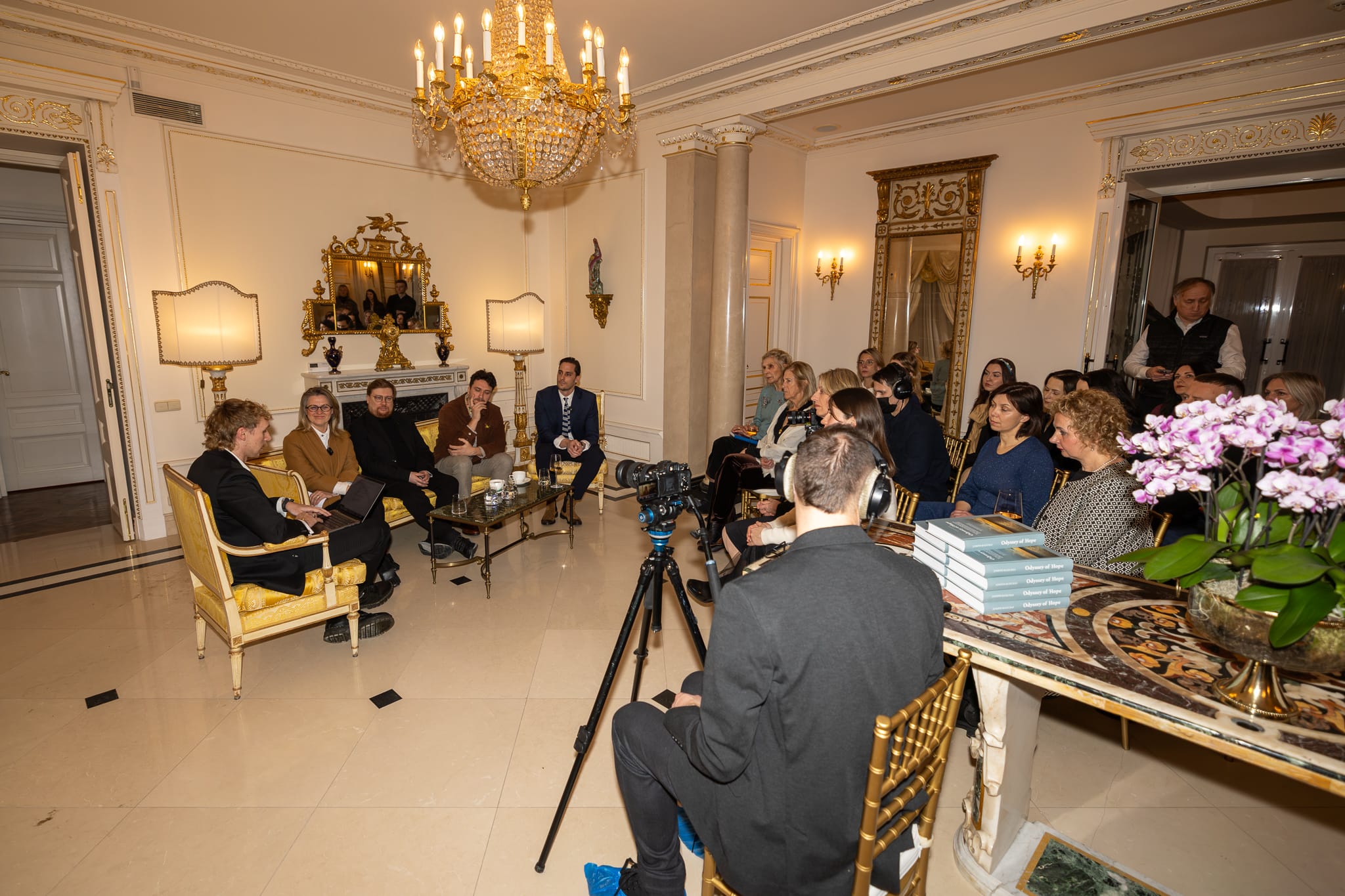
This topic received significant attention at the celebration of Uncommon LT’s fifth anniversary, during a discussion titled “How to Raise Children in the Age of Artificial Intelligence?” held in Vilnius at the Kazickas family residence. The event brought together more than 50 participants – parents, representatives of educational and non-governmental organizations, as well as technology-interested members and partners of the Uncommon LT community.
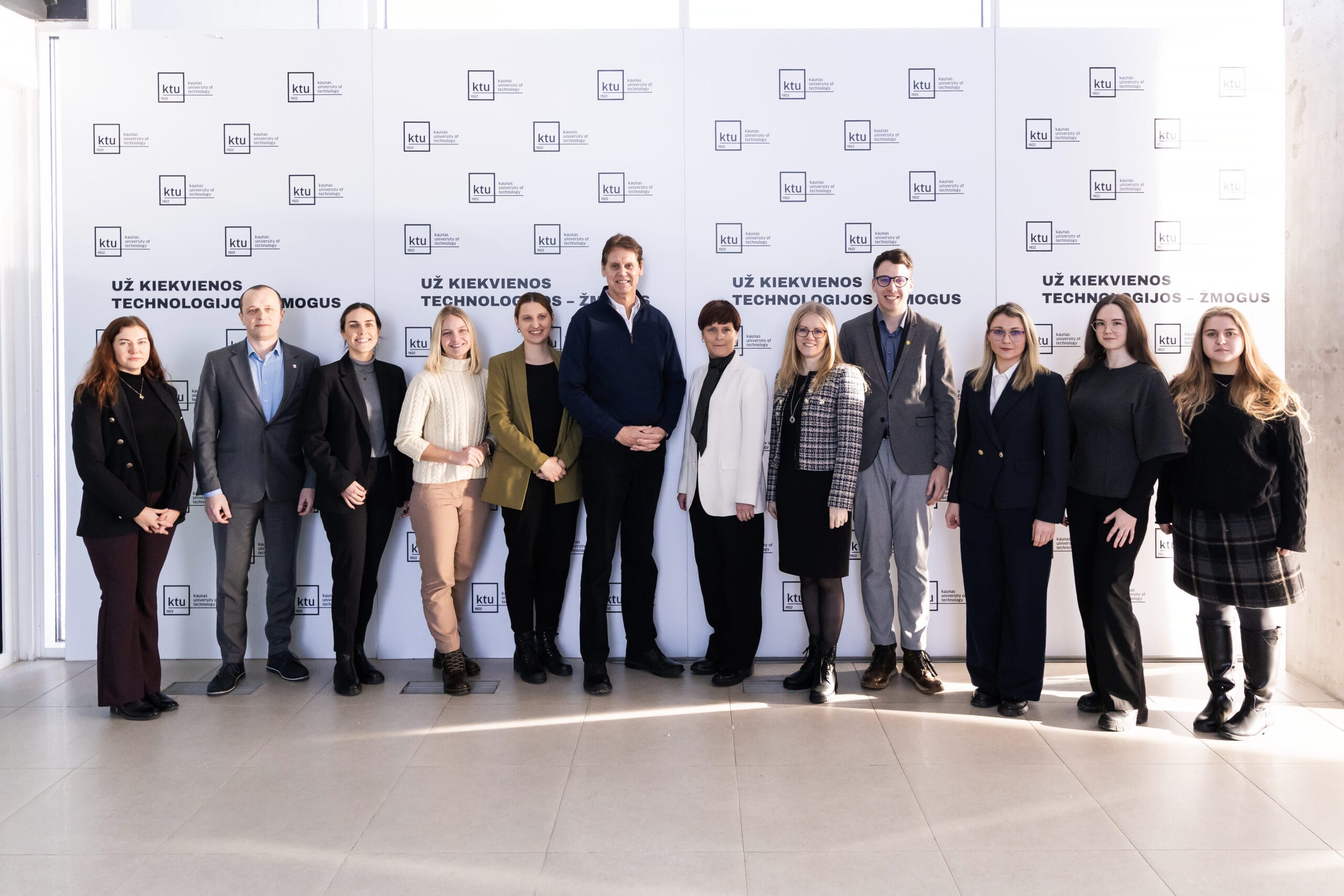
The discussion was moderated by political content creator Domantas Katelė. Participants included Uncommon LT founder Peter Kazickas; the hosts of the show “Du bitai”—Jonas Lekevičius, one of the founders of the Lithuanian Artificial Intelligence Association, and Lukas Keraitis, an IT educator and content creator; as well as Laura Daniusevičiūtė-Brazaitė, an associate professor at the Faculty of Social Sciences, Humanities, and Arts of Kaunas University of Technology.
AI has very quickly become part of children’s daily routines, yet clear principles for its use within families and educational settings remain confusing – from helping with learning or generating ideas to the temptation to “do homework” with just a few clicks. Today, the most important question for parents is not how to ban AI, but how to help children use it in ways that contribute to the development of critical thinking, independence, and self-confidence.
A key issue emerged during the discussion: the main risk does not stem from the technology itself, but from how adults use and regulate it. The idea was voiced that AI is increasingly shaping attention, behavior, and even values, which makes critical thinking for children not only an academic skill, but also an essential counterbalance in a rapidly changing information environment.
Why was this topic chosen for the Uncommon LT anniversary discussion?
The idea for the discussion arose from a practical need that the Uncommon LT team constantly encounters while working with parents, teachers, and training participants. In these situations, two opposing positions often become apparent – either a complete ban on technology or total passivity, leaving children to deal with it on their own.
Instead of extremes, the discussion emphasized the need for a more balanced approach – one based on understanding, practical skills, and a community where it is possible to openly talk about the rapidly changing technological environment and the importance of critical thinking.
This approach is directly linked to Uncommon LT’s mission: to provide inclusive, experience – and evidence-based education that develops both technical and social skills and strengthens self-confidence. Although technologies are changing extremely fast, the discussion highlighted that the human ability to learn, think critically, and create meaningful solutions remains a fundamental component.
The Role of Parents in the Age of Artificial Intelligence
The participants agreed that the first steps begin at home – with clear agreements, open conversations with children, and the ability to critically evaluate information together.
It is important not to look for quick answers, but to encourage the learning process itself: asking questions, doubting, and understanding how technologies influence everyday decisions.
When talking about artificial intelligence and children, the discussion stressed that the key issue is not the technologies themselves, but their impact. Unlike previous tools, AI not only provides information but also selects and structures it, often offering a single “best” answer.
This poses challenges for education and for the role of parents—how to raise independently thinking children in an environment where answers are available instantly and attention is increasingly shaped by algorithms. In the Lithuanian context, critical thinking takes on an even broader meaning—it is understood not only as part of education, but also as an important civic competence.
Therefore, the discussion emphasized that the question is not whether children should use artificial intelligence, but how to set boundaries and ensure that technology supports learning without replacing the thinking process itself.
About Uncommon LT
Uncommon LT is a practical education program focused on technology, artificial intelligence, and soft skills, designed for people of different ages who seek to strengthen their competencies in a rapidly changing world. The program is run by a two-person team—program director Ieva Klungytė and project manager Matas Meškauskas. Its activities are based on experiential learning, support for individual growth, and structured training modules covering both technical and social skill development. The Kazickas Family Foundation initiated and is the main supporter of the program.
By working with young people, adults, and seniors, the Uncommon LT team aims to help participants acquire practical skills, strengthen self-confidence, and better navigate the future labor market. The organization’s goal is to contribute to the growth of a technologically literate and resilient society, ensuring that AI tools are understandable and accessible to everyone, and that learning translates into real opportunities.