Power of Gratitude: The Legacy of the Kazickas Family
The beginning of a new year often invites reflection on what truly creates meaning – in personal relationships, communities, and society as a whole. Gratitude, often perceived as a personal attitude or emotional response, became something far deeper in the story of the Kazickas family – a guiding life philosophy and a foundation for long-term action. What began within the family naturally evolved into philanthropy and, eventually, into nearly three decades of systematic work through the Kazickas Family Foundation.
Value Behind the Mission
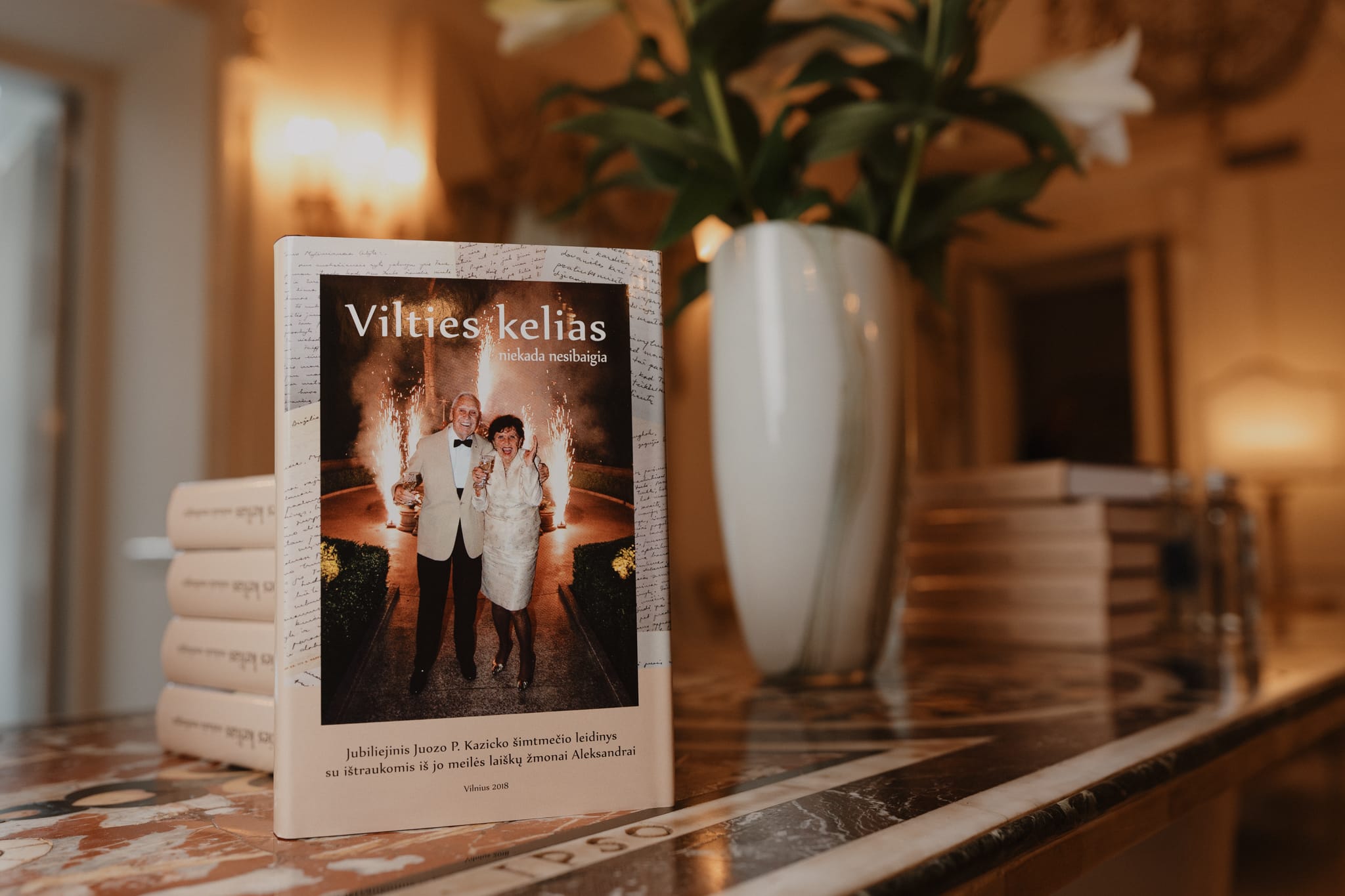
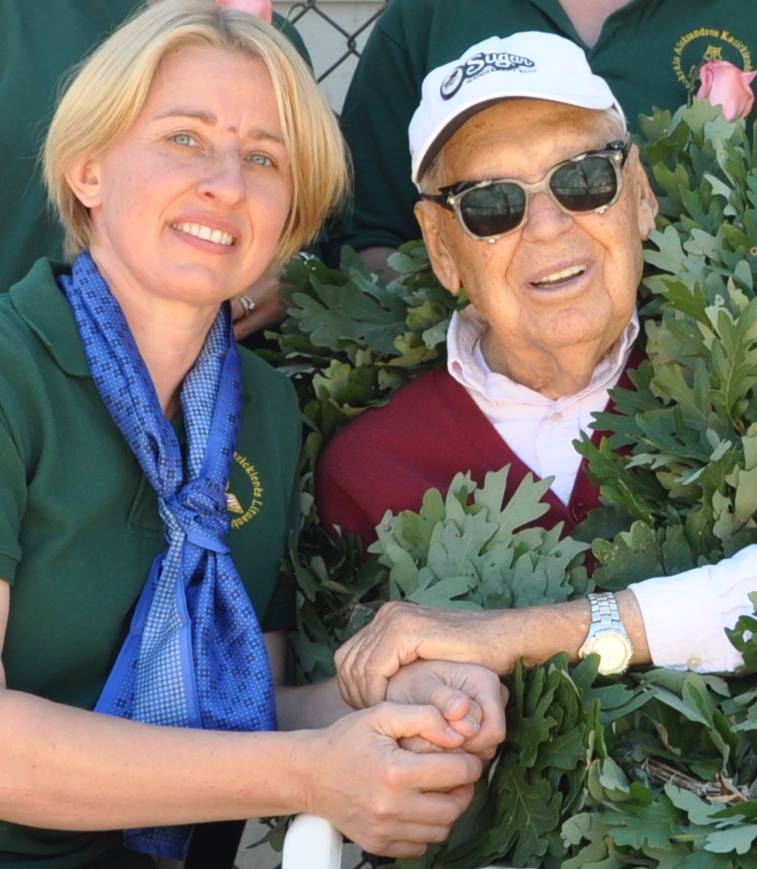
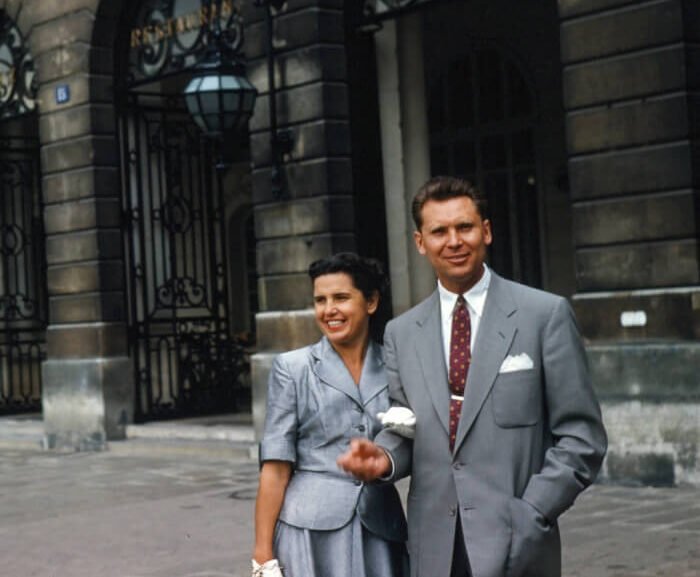
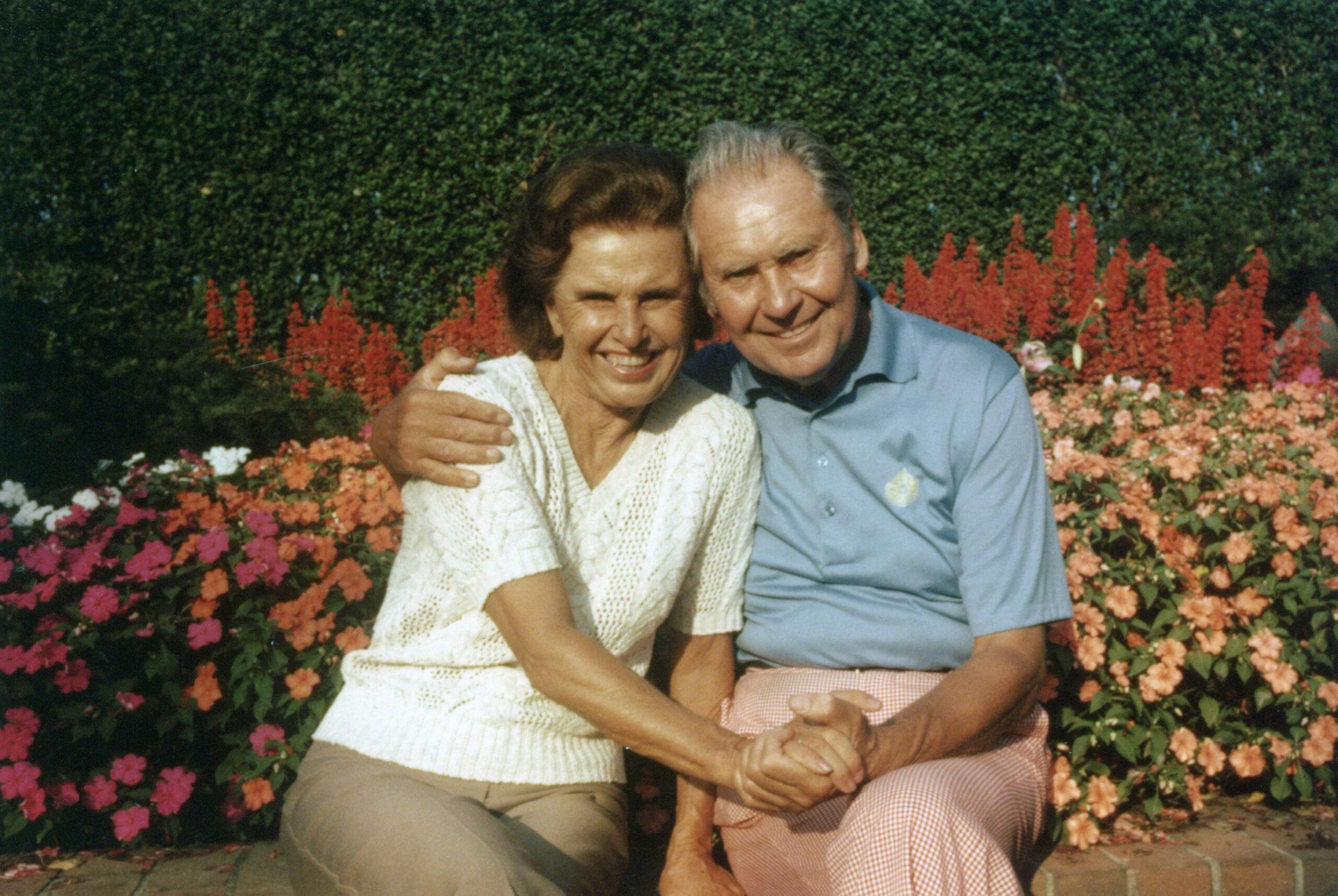
In the life of Dr. Juozas P. Kazickas, gratitude was not a passing feeling or a one-time reaction to success. It was a daily practice, expressed through relationships, work, and conscious choices. This is clearly reflected in the letters he wrote to his wife, Alexandra, over many decades.
In the 1950s, while staying at the Hotel Ritz in Paris, Dr. Kazickas wrote to his wife on the occasion of Mother’s Day:
“Alyte, this Sunday is Mother’s Day, and since your little ones are still too young to understand its meaning, I wish to represent them by expressing our boundless love for you (…) and our gratitude beyond words.”
In these letters, gratitude is never abstract or declarative – it is personal, specific, and grounded in everyday life. Alexandra Kazickienė captured this simply and precisely in her diary in 1955:
“My husband loves me very much. And what is wonderful is that when he travels, I receive extraordinarily beautiful letters from him – full of love, sincerity, appreciation, and happiness in being together with me.”
In the Kazickas family story, gratitude became more than an emotional bond. It formed a value-based backbone that sustained closeness, trust, and unity even through long separations, war, and emigration.
From Personal Relationships to Philanthropy
Neila Baumilienė, Director of the New York Office of the Kazickas Family Foundation, believes this mindset naturally extended beyond the family into a broader sphere of action. Juozas P. Kazickas sincerely believed that life owed him nothing:
“Everything he had was a gift of life, a loan from God – his wife Aleksandra, five children and eleven grandchildren, good health and freedom, friends around the world, and countless opportunities to work and do good.”
According to her, gratitude was closely linked to his sense of happiness and success:
“Gratitude became a habit.”
This habit manifested itself in handwritten letters and postcards, personal attention to others, generosity, and an openness to sharing time, space, and opportunities. For him, gratitude was not an abstract idea, but a force in action – one that, as he firmly believed, always returned.
Juozas P. Kazickas often referred to this phenomenon as a “magnetic field” of gratitude:
“When you give, it comes back with dividends – relationships, trust, opportunities. He learned to work with this special law of attraction and benefited from the effects of gratitude throughout his life,” says Neila Baumilienė.
In 1998, after successfully selling Omnitel, the first mobile telecommunications company he founded in Lithuania, Juozas P. Kazickas established the Kazickas Family Foundation. A deeply personal value thus became a structured philanthropic mission.
Today, the Kazickas Family Foundation (KFF) is the largest private philanthropic organization in Lithuania. For more than two decades, it has been creating long-term impact in education, social inclusion, technology, and healthcare. Over the course of its work, KFF has distributed nearly USD 18 million in support and continues to seek new ways to strengthen its impact.
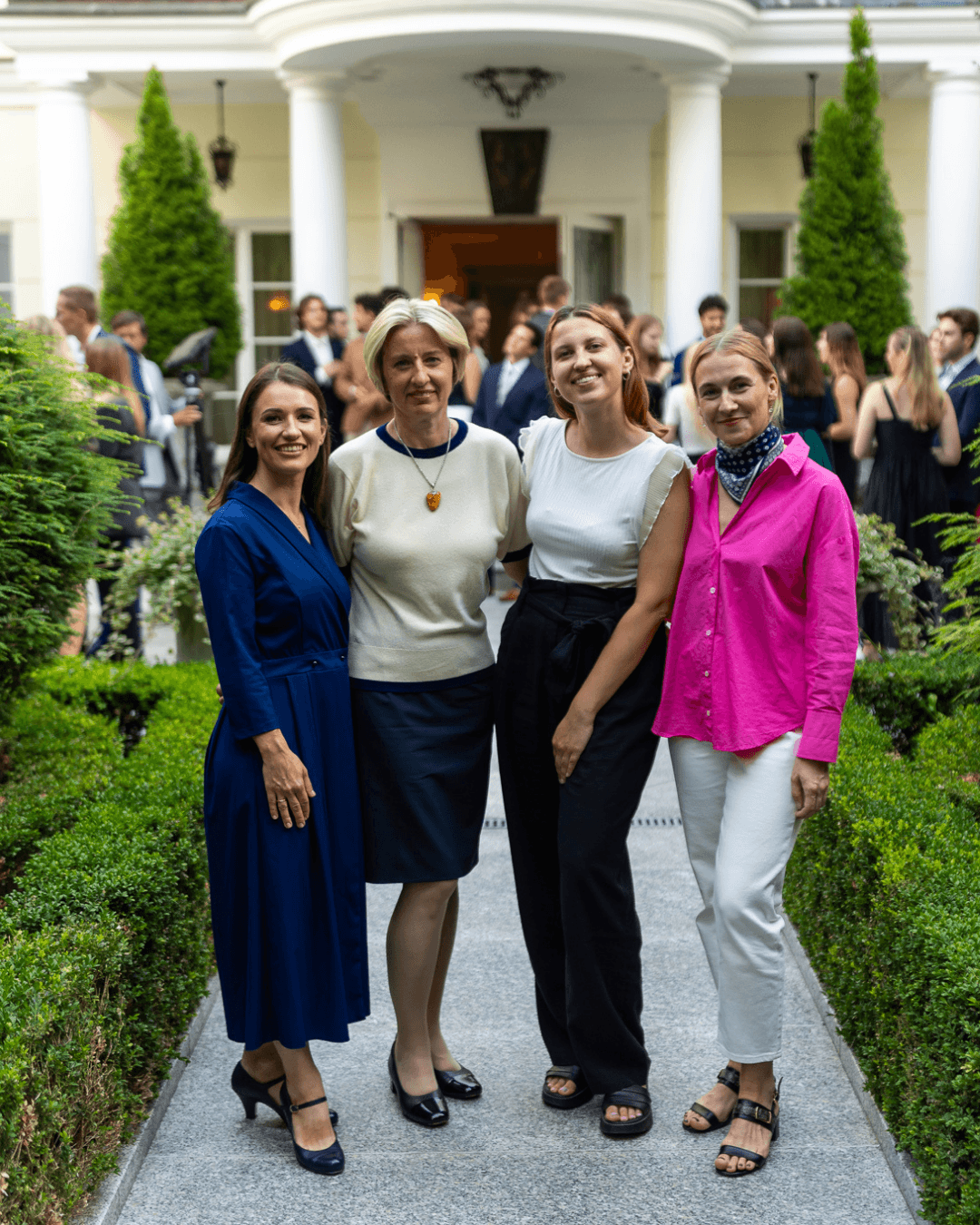
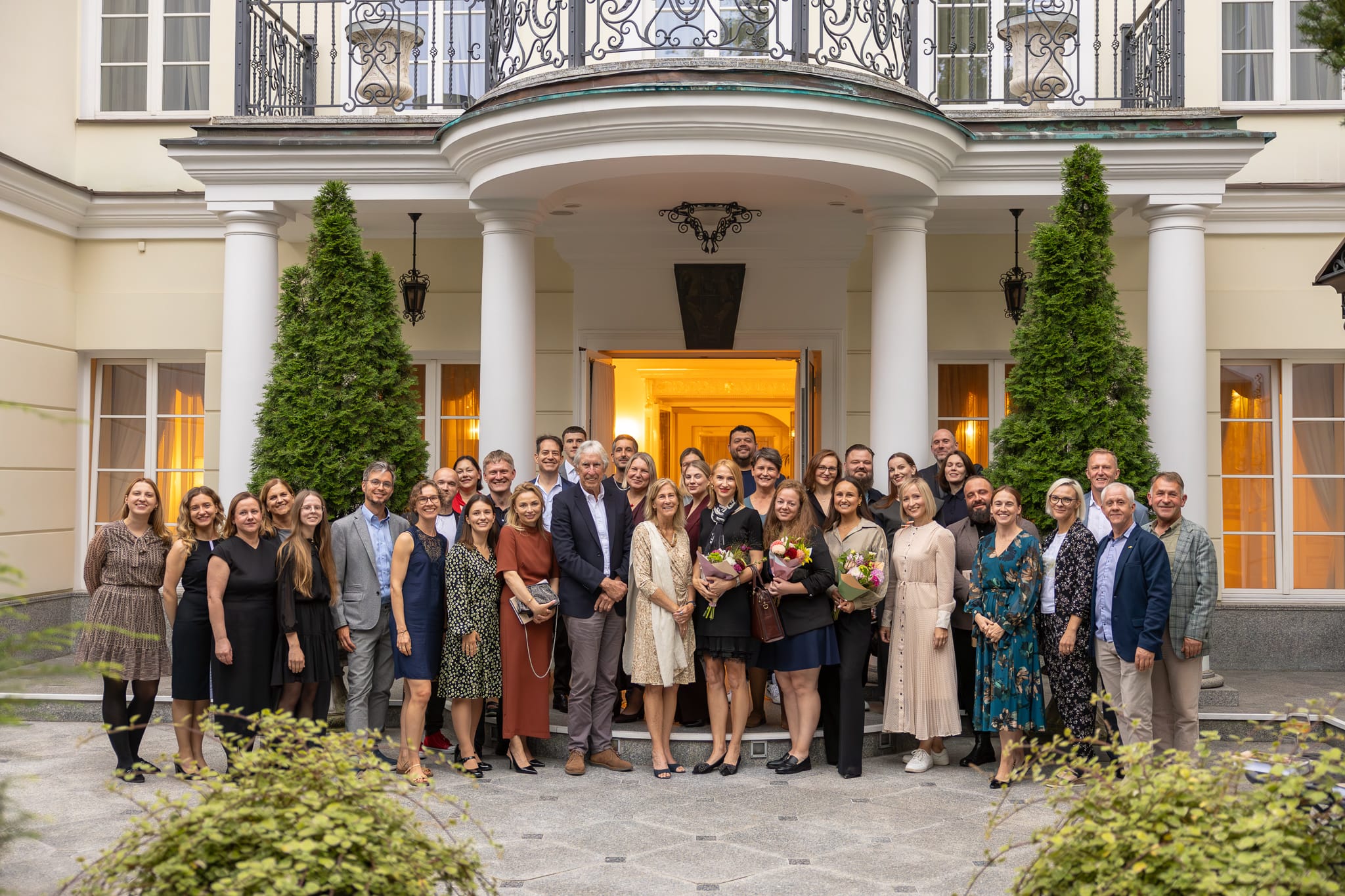
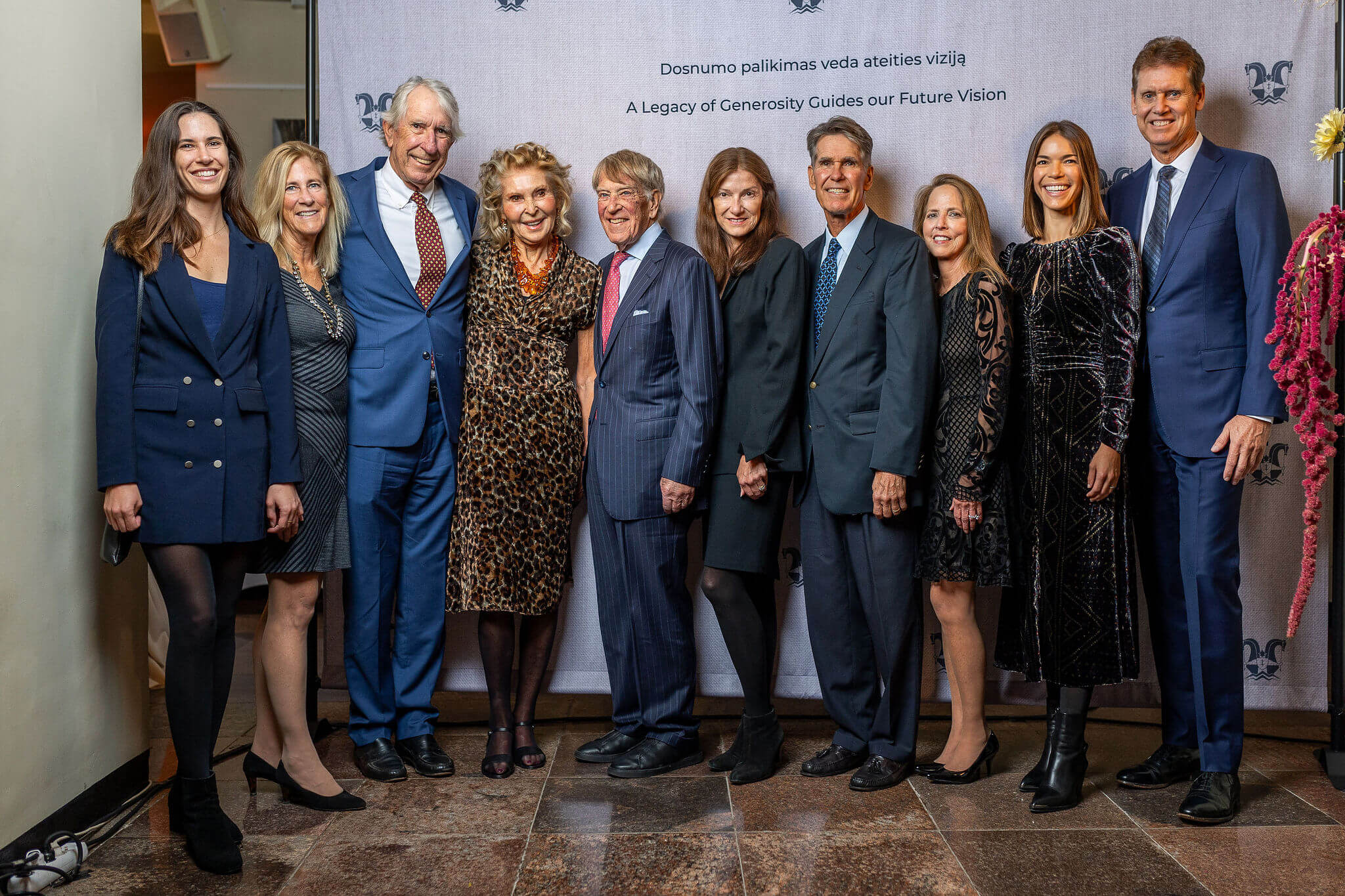
Domantė Howes, Director of KFF Vilnius Office, emphasizes that the “magnetic field” described by Dr. Juozas P. Kazickas is not only part of the family’s legacy, but remains very much alive in the Foundation’s work today. In 2025, the team was particularly touched by sincere and creative expressions of gratitude from grantees. An invitation from the Social Services Center in Ukmerge to a partners’ breakfast became a simple yet deeply meaningful way to bring the community together – sitting at the same table, reflecting on shared work, and offering personal attention to each individual. Another important moment was the KFF’s own evening of gratitude, where organizations working in the social sector were invited to creatively say “thank you” to their other supporters. That evening, the magnetic field described by Dr. Kazickas could be clearly felt – when you give, it comes back to you with dividends.
Gratitude as a Living Relationship Today
Domantė Howes believes that at KFF, this philosophy of gratitude begins with everyday communication within the team:
“It is in the way we communicate every day as a team – noticing, appreciating, and thanking one another for efforts that often remain unseen.”
This internal practice naturally extends to relationships with partners and grantees. According to Domantė, live and informal gatherings play a crucial role in building genuine connections:
“Gatherings like these restore dignity, motivation, and the strength to continue because they remind you that there are like-minded people who believe in you and stand by you.”
In hands-on work with vulnerable groups, feedback is not always visible or verbalized, which can sometimes lead to feelings of loneliness and exhaustion. In this context, gratitude becomes a mutual source of strength – not a formal gesture, but presence and real human connection:
“That is why we do this – not for a formal thank you, self-satisfaction, or a photo op, but for genuine human connection that strengthens and transforms lives.”
At the Kazickas Family Foundation, the philosophy of gratitude begins first and foremost with ourselves. It starts with everyday communication – the ability to notice, appreciate, and thank one another for efforts that often go unseen. On this foundation, we build relationships: within the team, with our families and friends, with communities, and ultimately with our organizational partners. This unfolds naturally – inspired by the Kazickas family, we strive to be the example for those around us.
At the beginning of 2026, this serves as a simple yet powerful reminder: what we choose to value and express gratitude for ultimately shapes the world around us.