STEM Scholarships Awarded to Six Lithuanian Talents Pursuing the Science and Technology of the Future
For the third year, the Kazickas Family Foundation is implementing its STEM Scholarship Program, supporting talented Lithuanians pursuing studies in science, technology, engineering, and mathematics at universities abroad.
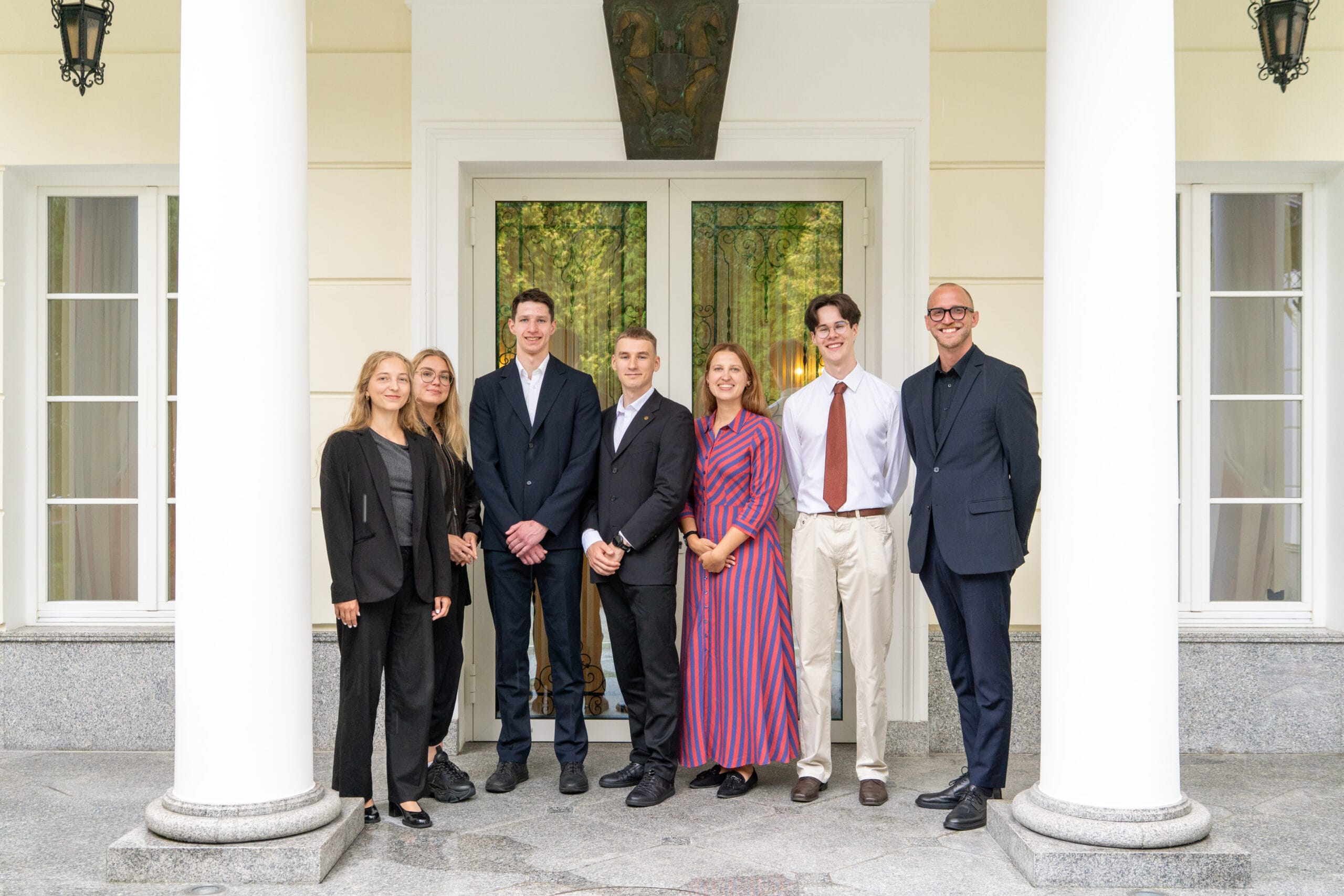
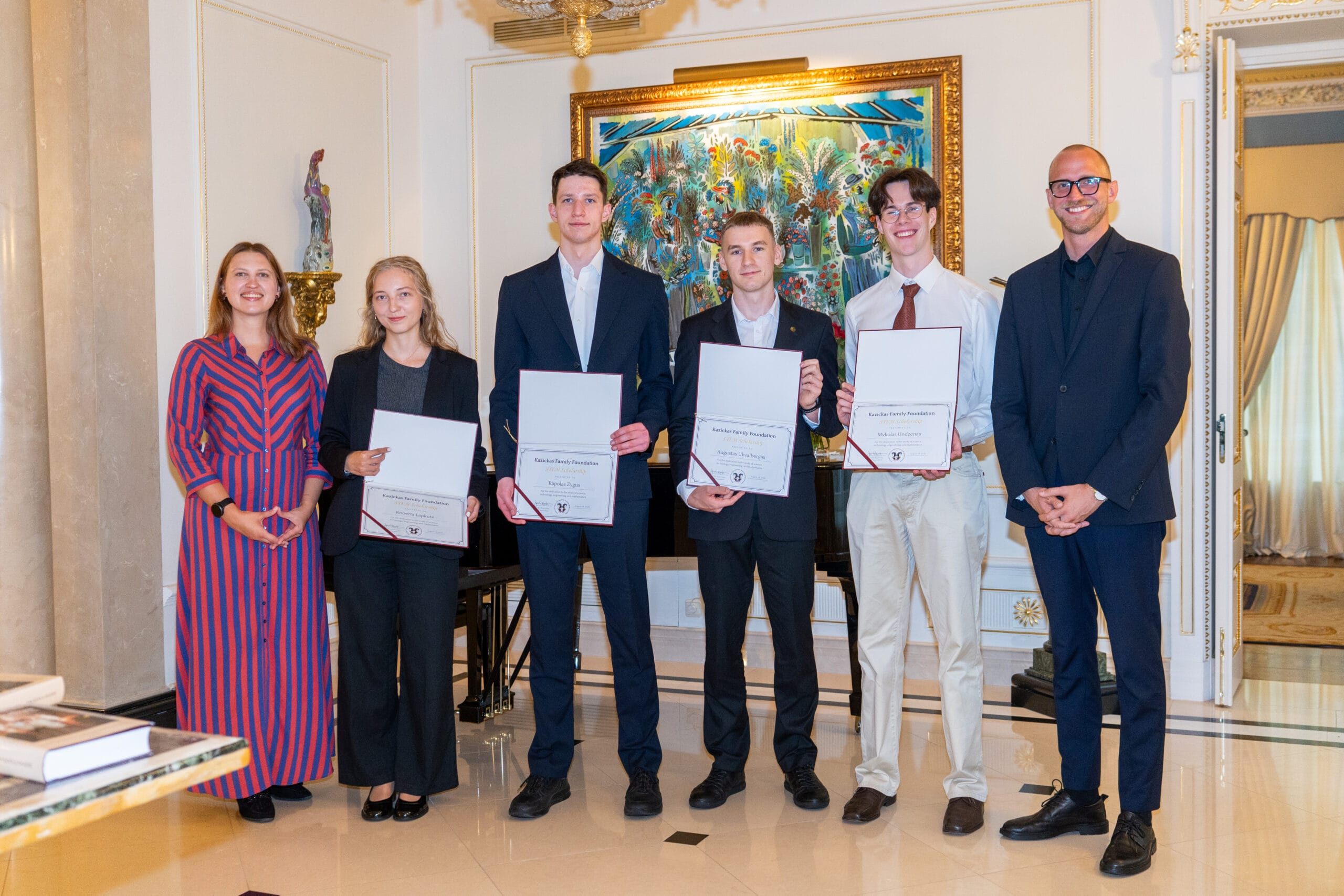
This year, scholarships were awarded to six students who will continue their academic journeys at universities in the Netherlands, the United Kingdom, Belgium, and Denmark.
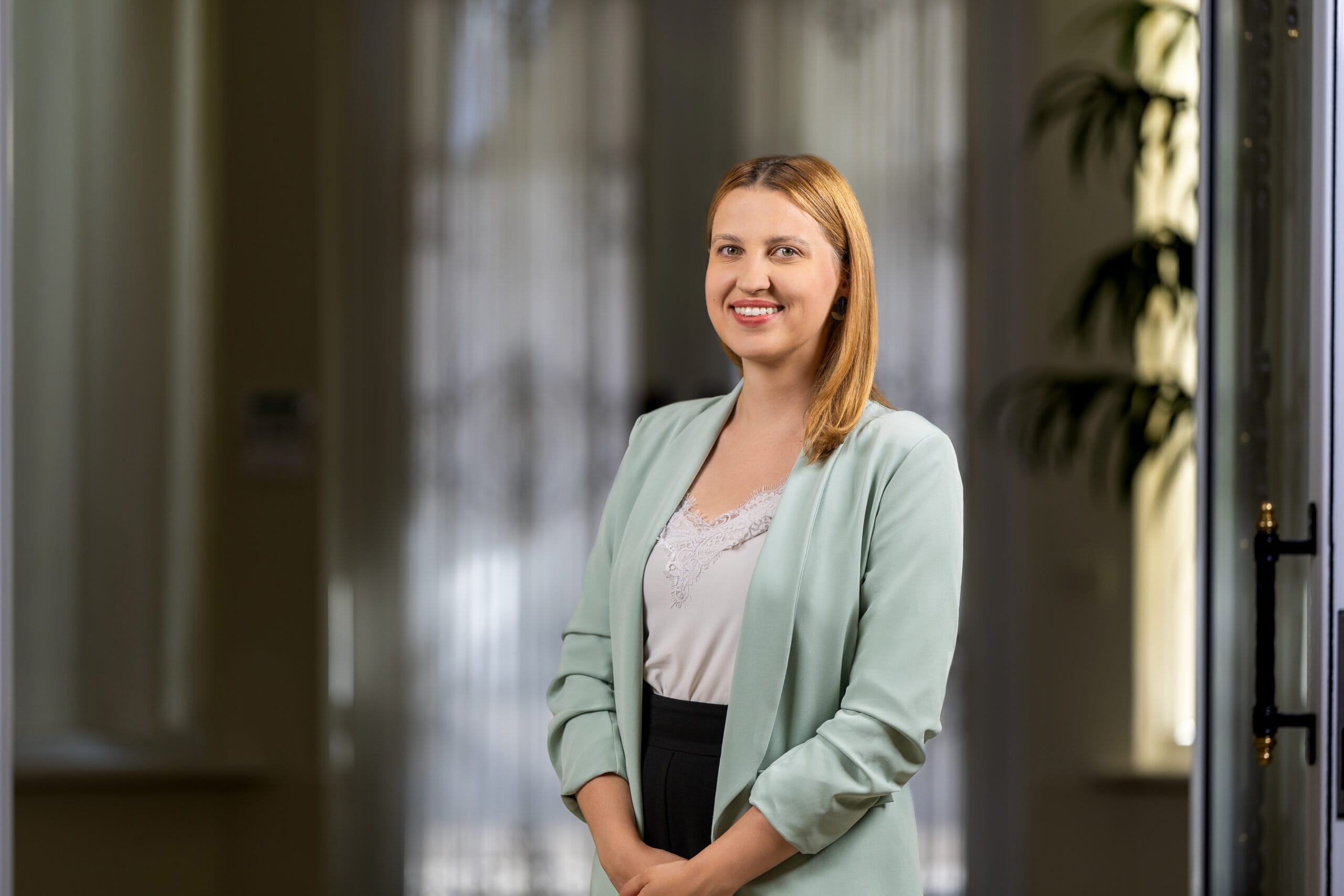
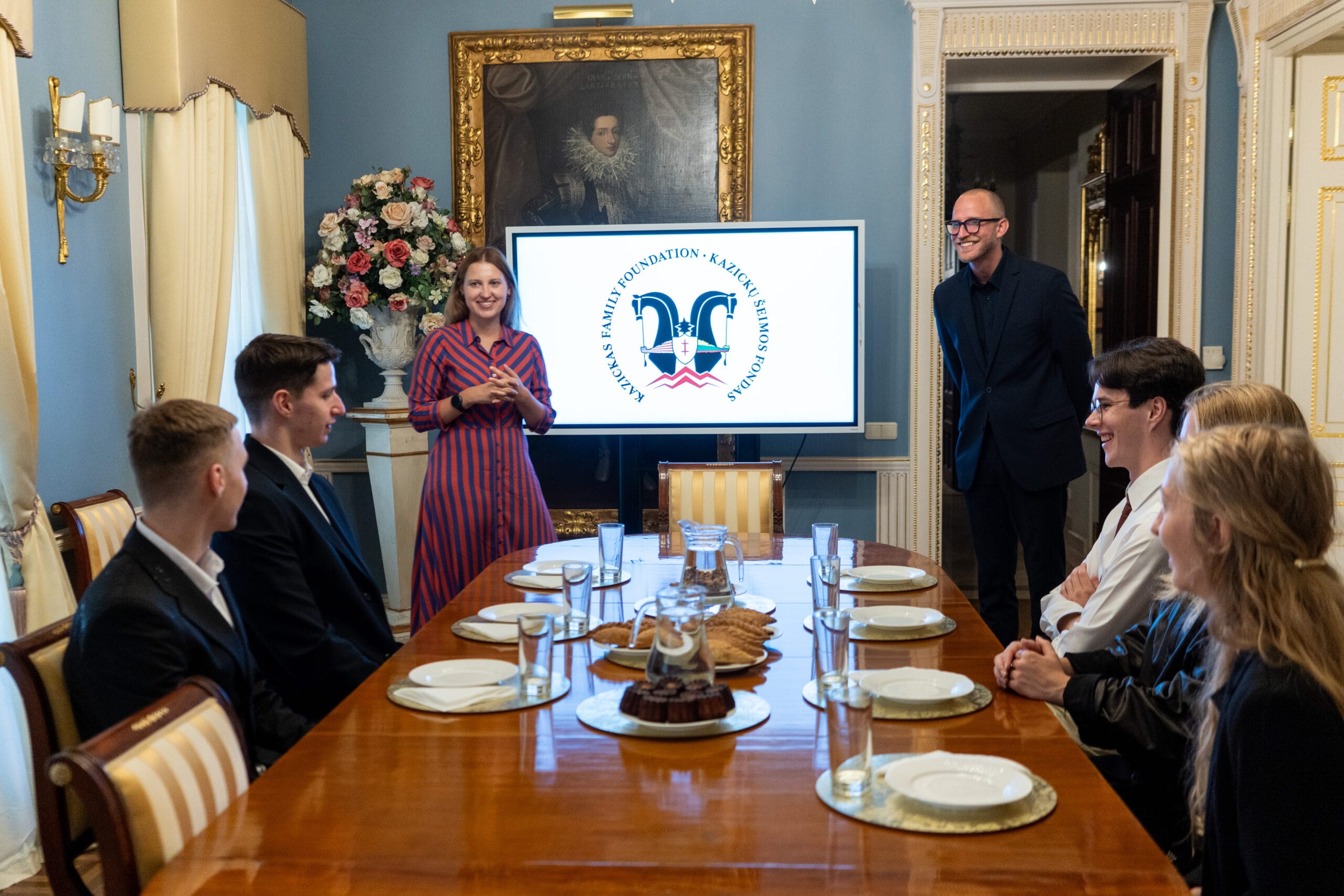
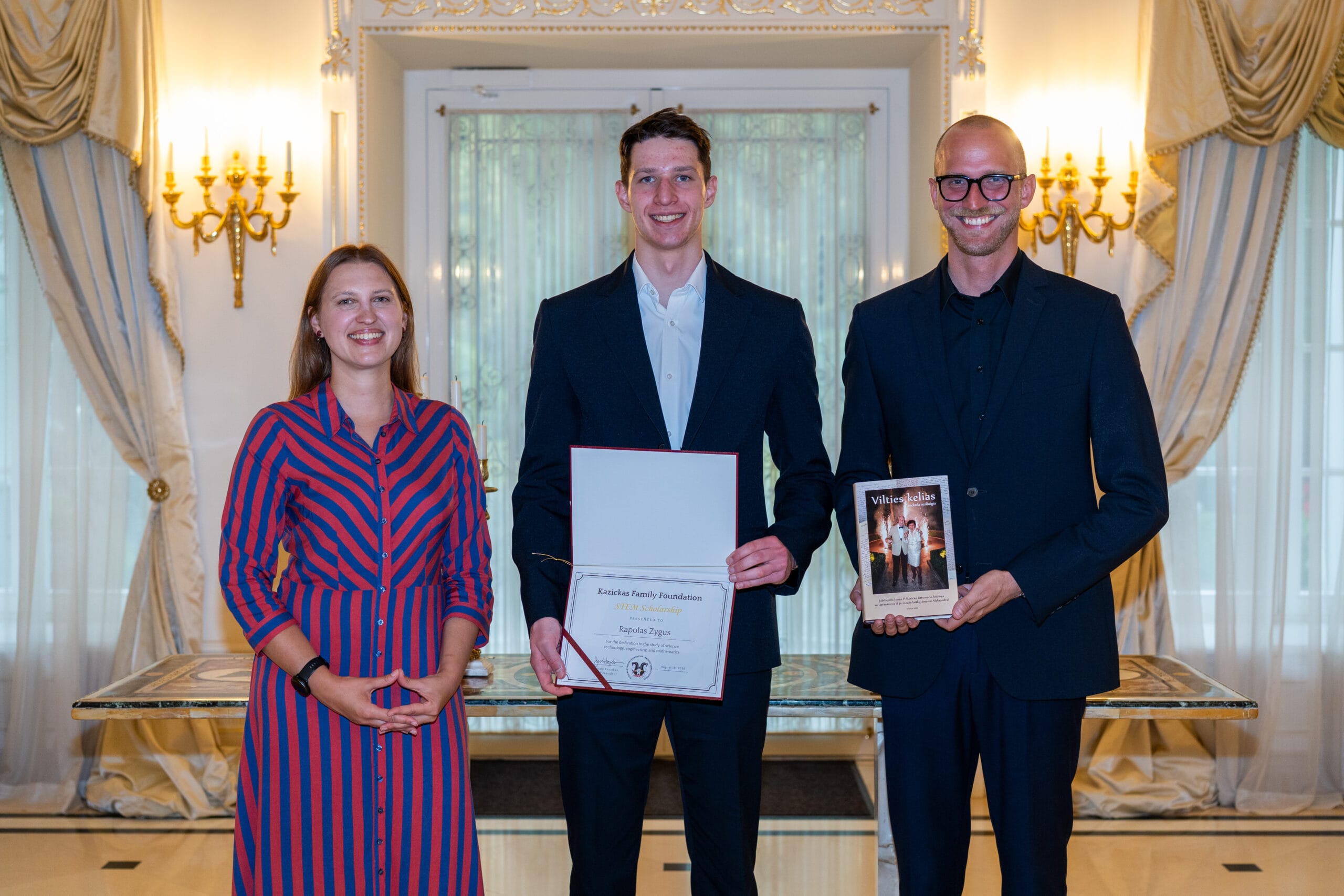
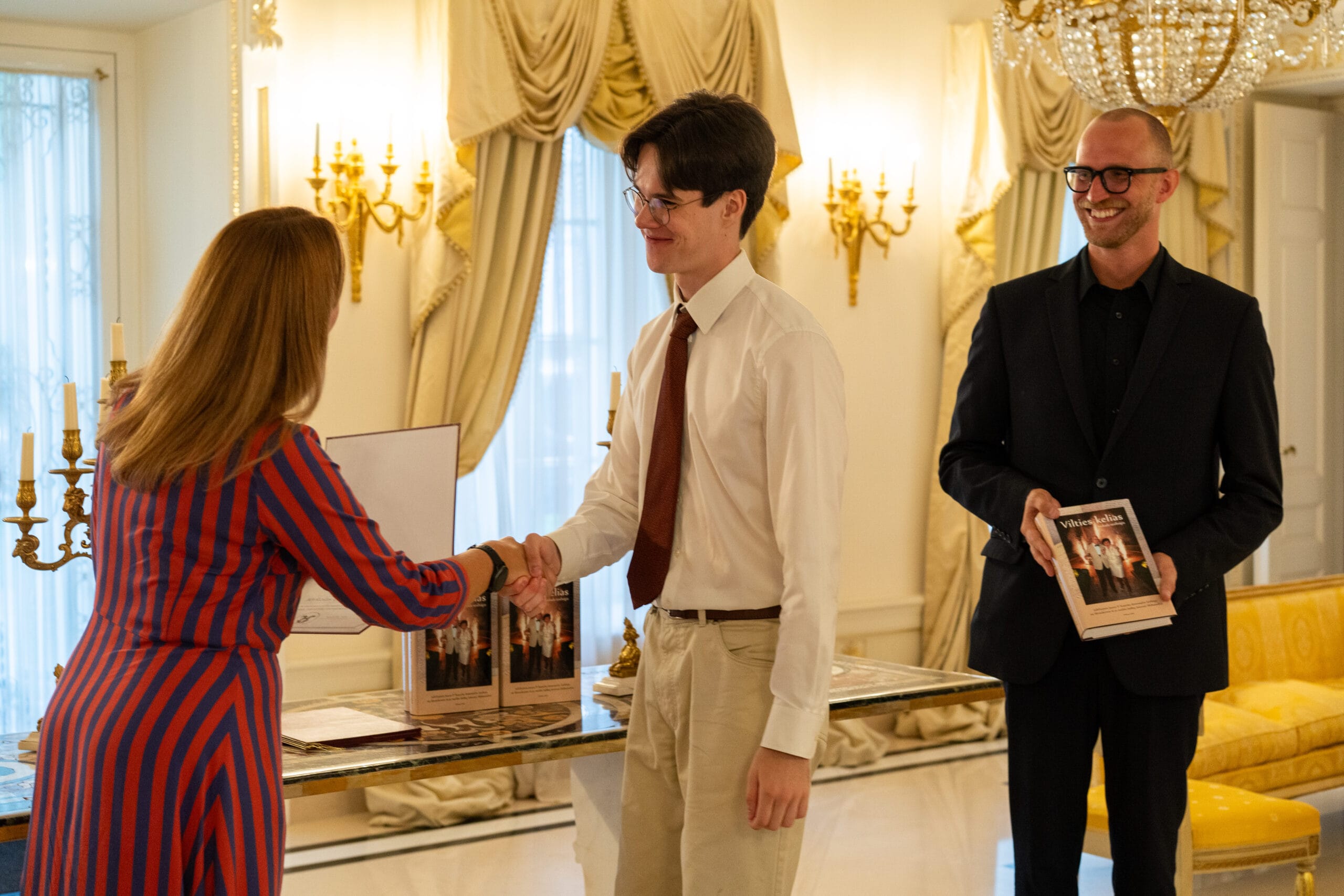
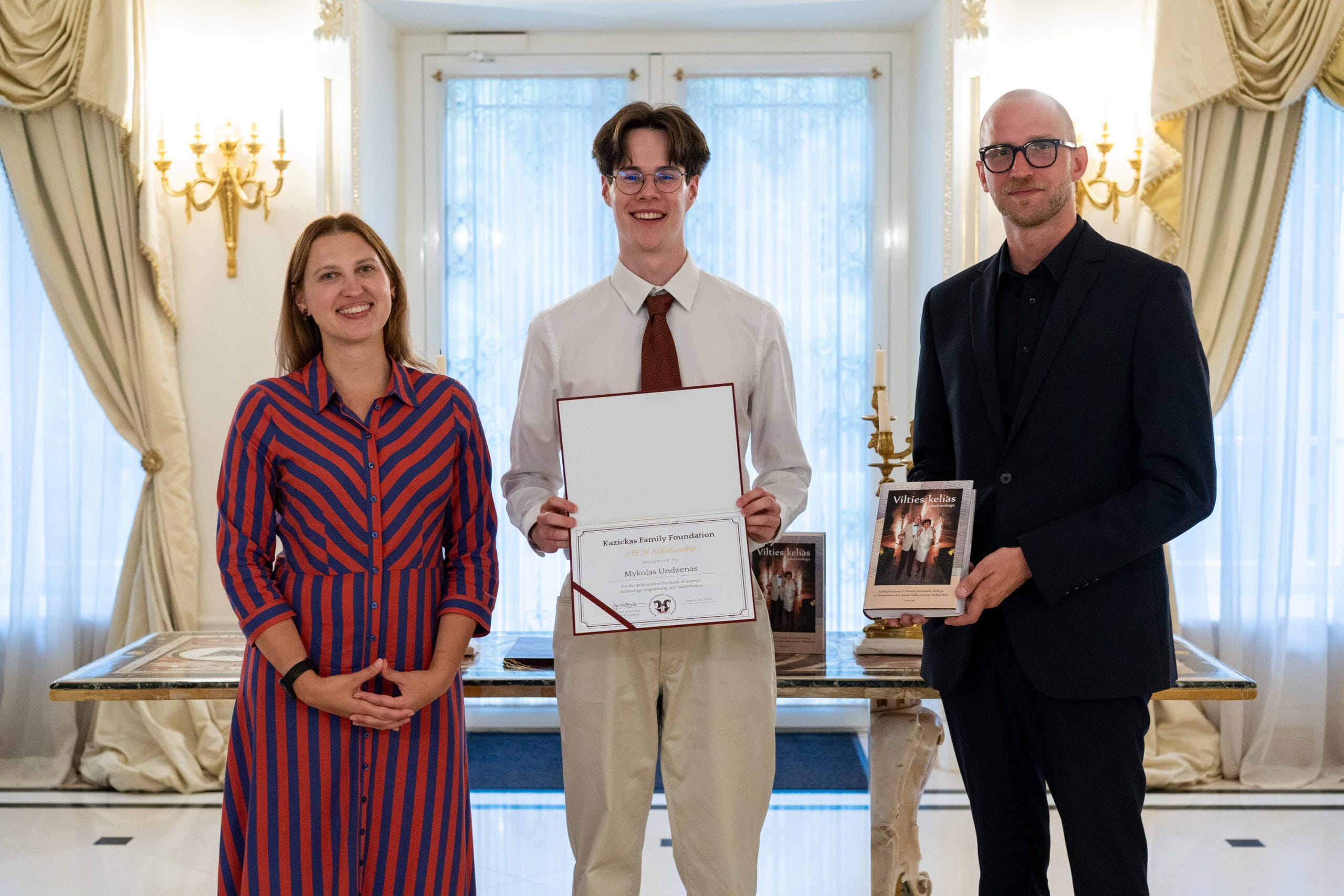
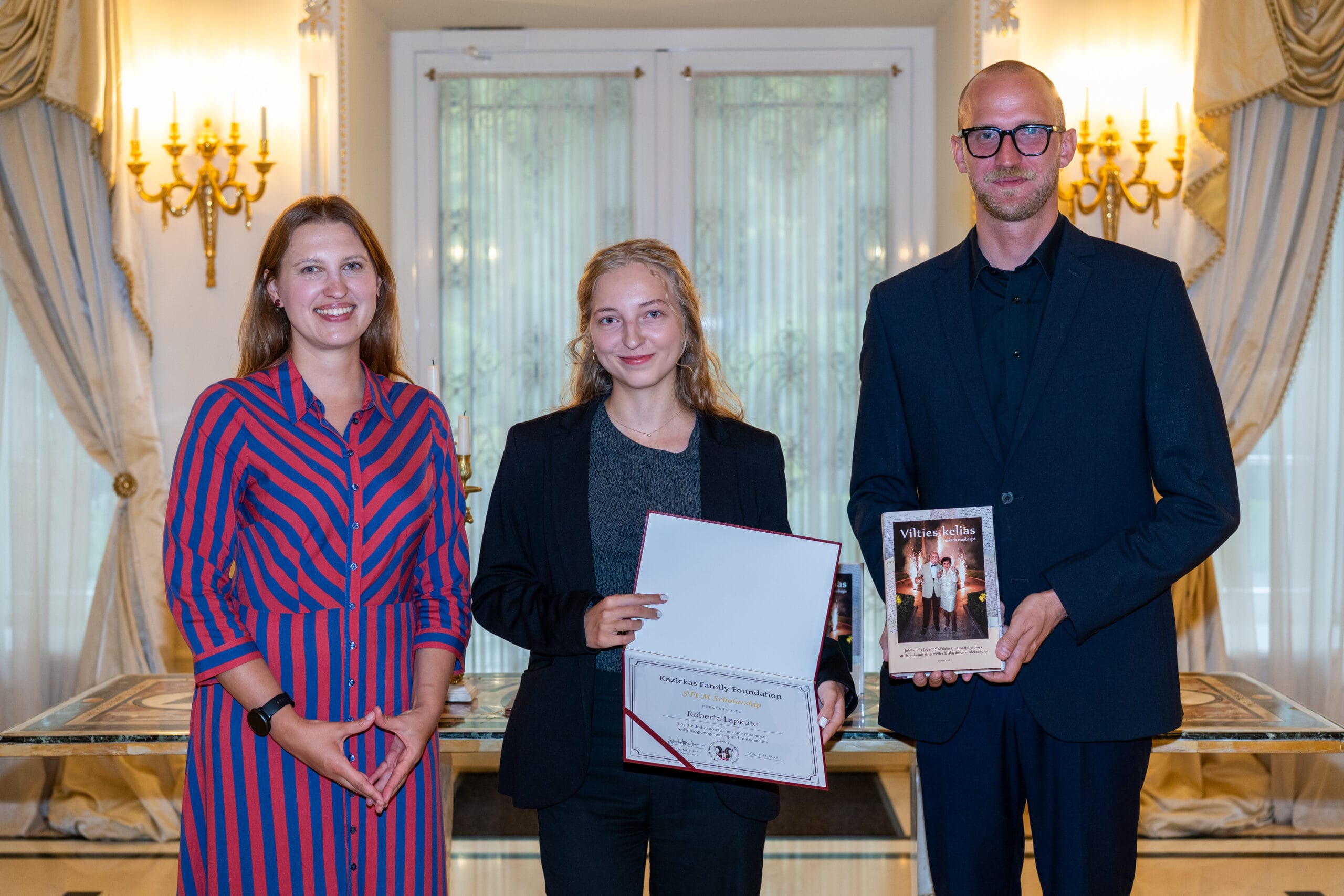
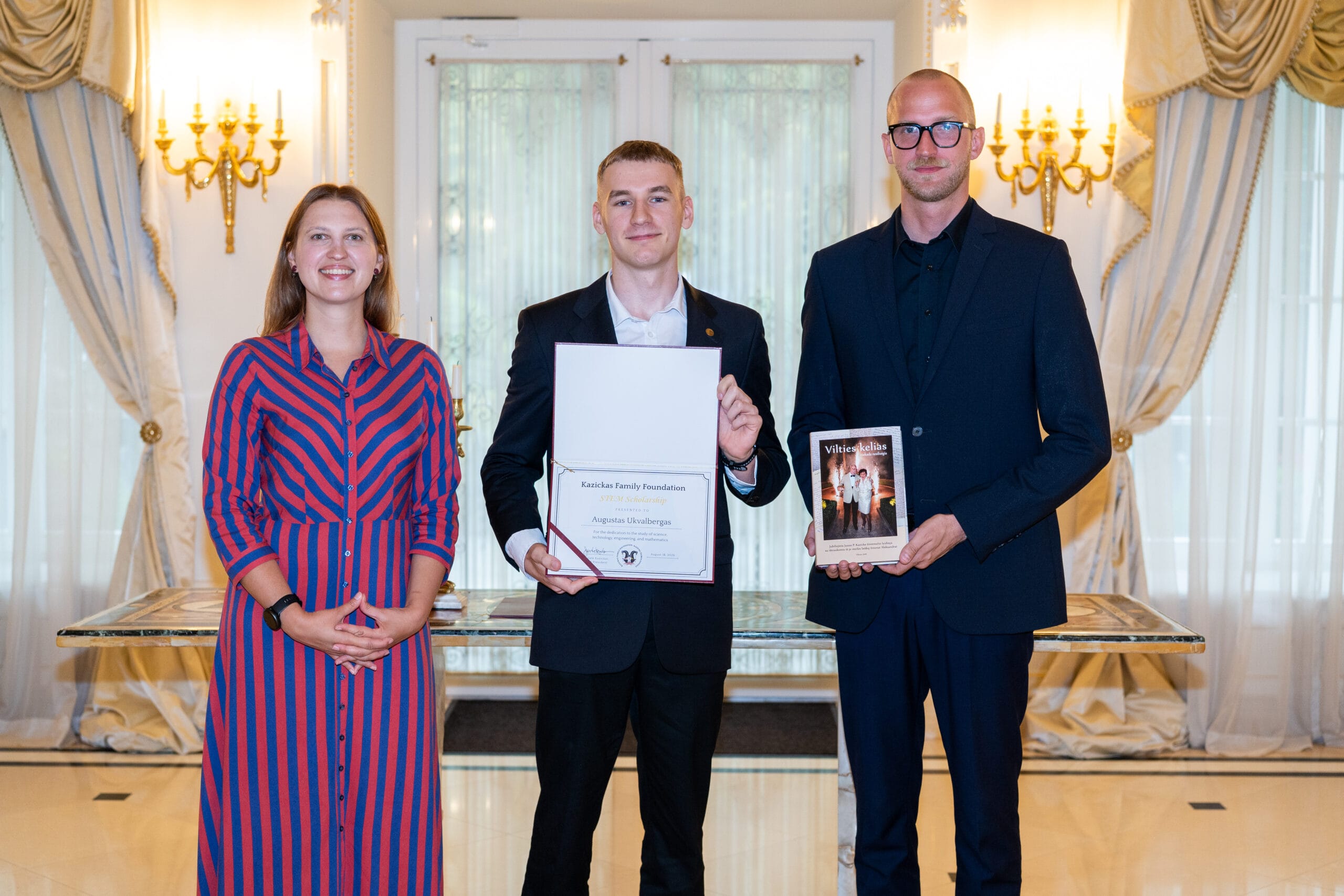
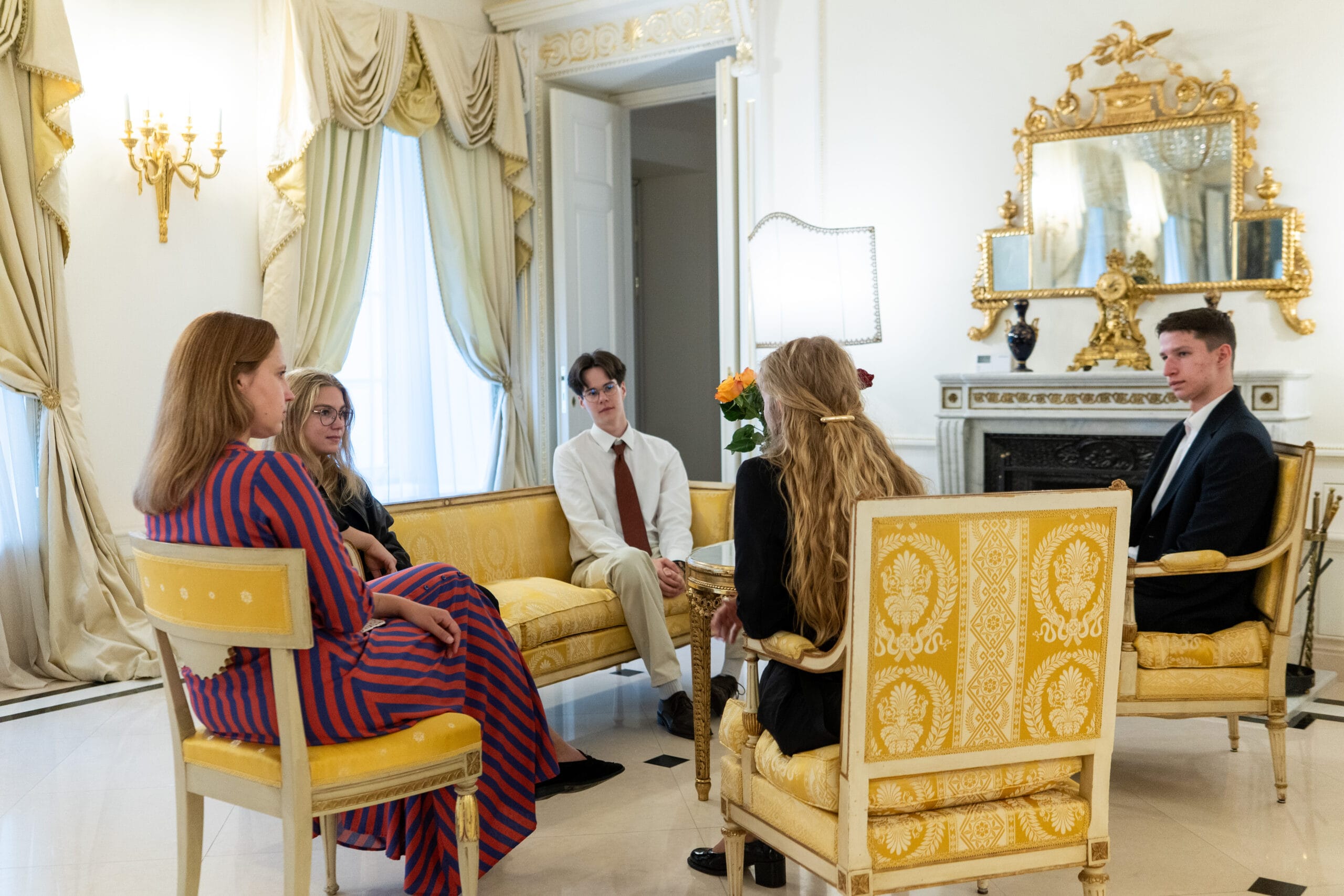
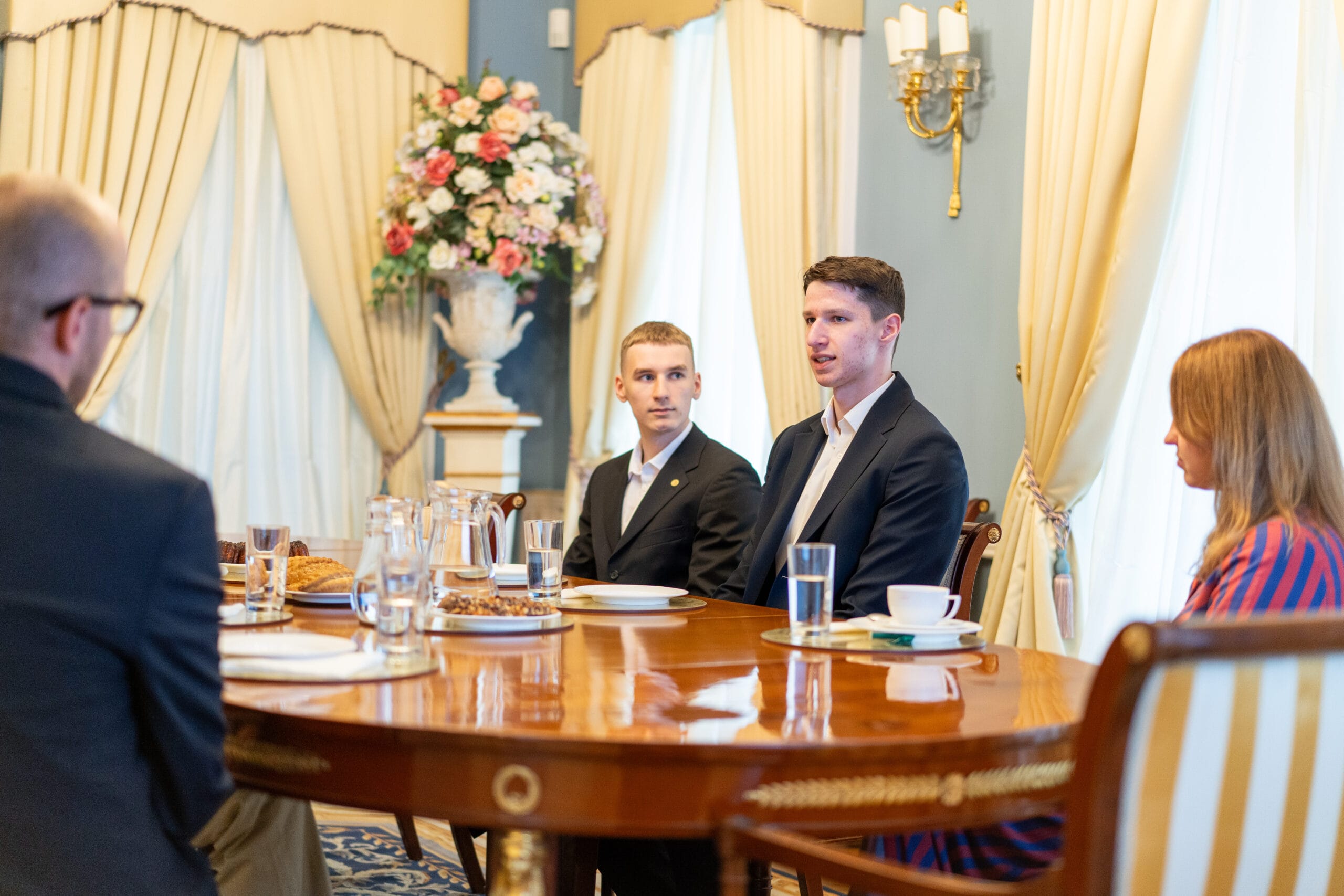
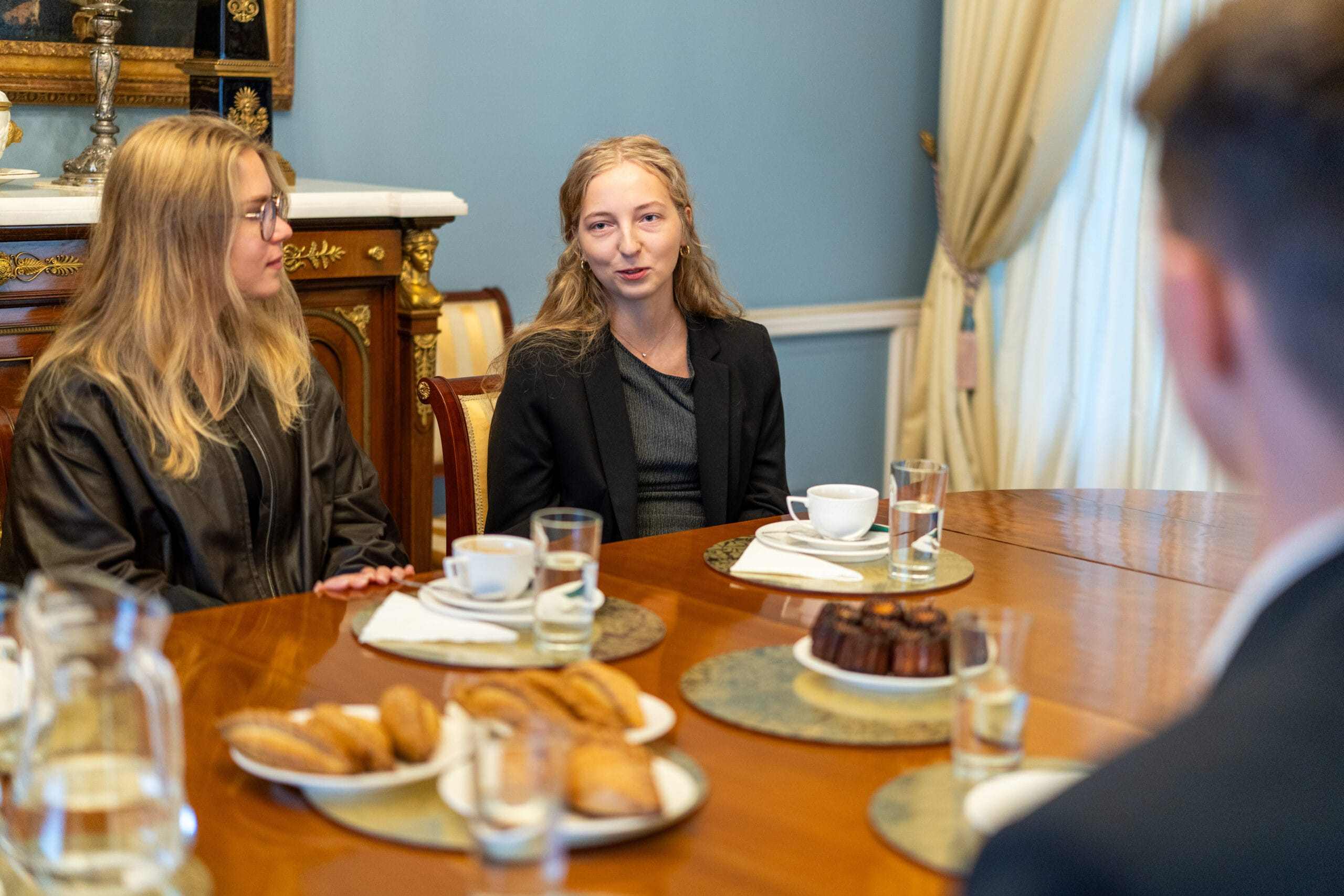
At a ceremony held on August 18 at the Kazickas Family Residence, the scholarship recipients were congratulated by Monika Zavistanaviciute, Acting Executive Director of the Kazickas Family Foundation in Lithuania:
“This scholarship is not only a financial incentive, but also a recognition from the Kazickas Family of your knowledge, hard work, and determination to pursue the highest academic goals. Once again this year, we are delighted to have such a diverse and impressive group of scholarship recipients and to be able to support you on your academic journey.”
This year’s scholars represent a broad range of fields – from aerospace engineering and quantum technologies to astrophysics, biotechnology, and neuroscience. What unites all six is not only their academic achievement but also their desire to use their knowledge and experience to contribute to Lithuania’s future.
2026 STEM Scholarship recipients
- Rapolas Zygus – Bachelor’s studies in Aerospace Engineering at Delft University of Technology, the Netherlands;
- Mykolas Undzenas – Bachelor’s studies in Psychology at the University of Amsterdam, the Netherlands;
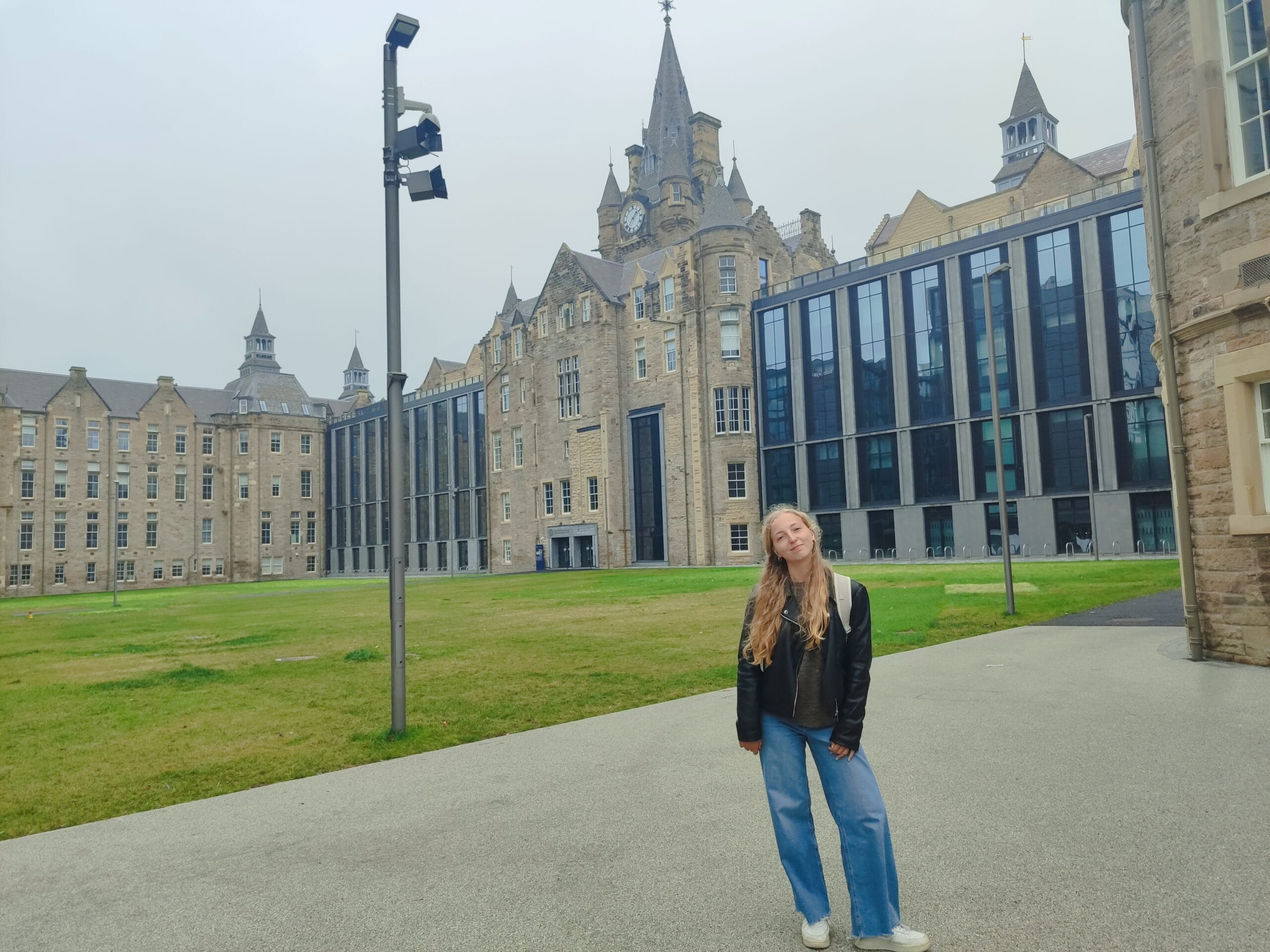
- Roberta Lapkute – Bachelor’s studies in Astrophysics at the University of Edinburgh, United Kingdom;
- Viktorija Karalkeviciute – Master’s studies in Biophysics, Biochemistry, and Biotechnology at KU Leuven, Belgium;
- Pijus Petkevicius – Master’s studies in Quantum Information Science at the University of Copenhagen and Technical University of Denmark;
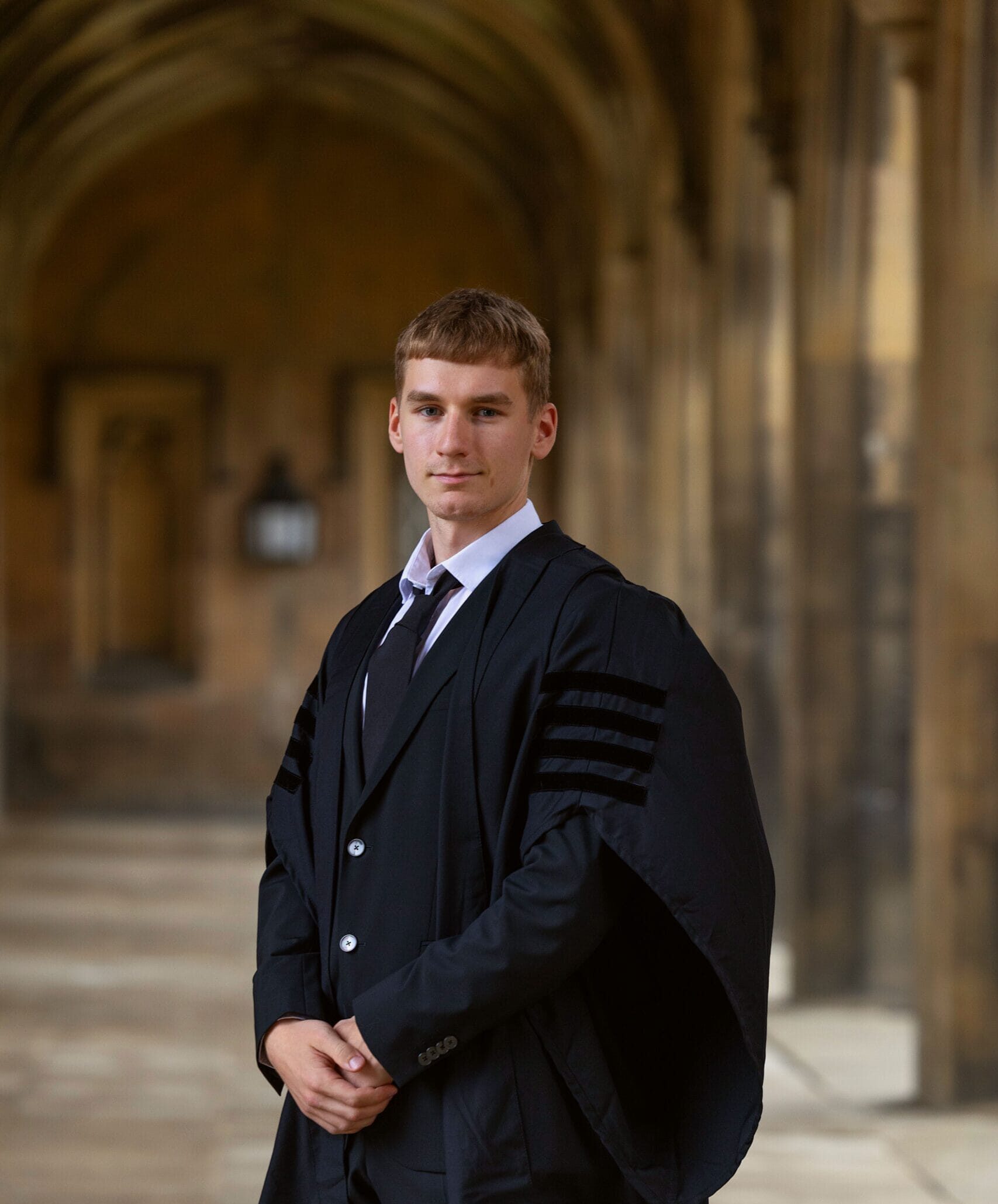
- Augustas Ukvalbergas – Bachelor’s studies in Engineering at the University of Cambridge, United Kingdom.
Investing in Lithuania’s future
The Kazickas Family Foundation’s STEM Scholarship Program was launched in 2024. Over its first three years, the program has awarded scholarships to 19 young Lithuanian talents – six in its first year, seven in its second, and six this year.
Each year, the program has a total scholarship fund of €50,000, with individual awards of up to €10,000 to help cover tuition, living expenses, and other study-related costs. The program gives talented young people the opportunity to study at leading universities abroad, gain international academic and professional experience, and eventually apply their knowledge to the development of science, technology, and innovation in Lithuania.
Six paths toward the science of the future
Rapolas Zygus – the future of space technology
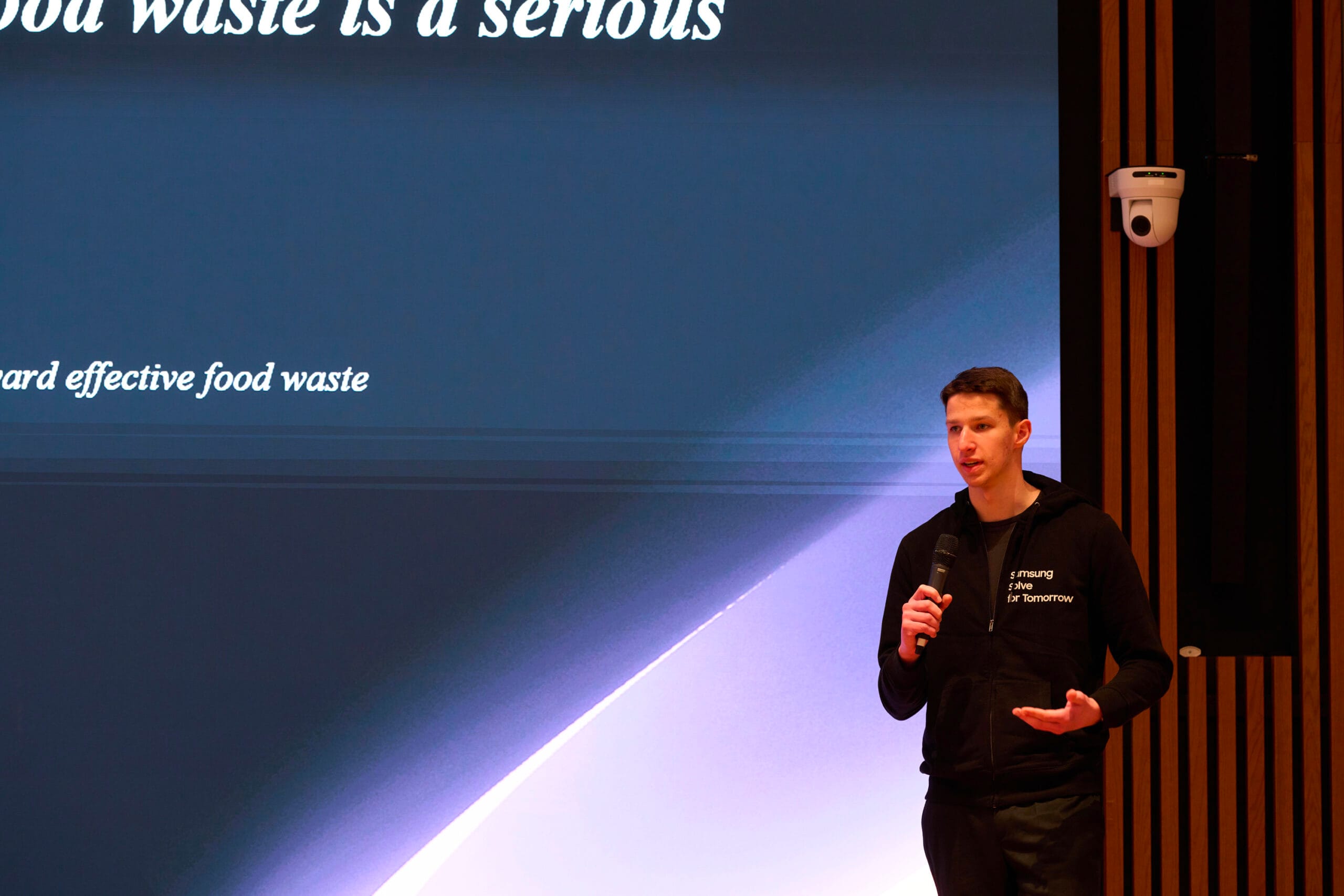
Rapolas Zygus will pursue Aerospace Engineering at Delft University of Technology in the Netherlands. His interest in the field was strengthened through physics and astrophysics Olympiads, which encouraged him to pursue a future in the exact sciences.
“My decision to study Aerospace Engineering was driven by a lifelong desire to understand how the world and the technologies that shape it work,” Rapolas says.
In the future, he hopes to apply his knowledge in Lithuania and contribute to the growth of the country’s space sector.
“Armed with a strong background in space engineering that I aim to gain in my studies, I intend to bring this expertise back home to start my own Space company. My goal is to help demonstrate that world-class aerospace innovation can be built right here in Lithuania,” he says.
Mykolas Undzenas – understanding the human mind and neurotechnology
Mykolas Undzenas is studying Psychology at the University of Amsterdam. His academic interests are connected to neuroscience and the development of solutions for people with cognitive disabilities.
“When I was younger I wanted to be a physicist or a computer scientist, but after doing theater for 8 years and growing up volunteering at a summer camp for people with intellectual disabilities, I realized there is an inexplicable beauty and complexity to the mind,” Mykolas says.
He plans to return to Lithuania and contribute to the development of neurotechnology.
“I plan on coming back to Lithuania after my studies to start developing neurotechnological treatments for memory disabilities. I believe that Lithuania has the high-level talent to become a leading neurotech hub in Europe, just as we are for laser physics and life sciences. I hope I can aid that cause,” he says.
Roberta Lapkute – seeking answers about the universe and making science accessible
Roberta Lapkute chose to study Astrophysics at the University of Edinburgh. From an early age, her curiosity about science was accompanied by an interest in astronomy and fundamental questions about the universe.
“As a child, I spent hours exploring nature in my backyard, and every evening before falling asleep I loved looking up at the stars. That curiosity grew with me and during school it was further nurtured through Young Astronomers’ camps at the Molėtai Astronomical Observatory, the Young Biochemists’ School at Vilnius University, and reaching the national stage of the Lithuanian Astronomy Olympiad. These experiences made me realise that I wanted to search for answers to some of the most fundamental questions about the Universe and the possibility of life within it,” Roberta says.
In the future, she hopes to contribute to Lithuanian science and encourage young people, especially girls, to pursue science and technology.
“I would like to create more opportunities in Lithuania for people to explore astrophysics and astronomy and for science to become more accessible to the wider public,” she says.
Viktorija Karalkeviciute – research that can help us understand disease
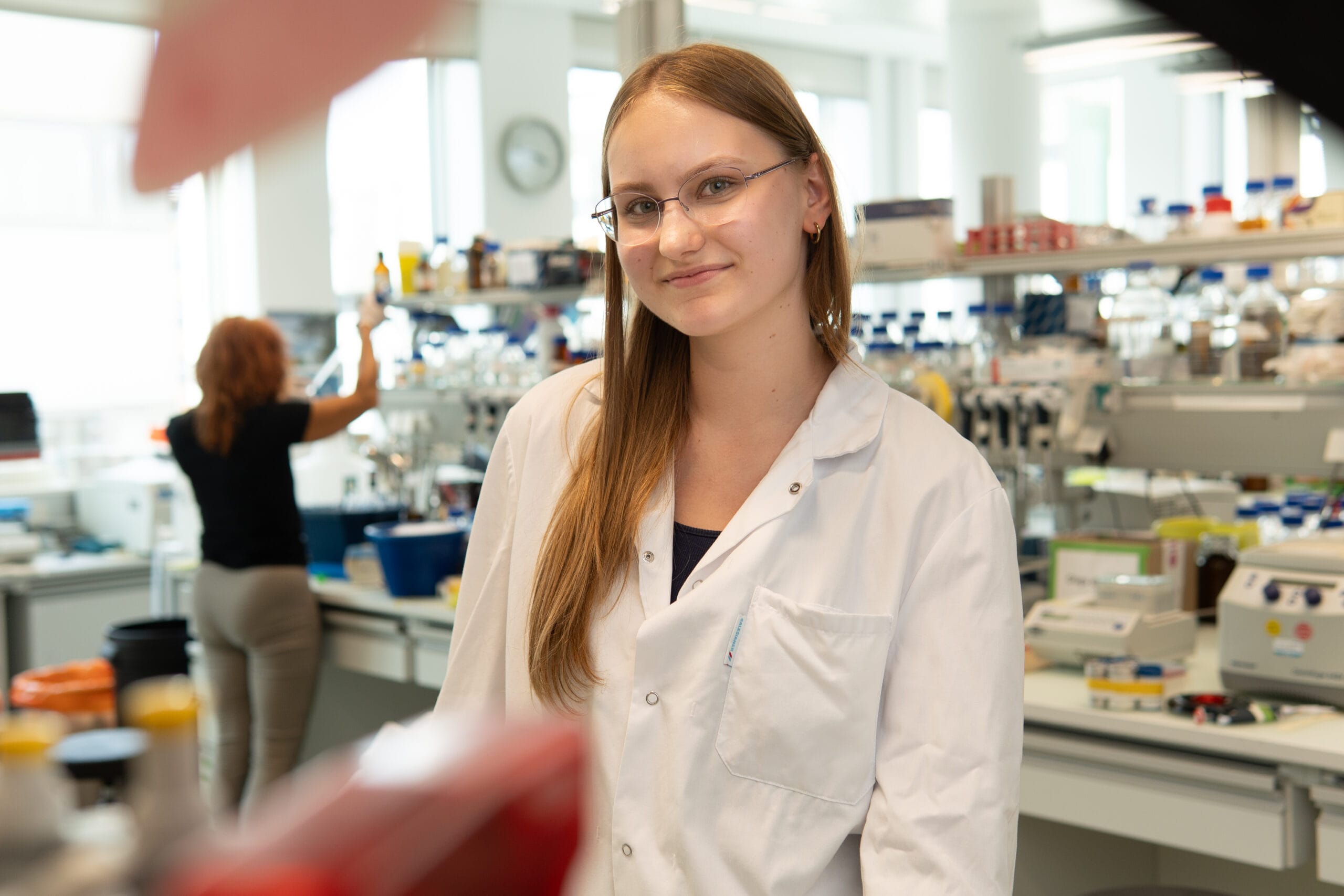
Viktorija Karalkeviciute is currently pursuing a master’s degree in Biophysics, Biochemistry and Biotechnology at KU Leuven in Belgium. While studying in Lithuania, she began working in a laboratory researching proteins associated with neurodegenerative diseases.
“At the beginning of my third year, I joined a research laboratory investigating proteins involved in the pathology of neurodegenerative diseases. Encouraged by my colleagues and friends in the lab, I began considering pursuing my studies abroad,” Viktorija says.
She plans to return to Lithuania and continue her scientific work, bringing back the experience and connections she gains abroad.
“I hope to bring my acquired experience and established connections back to Lithuania and return as a more experienced scientist, capable of developing research areas that are still less established in Lithuania and contributing to closer collaboration between researchers and patients,” she says.
Pijus Petkevicius – the potential of quantum technologies
Pijus Petkevicius’ path to Quantum Information Science began with Software Engineering studies at Vilnius University, where a course on quantum computing sparked his interest in the field. He continues his studies at the University of Copenhagen and the Technical University of Denmark.
“My path into quantum information science field started with an Introduction to Quantum Computing course during my final year of Software Engineering bachelors in Vilnius University,” Pijus says.
His long-term goal is to contribute to Lithuania’s emerging quantum technology ecosystem.
“My long-term goal is to bring that expertise home. We have the talent and the infrastructure to build a competitive presence in the field,” he says.
Augustas Ukvalbergas – engineering solutions for Lithuania’s progress
Augustas Ukvalbergas is drawn to engineering by its ability to turn ideas and scientific knowledge into practical solutions. He is headed to the University of Cambridge for graduate studies in Engineering.
“What inspires me most is the real and measurable impact that engineers can make. They create products and innovative solutions that transform our everyday lives, enable resources to be used more efficiently, and contribute to the progress of society,” Augustas says.
In the future, Augustas plans to apply his knowledge in Lithuania’s high-tech sector.
“I see my future in Lithuania and hope to apply the knowledge, skills, and international experience gained during my studies here. I would like to work for a forward-looking Lithuanian high-tech company and contribute to the development of innovative products and engineering solutions, particularly in the fields of energy or electronics,” he says.
A belief in the power of science and education
The STEM Scholarship Program reflects the Kazickas family’s longstanding belief in the transformative power of education, science, and international experience. Dr. Joseph P. Kazickas himself understood the value of a strong education and believed that knowledge and ambition could open doors – not only for individuals, but for Lithuania as a whole.
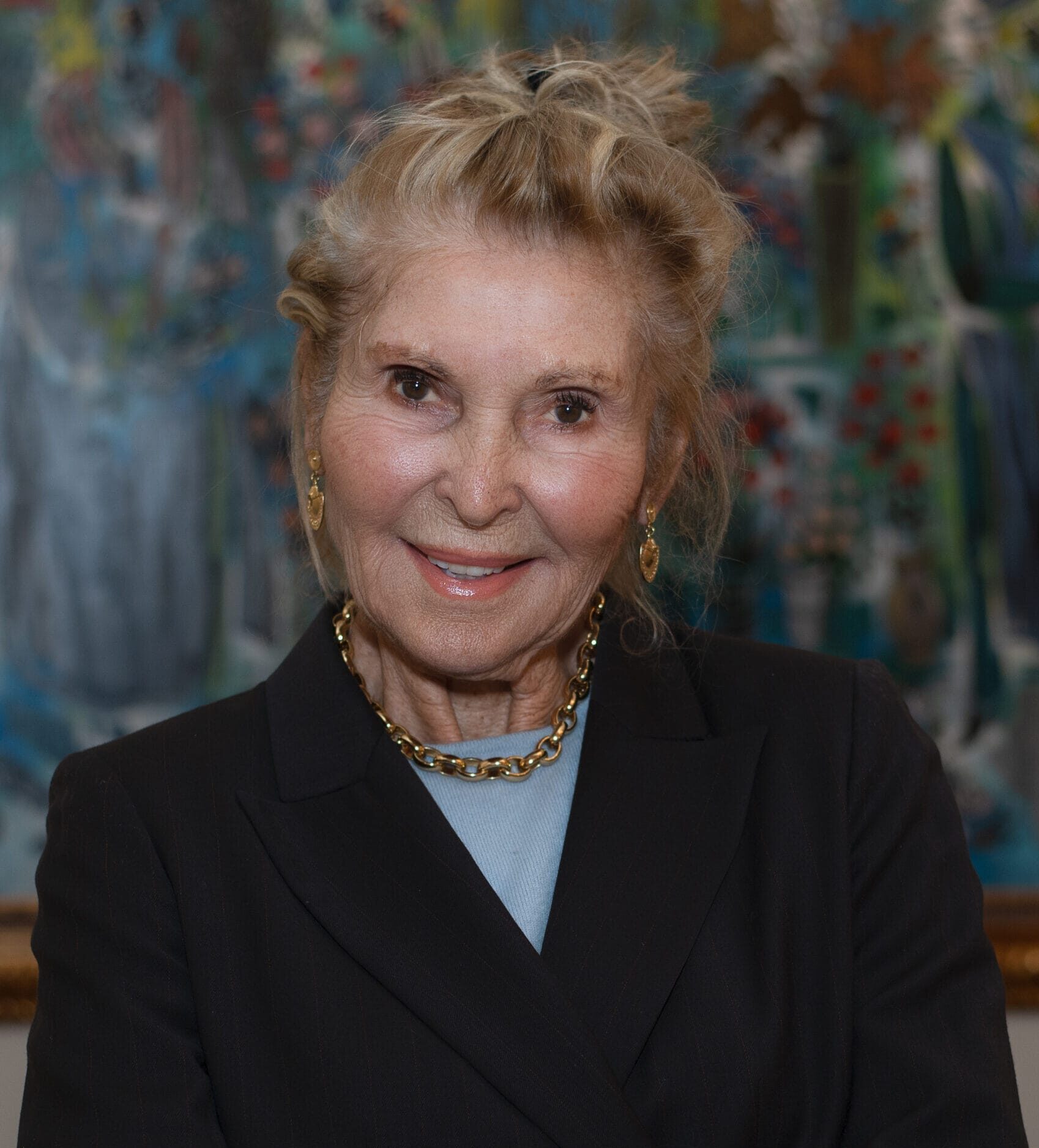
“There’s no denying technology is the future, and it’s moving at a very rapid rate. You could argue that you can read about Hemingway, you can read about Čiurlionis, but you really do need that education in science, math, and technology, engineering,” says Jurate Kazickas, President of the Kazickas Family Foundation and initiator of the program.
She also emphasizes the importance of encouraging more young women to pursue these fields:
“I’m very much going to bring in young women, and I was gratified that in our first year of the scholarship, three times as many young women applied. So that, to me, is very important – to get women into those fields that are notorious for not having enough women.”
Jurate Kazickas also highlights the value of international experience:
“We specifically set up this scholarship for study abroad – in other countries in Europe, or the United States and Canada. I’m a great believer in getting young people out onto the international scene to see how different people live and how they think.”
Event Photo Credits: Agne Kanapienyte